

How to Manage Group Safety at Crowded Religious Festivals?
For over 15 years in the specialized world of festival travel, I've witnessed the profound beauty and spiritual upliftment of religious gatherings across the globe. Yet, I've also seen firsthand the potential for chaos, anxiety, and even danger when group safety isn't meticulously planned and executed. It's a delicate balance: embracing the fervor of the moment while ensuring every single person in your charge remains secure.
The unique challenges of religious festivals—from the sheer volume of attendees and the emotional intensity, to unfamiliar cultural norms and often unpredictable environments—can quickly overwhelm even seasoned travelers. Losing a member, navigating medical emergencies, or simply keeping everyone together in a sea of humanity are genuine pain points that can transform a sacred journey into a stressful ordeal.
This definitive guide aims to equip you with not just theoretical knowledge, but actionable frameworks, battle-tested strategies, and expert insights drawn from years in the field. We'll delve into comprehensive planning, on-site execution, and critical emergency preparedness, ensuring you know precisely how to manage group safety at crowded religious festivals with confidence and competence.
Understanding the Unique Dynamics of Religious Festivals
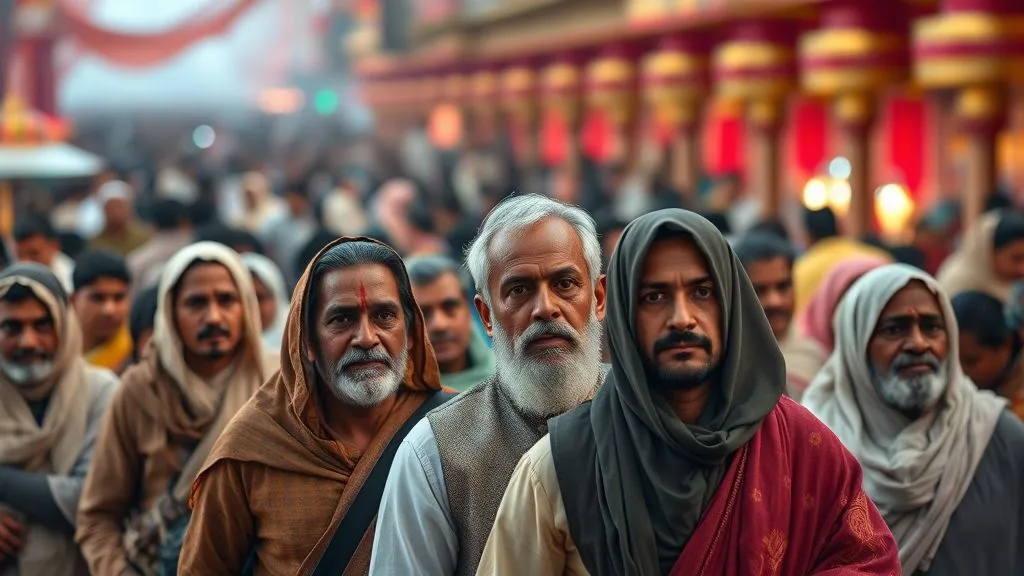
Before we dive into specific strategies, it's crucial to appreciate what sets religious festivals apart from other large-scale events. These aren't just concerts or sporting events; they are profound spiritual experiences, often attracting millions to sacred sites, transforming normal crowd dynamics.
Spiritual vs. Logistical Mindset
Attendees at religious festivals are often driven by deep faith and devotion. This can lead to a single-minded focus on rituals, prayers, and spiritual objectives, sometimes at the expense of practical safety considerations. As a group leader, you must appreciate this mindset while subtly guiding your group to prioritize their physical well-being. It’s about merging spiritual intent with robust logistical planning.
The Sheer Scale and Diversity
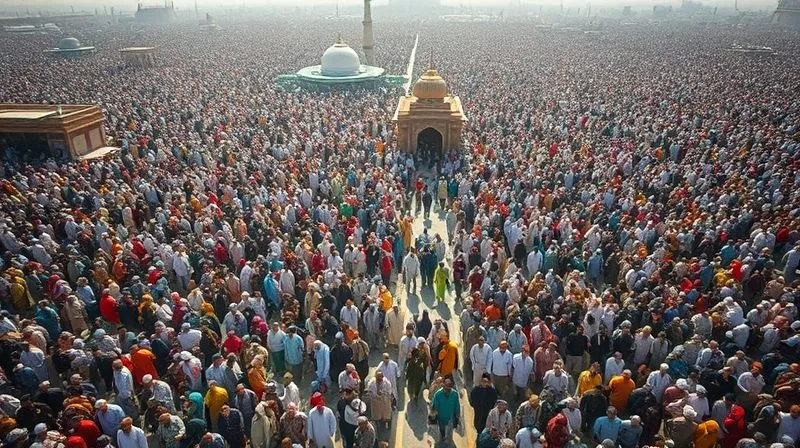
Many major religious festivals, like the Kumbh Mela in India or the Arba'een Pilgrimage in Iraq, draw numbers that dwarf the populations of entire cities. These crowds are incredibly diverse, comprising people from different countries, speaking various languages, and possessing varying levels of mobility and health. This diversity complicates communication and emergency response, demanding a flexible and inclusive safety plan.
Phase 1: Pre-Departure Planning – The Foundation of Group Safety
The success of managing group safety at crowded religious festivals begins long before you even set foot on sacred ground. Pre-departure planning is your most powerful tool, allowing you to anticipate challenges and build resilience.
Comprehensive Risk Assessment
I always start with a thorough risk assessment. This isn't just about identifying potential dangers; it's about understanding their likelihood and impact. Research the specific festival: its history of incidents, local political stability, weather patterns, health risks (e.g., outbreaks like cholera or heatstroke), and the logistics of the site itself. Consult official government travel advisories and health organizations like the World Health Organization for up-to-date information.
The Power of a Detailed Itinerary & Communication Plan
Every member of your group needs a clear, concise itinerary that includes meeting points, times, and alternative plans. Crucially, establish a robust communication strategy. This involves not just how you'll communicate with each other, but also with local contacts and emergency services. Consider distributing laminated cards with essential contact numbers, local emergency numbers, and the address of your accommodation in both English and the local language.
Here are the fundamental pre-departure steps I advocate for every group leader:
- Thorough Research: Deep dive into the specific festival's dynamics, local customs, and any recent security concerns.
- Health & Immunizations: Ensure all group members have necessary vaccinations and carry personal medical kits. Advise on travel insurance that covers medical emergencies and repatriation.
- Group Briefing: Conduct a mandatory pre-trip meeting to discuss expectations, potential risks, and all safety protocols. Emphasize the importance of staying together.
- Identification & Documentation: Advise everyone to carry copies of passports, visas, and insurance details separately from originals. Suggest wearing discreet ID tags with emergency contact info.
- Emergency Contact List: Compile a comprehensive list of all group members' emergency contacts, medical conditions, and allergies.
- Local Liaisons: Establish contact with local guides, tour operators, or embassy officials who can provide on-the-ground support and information.
- Communication Strategy: Decide on primary and secondary communication methods (e.g., walkie-talkies, specific apps, pre-arranged meeting spots).
| Task | Status | Notes |
|---|---|---|
| Risk Assessment Complete | Yes/No | Research local conditions, political stability, health advisories. |
| Itinerary Distributed | Yes/No | Include meeting points, emergency contacts, local addresses. |
| Emergency Contact Info Collected | Yes/No | Medical conditions, allergies, next of kin for all members. |
| Communication Plan Shared | Yes/No | Primary/secondary methods, check-in times. |
| Health & Insurance Briefing | Yes/No | Vaccinations, personal medical kits, insurance policy explained. |
Phase 2: On-Site Execution – Navigating the Throngs
With solid pre-planning in place, the focus shifts to vigilant, proactive management once you're on the ground. This is where your leadership and the clarity of your protocols truly shine when you are trying to manage group safety at crowded religious festivals.
Establishing Clear Group Protocols
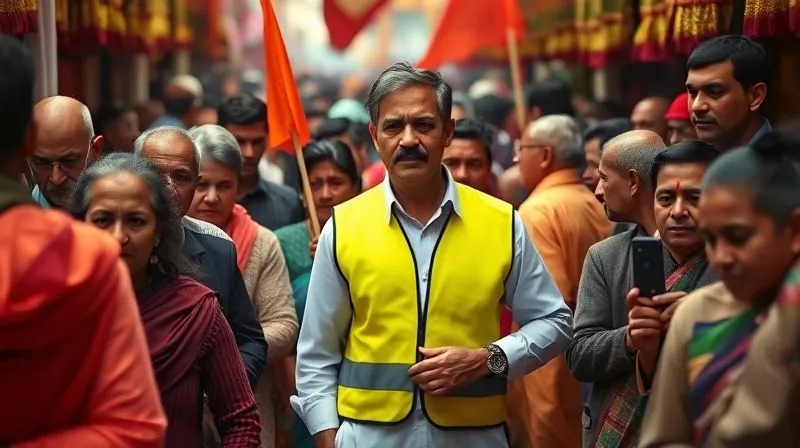
On arrival, reinforce the safety protocols. Designate a 'buddy system' where each person is responsible for another. Set clear, easily identifiable meeting points at each location, both inside and outside the main festival area, in case of separation. I've often used a distinctive flag or brightly colored vest for group leaders to make them easily spotted in a crowd. Brief your group on the importance of moving as a cohesive unit, especially in high-density areas.
Communication is Key: Devices and Signals
In massive crowds, mobile networks can become saturated or non-existent. Relying solely on cell phones is a mistake I've seen many groups make. Consider using walkie-talkies for short-range communication within your group. Establish visual signals or unique calls for attention. For instance, a raised arm with a specific hand gesture could mean 'stop' or 'look for the leader'. Regular check-ins, even just every hour, can prevent small issues from escalating.
“In a crowd, an individual's sense of personal responsibility often diminishes. As a group leader, your role is to re-establish that collective responsibility, making each member an active participant in the group's safety narrative.” – An Experienced Festival Organizer
Emergency Preparedness: When Things Go Wrong
Despite the best planning, emergencies can happen. Your ability to respond effectively in a crisis is paramount. Knowing how to manage group safety at crowded religious festivals during an emergency can be the difference between a minor incident and a major catastrophe.
The "What If" Scenarios
Before you even leave, discuss various "what if" scenarios with your group: What if someone gets separated? What if there's a medical emergency? What if there's civil unrest? Having a pre-defined plan for each scenario reduces panic and improves response time. This includes a designated safe zone or rally point outside the immediate festival area.
First Aid and Medical Support
Ensure at least one person in your group is first-aid certified and carries a comprehensive first-aid kit. Know the location of medical tents or clinics within the festival grounds. For serious incidents, understand the local emergency medical services (EMS) system and have their numbers readily available. Consider the advice from major health authorities regarding travel, such as the CDC's Traveler's Health resources.
Steps to take during an on-site emergency:
- Stay Calm: Your composure will directly influence your group's reaction.
- Assess the Situation: Quickly determine the nature and severity of the emergency.
- Ensure Immediate Safety: Move the group to the nearest safe spot, if possible.
- Communicate: Use pre-arranged signals to alert your group. Contact local emergency services and your local liaison.
- Account for Everyone: Perform a rapid head count. Use your buddy system.
- Administer First Aid: Provide immediate care if someone is injured, while waiting for professional help.
- Document Everything: Note times, dates, locations, and details of the incident for insurance and post-event review.
Leveraging Technology for Enhanced Safety
In the digital age, technology offers powerful tools to augment traditional safety measures. Integrating these wisely can significantly improve your ability to manage group safety at crowded religious festivals.
GPS Tracking and Group Apps
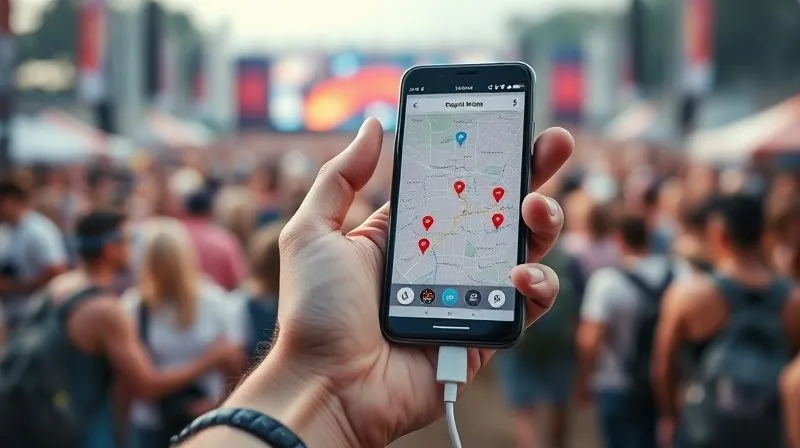
Encourage group members to download a reliable group tracking app (e.g., Google Maps' location sharing, WhatsApp's live location). While not foolproof in areas with poor signal, these can be invaluable for locating separated individuals. Ensure everyone knows how to use it and understands its limitations. For children or vulnerable adults, consider dedicated GPS trackers.
Portable Power and Connectivity
With heavy phone usage for navigation, communication, and photography, batteries drain quickly. Advise everyone to carry fully charged power banks. Also, research local SIM cards or portable Wi-Fi devices. Having a reliable connection, even if intermittent, can be a lifesaver for emergency communication or accessing critical information.
Cultural Sensitivity and Local Engagement
Safety is not just about logistics; it's also deeply intertwined with respect for local culture and building positive relationships. This is especially true when you aim to manage group safety at crowded religious festivals.
Respecting Traditions, Enhancing Security
Understanding and respecting local customs, dress codes, and religious practices can prevent misunderstandings and unnecessary attention. Brief your group on appropriate behavior, especially during sacred rituals. A culturally sensitive group is less likely to inadvertently cause offense or become a target, fostering a smoother, safer experience for everyone.
Building Relationships with Local Authorities
Whenever possible, establish contact with local police, festival organizers, or security personnel. Introduce yourself as a group leader and inquire about local safety measures, emergency procedures, and any areas to avoid. These relationships can be invaluable for gaining real-time information and receiving assistance if needed. Many regions have specific tourism police or cultural heritage protection units, as highlighted by organizations like UNESCO, who often work with local authorities to ensure safety at major cultural and religious sites.
Case Study: How Pilgrims United Tours Enhanced Safety at Varanasi
Pilgrims United Tours, a specialist in spiritual journeys, faced significant challenges managing groups at the chaotic Kashi Yatra in Varanasi. Traditional methods often resulted in members getting separated. By implementing a multi-pronged approach—pre-assigning 'buddy pairs', distributing small, loud whistles for immediate attention, and most critically, establishing direct communication lines with the local temple security and river police—they dramatically improved their safety record. Their group leaders also underwent mandatory cultural sensitivity training, which fostered goodwill and cooperation from local vendors and residents. This resulted in a 95% reduction in separation incidents over three years and significantly faster reunification times when incidents did occur, transforming a high-stress pilgrimage into a more serene experience for their clients.
Post-Festival Review: Learning and Improving
The journey doesn't end when the festival does. A critical, often overlooked step in continuous improvement is the post-festival review. This helps refine your strategies for future trips and solidifies your expertise in how to manage group safety at crowded religious festivals.
Debriefing and Feedback
Gather your group for a debriefing session. Ask for honest feedback on what worked well and what could be improved regarding safety protocols. Did the communication plan hold up? Were the meeting points effective? Were there any unforeseen challenges? Their perspectives are invaluable. Also, conduct an internal review with your leadership team, analyzing incident reports and successes.
| Question | Group Feedback | Leader Assessment |
|---|---|---|
| Were emergency protocols clear and effective? | Yes/No/Partial | Areas for Improvement/Successes |
| Was the communication plan robust in crowded areas? | Yes/No/Partial | Technology issues/Signal loss/Effective methods |
| Did the buddy system work as intended? | Yes/No/Partial | Compliance rates/Effectiveness in separation |
| Were cultural briefings adequate for the environment? | Yes/No/Partial | Areas of confusion/Positive interactions |
| What were the most unexpected safety challenges encountered? | Open Text | New risks identified/Mitigation strategies |
Special Considerations: Children, Elderly, and Individuals with Special Needs
Managing group safety at crowded religious festivals becomes even more nuanced when your group includes vulnerable individuals. These members require tailored strategies and heightened vigilance.
Tailored Strategies for Vulnerable Groups
For children, consider brightly colored clothing, child-specific GPS trackers, and a strict 'hold hands' or 'stay within arm's reach' policy. Teach them what to do if they get lost (e.g., find a woman with children, go to a specific uniform). For the elderly or those with mobility issues, plan slower paces, ensure frequent rest stops, and consider wheelchairs or mobility aids. Assign dedicated escorts for individuals with special needs, ensuring they are comfortable and their specific requirements (e.g., dietary, medical) are met. Always ensure their specific medical information is easily accessible, perhaps on a medical alert bracelet or necklace, and that designated group members are aware of it. For comprehensive general travel advice, resources like travel.state.gov provide country-specific alerts and tips.
Frequently Asked Questions (FAQ)
Q: What's the single most effective way to prevent group separation in extremely dense crowds? A: While no single method is foolproof, a combination of a strict buddy system, a highly visible group leader (e.g., with a flag or distinct clothing), and pre-arranged, easily identifiable meeting points (both immediate and distant) are your best defense. Regular headcounts and using short-range communication devices like walkie-talkies are also critical.
Q: How do I handle a medical emergency if I don't speak the local language? A: This is where pre-planning is vital. Carry laminated cards with essential medical phrases (e.g., 'I need a doctor,' 'This person has diabetes') in the local language. Have local emergency numbers handy. Ideally, have a local liaison or guide who can translate. Identify medical tents or uniformed personnel immediately. Your travel insurance provider often has a 24/7 emergency line that can provide translation assistance.
Q: Is it safe to bring young children to extremely crowded religious festivals? A: This is a decision that requires careful consideration of the specific festival, the child's temperament, and your group's preparedness. If you do bring children, ensure they are always within arm's reach, preferably in a carrier or stroller (if practical for the terrain). Bright clothing, child-specific ID tags, and GPS trackers are highly recommended. A designated 'safe adult' other than the primary parent/guardian should also be assigned to each child. Sometimes, it's safer for young children to experience such events through media or less crowded alternatives.
Q: What role does travel insurance play in group safety at these festivals? A: Travel insurance is an absolutely non-negotiable component of group safety, especially for international religious festivals. It provides a safety net for medical emergencies, emergency evacuation, trip interruption, and lost luggage. Ensure your policy covers the specific activities and destinations of your pilgrimage. Always advise group members to read the fine print and understand their coverage limits. A good resource for understanding travel insurance can be found at independent consumer advice sites or industry bodies like the U.S. Travel Insurance Association.
Q: How can I prepare my group mentally for the intensity of a crowded religious festival? A: Beyond logistical planning, mental preparation is key. Conduct pre-trip briefings that openly discuss the potential for large crowds, noise, heat, long waits, and cultural differences. Emphasize patience, flexibility, and the spiritual significance of the journey. Encourage mindfulness and stress-reduction techniques. Setting realistic expectations can significantly reduce anxiety and improve the overall experience, fostering a more cohesive and resilient group.
Key Takeaways and Final Thoughts
- Proactive Planning is Paramount: Your safety strategy begins months before departure with thorough research, risk assessment, and detailed itineraries.
- Communication is Your Lifeline: Establish clear, redundant communication channels for your group, utilizing both traditional and technological methods.
- Empower Your Group: Implement buddy systems, assign responsibilities, and ensure every member understands their role in collective safety.
- Be Prepared for the Unexpected: Develop comprehensive emergency plans for various scenarios, including medical incidents and separation.
- Embrace Cultural Sensitivity: Respect local customs and build rapport with local authorities to enhance your group's security and experience.
- Leverage Technology Wisely: Utilize GPS tracking, reliable power sources, and local connectivity to augment your safety measures.
- Learn and Adapt: A post-festival review is crucial for refining your strategies and continuously improving your ability to manage group safety at crowded religious festivals.
Navigating the spiritual intensity and logistical complexities of crowded religious festivals requires diligence, foresight, and a deep sense of responsibility. As a group leader, you are not just a guide; you are a guardian. By meticulously applying the strategies outlined in this guide, you can transform potential hazards into manageable challenges, ensuring that your group's sacred journey is not only profoundly meaningful but also wonderfully safe. Go forth, plan wisely, and lead with confidence!
Recommended Reading
- Unlock True Impact: What's the Difference Between Volunteer & Social Travel?
- Unlock Stress-Free Journeys: Your Essential Packing List for Disabled Travelers
- Unlock the Secret: How to Maintain Healthy Eating on Your Wellness Trip
- 7 Ethical Steps: How to Avoid Cultural Appropriation in Immersive Travel
- Ultimate Transcontinental Train Travel Planning Guide: Your Epic Journey Awaits!


Your email address will not be published. Required fields are marked *