

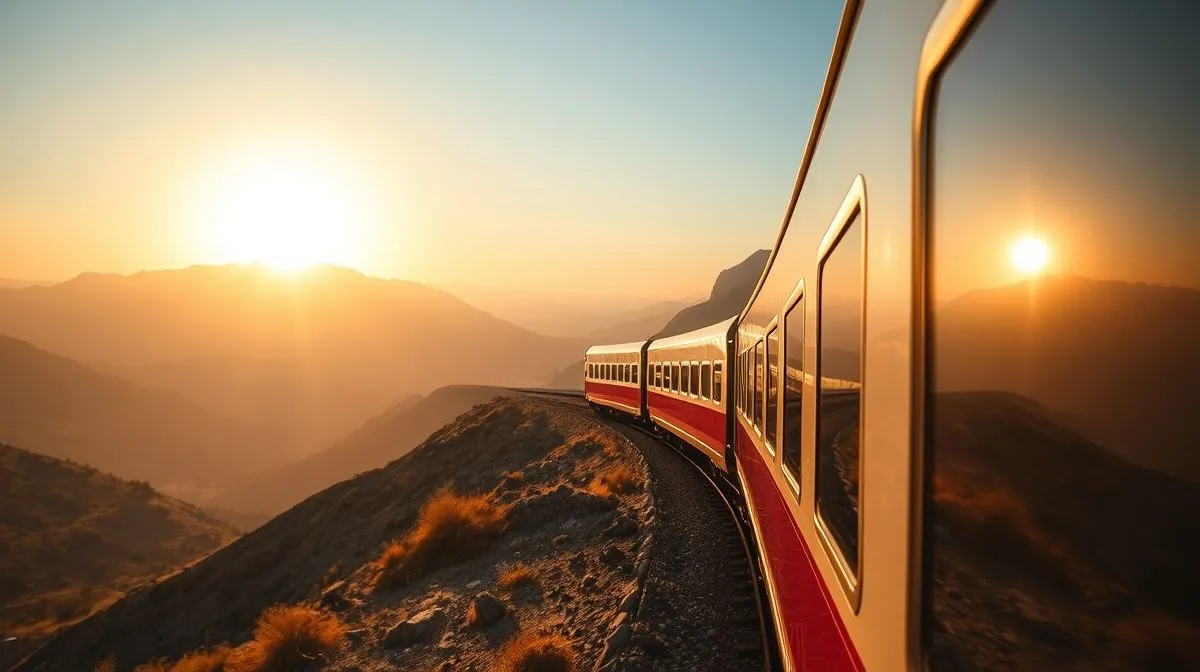
The Ultimate Transcontinental Train Travel Planning Guide
Ever gazed at a map, tracing an imaginary line from coast to coast, and wondered what it would be like to experience the vastness of a continent unfolding outside your window, all from the comfort of a train?
The sheer scale of such a journey, spanning thousands of miles and countless landscapes, can seem daunting. From choosing the right route to understanding sleeper car options and managing logistics, planning a transcontinental train trip involves numerous considerations that can overwhelm even seasoned travelers.
This comprehensive transcontinental train travel planning guide is your definitive resource. By the end of this reading, you will possess the expert knowledge and practical tips needed to plan, book, and enjoy an unforgettable cross-country rail adventure, turning your dream journey into a magnificent reality.
Choosing Your Transcontinental Route: North America, Europe & Beyond
The first step in any epic rail journey is selecting your route. Transcontinental train travel offers diverse experiences depending on the continent and specific lines you choose. Each offers unique scenery, cultural insights, and operational styles.
Understanding the differences between the major routes will significantly influence your experience. Consider the time of year, the landscapes you wish to see, and the overall duration of your trip.
Iconic North American Journeys
North America boasts some of the most celebrated long-distance train routes. These journeys offer unparalleled views of diverse landscapes, from deserts and mountains to prairies and coastlines.
- Amtrak's California Zephyr (USA): Often cited as one of the most scenic train routes in North America, it traverses the Rockies and Sierra Nevadas between Chicago and Emeryville (San Francisco). This journey is famous for its panoramic views and observation cars.
- Amtrak's Empire Builder (USA): Connecting Chicago to Seattle/Portland, this route offers stunning views of the northern plains, Glacier National Park, and the Pacific Northwest. It's a journey rich in natural beauty.
- VIA Rail Canada's The Canadian (Canada): This legendary route stretches from Toronto to Vancouver, offering an incredible passage through the Canadian Shield, vast prairies, and the majestic Canadian Rockies. It's a multi-day journey with exceptional service.
- Amtrak's Coast Starlight (USA): Running between Seattle and Los Angeles, this route hugs the Pacific coastline for significant stretches, offering breathtaking ocean views and glimpses of redwood forests.
For more detailed information on U.S. routes and schedules, visit the official Amtrak website. For Canadian routes, VIA Rail Canada's website is your go-to resource.
Exploring European Connections
While Europe doesn't have a single 'transcontinental' route in the same vein as North America due to its smaller landmass and extensive rail network, you can certainly piece together incredible cross-country journeys.
- Eurail/Interrail Passes: These passes offer flexible travel across multiple European countries, allowing you to design your own trans-European adventure. You can travel from Lisbon to Istanbul, or from the Arctic Circle to the Mediterranean, experiencing diverse cultures and landscapes.
- High-Speed Rail Networks: Europe is renowned for its efficient high-speed trains (e.g., TGV, ICE, Eurostar). These allow rapid connections between major cities, making it possible to cover vast distances quickly.
- Night Trains: For longer distances, overnight trains provide a comfortable way to travel while you sleep, saving on accommodation costs and maximizing sightseeing time during the day.
Planning a multi-country European rail trip often involves understanding complex ticketing systems and regional operators. However, resources like the Eurail website simplify the process for non-European residents.
Budgeting for Your Rail Adventure: Costs & Savings
A transcontinental train journey can be an investment, but careful planning can help manage costs. Understanding the various components of your budget is crucial for a smooth and stress-free trip.
The primary expenses include tickets, accommodation (if you opt for sleeper cars), food, and any excursions or activities planned during stops.
Understanding Ticket Classes
Train tickets typically come in several classes, each offering different levels of comfort and amenities:
- Coach Class: The most economical option, offering comfortable reclining seats, often with ample legroom. Ideal for budget travelers or shorter segments of a long journey.
- Business/First Class: Provides more spacious seating, complimentary meals or snacks, and sometimes access to lounges.
- Sleeper Cars (Roomette, Bedroom, Suite): These private accommodations are a significant upgrade, offering beds, privacy, and often included meals. A Roomette is compact, suitable for one or two, while a Bedroom offers more space, an in-room toilet, and shower access. Suites combine multiple bedrooms.
The cost difference between coach and a sleeper car can be substantial, often tripling or quadrupling the price, but many find the comfort and privacy worth the investment for long journeys.
Food and Onboard Expenses
Dining options vary by train and class. On many long-distance routes, a dining car offers full meals, often included for sleeper car passengers. There might also be a café car for lighter fare, snacks, and beverages.
- Dining Car: Offers hot meals, often with a set menu. Reservations are usually required for dinner.
- Café Car: Provides grab-and-go options like sandwiches, salads, snacks, and drinks.
- Bringing Your Own Food: To save money, consider packing a cooler with drinks, snacks, and even some simple meals. This is a common and highly recommended strategy for long train trips.
Factor in a daily budget for incidentals, souvenirs, or any special treats you might want to purchase onboard or during station stops.
Smart Booking Strategies
Booking your tickets wisely can lead to significant savings:
- Book in Advance: Train tickets, especially for sleeper cars, often increase in price as the departure date approaches and as capacity fills up. Booking several months ahead can secure better rates.
- Off-Season Travel: Traveling during the shoulder seasons (spring or fall) or the off-season (winter) can result in lower fares and fewer crowds compared to peak summer travel.
- Flexible Passes: For multi-leg or multi-country journeys (especially in Europe), rail passes like Eurail or Interrail can offer better value than individual point-to-point tickets.
- Membership Discounts: Check if you qualify for any discounts through associations (e.g., AAA, AARP) or student IDs.
Packing Smart for Long-Haul Train Travel: Essentials & Comfort
Packing for a transcontinental train journey is different from flying. You'll have more flexibility with luggage, but smart packing ensures comfort and convenience throughout your trip.
The goal is to have everything you need within easy reach, without cluttering your personal space, especially if you're in coach or a compact roomette.
Luggage Considerations
Most trains allow more generous luggage allowances than airlines. You can often check larger bags and carry on smaller ones for immediate access.
- Checked Luggage: Utilize this for items you won't need frequently, like extra clothing or bulky items. Ensure it's clearly labeled.
- Carry-on Bag: This is your lifeline. Pack essentials for the first 24-48 hours, including toiletries, a change of clothes, medications, and valuables.
- Day Pack/Personal Item: Keep this small bag with you at your seat or in your roomette. It should contain your entertainment, snacks, water bottle, headphones, and any immediate necessities.
Personal Comfort Items
Comfort is key on long journeys. These items will significantly enhance your experience:
- Travel Pillow and Blanket: Even if you have a sleeper, a personal pillow can provide extra comfort. A small blanket is great for napping in coach or for added warmth.
- Noise-Canceling Headphones: Essential for blocking out ambient train sounds or conversations, allowing you to relax, read, or sleep.
- Eye Mask and Earplugs: Perfect for light sleepers or for creating a dark, quiet environment at any time of day.
- Comfortable Clothing: Layers are best. Think soft fabrics, easy-to-move-in clothes. Pack a pair of slippers or comfortable slip-on shoes for walking around the train.
- Personal Toiletries: Even if showers are available in sleeper cars, having your favorite soap, shampoo, and moisturizer makes a difference. Hand sanitizer is also a must.
Entertainment & Connectivity
While the scenery is a major draw, you'll need other forms of entertainment for downtime.
- Books and E-readers: A long train ride is the perfect opportunity to catch up on reading.
- Downloaded Movies/Shows: Wi-Fi on trains can be spotty or non-existent, so download content beforehand.
- Portable Charger/Power Bank: Outlets can be limited or shared, so a reliable power bank is invaluable for keeping your devices charged.
- Journal and Pen: Document your journey, jot down observations, and reflect on the changing landscapes.
Life Onboard: Enhancing Your Journey Experience
The train itself is part of the destination. Embracing the rhythm of train life and taking advantage of onboard amenities will elevate your transcontinental adventure.
It's about slowing down, observing, and engaging with the unique environment of a moving hotel.
Dining and Observation Cars
These cars are often the heart of the train's social life and offer incredible views.
- Dining Car: More than just a place to eat, it's a social hub where you can meet fellow travelers over a meal. Enjoy the experience of dining while the landscape glides by.
- Observation Car: Featuring large windows or even glass domes, these cars provide unparalleled panoramic views. Spend time here during daylight hours, especially through scenic sections. It's often where the most stunning photography opportunities arise.
Take advantage of these communal spaces. They offer a chance to stretch your legs, enjoy a change of scenery from your seat, and engage with the diverse group of people traveling alongside you.
Station Stops and Sightseeing
Long-distance trains make scheduled stops at various stations along the route. These stops can range from a few minutes to an hour or more.
- Stretch Your Legs: Use shorter stops to get off the train, stretch, and breathe some fresh air on the platform.
- Explore Briefly: Longer stops (e.g., for crew changes or refueling) might allow enough time to quickly step into the station building or a nearby shop. Always listen for boarding announcements and be back on board before departure.
- Observe Local Life: Even from your window, station stops offer glimpses into the local culture and daily life of the towns you pass through.
Always be mindful of the train's schedule and the conductor's instructions regarding reboarding times.
Socializing and Solitude
A train journey offers a unique blend of opportunities for both social interaction and quiet reflection.
- Meet Fellow Travelers: The dining car, observation car, and lounge areas are natural places to strike up conversations. You'll encounter fascinating people from all walks of life, often with interesting stories to share.
- Embrace Solitude: Conversely, the rhythmic sway of the train and the ever-changing scenery provide an ideal backdrop for quiet contemplation, reading, or simply watching the world go by. Find a quiet corner or return to your private space when you need a moment of peace.
The balance between these two aspects is what makes long-distance train travel so uniquely rewarding.
Navigating Logistics: Tickets, Transfers & Beyond
Efficiently managing the logistical aspects of your transcontinental train travel planning guide is key to a stress-free journey. This includes everything from booking your tickets to understanding potential delays and accessibility options.
A well-thought-out plan will prevent last-minute rushes and ensure you can fully enjoy the experience.
Booking Platforms and Tips
While you can often book directly through the train operator's website (like Amtrak or VIA Rail), sometimes third-party aggregators can offer different perspectives or package deals.
- Direct Booking: Generally recommended for the best prices and direct customer service, especially for complex routes or sleeper car bookings.
- Travel Agents: For very complex itineraries, particularly those involving multiple train lines or countries, a specialized rail travel agent can be invaluable.
- Seat Selection: If possible, select your seats in advance. For scenic routes, consider which side of the train will offer the best views during daylight hours.
Connecting Journeys and Layover Planning
Many transcontinental trips involve multiple segments or connections. Plan these carefully:
- Allow Ample Connection Time: Do not schedule tight connections. Trains can experience delays, so leave at least 2-3 hours (or more for international transfers) between trains to account for unforeseen circumstances.
- Overnight Stays: For very long journeys, consider breaking up the trip with an overnight stay in a city of interest. This allows you to explore a new place and recharge before continuing your rail adventure.
- Intermodal Connections: Plan how you will get to and from train stations, especially in large cities. Research local public transport, taxi services, or ride-sharing options in advance.
Accessibility and Special Needs
Train travel can be a good option for travelers with accessibility needs, but it requires prior planning.
- Notify the Operator: Inform the train company in advance if you require assistance with boarding, specific seating arrangements, or space for mobility aids.
- Accessible Accommodations: Many long-distance trains offer accessible seating and sleeper car options. Inquire about these when booking.
- Medications and Medical Devices: Keep essential medications and any necessary medical devices readily accessible in your carry-on bag.
According to a report by the Rail Passengers Association, accessibility improvements are continually being integrated into long-distance rail services, making them more inclusive for all travelers.
Common Pitfalls and How to Avoid Them
Even with the best planning, unforeseen issues can arise. Being aware of common pitfalls can help you navigate them smoothly and maintain the joy of your journey.
Anticipating potential challenges allows you to build resilience and flexibility into your travel plans.
Over-packing
While luggage allowances are generous, over-packing can make navigating train aisles and storing your bags cumbersome, especially in smaller accommodations like a roomette.
- Solution: Pack light, focus on versatile clothing, and utilize the 'carry-on' and 'personal item' strategy discussed earlier. Remember, you can always do laundry at a longer stop if needed.
Underestimating Delays
Unlike air travel, train schedules can be more susceptible to delays due to track maintenance, freight train traffic, or unforeseen events. This is especially true for long-distance routes that share tracks with freight lines.
- Solution: Build buffer time into your itinerary, especially for connections. Don't plan critical appointments immediately after your scheduled arrival. Embrace the slower pace and see delays as an opportunity to relax or observe more.
Not Researching Routes Thoroughly
Assuming all routes offer the same level of comfort or scenic beauty can lead to disappointment.
- Solution: Research specific train lines, read reviews, and look at photos or videos of the scenery along your chosen route. Understand the amenities offered on your specific train, as these can vary even within the same operator.
Making Memories: Photography and Journaling on the Rails
A transcontinental train journey is a treasure trove of moments waiting to be captured. From the ever-changing landscapes to the unique interactions with fellow passengers, documenting your experience enhances the memory and allows you to relive the adventure later.
These practices add another layer of richness to your travel experience, transforming observations into lasting keepsakes.
Capturing the Scenery
The train window offers a dynamic frame for photography. The moving perspective provides unique challenges and opportunities.
- Window Shots: Experiment with different angles and compositions through the window. Be mindful of reflections.
- Observation Car: This is often the best place for unobstructed views. Arrive early to secure a good spot, especially during scenic sections.
- Golden Hour: Dawn and dusk provide the most magical light for landscape photography. Set an alarm to catch these moments.
- Video: Short video clips can effectively capture the movement and scale of the landscapes.
Journaling Your Journey
A travel journal is a powerful tool for preserving thoughts, feelings, and details that photos alone cannot convey.
- Daily Entries: Jot down observations about the scenery, conversations with fellow travelers, and your personal reflections.
- Sensory Details: Describe the sounds of the train, the smell of the dining car, the taste of a meal, and the feeling of the train's motion.
- Sketches/Doodles: Even if you're not an artist, simple sketches can add a unique personal touch to your journal.
These personal records become invaluable mementos, allowing you to return to the heart of your transcontinental train travel experience long after the journey has ended.
Frequently Asked Questions (FAQ)
Is transcontinental train travel safe? Yes, train travel is generally considered a very safe mode of transportation. Operators adhere to strict safety regulations, and security measures are in place.
Can I shower on a transcontinental train? If you book a sleeper car (like a bedroom or suite), it often includes access to a private or shared shower facility. Coach passengers typically do not have access to showers.
What's the best time of year for a cross-country train trip? Spring and fall (shoulder seasons) often offer pleasant weather, fewer crowds, and beautiful scenery (e.g., fall foliage, spring blossoms). Summer is popular but can be crowded and hot. Winter offers unique snowy landscapes but some routes might have weather-related delays.
Is Wi-Fi available on transcontinental trains? Wi-Fi availability varies greatly by train operator and route. While some trains offer Wi-Fi, it can often be slow, unreliable, or only available in certain cars. It's best to assume limited connectivity and prepare offline entertainment.
Can I bring my own food and drinks on the train? Yes, most train operators allow passengers to bring their own food and non-alcoholic beverages onboard. This is a great way to save money and ensure you have your preferred snacks and drinks.
Recommended Reading
- Glamping Outdoor Kitchen Setup Ideas: Create Your Dream Campsite!
- The Ultimate Guide: How to Prepare for a Luxury Overnight Train Journey
- Unlock True Impact: What's the Difference Between Volunteer & Social Travel?
- The Ultimate Guide: How to Plan Your Multi-Park National Park Road Trip
- Unlock Cheap Train Travel: How to Journey Without a Rail Pass!
Conclusion
Embarking on a transcontinental train journey is more than just a mode of transport; it's an immersive experience, a moving meditation through the heart of a continent. This transcontinental train travel planning guide has aimed to equip you with the knowledge to navigate the complexities, anticipate the joys, and maximize every moment of your adventure.
From choosing your ideal route and mastering the art of packing to understanding onboard life and budgeting wisely, you now possess the tools to plan an unforgettable rail odyssey. So, choose your destination, pack your bags, and prepare to witness the world unfold outside your window, one scenic mile at a time. Your epic journey awaits!


Your email address will not be published. Required fields are marked *