

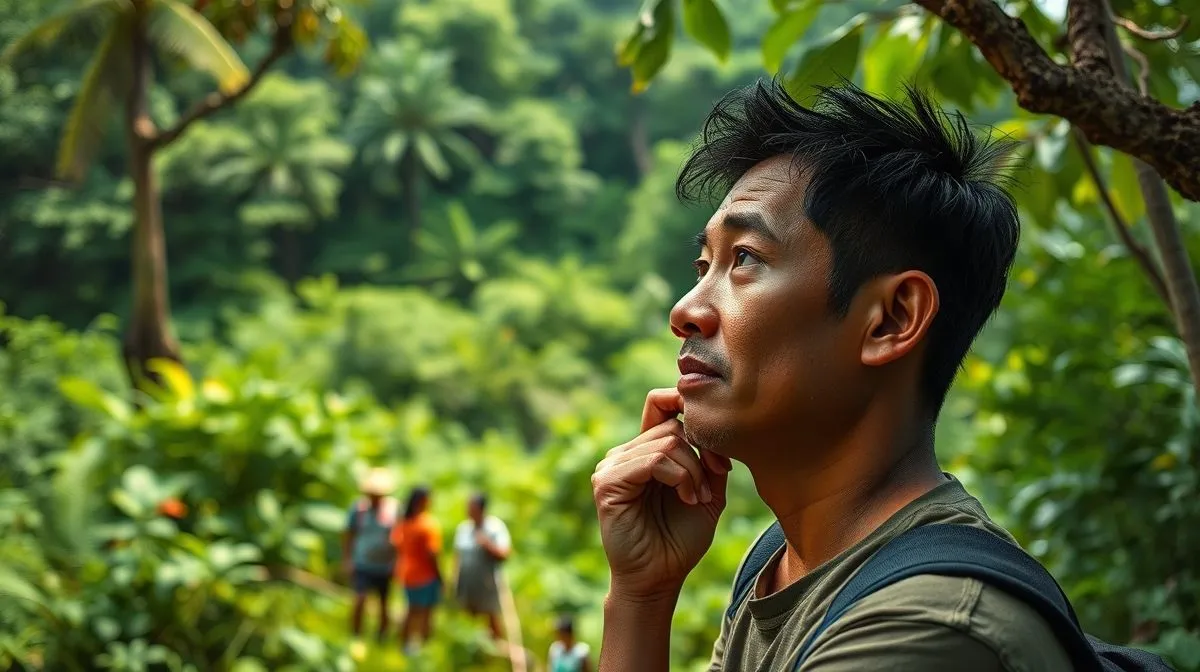
Unlocking Profound Insights: How to Gain Sustainability Learning from Eco-Trips
Have you ever returned from a journey feeling refreshed but also with a nagging sense that something was missing? Perhaps a deeper connection, a more profound understanding of the places you visited, or a tangible contribution to their well-being? Traditional tourism often leaves us as mere spectators, skimming the surface of cultures and environments without truly engaging with their intricate realities.
The challenge for the modern traveler lies in reconciling the desire for exploration with the growing awareness of our environmental footprint. How can we move beyond simply visiting a destination to truly understanding its ecological challenges, its cultural resilience, and the critical importance of sustainable practices? The question isn't just about minimizing harm, but actively fostering positive impact.
This comprehensive guide will illuminate precisely how to gain sustainability learning from eco-trips, transforming your adventures into powerful educational experiences. You'll discover actionable strategies, essential principles, and inspiring examples that will empower you to become a more conscious traveler and a more effective advocate for our planet.
What Defines an Eco-Trip for Deep Learning?
Not all trips marketed as 'eco' deliver genuine sustainability learning. A true eco-trip is much more than just visiting a beautiful natural site; it's an immersive experience designed to foster environmental awareness, cultural respect, and economic benefits for local communities. It's about active participation and thoughtful engagement.
Beyond Greenwashing: True Eco-Tourism Principles
Genuine eco-tourism adheres to strict principles that differentiate it from superficial 'greenwashing'. It prioritizes minimal environmental impact, often through small group sizes, responsible waste management, and energy conservation. Economic benefits are channeled directly to local communities, ensuring that the people who live in and protect these environments are the primary beneficiaries.
- Conservation Focus: Direct contribution to the conservation of natural and cultural heritage.
- Community Empowerment: Meaningful involvement and equitable benefits for local communities.
- Educational Component: Providing visitors with an understanding of local environmental and cultural issues.
- Minimal Impact: Operating in a way that minimizes physical, social, behavioral, and psychological impacts.
- Cultural Respect: Building respect for local culture and traditions.
According to the UN World Tourism Organization (UNWTO), sustainable tourism should take full account of its current and future economic, social and environmental impacts, addressing the needs of visitors, the industry, the environment and host communities. This holistic view is crucial for genuine sustainability learning.
The Experiential Learning Advantage
The power of eco-trips for sustainability learning lies in their experiential nature. Unlike reading about climate change or biodiversity loss in a textbook, witnessing these issues firsthand, interacting with those directly affected, and participating in solutions creates a profound and lasting impact. This hands-on involvement fosters a deeper understanding and emotional connection.
- Direct Observation: Seeing the effects of deforestation or plastic pollution in person.
- Active Participation: Engaging in reforestation, marine clean-ups, or wildlife monitoring.
- Sensory Engagement: Smelling the rainforest, feeling the ocean currents, hearing indigenous languages.
- Problem-Solving: Working alongside experts and communities on real-world sustainability challenges.
As noted by educational psychologists like David Kolb, experiential learning is a powerful process where knowledge is created through the transformation of experience. This principle is at the heart of how to gain sustainability learning from eco-trips effectively.
Preparing for Your Sustainable Learning Journey
Effective sustainability learning doesn't just happen; it requires thoughtful preparation. By laying the groundwork before you depart, you maximize your potential for deep engagement and meaningful insights.
Researching Authentic Eco-Operators
The first step is to identify tour operators genuinely committed to sustainability. Look beyond appealing brochures and delve into their practices. Seek out companies with transparent policies, third-party certifications, and positive reviews specifically mentioning their ethical and environmental commitments.
- Certifications: Look for certifications from reputable bodies like the Global Sustainable Tourism Council (GSTC).
- Community Reviews: Check independent travel forums and review sites for feedback on their local impact.
- Transparency: A good operator will openly share how they support local economies and conservation efforts.
- Small Group Sizes: Often indicative of a commitment to minimizing impact and fostering deeper experiences.
Avoid operators that offer activities clearly detrimental to wildlife (e.g., elephant riding) or that segregate tourists from local life. True eco-tourism integrates visitors into the local fabric.
Setting Personal Learning Objectives
Before you go, consider what specific aspects of sustainability you wish to explore. Are you passionate about marine conservation, indigenous rights, renewable energy, or sustainable agriculture? Having clear objectives will help you focus your observations and questions during the trip.
- Define Your Focus: E.g., 'I want to understand sustainable coffee farming practices.'
- Formulate Questions: 'How do local communities balance economic development with environmental protection?'
- Pre-Trip Reading: Familiarize yourself with the region's environmental challenges and successes.
This intentional approach transforms a vacation into a targeted learning expedition, enhancing your ability to gain sustainability learning from eco-trips.
Packing Smart and Mindfully
Your packing choices can significantly reduce your environmental footprint. Opt for reusable items, minimize single-use plastics, and choose durable, versatile clothing. Consider supporting local economies by purchasing essentials upon arrival, rather than bringing everything from home.
- Reusable Water Bottle & Filter: Essential for avoiding plastic waste.
- Solid Toiletries: Reduce plastic packaging and liquid restrictions.
- Eco-Friendly Sunscreen: Protects marine ecosystems from harmful chemicals.
- Minimalist Wardrobe: Less luggage means less fuel consumption.
Every item you choose to bring or not bring contributes to the overall sustainability of your journey. Being a conscious consumer starts even before you leave home.
Immersive Strategies for On-Trip Sustainability Education
Once you're on your eco-trip, the real learning begins. Active engagement and an open mind are key to absorbing the profound lessons that these experiences offer.
Engaging with Local Communities and Indigenous Knowledge
The most profound sustainability insights often come from those who live closest to the land. Seek out opportunities to interact respectfully with local and indigenous communities. Listen to their stories, learn about their traditional ecological knowledge, and understand their perspectives on conservation and development.
- Participate in Cultural Exchanges: Attend local workshops, cooking classes, or storytelling sessions.
- Ask Thoughtful Questions: Show genuine interest in their way of life and relationship with nature.
- Support Local Enterprises: Purchase goods and services directly from community members.
These interactions provide invaluable context to environmental issues, revealing the social and cultural dimensions of sustainability that are often overlooked in theoretical discussions. Recognising the deep connection between cultural preservation and environmental health is vital.
Participating in Conservation Efforts
Many eco-trips offer hands-on opportunities to contribute to conservation. Whether it's planting trees, monitoring wildlife, or assisting in marine clean-ups, these activities provide practical skills and a tangible sense of making a difference. This direct involvement solidifies your understanding of conservation challenges and solutions.
- Volunteer Days: Join organized activities with local conservation groups.
- Citizen Science: Contribute to data collection for environmental research.
- Skill-Building: Learn about reforestation techniques, species identification, or waste management systems.
Such experiences not only deepen your knowledge but also foster a sense of ownership and responsibility for the planet. They are crucial for those wondering how to gain sustainability learning from eco-trips in a practical sense.
Observing Ecosystems and Biodiversity First-Hand
Spend time observing the natural environment with an educated guide or local expert. Learn about the intricate relationships within ecosystems, the role of keystone species, and the impacts of human activity. This direct observation brings theoretical concepts to life.
- Guided Nature Walks: Learn about local flora and fauna, their medicinal uses, or ecological roles.
- Wildlife Tracking: Understand animal behavior and habitat requirements.
- Underwater Exploration: Witness the complexity and fragility of coral reefs or marine life.
Seeing a delicate ecosystem thriving, or conversely, witnessing the visible signs of environmental degradation, creates a powerful, unforgettable lesson that transcends any lecture or documentary.
Understanding Supply Chains and Local Economies
Sustainability extends beyond environmental protection to economic justice. Take time to understand how local products are made, where your food comes from, and how tourism revenue impacts the local economy. Visit local markets, farms, and artisan workshops.
- Farm Visits: Learn about organic farming, permaculture, or traditional agricultural methods.
- Artisan Workshops: Understand sustainable material sourcing and fair trade practices.
- Local Markets: Observe food systems, waste management, and community commerce.
This insight helps you appreciate the interconnectedness of economic activity and environmental health, reinforcing the idea that sustainable living is a holistic concept.
Transforming Insights into Action Post-Trip
The true measure of sustainability learning from eco-trips isn't just what you absorb during the journey, but how you integrate that knowledge into your daily life and become an agent of change.
Reflecting and Documenting Your Learning
Upon returning, take time to process your experiences. Journaling, photo essays, or creating a blog can help solidify your insights and make them shareable. Reflect on how your perspectives have shifted and what specific actions you feel inspired to take.
- Journaling: Document observations, feelings, and new understandings.
- Sharing Stories: Tell friends and family about your experiences and lessons learned.
- Creating Content: Use photos or videos to illustrate your sustainability journey.
This reflective process is critical for moving from mere observation to deep, internalized learning. It's how temporary experiences become permanent shifts in worldview.
Implementing Sustainable Practices at Home
Apply the lessons learned on your eco-trip to your home life. This could involve reducing your energy consumption, composting, supporting local and ethical businesses, or advocating for policy changes in your community. Small changes, collectively, create significant impact.
- Reduce Waste: Adopt a zero-waste mindset inspired by efficient local practices.
- Conserve Resources: Implement water and energy-saving habits learned from resource-scarce regions.
- Support Ethical Consumption: Prioritize products from fair trade and sustainable sources.
The journey of sustainability doesn't end when you unpack your bags; it's a continuous process of learning and adapting.
Advocating for Change and Inspiring Others
Your eco-trip experiences can make you a powerful advocate for sustainability. Share your insights, educate others, and support organizations working towards a more sustainable future. Inspire your network to travel more consciously and engage with environmental issues.
- Speak Up: Share your knowledge with friends, family, and colleagues.
- Support Causes: Donate to or volunteer for environmental and community organizations.
- Influence Policy: Engage in local or national advocacy for sustainable practices.
By becoming a voice for sustainability, you amplify the impact of your personal learning journey, extending the reach of how to gain sustainability learning from eco-trips beyond your own experiences.
Common Pitfalls to Avoid on Your Eco-Learning Path
Even with the best intentions, travelers can fall into traps that diminish the potential for genuine sustainability learning. Awareness of these pitfalls is the first step to avoiding them.
The "Tourist Trap" Mentality
Some travelers, even on eco-trips, can inadvertently maintain a superficial 'tourist' mindset, expecting entertainment rather than education. This can lead to passive observation without critical engagement or genuine interaction.
- Avoid Isolation: Don't stick solely to tourist enclaves; venture into local areas respectfully.
- Challenge Assumptions: Be open to having your preconceived notions about a place or culture challenged.
- Seek Depth: Prioritize experiences that offer insights over mere photo opportunities.
True learning requires an active, humble, and curious approach, moving beyond the consumerist model of travel.
Overlooking Local Nuances
Sustainability solutions are rarely one-size-fits-all. What works in one ecosystem or culture may not be appropriate elsewhere. A pitfall is to apply universal solutions without understanding local ecological and socio-economic contexts.
- Listen More Than You Speak: Allow local experts and community members to guide your understanding.
- Avoid Imposing Solutions: Recognize that communities often have their own effective, traditional methods.
- Appreciate Complexity: Understand that sustainability issues are multifaceted and interconnected.
Genuine learning involves respecting local wisdom and understanding the unique challenges and opportunities of each region.
Disconnecting Learning from Daily Life
The most significant pitfall is failing to integrate the lessons learned into your post-trip life. If the insights gained on an eco-trip remain confined to the vacation bubble, their long-term impact is severely limited.
- Regular Reflection: Continuously revisit your trip experiences and their relevance to your daily choices.
- Set Actionable Goals: Translate broad insights into specific, achievable changes at home.
- Stay Connected: Follow the organizations or communities you visited; continue to support their work.
The aim is for your eco-trip to be a catalyst for a lifelong journey of sustainable living, not just an isolated event.
Case Studies: Real-World Examples of Sustainability Learning
To illustrate the profound impact of eco-trips, let's explore a few hypothetical but representative scenarios where travelers have successfully integrated sustainability learning into their journeys.
Rainforest Conservation in Costa Rica
Imagine a traveler joining a community-led eco-lodge in the Osa Peninsula, Costa Rica. Instead of just zip-lining, they participate in daily rainforest patrols with local rangers, learning about illegal logging and wildlife trafficking. They help collect data on spider monkey populations and learn about the medicinal properties of plants from an indigenous guide. This direct engagement fosters a deep understanding of biodiversity and the challenges of protecting it, illustrating how to gain sustainability learning from eco-trips through active participation.
Marine Ecosystems in the Maldives
Consider a diver visiting a remote Maldivian island. Beyond enjoying the reefs, they spend time with marine biologists, assisting in coral reef restoration projects, identifying fish species for research, and learning about the devastating impact of plastic pollution on the ocean. They witness firsthand the fragility of these ecosystems and the urgent need for conservation, inspiring a commitment to reduce their plastic consumption back home.
Desert Farming in Morocco
Picture a traveler in Morocco's Atlas Mountains staying with a Berber family. They learn ancient techniques of water conservation, participate in traditional farming practices that thrive in arid conditions, and understand the community's sustainable use of natural resources. This experience provides practical insights into resilient agriculture and the value of indigenous knowledge in adapting to climate change.
The Long-Term Impact of Eco-Trips on Personal Sustainability
The ripple effects of a well-executed eco-trip extend far beyond the immediate experience. They shape worldviews, inspire action, and foster a lifelong commitment to the planet.
Fostering a Lifelong Commitment to the Planet
By immersing yourself in sustainable practices and witnessing environmental challenges firsthand, eco-trips can ignite a passion for conservation that lasts a lifetime. You become an informed advocate, driven by personal experience rather than abstract concepts. This profound shift is a key outcome of learning how to gain sustainability learning from eco-trips.
Building a Global Network of Conscious Travelers
Eco-trips often connect you with like-minded individuals, local experts, and passionate conservationists. This creates a valuable network of conscious travelers and environmental stewards, fostering collaboration and shared purpose in the ongoing effort for a more sustainable world.
Frequently Asked Questions (FAQ)
Is eco-tourism just for environmental activists? Absolutely not! Eco-tourism is for anyone curious about the world and willing to learn. While activists might find it particularly appealing, its educational nature makes it valuable for travelers of all backgrounds and interests.
How can I find truly sustainable eco-trips? Look for operators with reputable third-party certifications (like GSTC), transparent practices regarding local community benefits and environmental impact, and positive reviews from other conscious travelers. Research is key!
What's the difference between eco-tourism and responsible tourism? Eco-tourism specifically focuses on responsible travel to natural areas that conserves the environment and improves the well-being of local people. Responsible tourism is a broader concept, meaning tourism that creates better places for people to live in and better places to visit. Eco-tourism is a subset of responsible tourism.
Can short eco-trips still offer significant learning? Yes, even short, well-planned eco-trips can offer significant learning. The key is intentional engagement: setting learning objectives, participating actively, and reflecting on your experiences, regardless of duration.
How do I ensure my money benefits local communities? Choose locally owned accommodations and tour operators, buy directly from local artisans and markets, and avoid large, international chains that may not reinvest profits locally. Ask questions about how your money supports the community.
Recommended Reading
- The Ultimate Guide: How to Avoid Museum Fatigue on Your Cultural Trip
- Ultimate Transcontinental Train Travel Planning Guide: Your Epic Journey Awaits!
- The Ultimate Guide: How to Find Legitimate Volunteer Abroad Programs
- Best Time for Caribbean Ocean Cruises? Unveiling the Perfect Season
- The Ethical Safari Secret: How to Choose a Wildlife Adventure That Protects Animals
Conclusion
Embarking on an eco-trip is much more than a vacation; it's an investment in your personal growth and a tangible contribution to a healthier planet. By consciously choosing to gain sustainability learning from eco-trips, you transform yourself from a passive observer into an active participant in global conservation efforts.
The immersive experiences, direct interactions, and profound insights gained on these journeys empower you to live more sustainably, advocate for environmental protection, and inspire others to join the movement. Let your next adventure be a catalyst for change, a journey that not only broadens your horizons but also deepens your commitment to a more sustainable and equitable world for all.





Your email address will not be published. Required fields are marked *