

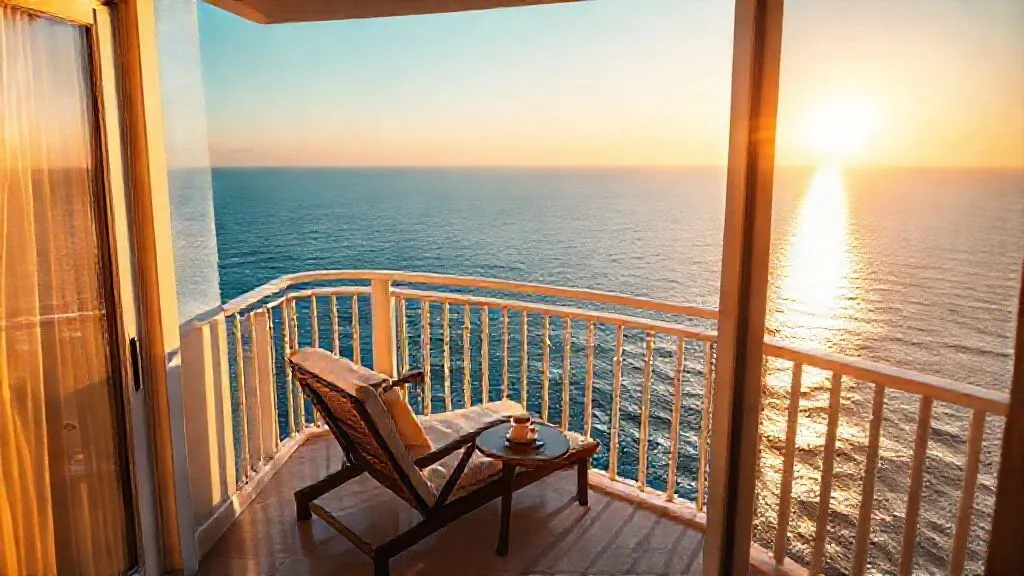
How to Guarantee Clients Best Unobstructed Ocean View Rooms?
For over 20 years in the luxury beach travel sector, I've witnessed the sheer delight of clients stepping onto a balcony to a breathtaking, panoramic ocean view. But I've also seen the crushing disappointment when that 'ocean view' turns out to be a sliver of blue between palm trees, or worse, a direct sightline into the neighboring resort's service area. This isn't just a minor inconvenience; it's a breach of expectation that can erode trust and tarnish an otherwise perfect vacation experience.
The problem is pervasive: hotel descriptions can be vague, online photos misleading, and the nuances of room categories often lost in translation. Clients pay a premium for that iconic view, and when they don't get it, the ripple effect on their satisfaction – and your reputation as a travel professional – can be significant. It’s a pain point I’ve heard countless times: 'How can I truly guarantee my clients the best, unobstructed ocean view rooms?'
This comprehensive guide is designed to empower you with the expert strategies, insider knowledge, and actionable frameworks I've refined over decades. We'll move beyond generic booking advice to explore the intricate layers of resort planning, direct communication, and proactive measures that will not only guarantee clients best unobstructed ocean view rooms but also elevate their entire travel experience. Prepare to transform client expectations into guaranteed reality, ensuring every ocean view is as spectacular as they dreamed.
The Core Challenge: Understanding "Ocean View" Nuances
The term "ocean view" is one of the most broadly interpreted phrases in hospitality. It can mean anything from a direct, sweeping vista to a distant glimpse seen only if you crane your neck from a specific corner of the balcony. As professionals, our first step in guaranteeing client satisfaction is to dismantle this ambiguity.
Decoding Resort Terminology
Resorts use a lexicon of terms, each with a subtle but critical distinction. Understanding these is paramount:
- Oceanfront: This is the gold standard. It typically means the room directly faces the ocean with nothing between your balcony and the water except perhaps a beach or a pool deck.
- Ocean View: As discussed, this is the most ambiguous. It simply implies you can see the ocean from some point in the room or balcony. The degree of view can vary wildly.
- Partial Ocean View: A step down from "ocean view," indicating a limited sightline, often requiring you to look past other buildings, foliage, or resort infrastructure.
- Bay View/Harbor View: While beautiful, these are distinct from open ocean views and should never be confused.
- Pool View with Ocean Glimpse: Often an upgrade from a garden view, but still not the direct ocean experience many clients seek.
I've learned that you can never assume. Always dig deeper into what these terms truly signify for a specific property. A 'deluxe ocean view' at one resort might be an 'oceanfront' at another.
The Hidden Obstacles to a Perfect View
Beyond terminology, physical obstructions are the silent killers of a dream view. These can include:
- Foliage: Lush tropical landscaping is beautiful, but growing trees can obscure lower-floor views.
- Architectural Elements: Pillars, rooflines of adjacent buildings, or even decorative elements of the resort itself can block sightlines.
- Infrastructure: Service roads, parking lots, generator units, or even other resort buildings can lie between a room and the ocean.
- Temporary Obstructions: Construction on a neighboring property, temporary event setups, or even parked boats in a harbor.
"In my experience, the single biggest mistake travel professionals make is not verifying the true nature of an 'ocean view' beyond the brochure. Absolute clarity is your greatest asset in client satisfaction." – Industry Veteran's Insight
To truly guarantee clients best unobstructed ocean view rooms, you must become an expert in deciphering these layers of information and potential pitfalls.
Strategy 1: The Power of Pre-Booking and Room Category Mastery
The earliest bird often gets the best worm, and in luxury beach travel, the best worms are those prime oceanfront rooms. Early booking is not just about securing availability; it's about securing choice.
Understanding Room Inventory and Allocation
Most resorts operate on a tiered pricing and allocation system. The most desirable rooms – those with truly unobstructed views – are often a finite resource. They are typically the first to be booked and the last to be discounted. Booking far in advance gives you access to the full spectrum of available rooms, allowing you to select the absolute best.
Here’s how to leverage early booking:
- Identify Peak Seasons: Research when the resort or destination experiences its highest demand. Booking 9-12 months out for these periods is often essential.
- Study Room Categories in Depth: Don't just read the name. Scrutinize floor plans, square footage, specific amenities, and crucially, their physical location on the property map.
- Prioritize "Oceanfront" or "Direct Ocean View" Categories: If a truly unobstructed view is the primary goal, these are the categories to target. Be prepared for the associated premium.
- Understand View Orientation: Does the room face east for sunrise, west for sunset, or south for all-day sun? This can impact the 'best' view for your client.
According to a recent Deloitte Hospitality Report, customer experience is paramount, and personalized room selection significantly boosts satisfaction scores. This underscores the importance of this proactive approach.
Strategy 2: Leveraging Technology and Virtual Tours for Transparency
In the digital age, relying solely on static photos is a disservice to your clients and yourself. Modern technology offers powerful tools to visualize and verify views.
Beyond the Brochure: Diving into Digital Assets
Many high-end resorts now offer sophisticated digital resources:
- 360-Degree Virtual Tours: Look for tours that allow you to virtually "stand" on the balcony of specific room types. This is invaluable for assessing sightlines and potential obstructions.
- Drone Footage: Some resorts provide aerial footage that clearly shows the property layout and the relative position of different buildings to the ocean.
- Interactive Property Maps: These maps often allow you to click on specific buildings or even room blocks to see their orientation and proximity to the ocean.
- User-Generated Content: While official sources are primary, don't shy away from cross-referencing with platforms like TripAdvisor or Instagram. Search for specific room numbers or hashtags to find real-world photos and videos from past guests.
I find that combining official virtual tours with candid guest photos gives me the most accurate picture. It’s about triangulating information to build a robust understanding.
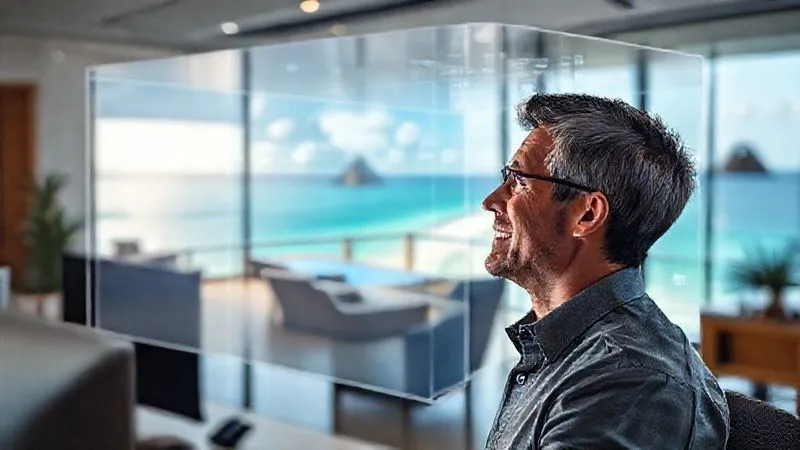
When you can confidently tell a client, "I've virtually stood on the balcony of room 305, and the view to the west is completely clear," that builds immense trust and helps to guarantee clients best unobstructed ocean view rooms.
Strategy 3: Direct Communication and Building Relationships with Property Staff
Technology is powerful, but human connection remains irreplaceable. Building rapport with key personnel at your preferred resorts is a game-changer.
The Value of a Personal Connection
Hotel sales managers, reservations staff, and even general managers often have intimate knowledge of their property's inventory. They know which rooms are truly exceptional and which might have a slight caveat.
My approach involves:
- Establish a Relationship: Reach out to the resort's sales team or your dedicated travel agent liaison. Introduce yourself and your agency.
- Ask Specific Questions: Instead of asking "Does this room have an ocean view?" ask "From the balcony of Room 412, is there any obstruction to the direct ocean view, specifically looking towards the north and south?"
- Request Specific Room Numbers or Blocks: Once you've identified ideal rooms through research, request them by number. While not always guaranteed, a specific request from a trusted partner carries more weight than a generic one.
- Follow Up: A polite follow-up call or email a few weeks before arrival can reconfirm requests and remind staff of your client's priority.
As Seth Godin, the renowned marketing guru, often emphasizes, building relationships creates leverage and mutual value, which extends perfectly to securing premium travel experiences.
Case Study: The Grand Riviera Resort's "View Concierge" Program
I once had a client who was particularly discerning about their ocean view for a milestone anniversary trip to The Grand Riviera Resort. Despite booking an "Oceanfront Suite," I wanted to ensure it was truly the best. Leveraging my long-standing relationship with Maria, the resort's sales manager, I learned about their internal "View Concierge" program – an unofficial system where specific staff members are tasked with knowing the exact view from every single room.
Through Maria, I was connected to Carlos, the View Concierge. I provided Carlos with my client's exact preferences: unobstructed, panoramic view, preferably higher floor, facing the sunset. Carlos, armed with an internal map and detailed notes, recommended Suite 703, a corner unit that wasn't explicitly listed as a premium category but offered superior angles due to the building's unique architecture. He even sent me a short video taken from the actual balcony just days before. This direct, human-to-human verification, enabled by a strong relationship, allowed me to confidently guarantee the client the best possible view, resulting in an unforgettable anniversary and a glowing testimonial.
Strategy 4: The Art of Room Request and Negotiation
A room request is more than a note in a booking system; it's a carefully crafted communication designed to convey specific needs and expectations.
Crafting an Effective Room Request
Your room request should be polite, clear, and comprehensive. Avoid vague terms. Here’s a template I often use:
"Dear Reservations Team,
Regarding reservation # [Client Booking Ref] for [Client Names], arrival [Date], departure [Date].
We have reserved a [Specific Room Category, e.g., 'Luxury Oceanfront Suite']. Our clients' absolute priority is a truly unobstructed, panoramic ocean view. We kindly request a room on a higher floor (e.g., 4th floor or above) with no visual impediments from trees, other buildings, or resort infrastructure, preferably facing [e.g., west for sunset views]. Specific room numbers like [e.g., 405, 507, 609] would be ideal if available and meet these criteria.
We understand specific room numbers cannot always be guaranteed, but any effort to fulfill this crucial request would be greatly appreciated to ensure our clients have the exceptional experience they anticipate.
Thank you for your attention to this detail."
| Action Step | Benefit for View | Key Consideration |
|---|---|---|
| Book Early | Access to prime inventory | Popularity of destination/season |
| Leverage Virtual Tours | Visual verification of sightlines | Accuracy and recency of content |
| Contact Resort Directly | Insider room knowledge | Building a personal relationship |
| Submit Detailed Request | Clear communication of needs | Specific room numbers, floor levels |
| Understand Layouts | Avoidance of known obstructions | Sun path, building orientation |
| Confirm Guarantee Policy | Client protection | Resort's specific terms and conditions |
The Subtle Art of Follow-up and Negotiation
Negotiation isn't always about price; it's often about value and preference. If your initial request isn't fully met, there's room for polite negotiation:
- Reiterate the Importance: Gently remind the resort how crucial an unobstructed view is for your client's experience.
- Offer Flexibility (If Possible): "If room 507 isn't available, are there any other similar higher-floor options with a guaranteed unobstructed view towards the ocean?"
- Highlight Client Loyalty: If your clients are returning guests or loyal to a specific brand, mention this.
- Consider a Paid Upgrade: Sometimes, the cost of a guaranteed view is a small, worthwhile investment for client satisfaction.
Never underestimate the power of clear, consistent communication and a professional, respectful approach when trying to guarantee clients best unobstructed ocean view rooms.
Strategy 5: Understanding Resort Layouts and Sun Paths
A truly expert travel advisor understands not just the rooms, but the entire ecosystem of the resort and its natural surroundings.
Beyond the Room: The Property's Blueprint
Before booking, take time to study the resort's physical layout:
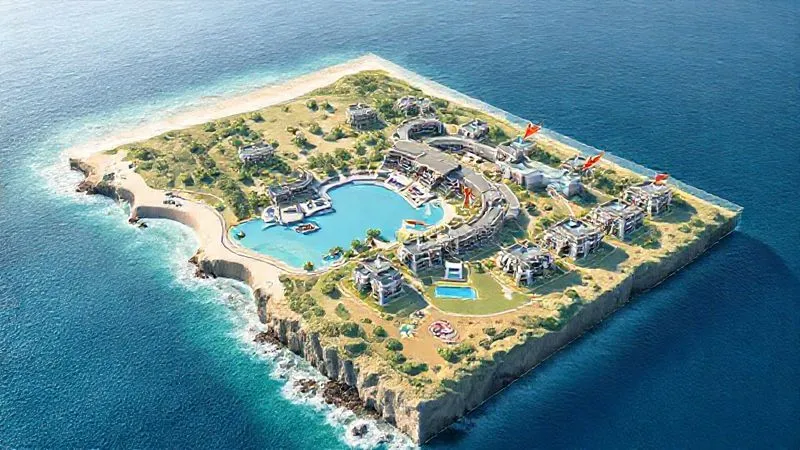
- Building Orientation: Which way do the buildings face? A hotel that runs parallel to the coastline will have more direct ocean-facing rooms than one that is perpendicular.
- Terrain and Elevation: Is the resort built on a flat beach, or terraced up a hillside? Hillside resorts often offer stunning elevated views, but lower floors might be obstructed by the terrain itself or other buildings.
- Neighboring Properties: Are there other resorts, residential buildings, or commercial structures nearby that could obstruct views or create noise? Use satellite maps (like Google Earth) to get an aerial perspective.
- Natural Features: Are there large rock formations, peninsulas, or dense forests that might block views from certain angles?
The Impact of the Sun: Morning vs. Evening Views
The time of day significantly impacts the quality and experience of an ocean view:
- East-Facing Rooms: Ideal for spectacular sunrises over the ocean. Can be very bright in the morning.
- West-Facing Rooms: Perfect for sunset views. Can experience strong afternoon sun, which some clients might find too hot or bright.
- South-Facing Rooms (Northern Hemisphere): Often get consistent sun exposure throughout the day.
- North-Facing Rooms (Northern Hemisphere): Generally shadier, offering cooler temperatures and indirect light, which can be great for photography but might lack direct sunlight.
Discuss these preferences with your clients. Some might prioritize a dramatic sunset, while others prefer a shaded balcony for reading throughout the day. This level of detail elevates your service and helps to guarantee clients best unobstructed ocean view rooms that align with their specific desires.
Strategy 6: The "Guarantee" Clause and Contingency Planning
Even with meticulous planning, unforeseen circumstances can arise. Having a clear understanding of guarantee policies and contingency plans is crucial.
Decoding Resort Policies and Guarantees
Some high-end resorts offer explicit "view guarantees" for their premium categories. These might state that if a booked oceanfront room does not deliver the promised unobstructed view, the guest is entitled to a specific remedy, such as:
- A move to an equivalent or upgraded room.
- A partial refund for the view component of the room.
- Resort credits.
Always review the terms and conditions of your booking, especially for high-value rooms. If a resort offers a specific view guarantee, ensure it's documented in your booking confirmation. If not, inquire directly about their policy for view discrepancies.
For further insights into protecting your clients, resources from professional organizations like the American Society of Travel Advisors (ASTA) often provide best practices for consumer protection in travel.
Proactive Contingency Planning
What happens if, despite all your efforts, the client arrives and the view is compromised? Having a backup plan demonstrates your professionalism:
- Pre-identify Alternative Rooms: During your research, note down a few other room numbers or blocks that offer excellent, potentially unobstructed views, even if they're in a slightly different category.
- Inform the Resort: If you anticipate an issue (e.g., you hear about nearby construction), proactively alert the resort and discuss alternative arrangements before your client arrives.
- Empower Your Client: Provide them with your direct contact and instruct them to immediately contact the front desk (and then you) if the view is not as expected.
- Prepare for Advocacy: Be ready to advocate on your client's behalf. Having direct contacts at the resort, as discussed in Strategy 3, is invaluable here.
This forward-thinking approach transforms potential problems into opportunities to showcase your exceptional client service and solidify trust.
Strategy 7: Post-Arrival Verification and Client Advocacy
Your job isn't done until your client is happily settled. Post-arrival follow-up is the final, critical step.
The Critical First Impression
Encourage your clients to evaluate their room and view immediately upon check-in. The sooner any discrepancy is identified, the easier it is to rectify. Instruct them to take photos or videos if they believe the view is not as promised.
As their travel advisor, I always send a discreet message shortly after they've checked in:
"Hello [Client Name]! I hope your journey was smooth and you're settling in beautifully at [Resort Name]. Do let me know your initial thoughts on the room and, of course, that spectacular ocean view we worked so hard to secure!"
This open-ended question invites feedback and provides an immediate channel for communication if there's an issue.
Your Role as Client Advocate
If a problem arises, your role shifts to that of a proactive advocate:
- Gather Information: Get a clear understanding from your client about the specific issue.
- Contact the Resort Directly: Bypass generic customer service lines and reach out to your established contacts (sales manager, reservations manager, front office manager).
- Present Your Case: Refer back to your detailed room request and any specific guarantees or conversations you had.
- Seek Resolution: Work with the resort to find an acceptable solution, whether it's a room change, an upgrade, or other compensation.
The ability to effectively troubleshoot and resolve issues post-arrival is a hallmark of an expert travel professional. It reinforces that you are not just a booking agent, but a dedicated partner in their travel experience, deeply committed to ensuring they receive the best unobstructed ocean view rooms possible.
Frequently Asked Questions (FAQ)
Question? Is "partial ocean view" ever worth it, and how can I assess if it's right for my client?
Answer: "Partial ocean view" can absolutely be worth it, especially if budget is a consideration or if the client prioritizes other room features (e.g., a larger suite, specific amenities) over a full panoramic view. To assess its suitability, I recommend using all the strategies discussed: scrutinize virtual tours, look at user-generated photos for that specific room category, and most importantly, have a very candid conversation with your client. Ask them: 'Are you comfortable with a view where you might need to step onto the balcony and look to the side to see the ocean, or would you prefer to pay more for a direct, head-on view?' Sometimes, a well-situated partial ocean view can offer a pleasant glimpse without the premium price, but transparency is key.
Question? How far in advance should I book to guarantee clients best unobstructed ocean view rooms, especially for popular destinations?
Answer: For truly prime, unobstructed ocean view rooms in popular destinations or during peak seasons (holidays, school breaks, special events), I strongly advise booking 9 to 12 months in advance, and sometimes even 18 months for ultra-luxury, limited-inventory properties. This window provides the best chance to secure specific room categories, and often, specific room numbers. For less popular times or destinations, 6-8 months can suffice, but earlier is always better when a guaranteed, unobstructed view is the top priority.
Question? What if the promised view is obstructed on arrival, despite all my verification efforts?
Answer: This is where your contingency planning and client advocacy come into play. First, instruct your client to immediately document the obstruction with photos/videos and contact the front desk politely but firmly. Simultaneously, you should contact your direct resort liaison (sales manager, front office manager). Present your detailed room request and any prior communications confirming the view. Advocate strongly for a resolution: a room change to an equivalent or upgraded room with the promised view, a partial refund, or significant resort credits. Your professional relationship with the resort will be crucial here.
Question? Are top floor rooms always the best for unobstructed ocean views?
Answer: Not always, surprisingly! While higher floors generally reduce obstructions from foliage or lower buildings, they can sometimes introduce new ones, such as rooflines of adjacent structures, elevator shafts, or even decorative architectural elements on the resort's own roof. Also, some resorts are designed with lower-level, direct beach access rooms that offer incredibly immersive views right onto the sand and waves. It really depends on the specific resort's architecture, elevation, and layout. Always combine floor level preference with a thorough review of the resort map and virtual tours.
Question? How can I confirm a specific room number for my clients?
Answer: Confirming a specific room number is challenging and rarely 100% guaranteed by resorts due to operational needs (maintenance, last-minute changes, previous guest extensions). However, you can significantly increase the likelihood. First, book a room category that explicitly states or implies a specific location (e.g., 'Corner Oceanfront Suite 3rd Floor'). Second, submit a very detailed room request, referencing specific room numbers identified through your research, and reiterate its importance. Third, follow up directly with your resort contact a few weeks before arrival to re-emphasize the request. While it's still a request, not a guarantee, these steps make it a high priority for the resort's allocation team.
Key Takeaways and Final Thoughts
- Master Terminology: Differentiate between "ocean view," "oceanfront," and "partial view" with precision for each property.
- Leverage Technology: Utilize virtual tours, drone footage, and interactive maps to visually verify views.
- Build Relationships: Cultivate direct contacts with resort staff for insider knowledge and stronger advocacy.
- Craft Detailed Requests: Go beyond generic notes; specify floor levels, orientations, and even room numbers.
- Understand Layouts: Analyze resort architecture, terrain, and sun paths to anticipate view quality.
- Plan for Contingencies: Know the resort's guarantee policies and have a backup plan for unexpected issues.
- Be a Proactive Advocate: Follow up post-arrival and be ready to resolve any discrepancies swiftly and effectively.
In the competitive world of luxury travel, your ability to consistently deliver on client expectations, especially for something as coveted as an unobstructed ocean view, sets you apart. By implementing these expert strategies, you're not just booking a room; you're curating an experience, ensuring every sunrise and sunset over the water is as breathtaking as your clients envisioned. Trust me, the extra effort in mastering how to guarantee clients best unobstructed ocean view rooms will pay dividends in client loyalty and glowing referrals. Go forth and create unforgettable, crystal-clear views!
Recommended Reading
- 7 Steps: Measure Eco-Tourism's Direct Conservation Impact Accurately
- Solo Female Travel Safety: 10 Ways to Prevent & Respond to Harassment
- Unmasking Hidden Costs: 7 Surprising Fees in All-Inclusive Island Packages
- 8 Expert Strategies: Minimizing Luxury Safari Tent Wear in Harsh Climates
- 7 Ways to Maximize Urban Park Visits on Short City Breaks




Your email address will not be published. Required fields are marked *