

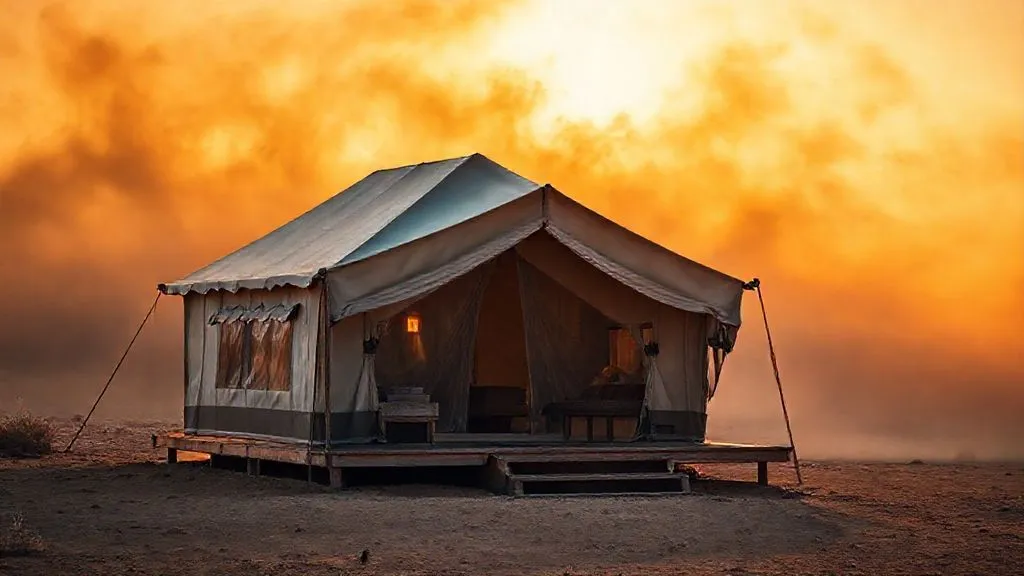
Minimizing Wear and Tear on Luxury Safari Tents in Harsh Climates?
Having spent over two decades navigating the intricate world of luxury glamping and safari operations, I've witnessed first-hand the breathtaking beauty of a well-maintained safari tent standing proud against the elements, and tragically, the rapid decay of a neglected one. This isn't just about aesthetics; it's about safeguarding a significant investment, preserving guest experience, and maintaining the integrity of your brand.
The allure of luxury safari tents lies in their ability to blend seamlessly with nature, offering an immersive yet comfortable experience. However, this very proximity to the wild exposes them to some of the most formidable environmental challenges imaginable – relentless sun, torrential rains, abrasive winds, and extreme temperature fluctuations. Left unchecked, these forces can quickly degrade even the highest quality materials, leading to costly repairs, premature replacement, and operational downtime.
In this definitive guide, I'll share the actionable frameworks, expert insights, and proven strategies I've developed and refined over the years to ensure your luxury safari tents not only survive but thrive in harsh climates. We'll delve into everything from material science and site selection to proactive maintenance and staff training, providing you with a robust toolkit for Minimizing wear and tear on luxury safari tents in harsh climates, ensuring their longevity and preserving their unparalleled charm.
Understanding the Enemy: Climate Challenges for Luxury Tents
Before we can protect our investments, we must first understand the specific threats posed by harsh climates. These aren't just general 'bad weather' conditions; they are specific, relentless forces that attack different components of a safari tent in distinct ways.
UV Radiation: The Silent Killer
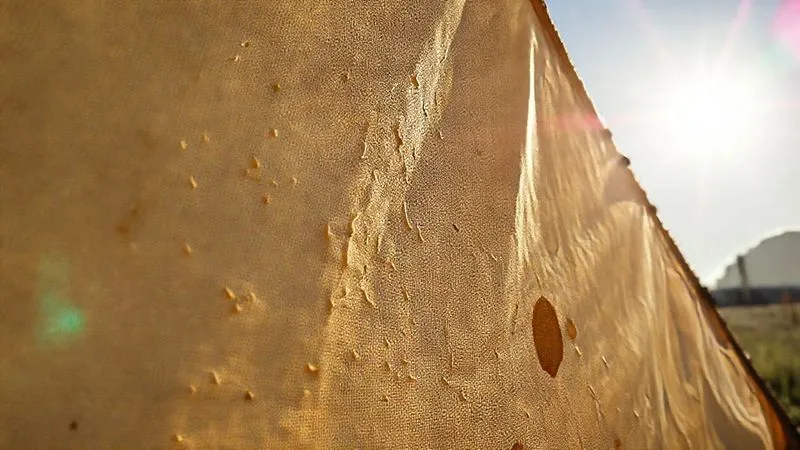
The sun, while vital for life, is a formidable enemy to textiles and plastics. Intense ultraviolet (UV) radiation breaks down polymer chains in fabrics, causing them to lose strength, elasticity, and color. This leads to brittleness, tearing, and fading, significantly reducing the lifespan of your tent's canvas.
Wind Stress and Structural Integrity
High winds exert immense pressure on tent structures, testing every seam, anchor point, and frame component. Constant flapping and buffeting cause abrasive wear, particularly at stress points. Furthermore, sustained strong winds can lead to catastrophic structural failure if the tent is not adequately designed and anchored.
Moisture, Humidity, and Mold
Whether it's heavy rain, morning dew, or persistent high humidity, moisture is a breeding ground for mildew and mold. These not only cause unsightly stains and unpleasant odors but also actively degrade fabric fibers, weakening the material and compromising its waterproof properties. In tropical climates, this battle is constant.
Temperature Extremes: Expansion and Contraction
Significant swings between hot days and cold nights cause materials like metals and fabrics to expand and contract. Over time, this constant thermal cycling can weaken structural joints, loosen fasteners, and stress fabric coatings, leading to micro-cracks and material fatigue.
Strategic Site Selection: Foundation of Longevity
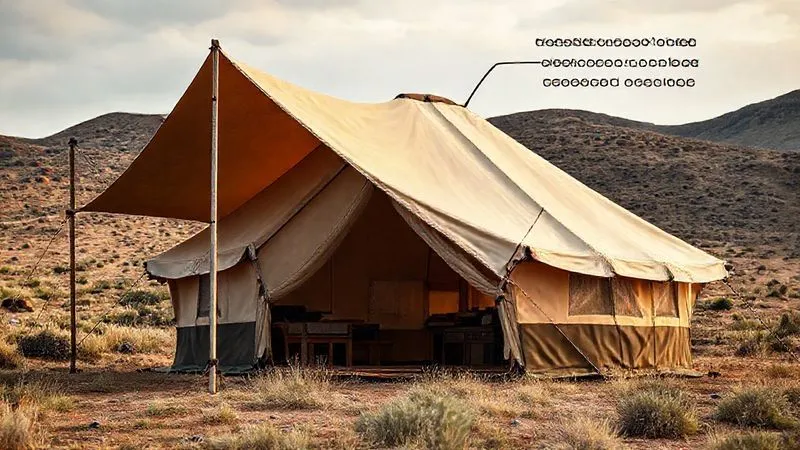
The very first step in Minimizing wear and tear on luxury safari tents in harsh climates begins long before the first pole is erected: choosing the right location. This decision alone can shave years off or add years to your tent's life.
When I consult on new glamping projects, I always emphasize a thorough site analysis. Look for natural windbreaks like hills or dense tree lines. Avoid exposed ridges or valleys that act as wind tunnels. Consider sun exposure – can you orient tents to minimize direct, prolonged UV exposure during peak hours, perhaps utilizing natural shade?
Drainage is equally critical. Tents should be placed on slightly elevated ground to prevent water pooling around the base during heavy rains. Proper runoff channels or French drains can redirect water away, keeping tent foundations dry and preventing hydrostatic pressure against the base, which can lead to leaks and foundation instability.
Case Study: How The Oasis Retreat Reduced Tent Degradation
The Oasis Retreat, a luxury glamping resort I advised in a particularly arid and windy region of the Middle East, initially struggled with rapid tent degradation. Their first few tents, placed aesthetically on an open, picturesque dune, suffered severe wind damage and UV-induced fabric breakdown within two years. By implementing a strategic relocation, moving new tents behind a natural rock formation that acted as a windbreak and incorporating elevated, permeable decking for better airflow and drainage, they saw a dramatic improvement. The average lifespan of their tents increased by an estimated 40%, and maintenance costs for wind and UV damage plummeted by 60% within the first three years of the repositioning strategy. This resulted in significant long-term savings and enhanced guest satisfaction.
In my experience, the initial investment in comprehensive site analysis and thoughtful placement pays dividends ten-fold over the lifetime of your luxury safari tents. It's the ultimate preventative measure.
Material Matters: Choosing the Right Canvas and Components
The quality and type of materials used in your luxury safari tent are paramount. This isn't an area to cut corners, especially when operating in challenging environments.
For canvas, I generally recommend high-grade poly-cotton blends that are specifically treated for UV resistance, waterproofing, and anti-fungal properties. While 100% cotton canvas offers breathability, it can be more susceptible to mold and UV degradation without rigorous treatment. Conversely, fully synthetic materials like PVC-coated polyester offer superior weather resistance but can compromise breathability and the traditional aesthetic.
Frame materials are also crucial. Galvanized steel offers exceptional strength and corrosion resistance, ideal for high-wind areas. Anodized aluminum frames, while lighter, are also highly corrosion-resistant and suitable for remote locations where transport weight is a factor. Always ensure all fasteners, ropes, and connectors are marine-grade stainless steel or similarly robust, weather-resistant materials.
According to textile engineering experts, the longevity of outdoor fabrics is directly proportional to the quality of the base fiber, the weave density, and the efficacy of applied treatments. It's not just about the initial purchase; it's about the certified performance in extreme conditions. Understanding the latest advancements in outdoor textile technology can be hugely beneficial.
| Material Type | Pros | Cons | Harsh Climate Suitability |
|---|---|---|---|
| Poly-cotton Canvas | Breathable, traditional look, strong | Heavier, prone to mildew if not treated, UV degradation over time | Good with proper treatment and maintenance |
| PVC-Coated Polyester | Highly waterproof, UV resistant, easy to clean | Less breathable, synthetic feel, can be noisy in wind | Excellent for extreme moisture and UV, but requires good ventilation |
| Galvanized Steel Frame | High strength-to-weight, corrosion resistant, durable | Can be heavy, potential for rust if coating compromised | Very Good |
| Anodized Aluminum Frame | Lightweight, naturally corrosion resistant, sleek | Lower strength than steel, can be more expensive | Good, especially for remote, transport-sensitive locations |
Advanced Weatherproofing and Sealing Techniques
Even the best materials need meticulous sealing and weatherproofing to stand up to harsh climates. This goes beyond what's done at the factory; it involves ongoing vigilance and application of specialized techniques.
Seam sealing is paramount. All stitched seams, especially on roofs and vertical panels, should be double-stitched and then heat-sealed or chemically sealed with a durable, flexible sealant. I've often seen operators apply a fresh coat of seam sealant annually as part of their preventative maintenance schedule, particularly in high-rainfall areas.
Zipper protection is another critical aspect. Exposed zippers are vulnerable to UV degradation, dust ingress, and water penetration. Utilizing storm flaps over zippers, ensuring they are heavy-duty, marine-grade, and regularly lubricated with silicone-based sprays, can significantly extend their life and maintain their functionality.
Consider external waterproof coatings. While many canvases come pre-treated, an additional, breathable waterproof and UV-resistant coating applied periodically can create an extra layer of defense. These coatings often contain UV inhibitors that reflect sunlight, further protecting the underlying fabric. It's a small investment that yields significant returns in fabric longevity.
Proactive Maintenance Routines: Your First Line of Defense
The most luxurious tent, if neglected, will quickly succumb to the elements. A rigorous, proactive maintenance schedule is non-negotiable for Minimizing wear and tear on luxury safari tents in harsh climates. Think of it as a health regimen for your tents.
- Daily Visual Inspections: Train staff to quickly scan for obvious issues like loose guy ropes, minor tears, signs of mold, or accumulated debris. Early detection prevents minor problems from escalating.
- Weekly Detailed Checks: Conduct more thorough inspections of all seams, zippers, anchor points, and frame components. Check for any signs of rust on metal parts or fraying on ropes. Clean any surface dirt or dust to prevent it from grinding into the fabric.
- Monthly Deep Cleaning: Depending on the climate, a monthly or bi-monthly deep clean of the exterior canvas is essential. Use mild, eco-friendly cleaning solutions specifically designed for tent fabrics. Avoid harsh chemicals that can strip protective coatings.
- Seasonal Treatments: Before and after peak harsh climate seasons (e.g., intense dry season, heavy rainy season), apply specialized UV protectants, waterproofing sprays, and anti-fungal treatments. This is especially important for canvas that sees direct, prolonged sun exposure.
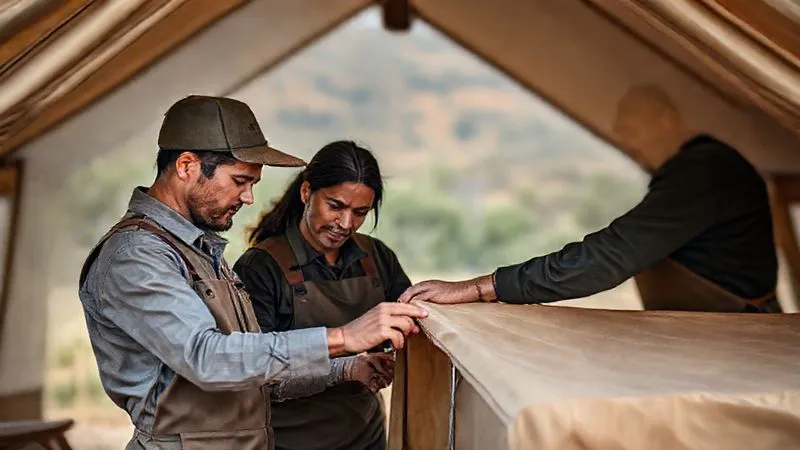
- Annual Professional Servicing: Engage professional tent maintenance specialists for a comprehensive annual inspection and servicing. They can identify subtle structural fatigues, re-tension frames, and perform specialized repairs that your in-house team might miss.
As Harvard Business Review emphasizes the power of preventive maintenance in reducing costs and extending asset life, this principle is profoundly applicable to luxury glamping operations. It's far cheaper to prevent damage than to repair or replace.
Smart Design Features for Enhanced Durability
The best luxury safari tents incorporate design elements that inherently enhance their durability in harsh conditions. When sourcing tents, look for these features.
Reinforced Stress Points: Areas where the canvas meets the frame, or where guy ropes attach, should have extra layers of fabric and robust stitching. These are the first points of failure under wind stress.
Superior Tensioning Systems: A well-designed tent will have a sophisticated system of ropes, straps, and buckles that allow for even tension across the entire canvas. This minimizes flapping, reduces abrasive wear, and helps the tent shed wind and rain effectively. Proper tension is key to its structural integrity.
Effective Ventilation: In humid or hot climates, good airflow is crucial to prevent internal condensation and mold growth. Look for multiple large mesh windows, roof vents, and even floor vents that promote cross-ventilation, even when zipped up against rain. This not only benefits the tent's longevity but also guest comfort.
Elevated Platforms: Tents erected on robust, elevated wooden or steel platforms are protected from ground moisture, rising damp, pests, and flash floods. The platform also contributes to better under-tent airflow, preventing mildew on the tent floor and base.
Protecting Against Pests and Wildlife
Harsh climates often mean abundant wildlife, and many creatures see a luxury tent as a potential home, food source, or scratching post. This can lead to significant wear and tear beyond just weather.
Implement an Integrated Pest Management (IPM) strategy. This includes regular perimeter checks for rodent activity, sealing any small gaps or openings in the tent's base or skirting, and ensuring food is never left exposed within the tents. Wire mesh can be installed discreetly around the base of platforms to deter smaller animals.
Consider non-toxic repellents around the tent perimeter for insects and certain animals, but always prioritize guest safety and environmental impact. For larger animals, ensure the tent design makes it difficult for them to rub against or access the canvas. Proper waste management away from the tents is also crucial, as it reduces attractants.
Training Your Team: The Human Element in Tent Preservation
Even with the best materials and maintenance schedules, the human element is often the most critical factor in Minimizing wear and tear on luxury safari tents in harsh climates. Your team are the eyes and hands on the ground, interacting with the tents daily.
Invest in comprehensive training for all staff involved in tent operations and maintenance. This includes:
- Proper Setup and Takedown: Incorrect pitching or dismantling can cause immediate damage and long-term structural stress.
- Cleaning Protocols: Teach the correct use of cleaning agents, avoiding abrasive tools or harsh chemicals that can damage fabrics and coatings.
- Inspection Routines: Empower staff to identify early signs of wear, damage, or potential issues and report them promptly.
- Emergency Procedures: Ensure everyone knows how to react to sudden strong winds, heavy rain, or other environmental threats to secure the tents.
- Guest Education: Equip staff to subtly educate guests on how to treat the tents, such as not leaning heavy objects against canvas walls or ensuring zippers are fully closed.
As Seth Godin often says, "Education is not the filling of a pail, but the lighting of a fire." A well-trained, engaged team is your greatest asset in preserving your luxury glamping infrastructure. Regular refresher courses and performance reviews of maintenance practices are highly recommended.
Frequently Asked Questions (FAQ)
What is the single most critical factor for extending tent life in high UV areas? While multiple factors contribute, the most critical single factor is the intrinsic UV resistance of the canvas material itself, coupled with the regular application of high-quality, breathable UV protectant coatings. Strategic site orientation to minimize direct sun exposure during peak hours also plays a huge role. It's a combination of material science and intelligent placement.
How often should I re-waterproof my safari tent? This depends heavily on the specific climate, the quality of the original waterproofing, and the tent's exposure. In extremely harsh, wet, or UV-intensive climates, I recommend re-waterproofing every 12-18 months. In milder conditions, every 2-3 years might suffice. Always perform a water test annually to assess the current repellency.
Can I repair significant tears in the canvas, or does it require replacement? Minor tears can often be professionally patched using specialized fabric repair kits and industrial-strength adhesives or stitching, ensuring the repair is waterproof and aesthetically pleasing. However, extensive tears, especially along stress lines or those compromising the tent's structural integrity, may necessitate panel replacement or, in severe cases, a new tent. Always consult with the tent manufacturer or a specialized canvas repair expert.
What are the best practices for managing mold and mildew in humid environments? Prevention is key: ensure excellent ventilation, use anti-fungal treated canvas, and maintain elevated platforms. For existing mold, use a mild, non-bleach anti-fungal cleaning solution specifically designed for tent fabrics, applied with soft brushes. Rinse thoroughly and ensure the tent is completely dry before zipping up or storing. Regular cleaning and vigilance are your best defense.
Are there eco-friendly options for tent maintenance and weatherproofing? Absolutely. Many manufacturers now offer eco-conscious canvas treatments and cleaning solutions that are biodegradable and free from harsh chemicals. Look for products certified by environmental organizations. Sustainable practices also extend to choosing durable, repairable tents that minimize waste and reduce the need for frequent replacements. The rise of sustainable glamping is a testament to this growing trend.
Key Takeaways and Final Thoughts
Minimizing wear and tear on luxury safari tents in harsh climates is not a one-time fix but an ongoing commitment. It's a blend of thoughtful planning, strategic investment, diligent maintenance, and empowered teamwork. By embracing these principles, you're not just protecting an asset; you're preserving an experience, upholding your brand's reputation, and ensuring the long-term sustainability of your glamping operation.
- Prioritize Site Selection: Leverage natural elements for protection.
- Invest in Quality Materials: Durability starts with superior canvas and frame components.
- Implement Proactive Maintenance: Regular inspections and cleaning are non-negotiable.
- Embrace Smart Design: Look for tents with built-in features for resilience.
- Empower Your Team: Well-trained staff are your best defense against degradation.
The beauty of a luxury safari tent is its harmony with nature. By understanding and respecting the forces of nature, and by applying these expert strategies, your tents will continue to offer unparalleled experiences for years to come, standing as testaments to your commitment to excellence and thoughtful stewardship. Your investment in longevity is an investment in your legacy.
Recommended Reading
- 5 Essential Strategies: Guaranteeing VIP Privacy on Luxury Yacht Cruises
- The Ultimate Guide: How to Choose the Right Culinary Tour Operator for Your Dream Trip
- Tube Smart: Essential Safety Rules for Snow Tubing Hills You MUST Know
- Elevate Luxury: 7 Ways to Integrate Railway Museums into High-End Train Tours
- Unlock Solo Wilderness Safety: Essential Eco-Exploration Tips You Need Now!

Your email address will not be published. Required fields are marked *