

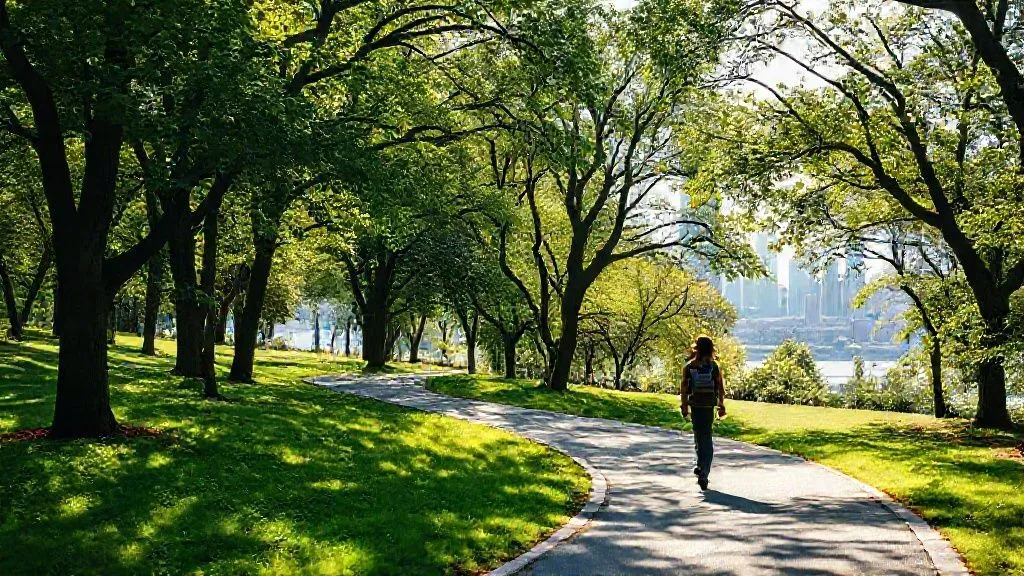
How to optimize urban park visits for short city breaks?
For over two decades in the travel industry, specializing particularly in crafting memorable city break experiences, I've observed a common lament among travelers: the desire to connect with nature, to find a patch of green tranquility amidst the urban hustle, often gets squeezed out by tight schedules and overwhelming itineraries. It's a dilemma I've faced myself countless times – how do you genuinely experience the restorative power of a city's green spaces when you only have 48 or 72 hours?
The problem isn't a lack of urban parks; most major cities boast incredible green havens. The real challenge lies in the perception that a park visit requires a significant time commitment, or that it's merely a “filler” activity. Travelers often feel pressured to tick off major landmarks, leaving little room for the unstructured joy and profound rejuvenation that urban parks offer. This often leads to either rushed, unfulfilling park experiences or, worse, skipping them altogether.
But what if I told you there's a strategic, expert-backed approach to integrate these natural sanctuaries seamlessly and effectively into even the shortest city break? In this definitive guide, I'll share my proven frameworks and insights, drawing from years of professional experience and personal exploration, on how to optimize urban park visits for short city breaks. You’ll learn to scout smarter, plan more efficiently, and engage more mindfully, transforming a potential logistical headache into one of the most enriching aspects of your trip.
The Art of Pre-Trip Park Scouting: Your Digital Reconnaissance
In my experience, the foundation of any successful city break, especially one that includes meaningful park time, is meticulous pre-trip planning. This isn't about rigid scheduling, but rather informed decision-making. Think of it as your digital reconnaissance mission: understanding the landscape before you even set foot in the city. I've seen countless travelers waste precious time wandering aimlessly, only to discover a park's best features are on the opposite side of town or require a specific entry point.
Leveraging Digital Tools for Smart Choices
The digital age has gifted us an array of powerful tools that make this scouting phase incredibly efficient. Gone are the days of poring over paper maps; now, a few clicks can reveal a wealth of information. This proactive approach ensures that your chosen park aligns perfectly with your interests and your limited timeframe.
- Utilize Google Maps & Street View: Beyond just locating parks, use Street View to virtually walk through entrances, assess the vibe, and identify key attractions like ponds, specific gardens, or notable sculptures. Look for public transport links directly to park gates.
- Consult Travel Blogs & Local Guides: Search for “best parks in [City Name] for an hour” or “hidden gems [City Name] parks.” Local blogs often provide nuanced insights that official tourism sites might miss, highlighting accessible routes or quiet spots.
- Check Park Websites & Social Media: Official park websites usually detail opening hours, facilities (restrooms, cafes), special events, and accessibility information. Social media, particularly Instagram's location tags, can offer real-time visual insights into current conditions and popular spots.
- Read Recent Reviews: Platforms like TripAdvisor or Google Reviews can reveal recent visitor experiences, including crowd levels, maintenance issues, or unexpected closures, helping you set realistic expectations.
- Assess Proximity to Other Attractions: Strategically choose parks that are either on your route between major landmarks or easily accessible from your accommodation. This minimizes transit time and maximizes exploration.
“Don't just pick a park; pick the right park for your specific city break. A few minutes of digital scouting can save you hours of precious travel time and ensure your green escape is exactly what you envisioned.”
One common mistake I've observed is travelers opting for the most famous park without considering its sheer size or the time required to truly appreciate it. For a short city break, a smaller, well-located, and perhaps lesser-known park might offer a more concentrated and fulfilling experience than attempting to traverse a massive central park in a rush.

Strategic Timing: Beating the Crowds and Embracing the Light
Timing, as they say, is everything. This holds particularly true for urban park visits on a short city break. My years of guiding travelers have taught me that the difference between a serene, memorable experience and a frustrating, crowded one often comes down to when you choose to visit. Popular urban parks can transform from tranquil havens to bustling thoroughfares within hours, especially on weekends or during peak tourist seasons.
Morning Serenity vs. Golden Hour Glow
To truly optimize your park visit, consider the rhythm of the city and the park itself. Early mornings, just after sunrise, are almost universally the best time. The air is crisp, the light is soft, and the crowds are minimal. This allows for peaceful strolls, unhurried photography, and a genuine connection with nature before the city fully awakens. Alternatively, the “golden hour” just before sunset offers stunning photographic opportunities and a different, often romantic, atmosphere as the day winds down.
Case Study: The Serene Seeker's Success
Consider the case of “The Serene Seeker,” a fictional traveler named Anya, who visited Barcelona for a 48-hour break. Instead of rushing to Park Güell mid-day with the throngs, she opted for an early morning visit to Parc de la Ciutadella. Arriving at 7 AM, she found the park nearly empty, enjoying a peaceful walk past the Arc de Triomf, the Cascada Monumental, and the lake, capturing stunning photos in the soft morning light. By 9 AM, as the crowds began to gather, she was already heading to her next destination, feeling refreshed and having genuinely experienced the park's beauty without the stress of navigating masses of people. This strategic timing allowed her to maximize her enjoyment and save valuable daytime hours for other attractions.
Avoid midday visits to major parks if possible, especially during school holidays or weekends. If your schedule only allows for a midday visit, seek out quieter, less central sections of the park or focus on specific, less popular features. For instance, rather than the main promenade, explore a botanical garden section or a secluded reading nook.
| Time Slot | Experience | Benefit for City Break |
|---|---|---|
| Early Morning (Sunrise - 9 AM) | Tranquil, fewer crowds, soft light, ideal for reflection and photography. | Refreshed start, frees up prime daytime for other attractions. |
| Mid-Morning (9 AM - 12 PM) | Moderate crowds, pleasant light, good for active exploration. | Good for families, balanced activity before lunch. |
| Midday (12 PM - 3 PM) | Peak crowds, harsher light, bustling atmosphere, can feel rushed. | Least optimal; best used for quick transit or specific, less crowded areas. |
| Late Afternoon (3 PM - Sunset) | Crowds start to thin, golden hour light, lively atmosphere. | Relaxing end to the day, beautiful for photography, can lead into evening plans. |
Remember, the goal is not just to “see” the park, but to “experience” it. And often, that experience is profoundly shaped by the time of day you choose for your visit. A well-timed visit can make all the difference in transforming a brief encounter into a lasting memory.
Curated Itineraries: Quality Over Quantity in Green Spaces
One of the biggest pitfalls I've observed with short city breaks is the temptation to try and see everything. When it comes to urban parks, this often translates into rushing through several green spaces, ultimately experiencing none of them fully. My advice, honed over years of designing efficient travel plans, is to prioritize quality over quantity. Instead of trying to tick off every park on a list, select one or two that genuinely pique your interest and dedicate focused, albeit brief, time to them.
Designing Your Micro-Adventure
A curated itinerary for your park visit means identifying what you want to gain from the experience. Are you seeking peaceful contemplation, a scenic walk, a cultural encounter, or a unique photographic opportunity? Once you define your objective, you can tailor your park choice and your activities within it. For example, if you're a photography enthusiast, focus on parks with iconic views or unique architectural features. If you're looking for peace, seek out botanical gardens or less-trafficked areas.
Here are types of activities you might integrate:
- Mindful Stroll: A slow walk, paying attention to sensory details – the rustle of leaves, the scent of flowers, the feel of the breeze.
- Picnic Pause: Grab local delicacies and enjoy an al fresco meal, even if it's just a quick sandwich on a bench.
- People-Watching: Find a comfortable spot and observe the local life unfolding around you – families playing, artists sketching, friends chatting.
- Specific Feature Focus: Dedicate your time to one specific attraction within the park, like a rose garden, a fountain, or a particular monument.
- Art & Culture Immersion: Many urban parks host outdoor sculptures, art installations, or even museums within their grounds.
I often advise clients to think of their park visit as a “micro-adventure.” It's a contained experience with a clear beginning, middle, and end. For instance, in London, instead of attempting Hyde Park and Regent's Park, choose one. If you pick Regent's Park, you might focus specifically on Queen Mary's Rose Garden, spending 45 minutes there, then enjoy a coffee by the lake before moving on. This focused approach ensures a richer, more memorable interaction with the space.
According to an article in the Journal of Environmental Psychology, even brief exposure to natural environments can significantly reduce stress and improve mood. This reinforces the idea that a short, intentional park visit can be incredibly beneficial, far more so than a rushed, unfocused one. So, be selective, be intentional, and allow yourself to truly immerse, even if just for a short while.

Mastering the Art of Efficient Exploration: Tools and Techniques
Once you've chosen your park and decided on your objective, the next challenge on a short city break is efficient exploration. This isn't about rushing, but about smart navigation and maximizing your time within the park without feeling hurried. As an industry specialist, I’ve seen that many travelers lose valuable minutes or even hours due to poor internal park navigation or simply not knowing the best way to get from point A to point B within a large green space.
Navigating with Purpose: Apps and Gear
Effective exploration begins with having the right tools and a clear strategy. Relying solely on intuition in a sprawling urban park can lead to missed opportunities or unnecessary backtracking. Modern technology, when used wisely, can be your best friend here, complementing your pre-trip scouting.
- Download Offline Maps: Before you arrive, download an offline map of the park area onto your phone. This ensures you can navigate without relying on potentially spotty Wi-Fi or draining your data. Apps like Google Maps or Maps.me allow you to save specific areas.
- Identify Key Entry/Exit Points: Know which gate you want to enter and, crucially, which one you want to exit from to seamlessly connect to your next destination or transport link. This prevents aimless wandering at the end of your visit.
- Wear Comfortable Footwear: This seems obvious, but it's often overlooked. You'll be doing a fair amount of walking, even on a short visit. Comfortable shoes are paramount to enjoying your experience and covering ground efficiently.
- Pack Light & Smart: Carry only essentials: water bottle, small camera, perhaps a light snack. A bulky bag will slow you down and detract from the experience. A small crossbody bag or a compact backpack is ideal.
- Utilize Park Signage & Information Boards: Once inside, don't ignore the physical maps and directional signs. They often highlight specific routes, points of interest, and estimated walking times, which can be invaluable for real-time adjustments to your plan.
“Efficiency in park exploration isn't about speed; it's about intelligent movement. Every step should be intentional, allowing you to absorb the beauty without the stress of being lost or behind schedule.”
I recall a client in Central Park who, despite having only an hour, tried to walk the entire perimeter. Needless to say, it was a frustrating, incomplete experience. Had they focused on a specific section, like the Bethesda Terrace and Fountain, using an identified entry and exit point, their short visit would have been far more fulfilling. As a study published by the National Recreation and Park Association highlights, access and ease of navigation are key factors in positive park experiences, especially for casual visitors.
Consider also the option of renting a bicycle if the park allows it and your time permits. Many large urban parks offer bike rentals, which can be a fantastic way to cover more ground and see diverse areas in a shorter timeframe, adding an element of fun and activity to your visit. Always check local rules and safety guidelines for cycling within the park.
Embracing the Local Vibe: Beyond the Tourist Traps
One of the most enriching aspects of travel, particularly city breaks, is experiencing a destination through the eyes of its residents. When it comes to urban parks, this means venturing beyond the heavily advertised, tourist-packed green spaces and seeking out those beloved by locals. In my two decades of travel planning, I’ve learned that these local parks often offer a more authentic glimpse into the city's soul, and crucially, tend to be less crowded, making them perfect for optimizing urban park visits for short city breaks.
Discovering Hidden Gems and Community Hubs
While iconic parks like Central Park in New York or Hyde Park in London are undeniably magnificent, their sheer size and popularity can sometimes dilute the intimate experience you might be seeking on a brief visit. Local parks, often smaller and nestled within residential neighborhoods, provide a different kind of charm. They are where families gather, friends socialize, and community events unfold – offering a genuine slice of urban life.
How do you find these hidden gems? It requires a bit more digging than just a quick Google search for “best parks.”
- Ask Locals: Strike up a conversation with your hotel concierge, a barista, or a shop owner. Ask, “Where do you go to relax in a park?” or “Which park is popular with families on weekends?”
- Explore Neighborhood Guides: Look for independent online guides or local magazines that focus on specific districts rather than the entire city. These often highlight smaller, community-focused parks.
- Observe on Public Transport: As you travel around the city, keep an eye out for green spaces that seem to be bustling with local activity, away from the main tourist routes.
- Use Niche Apps: Some cities have apps dedicated to local green spaces, or you might find community forums discussing neighborhood amenities.
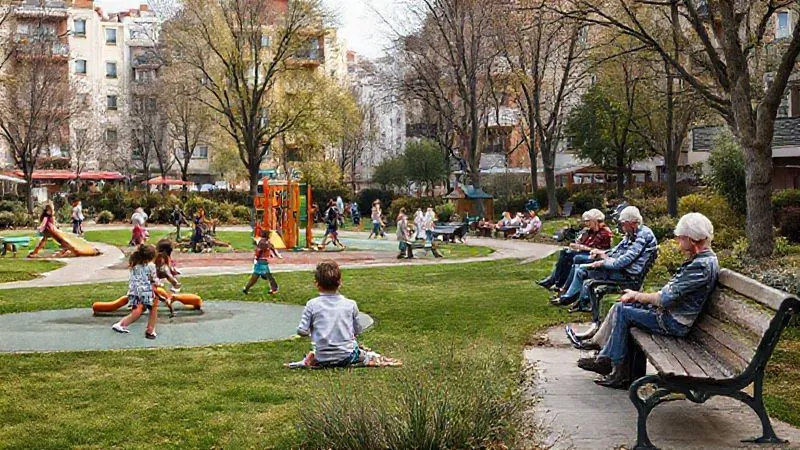
Visiting a local park allows you to witness the city's daily rhythm, observing children playing, elderly residents enjoying a quiet moment, or local artists performing. This immersion provides a deeper, more authentic connection to the destination than merely viewing famous landmarks. It transforms your park visit from a mere sightseeing stop into a genuine cultural experience.
As noted by urban planning experts, the vitality of a city is often reflected in its public spaces, and local parks are the heart of many communities. For more on the role of local green spaces in urban well-being, you can explore insights from organizations like the Project for Public Spaces, which champions community-driven public space design here. These parks are not just about greenery; they are about human connection and the pulse of city life.
Mindful Engagement: Savoring Every Moment, Briefly
In our fast-paced world, and especially on a short city break, there's a constant pressure to move, to see, to do. However, when it comes to urban park visits, true optimization isn't just about efficient logistics; it's about the quality of your presence. My philosophy, developed over countless personal and professional travel experiences, is that even a brief visit can be profoundly restorative if approached with mindfulness. It's about savoring the moment, rather than just passing through.
Practicing Presence in Nature's Embrace
Mindful engagement means consciously slowing down, even for just 15-20 minutes, and tuning into your senses. Instead of rushing from one point of interest to another, find a bench, close your eyes for a moment, and simply be. Listen to the sounds of nature – birdsong, rustling leaves – interspersed with the distant hum of the city. Notice the textures of the trees, the colors of the flowers, the feel of the sun or breeze on your skin.
This practice isn't just fluffy wellness advice; it's backed by science. Numerous studies have shown that even short periods of mindful interaction with nature can reduce stress, improve mood, and boost cognitive function. This makes it an incredibly powerful tool for recharging during a busy city break. As an expert in crafting travel experiences, I always emphasize that the goal isn't just to see places, but to feel them, to let them resonate with you.
Here are some simple mindful activities you can integrate into a short park visit:
| Activity | Description | Duration |
|---|---|---|
| Sensory Walk | Focus on one sense at a time: first sight, then sound, then smell, as you walk slowly. | 10-15 minutes |
| Mindful Breathing on a Bench | Find a quiet spot, sit comfortably, and focus on your breath for a few minutes, observing your surroundings without judgment. | 5-10 minutes |
| Nature Observation | Pick a single tree, flower, or bird and observe it closely for a few minutes, noticing its details and movements. | 5-10 minutes |
| Journaling/Reflection | Bring a small notebook and jot down your thoughts, feelings, or observations about the park and your experience. | 10-15 minutes |
Even if you only have 30 minutes, dedicating half of that time to a mindful pause can be far more beneficial than a frantic sprint through the entire park. It allows your brain to reset, offering a much-needed mental break from the intensity of urban exploration. For deeper insights into the benefits of nature and mindfulness, I highly recommend exploring the work of organizations like the Mindfulness Research Center, which provides evidence-based research on these practices here.
It's about quality of attention, not quantity of time. A short, mindful park visit can be a profound anchor in an otherwise whirlwind city break, ensuring you return home not just with photos, but with a renewed sense of well-being.
Seamless Integration: Connecting Parks to Your City Break Flow
The final, yet often overlooked, aspect of optimizing urban park visits for short city breaks is seamless integration. This means viewing your park time not as an isolated event, but as a fluid part of your overall itinerary. As an industry veteran, I've observed that logistical friction – difficulties with transportation, inconvenient locations, or poor timing – is a primary reason why park visits either get cut short or are skipped entirely. The goal is to make your green escape feel effortless, a natural progression within your day.
Logistics and Proximity: The Unsung Heroes
Strategic integration involves considering the park's location in relation to your other planned activities and your accommodation. This goes beyond just knowing where the park is; it's about understanding how it fits into the flow of your day. For instance, if you plan to visit a museum in the morning, look for a park nearby where you can enjoy a peaceful lunch or a short stroll before moving on to an afternoon activity. This minimizes travel time and maximizes your exposure to diverse experiences.
Consider these integration strategies:
- Linear Itinerary Planning: Group attractions that are geographically close, including parks. Plan a route that flows logically from one point to the next, reducing zigzagging across the city.
- Public Transport Harmony: Research the nearest metro, bus, or tram stops to your chosen park's entrance and exit points. Ensure they connect efficiently to your next destination. Many cities have excellent public transport apps that provide real-time information.
- Walking Connections: If the park is within a reasonable walking distance (15-20 minutes) of another major attraction, consider making the journey on foot. This allows you to soak in more of the city's atmosphere and discover unplanned sights along the way.
- Pre- and Post-Park Activities: Think about what you'll do immediately before and after your park visit. Can you grab a coffee at a cafe next to the park entrance? Or perhaps enjoy a meal at a restaurant conveniently located near your exit? This extends the positive experience beyond the park gates.
- Flexibility Buffer: Always build a small buffer of time into your itinerary. Even the most perfectly planned schedule can encounter unexpected delays. A 15-minute buffer before and after your park visit can absorb minor hitches without compromising your enjoyment or rushing your experience.
According to a report by the World Economic Forum on urban mobility, efficient transportation networks are crucial for enhancing visitor experiences in cities. Understanding and utilizing these networks will significantly improve your park integration. For more on smart urban travel, you can find valuable insights on urban mobility trends here.
By consciously integrating your urban park visits into the broader fabric of your city break, you transform them from isolated excursions into delightful, seamless components of your overall journey. This thoughtful approach ensures that your short city break is not only efficient but also deeply enriching and genuinely enjoyable.

Frequently Asked Questions (FAQ)
Q: Is it really worth visiting an urban park if I only have an hour or two on my city break? Absolutely! In my professional opinion, even a focused 30-60 minute visit to an urban park can be incredibly beneficial. It offers a crucial mental break from the city's intensity, a chance to reconnect with nature, and a unique perspective on local life. The key is to be intentional with your time, focusing on quality engagement rather than trying to see everything.
Q: How do I choose the “best” urban park for a short visit in a city I don't know well? Start by identifying your primary interest: peace, photography, people-watching, or a specific feature like a botanical garden. Then, use digital tools (Google Maps, local blogs, park websites) to find parks that are both easily accessible from your current itinerary and cater to your interest. Don't always go for the most famous; a smaller, well-located park might offer a more concentrated and fulfilling experience.
Q: What's the biggest mistake travelers make when trying to visit parks on a short city break? The biggest mistake I've observed is trying to do too much or being unprepared. Rushing through multiple parks, or attempting to cover a vast park in insufficient time, often leads to frustration. Lack of pre-planning regarding logistics, entry points, and what to focus on within the park also wastes precious time. Prioritize quality, plan your route, and be mindful of your time limits.
Q: Should I prioritize famous parks or local, lesser-known ones? For a short city break, I often recommend a blend, but lean towards local gems if authenticity is your goal. Famous parks offer iconic views, but local parks provide a more genuine insight into daily city life and are typically less crowded. If you only have time for one, consider what kind of experience you're truly seeking – a postcard moment or a cultural immersion.
Q: Are there any specific apps or tools you recommend for optimizing park visits? Beyond Google Maps for navigation and Street View for virtual scouting, I highly recommend downloading offline maps of the park area to save data and ensure connectivity. City-specific public transport apps are also invaluable for seamless integration. For deeper local insights, explore independent travel blogs and local community forums.
Key Takeaways and Final Thoughts
Optimizing urban park visits for short city breaks is not just about efficient travel; it's about enriching your entire journey. It's about finding those moments of peace, beauty, and authentic connection amidst the whirlwind of urban exploration. From my vantage point as a travel industry veteran, the strategies we've discussed are not theoretical; they are practical, actionable frameworks that I've seen transform countless traveler experiences.
- Pre-Trip Scouting is Paramount: Leverage digital tools to choose the right park for your interests and timeframe.
- Strategic Timing is Key: Visit early mornings or late afternoons to avoid crowds and enjoy optimal light.
- Prioritize Quality Over Quantity: Focus on a curated experience within one or two parks rather than rushing through many.
- Master Efficient Exploration: Use maps, comfortable gear, and smart navigation to maximize your time.
- Embrace the Local Vibe: Seek out community parks for an an authentic cultural experience.
- Practice Mindful Engagement: Even brief moments of presence can profoundly enhance your visit.
- Ensure Seamless Integration: Connect park visits logically with your overall itinerary and transport.
Remember, your city break, however brief, offers an opportunity for rejuvenation and discovery. By approaching urban park visits with intention and strategy, you're not just ticking off a checklist; you're crafting truly memorable moments that will linger long after you've returned home. So, go forth, explore these green havens, and let the tranquility of nature enhance your urban adventure. The city's natural heart awaits, ready to offer a moment of calm in your bustling journey.
Recommended Reading
- Wide Feet? The Best Rock Climbing Shoes for Beginners Revealed!
- How to Ensure Food Safety on International Cultural Culinary Tours: 7 Expert Tips
- Glamping Kitchen Health Codes: 7 Steps to Navigate Regulations Safely
- 7 Ways to Unlock Deep Cultural Immersion on a Tight Festival Schedule
- 5 Expert Ways to Conquer International Rail Delays & Travel Smoothly




Your email address will not be published. Required fields are marked *