

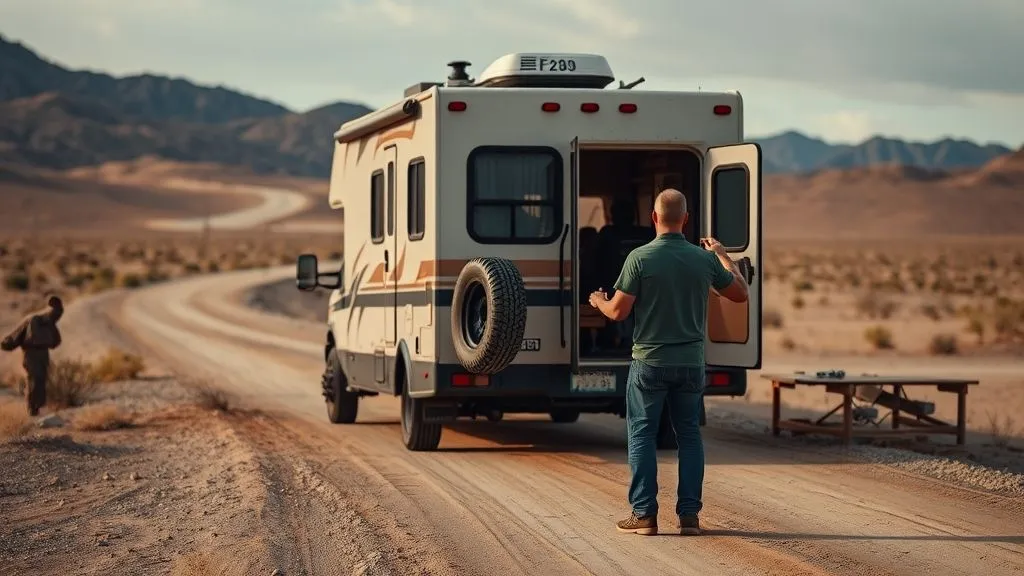
How to handle a complex RV breakdown in a remote area?
For over 15 years navigating North America's most remote byways, I've seen the raw beauty and unforgiving nature of the wilderness up close. The freedom of the open road in an RV is unparalleled, but what many seasoned travelers learn, often the hard way, is that true freedom comes with robust preparation.
The dream of wide-open spaces and untouched landscapes can quickly turn into a nightmare when your RV suffers a complex breakdown far from civilization. The isolation, lack of cell service, and the sheer scale of the problem can be overwhelming, turning a joyous adventure into a perilous ordeal.
I've distilled decades of experience into this definitive guide to equip you with the knowledge, strategies, and mindset needed to confidently answer the question: How to handle a complex RV breakdown in a remote area? We'll cover everything from immediate safety protocols to engaging professional help, ensuring you're not just surviving, but thriving, even in the most challenging situations.
1. Immediate Priorities: Safety First, Always
When the unexpected happens, especially in a remote setting, your immediate reaction can dictate the outcome. My first rule of thumb, always, is to prioritize safety for yourself, your passengers, and your rig. Panic is the enemy of good decision-making.
Secure Your Scene & Assess Danger
The moment you realize your RV is breaking down, your primary goal is to get it to the safest possible location. This often means carefully pulling over to the widest, most stable shoulder available, even if it's just a dirt patch.
- Activate Hazard Lights: Make your vehicle visible, especially on winding roads or at dusk/dawn.
- Set Up Warning Triangles/Flares: Position them at appropriate distances behind your RV to warn approaching traffic. Remember, the faster the speed limit, the further back they need to be.
- Ensure Passenger Safety: Have everyone remain inside the RV unless absolutely necessary, especially if you're near a road or wildlife.
- Scan Your Surroundings: Look for immediate dangers like unstable ground, approaching storms, or wildlife.
Initial Assessment: What's the Real Problem?
Once you're safe, take a deep breath and conduct a preliminary check. Don't rush into attempting complex repairs if you're unsure. The goal here is diagnosis, not necessarily immediate repair.
Check obvious issues first: a flat tire, an overheated engine (look for steam), a fluid leak, or a strange smell. Sometimes, what seems complex is a cascade of simpler failures. For instance, a dead battery could be the root cause of multiple electrical issues.
2. Communication is Your Lifeline: Reaching Out from Nowhere
In my experience, the single biggest challenge of a remote breakdown is the lack of communication. Cell service is a luxury you cannot count on. This is where your preparedness truly pays off.
Satellite Devices & Emergency Beacons
I cannot stress enough the importance of carrying a satellite communication device. These are not optional for remote RV travel; they are essential. Devices like a Garmin inReach or a Zoleo allow you to send and receive text messages, track your location, and most importantly, send an SOS to emergency services from virtually anywhere on Earth.
Personal Locator Beacons (PLBs) are another critical piece of gear. While they typically only send a one-way distress signal, they are incredibly reliable and can be a literal lifesaver. According to NOAA, PLBs have saved thousands of lives by pinpointing locations for rescue.
The Power of Pre-Planned Communication
Before you even leave for a remote trip, share your detailed itinerary with a trusted contact. Include expected routes, campsites, and estimated arrival times. Establish a check-in schedule.
Expert Insight: "Your most reliable communication strategy in the wilderness isn't just about the tech you carry; it's about the human network you activate before you even leave home. Someone knowing where you are, and when you should be heard from, is priceless."
This pre-planning creates a passive safety net. If you miss a scheduled check-in, your contact can initiate a search or alert authorities, providing a critical head start when time is of the essence.
3. Triage & Temporary Fixes: Buying Time Until Help Arrives
While you wait for professional help, or if you're truly beyond immediate assistance, understanding basic RV systems and having the right tools can make a significant difference. The goal here isn't to rebuild your engine, but to stabilize the situation or make a minor, temporary repair.
Understanding Common RV Breakdowns
Most complex RV breakdowns in remote areas often stem from a few common culprits. Knowing these can help in your initial assessment:
- Tire Issues: Blowouts, punctures, or even just low pressure can immobilize you.
- Battery & Electrical Problems: Dead starting battery, alternator failure, or issues with the house batteries affecting critical systems.
- Engine Overheating: Often due to coolant leaks, radiator issues, or heavy loads on steep inclines.
- Fuel System Issues: Clogged fuel filters, fuel pump failure, or even contaminated fuel.
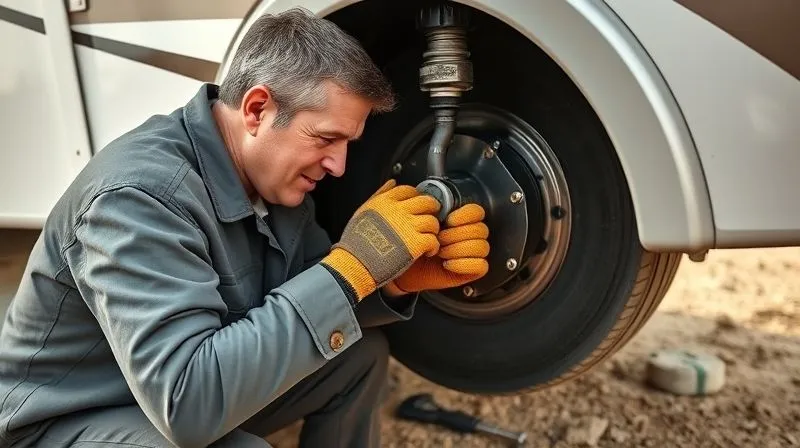
- Brake Problems: Overheated brakes, fluid leaks, or seized calipers.
Your Essential Onboard Toolkit & Spares
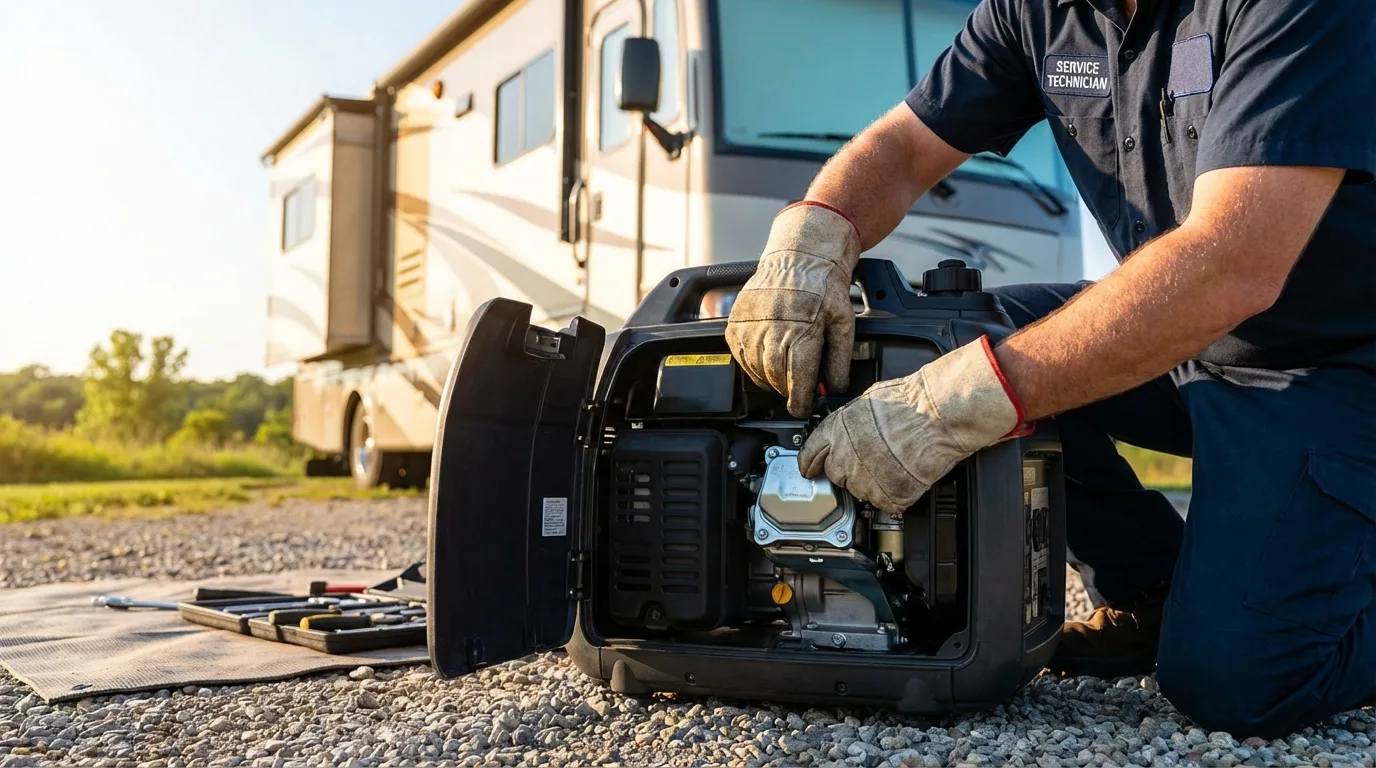
I've seen countless travelers stranded because they lacked a simple wrench or a spare fuse. Your RV's toolkit should be far more comprehensive than what you'd carry in a passenger car. Here’s a general list, but tailor it to your specific rig:
| Item | Use |
|---|---|
| Full Socket/Wrench Set | General repair, tightening bolts, engine work |
| Tire Repair Kit & Air Compressor | Patching small punctures, inflating tires |
| Jumper Cables/Portable Jump Starter | Battery issues, starting the engine |
| Multimeter | Diagnosing electrical problems |
| Assorted Fuses | Replacing blown fuses |
| Duct Tape & Zip Ties | Temporary fixes, securing loose parts |
| Basic Fluid Kit (Oil, Coolant, Brake Fluid) | Topping off fluids, addressing leaks |
| Work Gloves & Safety Glasses | Protection during repairs |
| Headlamp/Flashlight | Working in low light conditions |
Step-by-Step: Addressing a Minor Fluid Leak (Example)
Let's say you've identified a minor coolant leak. Here’s a basic approach to a temporary fix:
- Locate the Source: Carefully identify where the fluid is coming from. Is it a hose, a clamp, or a component?
- Assess Severity: Is it a drip or a steady stream? A drip might be manageable for a short period.
- Clean & Prep: Wipe the area clean and dry.
- Apply Temporary Seal: For a small hose leak, you might use self-fusing silicone tape or a strong patch material with clamps. For a pinhole in a radiator, some temporary sealants might buy you a few miles.
- Monitor Levels: Continuously check the fluid level and temperature gauge. Drive slowly and be prepared to stop if the leak worsens or the engine overheats.
4. Conserving Resources & Sustaining Yourself
When stranded remotely, your RV isn't just transportation; it's your shelter and your life support. Resource management becomes paramount, especially if you anticipate a prolonged wait.
Water, Food, and Fuel Management
I always advocate for carrying more water than you think you'll need – typically at least a week's supply for all occupants, beyond your RV's fresh water tank. This is for drinking, cooking, and basic hygiene. For food, non-perishable, high-energy items are key. Think beyond your regular pantry: energy bars, dried fruits, nuts, and canned goods that don't require refrigeration.
Fuel conservation extends beyond your vehicle's main tank. If you have a generator, use it sparingly. Plan your power usage for essentials only, like charging communication devices or running minimal heating/cooling during extreme temperatures.
Power Management: Battery & Solar Considerations
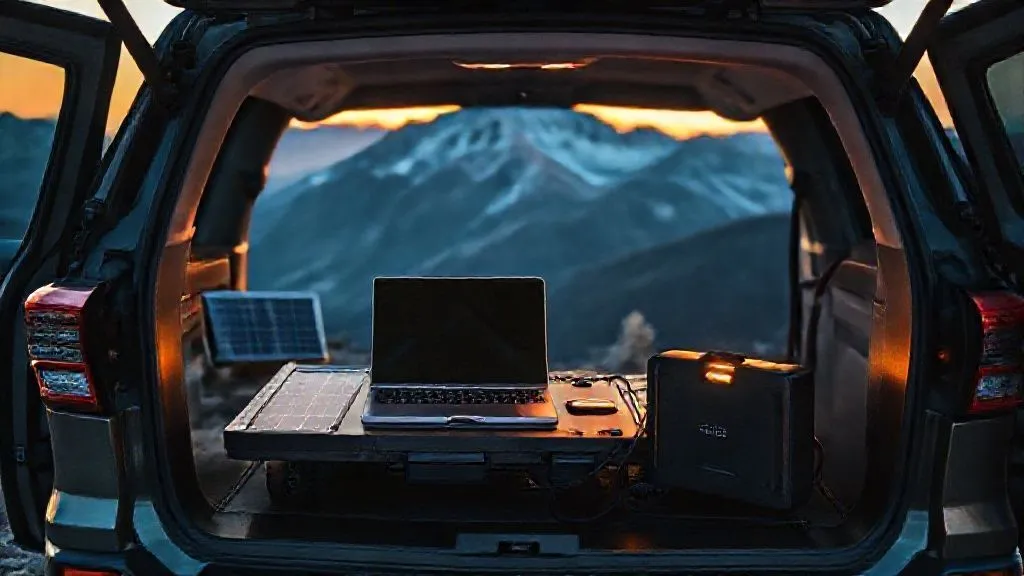
Your RV's batteries are precious. Turn off all non-essential lights and appliances. If you have solar panels, ensure they are deployed and clean to maximize charging. If you have a portable power bank, keep it charged and use it for small electronics.
Expert Insight: "In a remote breakdown, every drop of water, every watt of power, and every ounce of fuel becomes a strategic asset. Plan your consumption as if your life depends on it – because it very well might."
A good understanding of your RV's electrical system, including how to isolate circuits or manually disconnect batteries, can prevent further drain and allow you to prioritize essential functions.
5. Engaging Professional Roadside Assistance: The Remote Challenge
Even with all your preparations, a complex RV breakdown often requires professional intervention. The challenge in remote areas is not just finding help, but getting it to you.
RV-Specific Assistance Programs
Standard auto club memberships often fall short when it comes to RVs, especially larger ones, or when you're far off paved roads. Invest in an RV-specific roadside assistance plan before you leave.
- Good Sam Roadside Assistance: Renowned for RV coverage, often including towing for significant distances and addressing common RV-specific issues.
- AAA RV Coverage: Offers extended towing and services for RVs, though coverage levels can vary.
- Manufacturer or Dealer Programs: Some new RVs come with limited roadside assistance.
When you call, be prepared with precise details: your exact location (GPS coordinates are crucial), the nature of the breakdown, and the size/weight of your RV. This information helps them dispatch the right equipment and personnel. Good Sam Roadside Assistance is a popular choice among RVers for its comprehensive coverage.
Navigating the Logistics of Remote Recovery
Expect delays and potentially high costs. Remote recovery is challenging for service providers. They need specialized tow trucks, experienced drivers, and often have to travel significant distances.
Case Study: The Mojave Desert Dilemma
Acme RV Rentals faced a crisis when one of their Class A motorhomes, a 30-foot diesel pusher, suffered a complete transmission failure deep within the Mojave National Preserve. Cell service was nonexistent. The renters, following their pre-trip briefing, activated their satellite messenger to alert Acme and their RV-specific roadside assistance provider, which was Good Sam.
After relaying their GPS coordinates and vehicle details, they were informed a heavy-duty tow truck would take 12-18 hours to reach them. During this wait, they focused on conserving water, running their generator only for essential battery charging, and using their two-way satellite device to send regular check-ins. The tow truck arrived as predicted, but due to the sandy terrain, it required a second recovery vehicle to assist. The renters were safely extracted, and the RV towed to the nearest service center 150 miles away. This incident highlighted the absolute necessity of satellite communication, a robust roadside plan, and patient resource management in extreme conditions.
6. When All Else Fails: Self-Recovery & Advanced Planning
Sometimes, professional help simply isn't an option, or the wait is unacceptably long. This is where a deeper understanding of your RV's capabilities and some specialized equipment can be the difference between being stranded and self-recovering.
Understanding Your RV's Capabilities & Limitations
Not all RVs are created equal for remote travel. A Class A motorhome is vastly different from a rugged overland camper. Know your vehicle's ground clearance, traction capabilities (2WD vs. 4WD), and weight limits. Trying to force an RV beyond its design limits in a recovery situation can cause more damage or put you in greater danger.
I always advise taking an off-road or basic vehicle recovery course if you plan extensive remote travel. Understanding vehicle dynamics and safe recovery techniques is invaluable.
Emergency Towing & Winching Basics
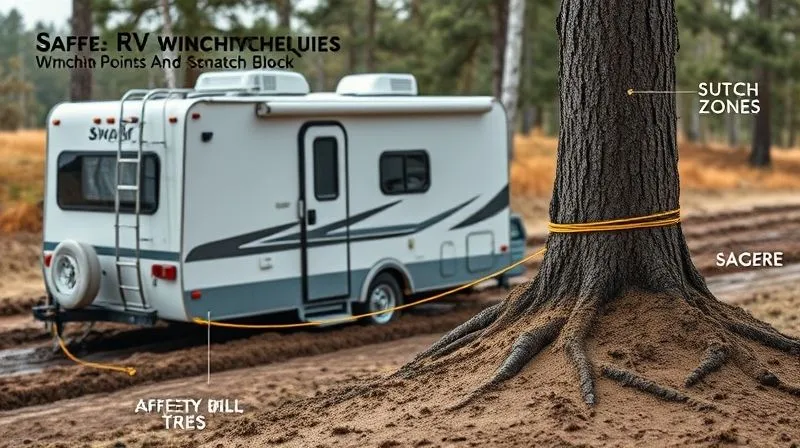
For more extreme situations, a winch can be a lifesaver. If you have a robust front bumper capable of mounting a winch, it's a worthwhile investment for serious remote adventurers. Knowing how to safely operate it, including proper anchor points, snatch blocks, and recovery straps, is critical. Never attempt winching without proper training and safety precautions, as immense forces are involved.
7. Post-Breakdown Protocol: Learning and Preventing Future Incidents
A breakdown, no matter how stressful, is an invaluable learning experience. Once you're safe and your RV is on its way to recovery, the work isn't over. It's time to analyze, learn, and improve your preparedness.
Thorough Inspection & Professional Repair
Don't just fix the immediate problem. Have a qualified RV mechanic conduct a comprehensive inspection of your entire vehicle. The complex breakdown might have been a symptom of an underlying issue or caused collateral damage. Address every concern to prevent a recurrence.
Insist on detailed explanations of the repairs and preventative maintenance recommendations. Understanding the mechanics of your RV builds confidence and knowledge for future trips.
Reviewing Your Preparedness Kit & Plan
This is where you integrate the lessons learned. What did you have that worked well? What was missing? What could have been better?
| Area | Review Action |
|---|---|
| Communication Gear | Check battery life, update contacts, test satellite device functionality, consider backup device. |
| Emergency Toolkit | Replace used items, add newly identified essential tools, ensure tools are in good condition. |
| Supplies (Water, Food, Fuel) | Increase buffer amounts based on actual consumption during incident, rotate stock for freshness. |
| Roadside Assistance Plan | Verify coverage limits, understand remote recovery clauses, update membership details. |
| Route Planning & Contingency | Integrate more 'bail-out' points, identify potential service centers along planned routes. |
| Personal Skills | Consider taking a first-aid, mechanical, or vehicle recovery course to enhance readiness. |
Update your emergency contacts, review your insurance policies, and perhaps even take a basic RV maintenance course. The goal is to turn a negative experience into a catalyst for enhanced safety and enjoyment on future travels. RV LIFE offers comprehensive maintenance checklists that are excellent starting points for this review.

Frequently Asked Questions (FAQ)
What if I don't have satellite communication? This significantly increases your risk. If you find yourself without cell or satellite service, your options are limited to waiting for another vehicle, attempting to walk to a location with service (which can be dangerous in remote areas), or using emergency signaling methods like a signal mirror or building a large 'SOS' sign on the ground. This underscores why satellite communication is a non-negotiable for remote RV travel.
How long should I expect to wait for help in a remote area? The wait time can vary wildly, from a few hours to several days, depending on your exact location, the accessibility of the area, weather conditions, and the availability of specialized recovery vehicles. Always plan and pack as if you'll be self-sufficient for at least 72 hours, if not longer.
Is it better to try and fix it myself or wait for professional help? For a complex breakdown, my advice is to perform only basic, temporary fixes that you are absolutely confident in. Anything beyond that risks causing further damage, injury, or making professional recovery more difficult. Your priority is to ensure safety and communicate your situation, then wait for experts unless you have extensive mechanical experience and the necessary tools.
What are the most common RV breakdowns in remote areas? Beyond general vehicle issues like tire blowouts or engine problems, RV-specific issues often include battery failures (both starting and house batteries), generator malfunctions, water system leaks, and suspension/chassis damage from rough roads. Proper maintenance and pre-trip inspections are your best defense.
How can I prevent a complex breakdown on my next trip? Prevention is always better than cure. This involves meticulous pre-trip inspections, regular maintenance (engine, tires, brakes, fluids, electrical systems), understanding your RV's limits, driving defensively, and avoiding pushing your rig into conditions it's not designed for. Always have a well-stocked emergency kit and a robust communication plan.
Key Takeaways and Final Thoughts
Navigating a complex RV breakdown in a remote area is undoubtedly one of the most challenging situations an RVer can face. However, with the right preparation, mindset, and resources, it's a challenge you can overcome.
- Prioritize Safety: Always secure your scene and assess immediate dangers first.
- Invest in Communication: A satellite device is your non-negotiable lifeline.
- Be Resourceful: A well-stocked toolkit and basic repair knowledge can buy you critical time.
- Conserve & Sustain: Manage your water, food, and power as if your life depends on it.
- Plan for Professional Help: RV-specific roadside assistance is essential for remote recovery.
- Learn & Adapt: Every incident is a lesson for future, safer adventures.
The wilderness demands respect and preparedness. By internalizing these strategies, you transform from a potential victim of circumstance into a capable adventurer, ready to face whatever the road, or lack thereof, throws your way. Stay safe, stay prepared, and keep exploring!
Recommended Reading
- Sustain Luxury Hotel Brand: 7 Profit-Boosting Identity Strategies
- Unlock Europe: The Ultimate Guide to Making Train Reservations with Your Eurail Pass
- Senior Meds Abroad: 7 Steps for Safe International Travel?
- Unexpected Human Remains at Digs: 7 Urgent Protocols to Follow
- 7 Expert Strategies: Find Premium Family Vacation Rentals Efficiently


Your email address will not be published. Required fields are marked *