

Managing Senior Medications for International Travel Safely?
For over two decades in the accessible travel industry, I've witnessed countless incredible journeys. But I've also seen the immense stress, and sometimes even danger, that arises when travelers, particularly seniors, don't adequately prepare for managing their medications abroad. It's a common oversight, yet one with profound consequences that can quickly turn a dream trip into a nightmare.
The complexity of international medication laws, varying pharmacy practices, time zone shifts, and the simple fear of running out or being questioned at customs can cast a long shadow over what should be a joyful experience. For seniors, who often manage multiple chronic conditions and a regimen of critical medications, these challenges are amplified, creating a significant barrier to confident international travel.
This isn't just about packing pills; it's about meticulous planning, understanding global health nuances, and empowering yourself with the right information. In this definitive guide, I'll walk you through a comprehensive, expert-backed framework to ensure you're not just traveling, but thriving, with your health and peace of mind intact, no matter where your adventures take you.
The Non-Negotiables: Early Planning and Doctor Consultations
The foundation of successful medication management for international travel begins long before you pack your first suitcase. It starts with foresight and a proactive approach, spearheaded by your healthcare team.
Start Early: Why Last-Minute Preparation is a Recipe for Disaster
I've seen it time and again: travelers scrambling days before departure, only to discover a critical medication is restricted or a necessary doctor's note takes weeks to process. This creates unnecessary anxiety and can jeopardize your health. Early preparation gives you the buffer needed to address any unforeseen hurdles.
Here are the initial actionable steps I always recommend:
- Check Passport and Visa Validity: Ensure your travel documents are current and meet the requirements of your destination. Some countries have specific entry requirements related to health declarations.
- Research Destination-Specific Medication Laws: This is paramount. What's legal and common in your home country might be strictly controlled, or even illegal, elsewhere. Start this research immediately upon deciding your destination.
- Book a Doctor's Appointment Well in Advance: Ideally, schedule this consultation at least 6-8 weeks before your departure. This allows ample time for prescription refills, getting necessary documentation, and discussing health adjustments for your trip.
Your Doctor: Your Primary Ally in Travel Health
Your physician isn't just there to write prescriptions; they are your most valuable resource for safe international travel, especially when managing senior medications. Their insights into your specific health needs and the medications you take are indispensable.
During your consultation, discuss your entire itinerary, including destinations, duration, and activities. Ask about the stability of your medications in different climates, potential interactions with local foods or water, and any necessary vaccinations. Crucially, obtain a comprehensive Medical Summary Letter. This letter should be on official letterhead and include your name, date of birth, a list of all medications by their generic and brand names, dosages, frequency, and the medical conditions they treat. It should also state that these medications are for personal use and are essential for your health. Have your doctor sign and date it.
Navigating International Medication Laws and Customs
This is arguably the most complex aspect of managing senior medications for international travel safely. Laws vary wildly, and what's permissible in one country might be a serious offense in another.
Researching Country-Specific Regulations
Before you even consider packing, you must understand the medication import laws of every country you plan to visit or transit through. The best resources for this are the official embassy or consulate websites of your destination country. They often have specific sections detailing prohibited substances, limits on quantities, and required documentation.
Be especially vigilant about controlled substances (e.g., certain pain medications, sedatives, ADHD medications). Countries like Japan, for example, have extremely strict laws regarding stimulants and certain over-the-counter cold medicines that are common in other parts of the world. Failure to comply can lead to fines, confiscation, or even imprisonment. Assume nothing; verify everything.
Documentation is King
I cannot overstate the importance of thorough documentation. It is your shield against misunderstandings and potential legal issues at customs. Your doctor's letter is the cornerstone, but there's more:
- Original Packaging: Always transport medications in their original, clearly labeled containers with pharmacy labels intact. This shows they were dispensed legally and identifies the medication and your name.
- Copies vs. Originals: Carry both original and photocopies of your doctor's letter and prescriptions. Keep originals with your medications and copies separate in your luggage and digitally (e.g., on a cloud drive or secure email).
- Customs Declarations: Be honest and declare all medications when required. Attempting to conceal medications can lead to serious legal consequences.
"Ignorance of the law is no excuse, especially when it comes to your health and freedom abroad. Your diligence in research and documentation is your best defense."
Packing Smart: Security, Safety, and Accessibility
How you pack your medications is almost as important as what you pack. Strategic packing ensures your health is protected from loss, damage, and security delays.
Carry-On Essentials: Why Medications MUST Be With You
This is a rule I drill into every traveler: all essential medications must go in your carry-on bag. Checked luggage can be lost, delayed, or exposed to extreme temperatures. Your life-sustaining medications cannot be subjected to these risks. I've heard too many stories of travelers arriving at their destination without their vital drugs because they were in a misplaced suitcase.
Here are my actionable steps for carry-on packing:
- Original Containers: As mentioned, keep pills in their original, clearly labeled prescription bottles. This helps customs officers identify the medication and confirms it was legally prescribed.
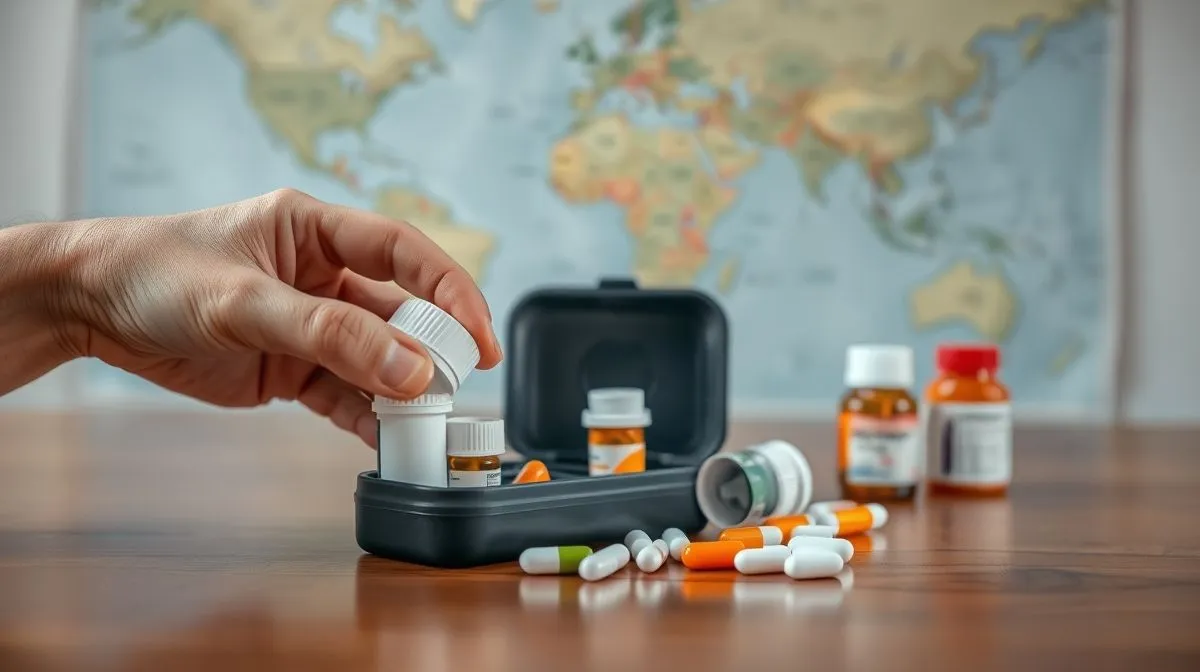
- Daily Doses in Separate Organizer: While the bulk of your medication should be in original containers, a small, clearly labeled pill organizer for daily doses can be convenient during travel.
- Extra Supply: Always pack an extra 7-10 days' supply beyond your planned trip duration. This buffer accounts for unexpected delays, extended stays, or lost medication.
- Sharps Container for Injectables: If you use injectable medications (like insulin or EpiPens), ensure you have a doctor's note explaining the need for syringes/needles, and bring a TSA-compliant sharps disposal container. The TSA website has detailed guidelines.
Temperature Control and Storage
Certain medications, like insulin, biologics, or some eye drops, require specific temperature control. Discuss this with your doctor and pharmacist. Invest in a high-quality insulated travel bag with gel packs if needed. Do not rely on hotel room mini-fridges unless you can verify their temperature stability. Always keep temperature-sensitive medications with you, even during layovers, to prevent exposure to extreme heat or cold in cargo holds.
Managing Dosage Schedules Across Time Zones
Crossing multiple time zones can wreak havoc on a precisely timed medication schedule. For seniors, whose bodies may take longer to adjust, this presents a significant challenge that requires careful planning.
The Time Zone Challenge
Suddenly shifting your internal clock by several hours can disrupt the efficacy of medications that need to be taken at specific intervals or times of day. This is particularly critical for conditions like diabetes, epilepsy, or heart conditions where consistent dosing is vital. Simply taking a pill at the 'new' local time might mean doubling up or missing a dose relative to your body's adjusted rhythm.
Tools and Strategies
Before you depart, discuss time zone adjustments for each of your medications with your doctor. They might recommend a gradual shift, adjusting your dose times by an hour or two each day leading up to and during your travel. For some medications, a precise schedule may be less critical, while others demand strict adherence.
- Medication Reminder Apps: Utilize smartphone apps that can adjust to new time zones and provide timely reminders.
- Travel Clocks: A simple travel alarm clock set to your home time, alongside one set to local time, can help you manage the transition.
- Pill Organizers with Time Markings: Use pill organizers that clearly label 'morning,' 'noon,' 'evening,' and 'night' to help you keep track of your doses.
Case Study: How Mrs. Henderson Mastered Time Zone Meds
Mrs. Henderson, a delightful 78-year-old client with a robust travel bug, was concerned about her multiple daily medications, including one for blood pressure and another for thyroid, during her planned trip to Australia – a 15-hour time difference. Simply shifting her medication schedule could lead to either dangerously low or high blood pressure or thyroid issues.
Working with her doctor, Mrs. Henderson implemented a two-day gradual adjustment strategy. Starting two days before her flight, she shifted her medication times by 4-5 hours each day, aiming to be roughly halfway to Australian time by departure. Upon arrival, she continued this gradual shift for another day, easing into the new schedule. She used a smart pill dispenser that connected to an app, which automatically updated to the local time zone and sent her reminders. This meticulous approach, combined with her doctor's precise guidance on the safest adjustment increments for each medication, ensured she experienced no adverse effects. She maintained consistent blood pressure and thyroid levels throughout her six-week adventure, proving that with careful planning, even significant time zone shifts are manageable.
Emergency Preparedness and Access to Care Abroad
Even with the best planning, unforeseen circumstances can arise. Being prepared for medical emergencies or the need for medication refills abroad is a critical layer of safety for senior travelers.
What If You Need More Meds?
Running out of medication due to an extended stay, a lost bag, or an unexpected dosage change is a genuine concern. While you should always carry extra, knowing your options for refilling prescriptions abroad is vital.
- Foreign Pharmacies: In many countries, you can purchase some medications over the counter that require a prescription in your home country. However, for prescription drugs, you'll likely need a local doctor's prescription. Be aware that generic names may vary, and the quality of medication can differ.
- International Prescription Services: Some pharmacies or travel assistance companies offer services to help you get prescriptions filled internationally. Research these options before you travel.
- Contact Your Embassy/Consulate: In a true emergency, your country's embassy or consulate can often provide a list of local doctors or hospitals.
Medical Emergencies: Being Ready
A medical emergency abroad is daunting, but preparedness can significantly reduce its impact. I always advise my clients to take these proactive steps:
- Medical Alert Identification: Wear a medical alert bracelet or necklace that clearly states your key medical conditions, allergies, and emergency contact information. This is invaluable if you're incapacitated.
- Travel Insurance with Medical Coverage: This is non-negotiable for senior travelers. Ensure your policy covers pre-existing conditions, emergency medical evacuation, and repatriation. Review the fine print carefully. I recommend checking highly-rated providers and reading reviews.
- Know Emergency Numbers: Before you arrive, know the local emergency services number (e.g., 911 in the US, 112 in Europe).
- Local Embassy Contact: Keep your home country's embassy or consulate contact information readily accessible.
- Share Your Itinerary: Leave a detailed itinerary, including accommodation details and contact numbers, with a trusted family member or friend at home.
"Your greatest asset in a medical emergency abroad is comprehensive preparation, not just hope. Invest in robust travel insurance and ensure your medical information is easily accessible."
According to a study published by the World Health Organization (WHO) on international travel health, up to 50% of travelers to developing countries experience health problems, many of which could be mitigated by proper pre-travel consultation and preparedness, especially concerning chronic conditions.
Beyond Medications: Holistic Senior Travel Health
While managing senior medications for international travel safely is a primary concern, a holistic approach to health ensures a smoother, more enjoyable journey.
Hydration and Nutrition
Travel, especially long flights, can lead to dehydration, which can exacerbate existing conditions and affect medication efficacy. Drink plenty of bottled water. Be mindful of food safety in your destination to avoid traveler's diarrhea, which can interfere with medication absorption.
Mobility and Comfort
For seniors, comfort and mobility are key. Wear comfortable shoes and clothing. Plan for regular movement during long flights or train journeys to prevent deep vein thrombosis (DVT). If you require mobility aids, discuss their transport with your airline beforehand and ensure your accommodations are accessible. Many airlines offer wheelchair assistance; book this in advance.
Mental Well-being
Travel can be stressful. Managing senior medications for international travel safely, while essential, can add to this. Build in downtime, don't overschedule, and stay connected with loved ones. Embrace the adventure, but also listen to your body and mind.
Frequently Asked Questions (FAQ)
Question: Can I bring CBD oil or medical cannabis when traveling internationally? Answer: This is highly complex and generally not advisable due to varying international laws. Even if legal in your departure and arrival countries, transit through other nations could pose significant legal risks. Most countries have zero-tolerance policies for cannabis products. Always consult the embassy or consulate of every country you will enter or transit through. My strong advice is to avoid traveling with these substances unless you have explicit, written approval from every jurisdiction, which is rarely granted.
Question: What if my medication requires refrigeration and I'm on a long flight or in a hot climate? Answer: Plan with your airline in advance to understand their policies on carrying medical coolants. Most airlines allow small, personal medical coolers with ice packs or gel packs. Ensure your cool packs are frozen solid when going through security. Upon arrival, arrange for immediate refrigeration. In hot climates, always keep your medication in an insulated bag and avoid direct sunlight. Consider the specific temperature range your medication needs and choose accommodations that can reliably meet it.
Question: Is it safe to buy prescription medications in other countries if I run out? Answer: While some countries have reputable pharmacies, I strongly advise against purchasing critical medications abroad unless absolutely necessary and only from a highly reputable source, ideally with a local doctor's prescription. The quality control, purity, and authenticity of medications can vary widely. Counterfeit drugs are a significant global problem. Always aim to carry sufficient supply from your trusted home pharmacy.
Question: How do I handle unexpected delays or extended stays, and ensure I have enough medication? Answer: This is why I always recommend packing an extra 7-10 day buffer of all essential medications beyond your planned trip duration. If you anticipate a longer delay, immediately contact your doctor at home to discuss options for obtaining a refill internationally, or having a family member mail a supply (though this can be complex due to customs). Travel insurance can sometimes assist with this logistical challenge.
Question: Should I inform the airline about my medical conditions, even if I don't need special assistance? Answer: Yes, especially if you have conditions that might be affected by altitude changes, cabin pressure, or require specific medical equipment (like oxygen concentrators or CPAP machines). While not always mandatory, informing the airline can ensure they are prepared to offer appropriate support if a medical event occurs. It's always better to be proactive than reactive when it comes to health in the confined space of an aircraft.
Recommended Reading
- The Ultimate Secret: How to Pick a Beach with Crystal Clear Water Every Time
- Unlock Your Adventure: How to Plan an Accessible Adaptive Sports Vacation
- Burnout to Breakthrough: Immersive Historical City Travel for Leaders?
- 8 Ways to Fund Private Mars Tourism Without Government Grants
- Unlock Your Inner Self: How to Plan a Solo Trip for Deep Introspection
Key Takeaways and Final Thoughts
Managing senior medications for international travel safely isn't a minor detail; it's a critical component of a successful and joyful journey. It requires diligence, foresight, and a collaborative approach with your healthcare providers. But the peace of mind that comes from being thoroughly prepared is priceless.
- Plan Early: Begin your medication preparations weeks, even months, before your departure.
- Document Everything: A comprehensive doctor's letter and original packaging are your best friends at customs.
- Carry-On is Key: All essential medications belong in your carry-on bag, always.
- Know the Laws: Research country-specific medication regulations meticulously.
- Adjust Smartly: Consult your doctor on time zone adjustments for your specific medications.
- Be Prepared for Emergencies: Robust travel insurance and easily accessible medical information are non-negotiable.
As an industry expert, I've seen the world open up for countless seniors who embraced these strategies. Don't let the fear of medication management deter you from exploring new horizons. With these actionable steps and insights, you're not just preparing for a trip; you're investing in a confident, healthy, and unforgettable adventure. Safe travels!




Your email address will not be published. Required fields are marked *