


How to Maintain a Healthy Travel Diet for Optimal Professional Focus?
For over 15 years, navigating the intricate world of wellness travel, I’ve witnessed countless professionals grapple with a silent saboteur of productivity: the travel diet drain. It’s a common scenario – the thrill of a new city quickly overshadowed by sluggishness, brain fog, and a general lack of focus, all too often stemming from erratic eating habits on the road.
The inherent challenges of travel—time zone shifts, unpredictable schedules, and limited healthy options—can swiftly derail even the most disciplined dietary routines. This disruption doesn't just impact physical well-being; it directly compromises cognitive function, decision-making, and overall professional effectiveness, turning what should be a productive trip into a struggle for sustained energy and clarity.
This comprehensive guide isn't just about avoiding unhealthy food; it's about equipping you with a robust framework and actionable strategies to proactively cultivate a healthy travel diet for optimal professional focus. You’ll learn how to anticipate pitfalls, make informed choices, and leverage nutrition as a powerful tool to maintain peak performance, regardless of your destination or demanding schedule. Let's transform your travel diet from a liability into an asset.
Understanding the "Travel Diet Drain" on Cognitive Performance
Before we dive into solutions, it's crucial to grasp the profound impact that a disrupted diet has on your mental acuity. When we travel, our bodies are already under stress from altered sleep patterns, new environments, and often, increased pressure. Adding poor nutrition to this mix creates a perfect storm that directly impacts the brain's ability to function optimally.
The Vicious Cycle of Poor Nutrition and Professional Decline
Think about it: a breakfast of sugary pastries leads to a rapid blood sugar spike, followed by an inevitable crash, leaving you feeling lethargic and unable to concentrate during that crucial morning meeting. A heavy, greasy lunch diverts energy to digestion, making you feel sluggish and prone to afternoon slumps. These aren't just minor inconveniences; they're direct threats to your professional effectiveness.
"The brain, though only about 2% of our body weight, consumes roughly 20% of our daily caloric intake. It thrives on a steady supply of glucose, healthy fats, and micronutrients. Disrupt this supply with processed foods, excessive sugar, and inflammatory ingredients, and cognitive function inevitably suffers."
Research consistently highlights the link between diet and cognitive function. A study published in The American Journal of Clinical Nutrition, for instance, has shown how diets rich in saturated fats and refined sugars can impair memory and learning. Conversely, diets rich in omega-3 fatty acids, antioxidants, and complex carbohydrates support brain health and sustained focus. As a seasoned traveler, I’ve personally experienced the difference a well-fueled brain makes in critical negotiations or presentations.
Strategic Pre-Trip Preparation: Your First Line of Defense
The secret to maintaining a healthy travel diet for optimal professional focus often begins long before you even leave your doorstep. Proactive planning is not just beneficial; it’s non-negotiable for consistent wellness and performance on the go.
Meal Planning and Packing Smart Snacks
One of the biggest mistakes I’ve seen professionals make is relying solely on airport or hotel food. This often leads to regretful choices born of hunger and limited options. Instead, become your own travel nutritionist.
- Assess Your Needs: Consider the length of your trip, access to refrigeration, and your typical meal timing.
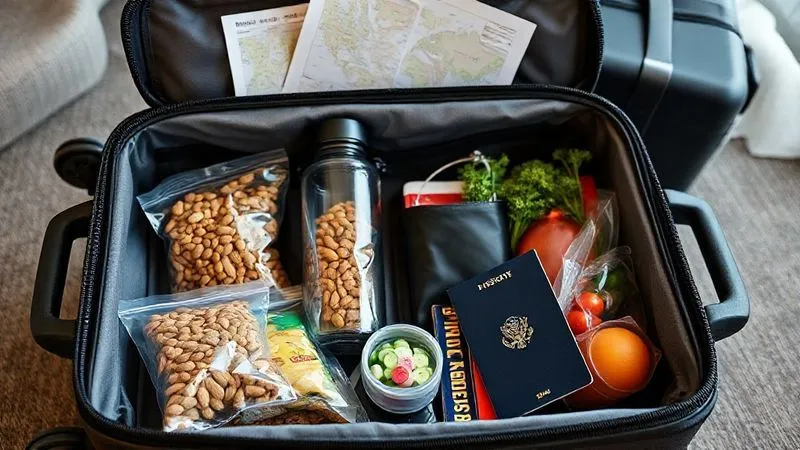
- Pack Non-Perishable Essentials: Think single-serving packets of nuts, seeds, dried fruit (without added sugar), protein bars (low sugar, high protein), individual oatmeal packets, or even small containers of powdered greens.
- Bring a Reusable Water Bottle: Staying hydrated is paramount. Fill it up after security and throughout your journey.
- Consider Portable Meal Components: If you have a mini-fridge access, small containers of pre-cooked quinoa, hard-boiled eggs, or chopped veggies can be game-changers.
- Don't Forget Tea Bags: Herbal teas can be calming and hydrating, a great alternative to coffee or sugary drinks.
This small investment of time before your trip pays dividends in sustained energy and mental clarity, ensuring you're not caught off guard by unhealthy temptations.
Researching Destination Food Options
Leverage technology to your advantage. Before you arrive, take 15 minutes to research healthy eating options near your hotel or meeting venues. Look for:
- Grocery Stores or Markets: Ideal for stocking up on fresh produce, yogurt, or pre-made salads.
- Health-Focused Restaurants: Places that offer salads, grilled proteins, whole grains, and vegetarian options.
- Local Cafes: Many offer healthier breakfast and lunch choices than typical fast-food chains.
"Proactive research transforms potential dietary minefields into accessible oases of healthy choices. It's about empowering yourself with knowledge before hunger dictates your decisions."
Apps like Yelp, Google Maps, or specific dietary apps can be incredibly useful. I always flag a few options on my map before I even land, so I have a mental roadmap of where to find nutritious meals.
Mastering Airport and In-Flight Nutrition
Airports and airplanes are notorious for offering limited, often unhealthy, food choices. Yet, with a strategic approach, you can navigate these environments without compromising your dietary goals or professional focus.
Navigating Airport Food Courts
Even with your packed snacks, sometimes you'll need to buy food at the airport. Here's how to make the best choices:
- Seek Out Salads: Opt for salads with lean protein (grilled chicken, fish, beans) and ask for dressing on the side. Avoid creamy, heavy dressings.
- Grilled Over Fried: Choose grilled chicken sandwiches (ditch the bun if it's white bread), grilled fish, or vegetable wraps.
- Smart Sides: Instead of fries, ask for a side salad, fruit cup, or plain baked potato (if available).
- Breakfast Choices: Look for oatmeal, yogurt with fruit, or egg-based dishes. Avoid sugary cereals and pastries.
It’s about making the lesser of two evils the best possible choice. Remember, every small, conscious decision adds up to significant positive impact on your energy and focus.
Hydration is Key: Beyond Water
The dry air in airplane cabins is incredibly dehydrating. Dehydration can lead to fatigue, headaches, and impaired cognitive function, directly impacting your ability to focus during your journey or upon arrival. While water is fundamental, consider these additions:
- Electrolyte Tablets/Powders: Add these to your water for long flights to replenish essential minerals lost through cabin air and stress.
- Herbal Teas: Many airports have hot water available. Chamomile or peppermint tea can be soothing and hydrating.
- Avoid Sugary Drinks and Excessive Caffeine: While a coffee might seem like a quick fix, too much caffeine can exacerbate dehydration and disrupt sleep patterns later.
Case Study: How Sarah, a Marketing Executive, Conquered Airport Temptations
Sarah, a marketing executive, had a critical multi-city pitch tour. In the past, she'd relied on airport fast food, arriving at her destinations feeling bloated and unfocused. For her crucial new tour, she implemented a new strategy. She packed pre-portioned bags of almonds, a few high-protein, low-sugar bars, and an electrolyte powder. At the airport, instead of a greasy breakfast sandwich, she sought out a Greek yogurt with berries. On the flight, she continuously refilled her water bottle and added an electrolyte tab. The result? She arrived at each city feeling energized, mentally sharp, and delivered her pitches with unparalleled clarity and confidence, attributing her success to sustained focus from her healthy diet. This resulted in securing two major client contracts, a direct testament to how how to maintain a healthy travel diet for optimal professional focus impacts tangible business outcomes.
Hotel Habits: Turning Your Room into a Wellness Hub
Your hotel room isn't just a place to sleep; it can be a vital component of your healthy travel diet strategy. With a little creativity, you can transform it into a personal wellness hub.
Utilizing Mini-Fridges and Hotel Amenities
Many hotel rooms come equipped with a mini-fridge, a game-changer for healthy eating. Here’s how to use it:
- Stock Up at Local Stores: Upon arrival, locate the nearest grocery store. Purchase fresh fruits (berries, apples, bananas), vegetables (carrots, bell peppers, pre-washed greens), yogurt, hard-boiled eggs, hummus, and whole-grain bread or crackers.
- Simple Meal Assembly: You can easily assemble a nutritious breakfast or lunch in your room. Think yogurt with fruit and nuts, a quick salad, or an avocado toast.
- Hotel Gym Access: Many hotels also offer gym facilities. Incorporating even a short workout can boost metabolism and help you make better food choices.
Finding Local, Healthy Eateries
When dining out, especially for dinner, prioritize restaurants that align with your health goals. Don't be afraid to ask for modifications:
- Grilled Instead of Fried: Always opt for grilled, baked, or steamed proteins.
- Load Up on Veggies: Ask for extra vegetables as a side instead of starchy options.
- Sauce on the Side: Many sauces are high in sugar and unhealthy fats.
- Portion Control: If portions are large, consider sharing or asking for a to-go box immediately to avoid overeating.
Leverage hotel concierge services for local recommendations. They often know hidden gems that cater to specific dietary needs. I always make it a point to ask for their 'healthiest' recommendations, not just the 'popular' ones.
| Meal | Quick Idea | Prep Time | Nutritional Benefit |
|---|---|---|---|
| Breakfast | Yogurt with berries & nuts | 2 min | Protein, fiber, antioxidants |
| Lunch | Pre-made salad kit + canned tuna | 5 min | Lean protein, vitamins, healthy fats |
| Dinner | Rotisserie chicken (skin off) + pre-cut veggies | 5-10 min (if bought) | Lean protein, complex carbs, micronutrients |
| Snack | Apple slices with peanut butter | 2 min | Fiber, healthy fats, sustained energy |
Business Meetings & Client Dinners: Eating with Purpose
Client dinners and business lunches can be particularly tricky, as social etiquette often intertwines with food choices. However, you can still maintain a healthy travel diet for optimal professional focus without appearing impolite or rigid.
Mindful Ordering and Portion Control
The key here is intentionality. Review the menu in advance if possible. When ordering:
- Start with a Salad or Broth-Based Soup: This fills you up with nutrient-dense options before the main course.
- Choose Lean Proteins: Fish, chicken, or plant-based options are generally better than heavy red meats or fried dishes.
- Opt for Steamed or Roasted Vegetables: Ask for sauces on the side.
- Be Mindful of Portions: If the dish is large, mentally (or physically, if appropriate) divide your plate. Focus on eating slowly and savoring each bite.
- Don't Arrive Starving: Have a small, healthy snack before the dinner to curb extreme hunger, which often leads to overordering.
I've found that most hosts appreciate when you make considered choices, and it often sparks conversations about wellness, which can be a great way to build rapport, as long as it's not preachy.
Navigating Alcohol and Dessert
These are often where hidden calories and sugar lie, significantly impacting your energy and focus the next day.
- Alcohol: If you choose to drink, limit yourself to one or two drinks. Opt for clear spirits with soda water and a lime, or a glass of dry wine. Alternate alcoholic drinks with water to stay hydrated.
- Dessert: It’s okay to politely decline. If you want to indulge, share a dessert with a colleague or opt for a lighter option like fresh fruit or sorbet.
Remember, your primary goal is to maintain your professional edge. A clear head and sustained energy are far more valuable than a momentary indulgence that could jeopardize your performance.
The Gut-Brain Axis: Fueling Focus from Within
Emerging science has profoundly underscored the connection between our gut health and brain function, often referred to as the 'gut-brain axis.' Maintaining a healthy gut while traveling is critical for sustained cognitive performance and overall well-being.
Probiotics and Prebiotics on the Go
Travel can disrupt your gut microbiome due to changes in diet, stress, and exposure to new bacteria. A healthy microbiome is crucial for neurotransmitter production (like serotonin, which impacts mood and focus) and reducing inflammation. To support it:
- Probiotic Supplements: Consider taking a high-quality probiotic supplement a few days before and throughout your trip. Look for strains like Lactobacillus and Bifidobacterium.
- Fermented Foods: If accessible, incorporate foods like yogurt, kefir, sauerkraut, or kimchi into your diet.
- Prebiotic-Rich Foods: These feed your beneficial gut bacteria. Think bananas, oats, apples, and garlic – many of which can be found even on the go.
As Harvard Health Publishing emphasizes, a healthy gut contributes directly to a healthy mind, impacting everything from mood to memory and cognitive speed. This is a foundational element in how to maintain a healthy travel diet for optimal professional focus.
Avoiding Common Inflammatory Foods
Inflammation in the gut can lead to systemic inflammation, which directly impacts brain function, causing fogginess and reduced focus. While traveling, try to minimize:
- Processed Sugars: Found in sodas, many packaged snacks, and desserts.
- Unhealthy Fats: Trans fats and excessive saturated fats common in fried foods and fast food.
- Refined Grains: White bread, pasta, and pastries can spike blood sugar and contribute to inflammation.
Choosing whole, unprocessed foods whenever possible is your best defense against gut inflammation and its detrimental effects on your professional focus. This is where your pre-trip planning and smart snack packing truly shine.
Post-Trip Recovery: Re-establishing Your Routine
The journey doesn't end when you return home. The post-travel period is crucial for re-calibrating your body and mind, ensuring that any temporary dietary deviations don't become ingrained habits. This phase is as important for how to maintain a healthy travel diet for optimal professional focus as the trip itself.
Gentle Detox and Re-Hydration
Upon returning, your body might be craving a reset. Focus on:
- Hydration: Continue to drink plenty of water. Add lemon or cucumber slices for an extra boost.
- Nutrient-Dense Foods: Prioritize fresh fruits, vegetables, lean proteins, and whole grains. Smoothies packed with greens can be an excellent way to reintroduce vital nutrients.
- Fiber: Boost fiber intake with legumes, whole grains, and plenty of produce to support digestive regularity.
- Limit Processed Foods: Consciously avoid the quick-fix, processed foods you might have relied on during travel.
Reflecting and Adapting Your Strategy
Take a moment to reflect on your recent trip. What worked well? What challenges did you face? This self-assessment is invaluable for refining your approach for future travels.
- Did your packed snacks last?
- Were there healthy options you missed?
- How did specific food choices impact your energy and focus?
Use these insights to adapt your pre-trip planning and on-the-go strategies. Each trip is an opportunity to learn and optimize your approach to maintaining a healthy travel diet for optimal professional focus.
| Day | Diet Focus | Action Items |
|---|---|---|
| Day 1 (Return Day) | Hydration (2-3L water), light plant-based meals, probiotics | Unpack, gentle stretch, early bedtime. |
| Day 2-3 | High-fiber, whole foods, lean protein, avoid sugar/caffeine | Re-establish exercise routine, mindful eating, reconnect with home environment. |
| Day 4-7 | Balanced diet, consistent meal times, continued hydration | Review travel journal for dietary lessons, plan next week's meals. |
| Ongoing | Sustainable healthy eating habits | Integrate lessons learned into daily life, proactive planning for future trips. |
Beyond Food: Holistic Wellness for Sustained Focus
While this guide focuses on diet, it's vital to remember that nutrition is one pillar of a broader wellness strategy. Optimal professional focus is a symphony of interconnected elements.
Sleep, Movement, and Stress Management
Even the most perfect travel diet can't fully compensate for deficiencies in other areas:
- Prioritize Sleep: Aim for 7-9 hours of quality sleep. Use melatonin for jet lag if necessary, and establish a consistent sleep schedule as quickly as possible upon arrival and return.
- Incorporate Movement: Even short bursts of exercise—a walk through the city, hotel gym, or in-room stretches—can significantly boost energy, reduce stress, and improve cognitive function.
- Manage Stress: Travel can be inherently stressful. Practice mindfulness, meditation, or deep breathing exercises. Even 5-10 minutes can make a profound difference in maintaining mental clarity and emotional resilience, which are critical for professional focus.
These elements create a powerful synergy with your dietary efforts, amplifying your ability to maintain peak performance and focus throughout your travels. A holistic approach ensures you're not just surviving your trips, but thriving.

Frequently Asked Questions (FAQ)
How do I manage cravings for unhealthy food while traveling? Managing cravings is about anticipation and preparation. First, ensure you're not overly hungry by having regular, balanced meals and healthy snacks. Second, identify your triggers (e.g., stress, boredom, specific times of day) and have a healthy alternative ready. Sometimes, a glass of water or a few deep breaths can help differentiate between true hunger and emotional craving. If you do indulge, do so mindfully and in moderation, then get back on track with your next meal.
What if my destination has very limited healthy options? This is where pre-trip packing becomes even more critical. If you anticipate limited options, pack more substantial, shelf-stable items like protein powder, canned fish, whole-grain crackers, or even instant soup packets. Research grocery stores or markets immediately upon arrival. Don't be afraid to ask for simple, off-menu items like plain grilled chicken and steamed vegetables at restaurants, even if they're not explicitly listed.
Is it okay to use supplements for nutrition on the go? Supplements can play a supportive role, especially when whole food options are scarce. A good quality multivitamin, omega-3 fatty acids, and a probiotic are often beneficial for travelers. Protein powder can also be a convenient way to meet protein needs. However, supplements should complement, not replace, a foundation of whole foods. Always consult with a healthcare professional before starting any new supplement regimen, especially if you have underlying health conditions.
How can I avoid overeating during client dinners? Several strategies can help. Don't arrive famished; have a small, healthy snack beforehand. Drink a glass of water before and during the meal. Order first if possible, choosing a lean protein and plenty of vegetables. Practice mindful eating by savoring each bite and putting your fork down between mouthfuls. Focus on the conversation, not just the food. If portions are large, ask for a to-go box or simply leave some food on your plate.
What's the best strategy for staying hydrated on long flights? The key is consistent, proactive hydration. Drink water before, during, and after your flight. Carry a large reusable water bottle and fill it up after security. For flights longer than 4 hours, consider adding an electrolyte tablet or powder to your water to replenish essential minerals lost in the dry cabin air. Avoid excessive caffeine and alcohol, as they are dehydrating. Aim for frequent sips rather than large gulps.
Key Takeaways and Final Thoughts
- Proactive Planning is Paramount: Your healthy travel diet begins with pre-trip research and strategic packing.
- Hydration and Gut Health are Non-Negotiable: Prioritize water and gut-friendly foods to maintain cognitive function.
- Mindful Choices, Not Strict Deprivation: Learn to navigate airports, hotels, and social dinners with informed decisions.
- Holistic Approach: Remember that sleep, movement, and stress management are equally vital for sustained focus.
- Continuous Learning: Use each trip as an opportunity to refine your strategies for future success.
The demands of professional travel are unlikely to diminish, but your ability to thrive within them can dramatically improve. By embracing these strategies for how to maintain a healthy travel diet for optimal professional focus, you’re not just managing your meals; you’re investing in your energy, your clarity, and ultimately, your professional success. Take control of your plate, and you'll take control of your performance, no matter where your business takes you. Safe and healthy travels!
Recommended Reading
- 5 Proven Strategies: Executives Truly Unplug on Cruise Packages?
- Unveiling the Health Effects of Lunar Tourism: Are You Ready for Space?
- Unlock Budget Travel: Master Meal Prep for International Adventures!
- Unveiling the Truth: How to Avoid Harmful Voluntourism Experiences?
- Best Age for Disney World with Toddlers: Maximize the Magic!





Your email address will not be published. Required fields are marked *