

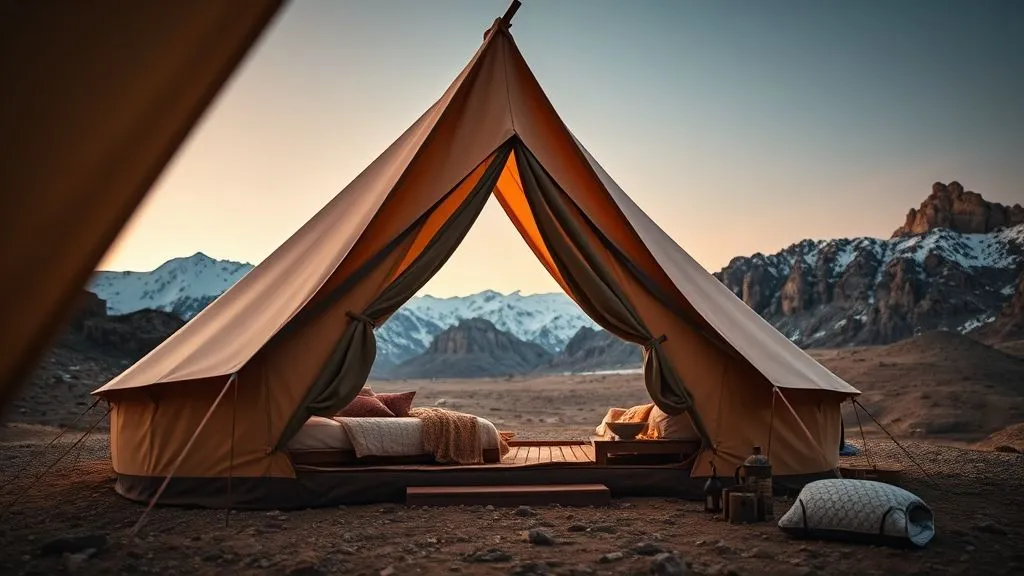
How to maintain luxury comfort in extreme outdoor temperatures?
For over 15 years, traversing the globe from the scorching Namibian desert to the frigid peaks of Patagonia, I've witnessed firsthand the delicate balance between adventure and absolute comfort in glamping. Many aspire to luxury in the wild, but few truly master it when temperatures plummet or soar. I've seen countless enthusiasts invest heavily in aesthetics only to find their experience marred by an inability to control the ambient temperature.
The allure of glamping is its promise of a lavish retreat amidst nature's raw beauty. Yet, this promise often falters when faced with extreme weather. How do you ensure your champagne stays chilled in 40°C heat, or your toes remain toasty when the mercury drops below freezing? The challenge isn't just surviving; it's thriving with uncompromised elegance, ensuring your outdoor living space remains a sanctuary regardless of the forecast outside.
This isn't about mere survival; it's about elevating your outdoor experience. In this definitive guide, I'll share my proven strategies, drawing from years of industry insight and real-world application, on how to maintain luxury comfort in extreme outdoor temperatures. We’ll delve into advanced gear, smart climate control, personal preparation, and cutting-edge tech that ensures your glamping experience is always five-star, regardless of the forecast.
Understanding the Elements: The Core Challenge of Extreme Glamping
Before we can conquer extreme temperatures, we must first understand their impact. Whether it's the relentless sun baking your tent or the biting wind stealing warmth, each extreme presents unique thermodynamic challenges. Heat transfer occurs through conduction, convection, radiation, and evaporation, and managing these processes is key to maintaining an optimal internal environment.
In my experience, many glampers underestimate the sheer power of nature. A thin canvas tent, while charming, offers minimal insulation against a desert sun or an alpine chill. The goal isn't to create a hermetically sealed bubble, but to intelligently mitigate these forces, creating a microclimate where luxury can flourish. This requires a proactive, rather than reactive, approach to comfort.
Ignoring the fundamentals of thermal dynamics can lead to uncomfortable, even dangerous, situations. From heatstroke in summer to hypothermia in winter, the stakes are higher than just a restless night. Understanding how your chosen environment interacts with your shelter and body is the first, most critical step towards achieving year-round luxury comfort.
Advanced Shelter Systems: Your First Line of Defense
Your glamping tent isn't just a place to sleep; it's your fortress against the elements. Investing in the right shelter system is paramount for maintaining luxury comfort in extreme outdoor temperatures. This goes far beyond aesthetics, delving into the science of materials and structural design.
Innovative Tent Materials and Construction
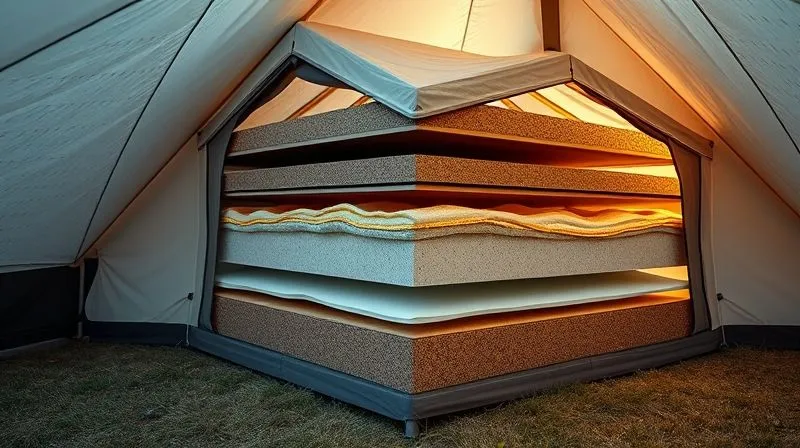
Modern glamping tents designed for extreme conditions utilize multi-layered fabrics, often with reflective or insulated properties. Think beyond traditional canvas. Materials like high-denier polyester with silver coatings for UV reflection, or advanced composite fabrics with integrated insulation layers, make a significant difference. Some premium tents even feature inflatable air-frame designs that create an insulating air gap, much like double-pane windows.
The R-value of your tent walls and floor, a measure of thermal resistance, becomes a critical factor. For cold climates, look for tents with higher R-values, often achieved through quilted insulation or integrated air pockets. For hot climates, breathability and reflective surfaces are key to minimizing solar gain. A well-designed ventilation system is equally crucial, preventing condensation in cold weather and promoting airflow in hot conditions.
I always advise clients to consider the tent's footprint and height. Taller tents, while offering more headroom, present a larger surface area for heat exchange. Conversely, a well-pitched, lower-profile tent can be surprisingly efficient in high winds and extreme cold. The choice of materials and construction should always align with the most challenging conditions you anticipate encountering.
Strategic Site Selection
Even the most advanced tent can be compromised by poor site selection. This is where my years of experience truly come into play. Understanding microclimates within a larger landscape can dramatically impact your comfort levels. For hot climates, seek natural shade from trees or rock formations, positioning your tent to catch prevailing breezes. Orienting your tent with the largest surface area away from the afternoon sun can reduce heat absorption significantly.
In cold environments, conversely, look for natural windbreaks. A stand of dense trees or a small ridge can shield your tent from icy gusts, reducing wind chill and heat loss. Avoid hollows where cold air can pool. Consider the sun's path: a morning sun exposure can help warm your tent naturally after a cold night. Always check the local weather patterns and terrain before committing to a spot. The National Park Service offers excellent resources on understanding local weather phenomena, which can be invaluable for planning. Learn more about weather safety from the NPS.
Mastering Climate Control: Heating and Cooling Solutions for Every Season
Once your shelter is optimized, the next step is active climate control. This is where technology meets luxury, providing the ability to precisely dial in your preferred temperature, no matter what Mother Nature throws at you. Forget struggling with inefficient campfires; we're talking sophisticated, safe, and silent solutions.
Efficient Heating for Cold Climates
For chilly nights, a safe and efficient heating system is non-negotiable. Propane or diesel-powered tent heaters, specifically designed for enclosed spaces with proper ventilation, are popular choices. Look for models with carbon monoxide detectors and automatic shut-off features. Brands like Mr. Heater offer portable, safe options. For a truly luxurious experience, consider a small wood-burning stove designed for tents; these offer incredible radiant heat and a charming ambiance, but require careful installation and maintenance. Some high-end glamping structures even integrate radiant floor heating systems, powered by compact generators or solar arrays, offering unparalleled comfort.
- Select a Certified Heater: Always choose heaters specifically rated for indoor use and ensure they have safety features like tip-over switches and low oxygen sensors.
- Ensure Adequate Ventilation: Even with safe heaters, proper airflow is critical to prevent carbon monoxide buildup and manage humidity.
- Insulate the Floor: A well-insulated ground mat or rug can prevent significant heat loss through the tent floor.
- Seal Drafts: Use weather stripping or fabric to seal any gaps around doors or windows to prevent cold air ingress.
- Monitor Temperature: Use a smart thermometer to track internal temperature and adjust heating as needed, optimizing fuel consumption.
Smart Cooling for Hot Climates
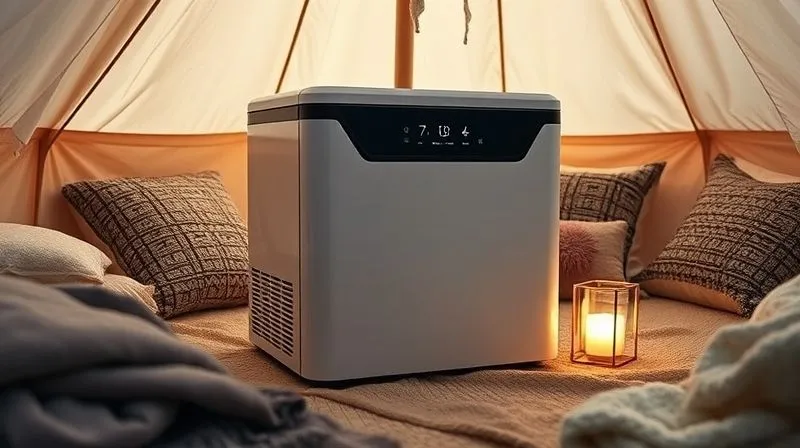
Beating the heat requires a multi-pronged approach. Portable air conditioning units, while power-intensive, are the ultimate luxury. Compact evaporative coolers (swamp coolers) are an excellent, lower-power alternative, especially in dry climates, as they use water to cool the air. High-velocity fans can create a significant breeze, improving comfort by aiding evaporative cooling from your skin. Strategic passive cooling techniques, like opening vents at night to flush out hot air and closing them during the day to trap cooler air, are also vital.
Case Study: Alpine Retreats Defy Winter with Smart Heating
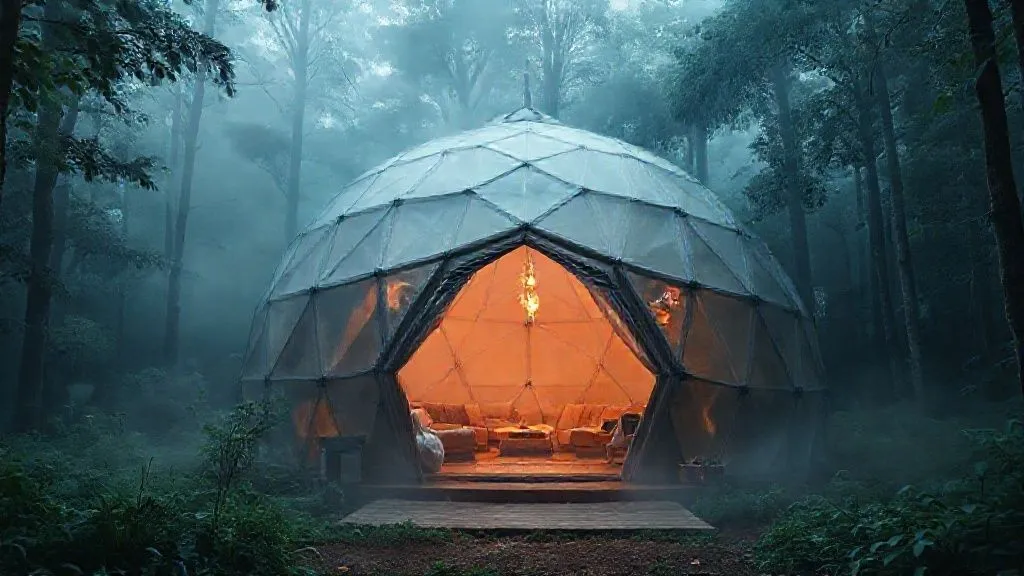
A luxury glamping site, 'The Frosty Peaks Retreat,' situated at 2,500 meters, faced significant challenges in maintaining guest comfort during sub-zero winters. Traditional propane heaters were costly and required frequent cylinder changes. By consulting with thermal engineering experts, I helped them implement a system combining highly insulated geodesic domes with compact, low-emission diesel heaters that were centrally monitored and controlled. Each dome also featured a thermal mass floor. This hybrid approach significantly reduced fuel consumption by 40%, maintained a consistent internal temperature of 22°C even when outside temperatures dropped to -15°C, and dramatically improved guest satisfaction. The investment paid for itself within two seasons through reduced operational costs and increased bookings during the winter months.
“True luxury in glamping isn't just about opulent decor; it's about the invisible comfort of a perfectly regulated environment, allowing you to forget the extremes outside and simply revel in the moment.”
| Option | Pros | Cons | Ideal Use |
|---|---|---|---|
| Portable Propane Heater | Quick heat, widely available fuel | Requires ventilation, fuel resupply, CO risk | Cold nights, smaller tents |
| Wood-Burning Tent Stove | Radiant heat, ambiance, sustainable fuel | Setup, chimney maintenance, fire risk | Extreme cold, larger tents, experienced users |
| Portable AC Unit | Powerful cooling, dehumidifies | High power draw, heavy, expensive | Extreme heat, humid climates, generator access |
| Evaporative Cooler | Low power, adds humidity, effective in dry heat | Less effective in high humidity, water resupply | Dry heat, eco-conscious users |
The Art of Layering: Personal Comfort Beyond the Canvas
While your shelter provides the primary defense, your personal layering strategy is equally crucial for maintaining luxury comfort in extreme outdoor temperatures. This applies not just to clothing, but also to bedding and sleep systems. As an outdoor expert, I've seen many overlook the personal aspect, relying solely on their tent to do all the work.
Performance Apparel for All Extremes
The key to personal temperature regulation lies in the 'three-layer system':
- Base Layer: Wicks moisture away from your skin. Merino wool or synthetic fabrics are excellent for both hot and cold. Avoid cotton, which retains moisture and can chill you in cold weather or feel clammy in heat.
- Mid Layer: Provides insulation. Fleece, down, or synthetic puff jackets trap air to keep you warm. In hot weather, a very light, breathable mid-layer can offer sun protection without overheating.
- Outer Layer: Protects against wind, rain, and snow. A waterproof and windproof shell is essential. Look for breathable membranes to prevent internal condensation.
Even in hot climates, a lightweight, long-sleeved, breathable shirt can protect you from the sun and offer a cooling effect as sweat evaporates. For cold, pack extra socks, gloves, and a warm hat. REI offers an extensive guide on layering for different conditions, a principle I've always championed. Explore REI's layering basics.
Luxury Bedding & Sleep Systems
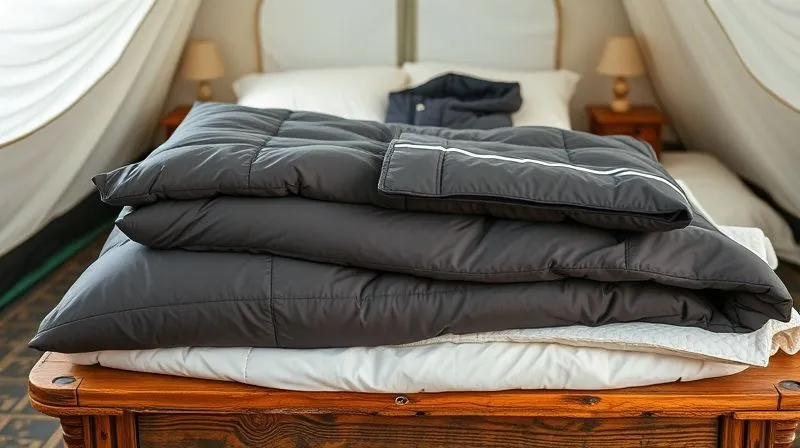
Your sleep is paramount to a luxurious experience. For cold weather, a high-quality sleeping bag rated for the expected temperatures is a must, even if you have a heater. Pair it with an insulated sleeping pad (high R-value) to prevent heat loss to the ground. Add a plush duvet, flannel sheets, and extra blankets for that hotel-like feel. Consider a hot water bottle for extra warmth at your feet.
In hot climates, breathable cotton or linen sheets are ideal. A lightweight down alternative duvet can offer a sense of luxury without excessive warmth. Crucially, ensure your sleeping pad isn't too insulating, or opt for a cot that allows air circulation underneath. Some luxury glamping setups even feature specialized cooling mattresses or mattress toppers that actively regulate temperature, providing a truly undisturbed night's sleep.
Hydration and Nutrition: Fueling Your Comfort from Within
Often overlooked, internal body regulation through proper hydration and nutrition plays a significant role in maintaining comfort, especially in extreme conditions. Your body expends considerable energy trying to maintain its core temperature, and providing it with the right fuel and fluids is essential.
Strategic Hydration in Extreme Heat
In hot weather, dehydration can quickly lead to discomfort and serious health issues. I always emphasize proactive hydration. Drink water regularly, even if you don't feel thirsty. Electrolyte-rich drinks can help replenish salts lost through sweat. Avoid excessive alcohol and caffeine, which can contribute to dehydration. Consider bringing a high-capacity water filter or purification system if you're not relying on bottled water, ensuring a constant supply of safe drinking water.
Beyond drinking, consider external cooling. A cool damp towel around your neck, a spritz bottle with water, or even a small personal fan can provide immediate relief. Eating light, fresh, and hydrating foods like fruits and vegetables also helps keep your body cool from the inside out. A well-hydrated body performs better and recovers faster, making your glamping experience more enjoyable.
Warming Foods for Cold Environments
In cold conditions, your body burns more calories to stay warm. Providing it with nutrient-dense, warming foods is vital. Hot beverages like tea, coffee, and hot chocolate offer immediate warmth and comfort. Hearty stews, soups, and slow-cooked meals are not only delicious but also provide sustained energy. Remember that cooking can also contribute to warming your tent, adding to the overall comfort.
Packing energy-dense snacks like nuts, dried fruit, and chocolate can provide quick boosts of energy. A small, insulated thermos for hot drinks or soup is a luxury I never travel without in cold weather. As a general rule, prioritize complex carbohydrates and healthy fats for sustained energy release. A warm, well-fed body is a happy body, capable of truly appreciating the outdoor luxury experience.
Powering Your Oasis: Energy Solutions for Off-Grid Luxury
Luxury glamping often implies amenities that require power: lighting, heating/cooling, charging devices, and even gourmet cooking appliances. When off-grid, a reliable and silent power source is critical for maintaining luxury comfort in extreme outdoor temperatures. This is not the place to compromise.
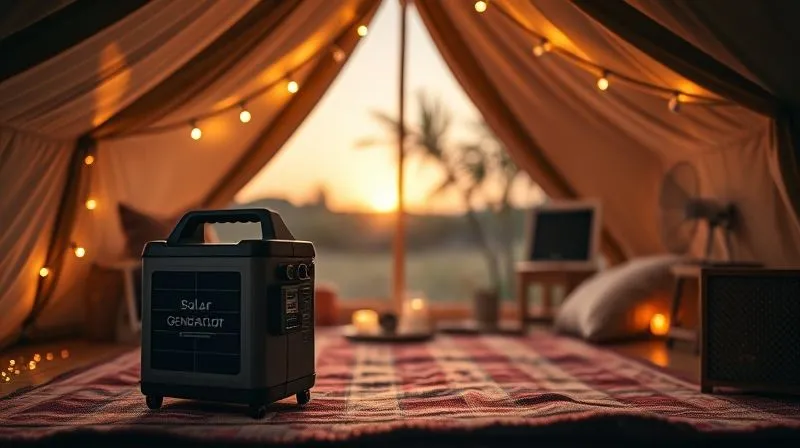
Modern solutions have evolved far beyond noisy, gas-guzzling generators. Portable power stations with lithium-ion batteries are excellent for smaller needs, offering silent operation and multiple charging ports. For more substantial power requirements, especially for AC units or larger heaters, a high-efficiency inverter generator (often called an 'inverter') is a superior choice. These are significantly quieter and more fuel-efficient than traditional generators.
Solar panels, either portable or integrated into your glamping setup, can recharge your power banks or directly power smaller devices, providing a sustainable and silent energy source. Combining solar with a robust battery bank allows for continuous power without the need for constant refueling. Always calculate your expected power consumption to ensure your chosen system can meet your demands throughout your stay. Investing in a quality power solution is investing in uninterrupted comfort.
Embracing Smart Technology: Automation for Seamless Comfort
The convergence of outdoor living and smart technology has revolutionized glamping comfort. For those seeking the pinnacle of luxury, integrating smart devices can provide unprecedented control and convenience, effortlessly adapting your environment to your preferences.
Monitoring & Adjusting Remotely
Imagine being able to check and adjust your tent's temperature from your smartphone while you're out exploring. Smart thermostats and environmental sensors, often connected via Wi-Fi or satellite communication devices, make this a reality. These systems can monitor temperature, humidity, and even air quality, allowing you to preemptively turn on heaters or coolers before you return to your tent. This proactive approach ensures your glamping oasis is always perfectly conditioned upon your arrival, eliminating any discomfort.
I've worked with clients who use these systems to pre-heat their tents during a winter hike or cool them down during a hot desert safari. This level of remote control truly elevates the luxury experience, transforming a simple shelter into a responsive, intelligent environment. It’s about more than just convenience; it’s about optimizing energy usage and maximizing comfort with minimal effort.
Predictive Comfort Systems
The next frontier in glamping tech is predictive comfort. Some advanced systems can integrate with local weather forecasts, automatically adjusting climate control settings based on anticipated temperature changes, solar radiation, and wind. This means your tent is not just reacting to current conditions, but intelligently preparing for future ones. Imagine a system that knows a cold front is coming and gently increases the heating, or prepares for a heatwave by initiating cooling cycles. This kind of automation removes the burden of constant manual adjustments, allowing you to fully immerse yourself in the natural surroundings without compromising on your five-star comfort.
Maintenance & Preparedness: Ensuring Longevity and Reliability
Even the best gear requires diligent maintenance and thorough preparation. My years in the industry have taught me that neglecting these steps is a common pitfall, often leading to equipment failure and compromised comfort when you need it most. Ensuring your luxury setup performs flawlessly in extreme temperatures begins long before you even leave home.
Regular inspection of your tent for any wear and tear, especially seams, zippers, and fabric integrity, is crucial. Small tears can become large rips in strong winds, and compromised waterproofing can lead to leaks. Similarly, check all heating and cooling units before each trip. Test their functionality, inspect fuel lines, electrical cords, and filters. A malfunctioning heater in freezing temperatures or a broken AC unit in scorching heat can quickly turn a luxurious escape into a miserable ordeal.
Always pack a comprehensive repair kit tailored to your specific gear. This should include fabric patches, seam sealer, spare tent poles, and a multi-tool. Knowing how to perform basic field repairs can save your trip. Furthermore, always have a backup plan: extra blankets, an emergency heat source, or alternative cooling methods. Preparedness is the hallmark of a seasoned glamping expert, ensuring your ability to maintain luxury comfort in extreme outdoor temperatures is never left to chance.
| Item | Pre-Trip Check | Action |
|---|---|---|
| Tent Fabric & Seams | Inspect for tears, holes, frayed seams. Check waterproofing. | Patch any damage, re-apply seam sealer/waterproofing agent. |
| Zippers & Fasteners | Ensure smooth operation, no snagging or missing teeth. | Lubricate zippers, replace broken sliders or fasteners. |
| Poles & Stakes | Check for bends, cracks, or missing sections. Ensure stakes are not bent. | Replace damaged poles/stakes. Pack spares. |
| Heater/Cooler Unit | Test functionality, inspect fuel lines/cords, clean filters. | Replace worn parts, clean thoroughly, ensure fuel/power supply is adequate. |
| Power Systems (Solar/Battery) | Test charge, inspect panels for damage, check cable connections. | Charge fully, clean panels, secure all connections. |
| Ventilation Systems | Ensure all vents open/close freely, check mesh for tears. | Repair mesh, clear any obstructions. |
Frequently Asked Questions (FAQ)
What are the most common mistakes glampers make when dealing with extreme temperatures? The most common mistakes I've observed include underestimating the power of the elements, failing to invest in appropriate gear (especially tent insulation and climate control), neglecting site selection, and inadequate personal layering. Many also forget the importance of proper hydration and nutrition, and some fail to perform pre-trip maintenance on their equipment. It's a holistic challenge that requires attention to multiple details.
Is it possible to truly achieve five-star luxury in sub-zero temperatures without a permanent structure? Absolutely, yes. While it requires significant investment and meticulous planning, high-end expedition-grade tents combined with robust heating systems (like diesel or wood-burning stoves designed for tents), insulated flooring, luxury cold-weather bedding, and strategic personal layering can create an incredibly warm and comfortable environment. The key is in the synergy of these elements, all working together to create a controlled microclimate.
How do I balance the desire for an 'eco-friendly' glamping experience with the need for powerful climate control? This is a fantastic and increasingly relevant question. The balance lies in leveraging renewable energy sources like high-efficiency solar panels paired with large-capacity battery banks to power your climate control. For heating, consider compact wood-burning stoves using sustainably sourced wood, or highly efficient diesel heaters with low emissions. For cooling, evaporative coolers are far more eco-friendly than traditional AC. It's about smart, efficient choices that minimize your footprint while maximizing comfort. As marketing guru Seth Godin often says, "The market rewards those who solve problems and create value." In this case, value is comfort with conscience.
What are the critical safety considerations for using heating/cooling units in a glamping tent? Safety is paramount. For heating, always use units designed for indoor use with automatic shut-off features, tip-over protection, and carbon monoxide detectors. Ensure ample ventilation to prevent CO buildup. Never leave heaters unattended. For cooling, ensure electrical connections are secure and weatherproof. Always read and follow the manufacturer's instructions for any appliance. A small fire extinguisher should also be part of your essential gear.
How much power should I budget for if I want both heating and cooling in an extreme environment? This depends heavily on the specific units you choose. Portable AC units can draw 500-1500 watts, while small heaters might draw 200-1000 watts. You'll also need power for lights, charging devices, and potentially cooking. A good rule of thumb is to calculate the wattage of all devices you plan to run simultaneously, then add a 20-30% buffer. For sustained power, especially with AC, a 2000-watt (2kW) inverter generator or a substantial solar array with a 5-10kWh battery bank is often a good starting point. According to a Deloitte study on energy consumption trends, efficient appliances are key to managing off-grid power effectively. Explore energy trends with Deloitte.
Key Takeaways and Final Thoughts
Maintaining luxury comfort in extreme outdoor temperatures is an art and a science, a fusion of advanced technology, meticulous planning, and a deep respect for nature. It's about creating a seamless experience where the wild beauty outside enhances, rather than detracts from, your inner sanctuary.
- Invest in Quality Shelter: Your tent is your primary defense; prioritize advanced materials and smart design.
- Master Climate Control: Utilize efficient heating and cooling solutions tailored to your environment.
- Layer Smartly: Personal comfort starts with appropriate clothing and sleep systems.
- Fuel Your Body: Strategic hydration and nutrition are crucial for internal temperature regulation.
- Power Wisely: Choose reliable, silent energy solutions for all your luxury amenities.
- Embrace Technology: Smart monitoring and automation can elevate convenience and comfort.
- Prioritize Preparedness: Regular maintenance and a robust backup plan are non-negotiable.
By integrating these expert strategies, you’re not just glamping; you’re crafting an unparalleled outdoor living experience. You're transforming challenging conditions into an opportunity for deeper comfort and connection with nature, proving that true luxury knows no temperature bounds. Go forth, explore, and luxuriate, knowing you're fully equipped to handle whatever the world throws at you.
Recommended Reading
- Short Winter Hikes: 7 Ways to Boost Clarity When Time's Tight
- 7 Secrets to Find Private Luxury Sunbathing Beaches for Elite Clients
- Unmasking the True Cost: What Are the Hidden Fees on Budget Cruise Lines?
- 7 Steps to Prove ROI for Luxury Holistic Healing Wellness Programs
- How to Vet Culturally Authentic Folk Dance Groups for Tours: 7 Expert Steps

Your email address will not be published. Required fields are marked *