

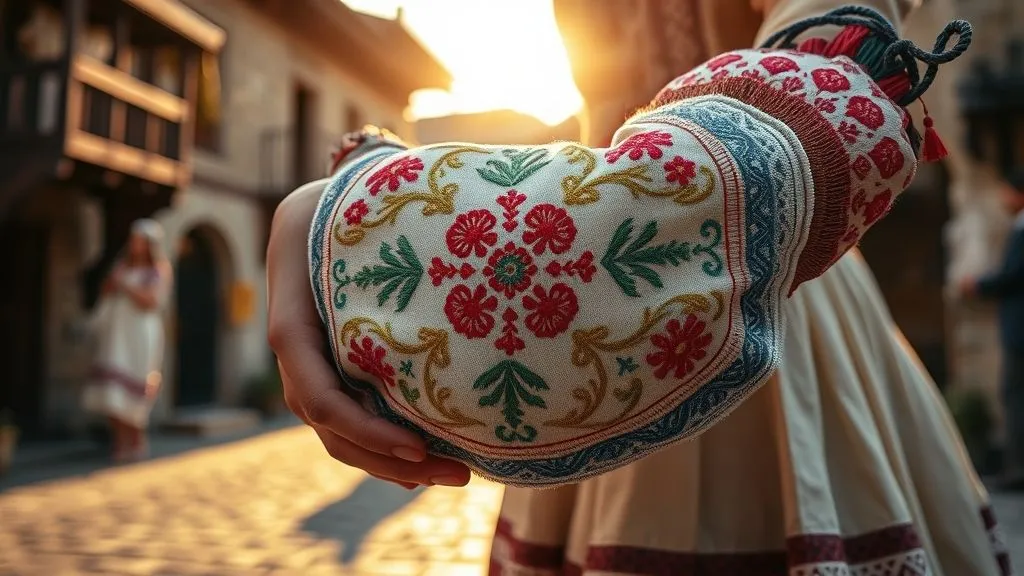
How to Vet Culturally Authentic Folk Dance Groups for Tours?
For over two decades in the vibrant world of cultural travel, I've witnessed the profound impact a truly authentic experience can have on a traveler. Conversely, I've also seen the deep disappointment – and even cultural harm – that arises when authenticity is merely a facade.
The challenge for tour operators, travel agencies, and even independent cultural enthusiasts lies in navigating a landscape increasingly saturated with commercialized performances. How do you distinguish between a genuine expression of heritage and a watered-down, 'tourist-friendly' adaptation? The stakes are high: misrepresentation can erode trust, disrespect local traditions, and diminish the very essence of cultural exchange.
This guide is born from years of hands-on experience and a deep commitment to ethical cultural tourism. I’m going to share with you a comprehensive, step-by-step framework on how to vet culturally authentic folk dance groups for tours? – a process designed to ensure that the experiences you offer are not only captivating but also deeply respectful, enriching, and genuinely representative of the cultures they portray. We'll explore everything from initial research to long-term partnerships, equipping you with the tools to make informed, responsible choices.
Understanding the Imperative of Cultural Authenticity in Tourism
In today's globalized world, travelers are increasingly seeking profound, meaningful connections with local cultures. They desire more than just sightseeing; they want to immerse themselves, learn, and understand the heart of a destination.
Authentic folk dance performances offer a unique window into a community's history, values, and artistic expression. When done right, they are powerful vehicles for cultural preservation and cross-cultural understanding. My experience has shown that prioritizing authenticity isn't just a moral obligation; it's a strategic advantage that builds reputation and fosters deeper traveler satisfaction.
As the UNWTO often emphasizes, responsible tourism hinges on respecting socio-cultural authenticity. This means ensuring that cultural heritage is preserved, and host communities benefit fairly.
The Pitfalls of Unvetted Cultural Performances
Allow me to paint a picture I've seen play out countless times: a tour group arrives, excited for a 'traditional' show. What they encounter is a generic spectacle, performers in ill-fitting, inaccurate costumes, playing music that feels more pop than ancestral, all designed to appeal to the lowest common denominator.
This isn't just a missed opportunity; it's a profound disservice. It perpetuates stereotypes, trivializes sacred traditions, and can even contribute to cultural appropriation. For the tour operator, it means disappointed clients, negative reviews, and a damaged brand reputation. In my early days, I once booked a group for what was marketed as an authentic 'tribal dance,' only to find it was a hastily choreographed performance by students wearing mass-produced imitations. The feedback was brutal, and the lesson was invaluable.
"Authenticity in cultural tourism isn't a luxury; it's the bedrock of meaningful engagement and responsible travel. Without it, we risk turning vibrant heritage into mere spectacle."
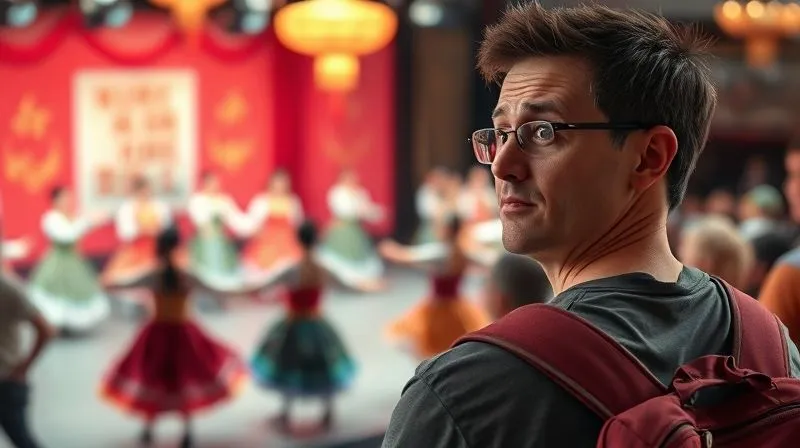
Step 1: Deep Dive into Cultural Context and Research
Before you even think about contacting a dance group, you must become a student of the culture. This initial groundwork is non-negotiable for anyone serious about **how to vet culturally authentic folk dance groups for tours?** effectively.
Your goal is to understand the historical, social, and spiritual significance of the folk dances in question. What narratives do they tell? What ceremonies or celebrations are they traditionally part of? Which ethnic groups perform them, and what are their specific traditions?
Identifying the True Roots: Beyond Surface-Level Performances
Start by identifying the specific regions, communities, and ethnic groups associated with particular dance forms. Not all dances from a country are uniform; regional variations are crucial. For instance, in India, the classical Bharatanatyam is vastly different from the folk Bhangra of Punjab, and both differ from the tribal dances of the Northeast.
Look for academic papers, ethnographic studies, and publications from reputable cultural institutions. The more you know, the better equipped you'll be to spot inconsistencies.
Leveraging Academic and Local Resources
Seek out universities with strong anthropology or ethnomusicology departments focusing on the region. Consult local historians, cultural centers, and community elders. They are invaluable gatekeepers of knowledge. Websites like UNESCO's Intangible Cultural Heritage list can provide excellent starting points for understanding globally recognized traditions.
Step 2: Establishing a Robust Vetting Framework
Once you have a foundational understanding, you need a systematic approach to evaluate potential partners. This involves creating clear criteria and leveraging local expertise.
Criteria for Evaluating Authenticity: A Checklist Approach
I recommend developing a comprehensive checklist that covers several key areas. This ensures consistency and thoroughness in your assessment process.
| Criterion | Question |
|---|---|
| Origin & Lineage | Can the group trace its lineage or training directly to traditional practitioners or community elders? |
| Repertoire Accuracy | Do their dances accurately reflect traditional forms, narratives, and regional variations? |
| Costume & Props Authenticity | Are costumes, masks, and props handmade, culturally accurate, and historically appropriate? |
| Music & Instrumentation | Is the music live, performed on traditional instruments, and culturally appropriate for the dance? |
| Community Connection | Are performers members of the originating community, and does the community benefit directly? |
| Ethical Practices | Do they have fair compensation, respectful working conditions, and informed consent for cultural sharing? |
The Role of Local Cultural Liaisons
Perhaps the single most critical asset in your vetting process is a trusted local cultural liaison. This individual or organization should be deeply embedded in the community, fluent in local languages, and possess an intimate understanding of the cultural nuances. They can act as your eyes and ears, bridging cultural gaps and providing invaluable insights that an outsider simply cannot obtain.
Finding such a person requires networking and building trust, but their expertise is worth every effort. They can guide you through local protocols, introduce you to authentic groups, and help you navigate potential pitfalls.
Step 3: Direct Engagement and Observational Assessment
There's no substitute for seeing a performance firsthand and engaging directly with the performers and community. This is where your research moves from theory to practice.
What to Look For During Live Auditions or Performances
Attend as many local performances as possible, not just those marketed to tourists. Observe the audience: are locals present and engaged? Pay attention to the energy, the precision, and the emotional depth of the dancers. Does it feel rehearsed for a show, or does it feel like a living tradition?
Look for subtle details: the way a dancer moves their eyes, the specific rhythm of a drum, the interaction between performers. These are often indicators of deep cultural immersion versus superficial imitation. A truly authentic performance often carries a spiritual or communal weight that is palpable.
Interviewing Performers and Community Elders
Engage with the dancers themselves. Ask about their training, their connection to the dance, and what it means to them. If possible, speak with elders from the community. Their stories and perspectives are invaluable. Ask about the history of the dance, its significance, and how it has been passed down through generations. This direct interaction helps you gauge the group's commitment to preserving their heritage.
Step 4: Scrutinizing Repertoire, Costumes, and Music
The devil, as they say, is in the details. Authenticity is often revealed or betrayed by the specific elements of a performance.
The Nuances of Traditional Attire and Instrumentation
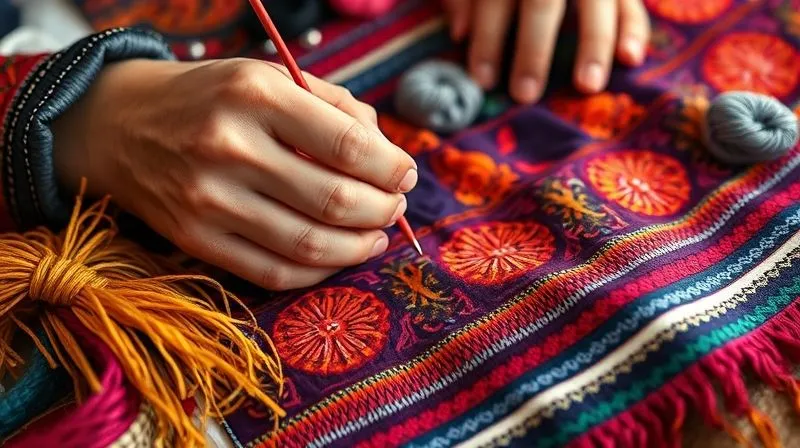
Costumes: Are they handmade using traditional materials and techniques? Do they adhere to historical patterns and colors? Be wary of synthetic fabrics, glitter, or generic 'ethnic' designs that don't match your research. Each element, from headwear to footwear, often carries symbolic meaning. Inquire about the origin of materials and the process of making the costumes.
Music and Instruments: Is the music live, or is it a pre-recorded track? Are the instruments traditional to the culture and region? Are they played by musicians who understand their cultural significance? The raw, unamplified sound of traditional instruments often conveys a power that synthesized music cannot replicate. A skilled ethnomusicologist could even identify subtle melodic or rhythmic deviations.
Verifying Dance Forms and Narrative Accuracy
Compare the movements, formations, and narratives of the dance group with your research. Are the gestures precise and meaningful? Do the stories they convey align with the cultural context? Sometimes, groups simplify complex narratives for a wider audience, which can be acceptable if done respectfully and transparently, but outright altering or inventing narratives is a red flag.
Focus on the integrity of the performance. A truly authentic group will perform with a sense of purpose, not just for entertainment.
Step 5: Assessing Community Involvement and Ethical Practices
Authenticity extends beyond the stage; it encompasses the entire ecosystem surrounding the performance. Ethical considerations are paramount.
Ensuring Fair Compensation and Respect for Performers
One of the most critical aspects of responsible cultural tourism is ensuring that the performers and their community benefit fairly. Are the dancers paid adequately? Do they have safe and respectful working conditions? Avoid groups that exploit their members or operate under unfair labor practices. A truly authentic group often has strong community ties, and its members are performing not just for money, but to share and preserve their heritage.
Ask about the group's governance structure. Is it community-led? Do profits flow back into the community or cultural preservation efforts? This demonstrates a commitment to sustainable cultural practices.
Case Study: The 'Spirit of Kalinga' Initiative
I recall working with a tour operator aiming to feature indigenous dances from the Kalinga province in the Philippines. Initially, they approached a commercial troupe in Manila. My local liaison quickly intervened, explaining that while talented, this group was several generations removed from Kalinga and their performance, though polished, lacked the deep cultural resonance. Instead, we connected with the 'Spirit of Kalinga' – a collective directly based in the mountains, comprising actual community members, elders, and youth. They performed dances passed down through their families, using instruments crafted by their own hands. The tour operator paid a fair, negotiated fee directly to the community fund, which supported local education and cultural preservation. The result? Unforgettable, deeply moving performances for travelers and genuine economic and cultural empowerment for the Kalinga people. This is a prime example of how to vet culturally authentic folk dance groups for tours? successfully by prioritizing community connection and ethical remuneration.
Step 6: Building Long-Term Relationships and Feedback Loops
Vetting isn't a one-time event. It's an ongoing process of relationship building and continuous improvement.
Continuous Monitoring and Post-Tour Evaluations
Maintain open lines of communication with the dance group and your local liaison. After each tour, gather feedback from your travelers. Were their expectations met? Did they feel the experience was authentic? Also, solicit feedback from the dance group itself. Are there ways to improve the experience for them? Are their cultural sensitivities being respected?
Cultural traditions evolve, and so should your understanding. Regular check-ins ensure that the authenticity and ethical practices remain consistent over time.
Incorporating Traveler Feedback Ethically
When collecting traveler feedback, frame questions carefully to avoid imposing external, potentially misinformed, standards of 'authenticity.' Focus on their experience of connection, learning, and respect. Share constructive feedback with the dance group in a culturally sensitive manner, always prioritizing the preservation of their traditions over commercial demands.
Step 7: Red Flags and How to Avoid Them
Even with a robust vetting process, vigilance is key. There are common signs that indicate a group might not be as authentic as it claims.
Common Misrepresentations and Commercialization Traps
- Generic Marketing: Vague descriptions like 'exotic native dances' or 'ancient tribal rituals' without specific cultural or regional attribution are immediate red flags.
- Overly Polished & Shortened Performances: While professional, a performance that feels too slick, devoid of natural pauses or ritualistic elements, or drastically shortened for tourist attention, may indicate commercialization over authenticity.
- Lack of Community Connection: If the performers are from a different region, or if the group has no demonstrable ties to the originating community, question their authenticity.
- Mass-Produced Costumes & Props: Shiny, factory-made costumes, or instruments that look like souvenirs, are often signs of inauthenticity.
- Pressure for Tips/Sales: While customary in some cultures, an aggressive push for tips or souvenir sales during or immediately after a performance can detract from the cultural experience.
- Exclusive 'Tourist-Only' Venues: Performances exclusively held in sterile, purpose-built venues away from local life can suggest a performance designed solely for external consumption, rather than a living tradition.
Frequently Asked Questions (FAQ)
Question: What if my budget is limited, and authentic groups are more expensive? Authentic groups often require fair compensation for their expertise, time, and the preservation of their heritage. Consider the value you're providing to your travelers and the community. Rather than compromising on authenticity, explore options like smaller, more intimate performances, or work with communities to develop sustainable pricing models. Sometimes, a slightly higher cost for a truly meaningful experience is better than a cheaper, inauthentic one that disappoints.
Question: How do I handle language barriers when vetting groups? This is where your local cultural liaison becomes indispensable. They can translate, interpret cultural nuances, and facilitate respectful communication. If a liaison isn't feasible, invest in professional translation services for key interviews and documents. Always prioritize clear, direct communication, even if it takes more time.
Question: Can a dance group evolve or adapt its performance for tourists and still be authentic? Cultural traditions are dynamic and often adapt. The key is respectful adaptation, not dilution or misrepresentation. If a group simplifies a narrative or shortens a performance, it should be done with integrity, transparency, and the approval of community elders. The core elements – movements, music, meaning – should remain intact. Discuss these adaptations with the group and understand their rationale.
Question: What if there are multiple 'authentic' groups for the same dance form? How do I choose? This is a wonderful problem to have! If multiple groups are genuinely authentic, consider factors like their experience working with tourists (if any), their community involvement, their flexibility, and their specific repertoire. You might also consider rotating groups to support more communities or offer diverse regional variations to your travelers.
Question: How can I ensure the safety and ethical treatment of performers, particularly children? Prioritize groups that explicitly follow ethical guidelines regarding child performers (if applicable) and general performer welfare. Ensure contracts are fair, working conditions are safe, and there is no exploitation. Align with international standards for responsible tourism and child protection policies. Your local liaison can help monitor these aspects.
Key Takeaways and Final Thoughts
- Research is Your Foundation: Deep dive into the cultural context before engaging any group.
- Build a Vetting Framework: Use a checklist and clear criteria to assess authenticity systematically.
- Leverage Local Expertise: A trusted cultural liaison is your most valuable asset.
- Engage Directly: Observe live performances and interview performers and elders.
- Scrutinize Details: Pay close attention to costumes, music, and dance forms for accuracy.
- Prioritize Ethics: Ensure fair compensation, community benefit, and respectful practices.
- Foster Long-Term Relationships: Vetting is an ongoing process of trust and mutual respect.
The journey of **how to vet culturally authentic folk dance groups for tours?** is a rewarding one, demanding patience, respect, and a genuine commitment to cultural integrity. By following these steps, you're not just booking a performance; you're becoming a steward of cultural heritage, facilitating profound cross-cultural connections, and delivering truly unforgettable experiences for your travelers. Let's commit to celebrating and preserving the world's vibrant folk traditions, one authentic dance at a time.
Recommended Reading
- The Secret to Saving Fuel on Extended Cross-Country Drives Revealed!
- Arctic Survival: 7 Pro Strategies Guides Use to Prevent Hypothermia
- Wide Feet? The Best Rock Climbing Shoes for Beginners Revealed!
- Unlock City Landmarks: Maximize Your Work Trip Sightseeing in 5 Steps
- Unlock Luxury: 7 Strategies to Attract City Breakers to Niche Nightlife




Your email address will not be published. Required fields are marked *