

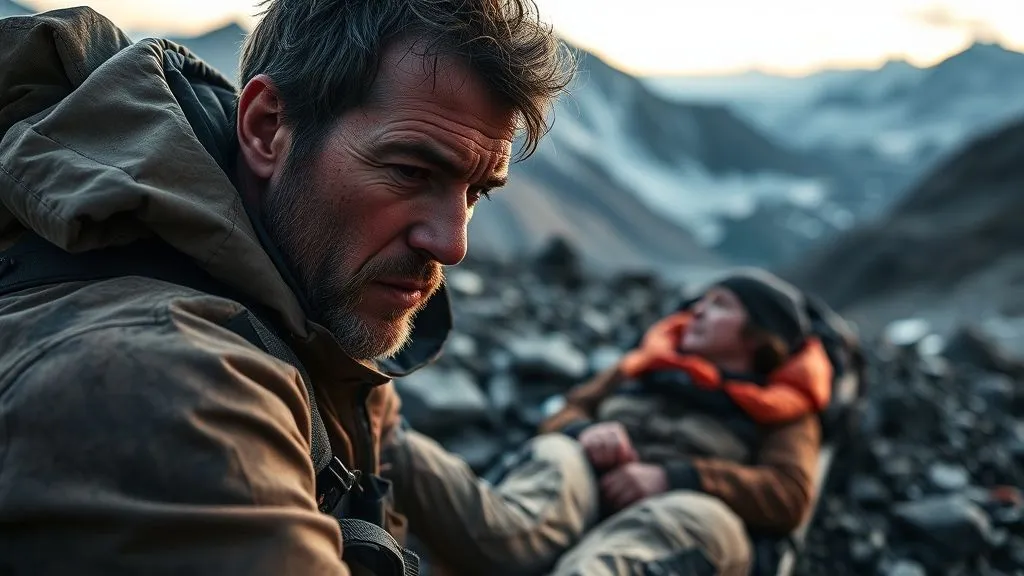
How to Manage a Critically Injured Client When 3 Days from Extraction?
For over two decades navigating some of the planet's most unforgiving landscapes, I've faced situations that test every fiber of your being. The moment you realize a client is critically injured, miles from help, with days until extraction, a chilling clarity descends. It's a crucible where leadership, medical knowledge, and sheer human resilience are forged.
This isn't merely a challenge; it's a profound responsibility. The silence of the wilderness can amplify every fear, every doubt, as you grapple with the immediate and long-term implications of a severe injury. You're not just a guide; you become an impromptu medic, a psychologist, a logistics expert, and, most importantly, a beacon of hope for someone whose life rests in your hands.
In this definitive guide, I will share the frameworks, protocols, and mindset necessary to navigate this harrowing scenario. We'll delve into actionable strategies for immediate stabilization, meticulous resource management, crucial communication tactics, and the often-overlooked psychological support required for both client and guide. My aim is to equip you with the knowledge to transform a dire situation into a controlled, professional response, ensuring the best possible outcome when you're three days from help.
The Golden Hour & Immediate Stabilization: First Principles in Remote Trauma
When a critical injury occurs, the first few minutes, often referred to as the 'Golden Hour,' are paramount. While a true 'hour' might be a luxury in the remote wilderness, the principles of rapid assessment and intervention remain crucial. Your immediate actions can dramatically influence the client's prognosis.
My experience has taught me that panic is the enemy of good decision-making. Take a breath, assess, and act systematically. This starts with the ABCDE approach, a cornerstone of trauma care adapted for the wilderness:
- A - Airway: Ensure a clear and open airway. Is the client conscious and speaking? If not, check for obstructions. Use a jaw-thrust maneuver if cervical spine injury is suspected.
- B - Breathing: Assess breathing rate, effort, and symmetry. Look, listen, and feel. Are there any signs of chest trauma? Administer supplemental oxygen if available and trained.
- C - Circulation: Check for a pulse (radial or carotid), skin color, and temperature. Control any major external bleeding immediately using direct pressure, elevation, and if necessary, a tourniquet or hemostatic dressing. Treat for shock.
- D - Disability (Neurological Status): Assess consciousness using the AVPU scale (Alert, Verbal, Pain, Unresponsive). Check pupil response and motor/sensory function if spinal injury is not suspected.
- E - Exposure/Environment: Fully expose the patient to identify all injuries, then quickly cover to prevent hypothermia. The wilderness is unforgiving; maintaining core body temperature is critical.
Once the primary survey is complete and life threats are addressed, a rapid secondary survey follows, head-to-toe, looking for less obvious injuries. Document everything you find, even if it's just mental notes initially.
"In the wilderness, preparedness isn't just about gear; it's about the mental fortitude to execute critical protocols under immense pressure." - Dr. Paul Auerbach, Wilderness Medicine Expert
This initial phase is about buying time, stabilizing the patient, and preventing further deterioration. It’s where your foundational wilderness first aid training truly shines.
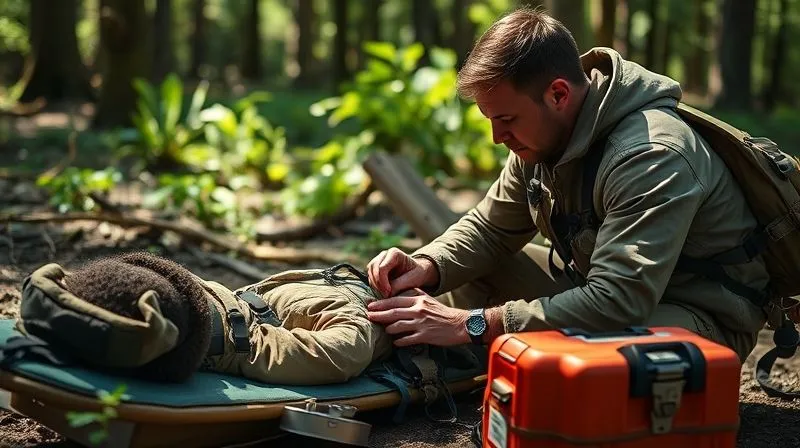
Strategic Resource Management: Making Every Item Count
Three days from extraction means every single item in your pack, every piece of shared group gear, becomes a potential life-saving tool. This isn't just about having the right gear; it's about the ingenuity to maximize its utility. Inventory management and improvisation are your best friends.
Assessing and Repurposing Your Kit
Start with a thorough inventory of all medical supplies, food, water purification, shelter components, and communication devices. Categorize them by immediate necessity and potential for multi-use. For instance, a sleeping pad isn't just for comfort; it's insulation, a splinting component, or even flotation. Duct tape can fix gear, create makeshift bandages, or secure splints.
According to the Wilderness Medical Society (WMS) guidelines, a well-stocked wilderness medical kit is essential, but equally important is the ability to adapt its contents. Think beyond their primary purpose. For example, a simple plastic bag can be a sterile wound cover, a water collector, or a barrier for warmth.
Critical Supplies & Multi-Use Potential
| Item | Primary Use | Secondary Use |
|---|---|---|
| Emergency Blanket | Hypothermia Prevention | Shelter component, signaling device, rain cover |
| Duct Tape | Gear Repair | Splinting, blister prevention, wound closure (butterfly strips) |
| Sleeping Pad | Insulation/Comfort | Splinting, ground insulation, flotation aid |
| Bandanas/Scarves | Sun Protection/Hygiene | Tourniquet, sling, bandage, water filter pre-filter |
| Paracord/Rope | Tying/Securing | Shelter building, splinting, patient transport aid |
| Trash Bags (Heavy Duty) | Waste Management | Rain gear, ground sheet, bivy sack, water collection |
Beyond gear, your most valuable resources are often intangible: your knowledge, your team's collective skills, and your capacity for calm leadership. Delegate tasks where appropriate, ensuring everyone feels contributing and useful.
Advanced Wilderness First Aid: Beyond the Basics for Prolonged Care
With three days until extraction, you're not just providing first aid; you're managing a prolonged field care scenario. This demands a deeper understanding of injury management, infection prevention, and sustained patient monitoring.
Pain Management and Wound Care
Managing pain is critical, not just for comfort but to prevent shock and maintain morale. Without prescription medication, focus on non-pharmacological methods:
- Immobilization: Stabilize fractures or sprains using splints. Movement exacerbates pain.
- Positioning: Find a comfortable position for the client, supporting injured limbs.
- Distraction: Engage the client in conversation, tell stories, or focus on positive future plans.
- Warmth and Shelter: A warm, dry, and secure environment significantly reduces discomfort.
Wound care is paramount to prevent infection, which can quickly become life-threatening in the wilderness. Clean wounds thoroughly with potable water and antiseptic wipes. Dress them with sterile materials, changing dressings regularly if possible. Monitor for signs of infection: redness, swelling, warmth, pus, increased pain, or fever.
Case Study: The Alpine Guide's Dilemma – Sustaining a Fractured Femur Patient
In the remote Alaskan range, Sarah, a seasoned alpine guide, was leading a client, Mark, when he sustained an open femoral fracture during an unexpected rockfall. Extraction was estimated at 72 hours due to weather and location. Sarah immediately controlled the severe bleeding, splinted the leg using trekking poles and duct tape, and administered pain relief from her limited supply. Recognizing the multi-day wait, she focused on creating a stable, warm shelter, improvising a windbreak from snow and a tarp. She meticulously monitored Mark's vital signs every 2 hours, maintained hydration with melted snow, and used storytelling to keep his spirits up. Despite the extreme conditions, her diligent care, proactive infection prevention, and unwavering psychological support were instrumental in stabilizing Mark until the rescue team arrived, minimizing complications from prolonged exposure and injury.
Monitoring vital signs (pulse, respiration, skin condition, mental status) becomes a continuous process. Document changes to track trends and communicate accurately with rescue teams. This meticulous approach is what separates basic first aid from effective prolonged field care.
Psychological First Aid: Sustaining Hope for Client and Guide
A critical injury in a remote setting is a profound psychological shock for everyone involved. Beyond the physical, managing fear, anxiety, and potential delirium in the client, and combating rescuer fatigue and decision paralysis in yourself, is essential. The mind can be both your greatest asset and your most dangerous adversary.
Strategies for Client Support
- Honest but Reassuring Communication: Be truthful about the situation, but always frame it with a focus on your capabilities and the plan for extraction. Avoid false promises.
- Maintain Dignity: Help the client maintain as much self-sufficiency as possible within their limitations. Respect their privacy and comfort.
- Distraction and Engagement: Engage them in conversation, ask about their life, family, or interests. This helps to shift focus away from pain and fear.
- Small Victories: Celebrate small achievements, like finishing a meal or successfully changing a dressing. These build morale.
- Future Orientation: Talk about what they'll do when they get home, future trips, or recovery plans. This gives them something to look forward to.
For yourself, the guide, managing stress is equally important. Recognize the signs of fatigue, stress, and emotional strain. Take short breaks if possible, even just a few minutes to compose yourself. Trust your training and lean on the plan you've established.

Establishing Communication & Evacuation Protocols
Effective communication is the lifeline to rescue. Before any trip, a robust communication and evacuation plan must be in place. When an incident occurs, activating this plan immediately is non-negotiable.
S.A.R. Communication Best Practices
- Activate Emergency Device: Use your satellite phone, inReach, or SPOT device to send an SOS. Be prepared to provide critical information.
- Prepare a Detailed Report: Have a concise summary ready: Location (GPS coordinates), Nature of Injury, Number of Patients, Mechanism of Injury, Age/Gender of Patient, Resources Available, Weather, and your Contact Info (LAST).
- Maintain Contact: Conserve battery, but establish a regular check-in schedule with the rescue coordination center. Be patient; rescue takes time.
- Designate a Spokesperson: If you have a team, one person should be the primary communicator to avoid confusion.
- Signal for Aircraft: If you hear or see aircraft, use reflective materials, signal mirrors, or V-signals to attract attention. Clear a landing zone if appropriate and safe.
As Global Rescue emphasizes, the speed and clarity of your initial report can significantly impact the efficiency of the rescue operation. Every detail matters, from the patient's exact symptoms to the local weather conditions and potential landing zones.
Even if communication is established, assume it could fail. Always have contingency plans, including visual signals and pre-arranged rendezvous points if direct communication is lost.
Shelter & Environmental Protection: Your Wilderness 'ICU'
Once immediate life threats are managed and communication is initiated, your next priority is creating a safe, stable, and protected environment for the client. This makeshift 'wilderness ICU' is vital for preventing further injury and managing conditions like hypothermia or hyperthermia.
Constructing a Survival Shelter for Prolonged Care
- Location, Location, Location: Choose a site that offers natural protection from wind, falling debris, and potential hazards. Consider proximity to water and fuel for warmth.
- Insulation from the Ground: The ground is a notorious heat sink. Use sleeping pads, pine boughs, dry leaves, or even empty backpacks to create a thick barrier beneath the client.
- Overhead Protection: A tarp, emergency blanket, or natural overhead cover (dense tree canopy, rock overhang) will shield from rain, snow, or direct sun.
- Wind Break: Crucial for preventing convective heat loss. Use natural features, snow walls, or backpacks/gear to create a barrier against prevailing winds.
- Warmth: If conditions allow and you are trained, a small, controlled fire can provide warmth and psychological comfort. Ensure proper ventilation.
- Accessibility: The shelter needs to be easily accessible for you to administer care and for the rescue team upon arrival.
Maintaining the client's core body temperature is non-negotiable. Even in moderate temperatures, a critically injured person is highly susceptible to hypothermia. Layer clothing, use emergency blankets, and ensure they are dry. Conversely, in hot environments, provide shade and hydration to prevent hyperthermia.

Nutrition & Hydration for the Critically Injured
Maintaining adequate nutrition and hydration is often overlooked in critical situations, but it's vital for recovery and maintaining strength over a prolonged period. A critically injured client, especially one in pain or shock, may have little appetite or feel nauseous, making this a challenge.
Fluid and Calorie Management
Dehydration can rapidly worsen a patient's condition. Offer small, frequent sips of water. If available, electrolyte solutions or even diluted sports drinks can be beneficial. Monitor urine output as a crude but effective measure of hydration status.
For nutrition, focus on easily digestible, high-calorie foods. Broths, rehydrated meals, or energy bars, broken into small pieces, are good options. Avoid heavy, fatty, or spicy foods that might induce nausea. Even a few hundred calories a day can make a significant difference over three days.
Daily Hydration & Calorie Target (Example for Adult Patient)
| Parameter | Target per Day | Notes |
|---|---|---|
| Fluid Intake (approx.) | 2-3 liters (68-100 oz) | Small, frequent sips. Monitor urine output. |
| Calorie Intake (approx.) | 1000-1500 kcal | Focus on easily digestible, high-energy foods. |
| Electrolytes | As available (e.g., sports drinks, salt tablets) | Crucial for fluid balance and muscle function. |
| Monitoring | Constant | Assess for signs of dehydration (dry mouth, lethargy) or nausea. |
As the CDC advises on emergency food and water preparedness, simple, non-perishable items are best. If you have any powdered drinks or rehydration salts, these become invaluable. The goal is to provide sustenance without overwhelming the digestive system.
The Mental Game: Resilience and Decision-Making Under Duress
Leading a critically injured client through three days of remote waiting isn't just a test of your medical skills; it's a profound examination of your mental resilience and leadership. The psychological toll on the guide can be immense, leading to decision paralysis or 'hero syndrome' – where a guide attempts overly risky actions due to perceived pressure.
Cultivating Mental Toughness
- Stress Inoculation: Prior training and scenario practice help build mental frameworks. When a real crisis hits, your brain defaults to trained responses, reducing panic.
- Cognitive Reframing: Instead of focusing on the overwhelming nature of the situation, reframe it into manageable tasks: 'I need to check vitals now,' 'I need to adjust the splint.'
- Self-Care (Briefly): Even a few minutes of conscious breathing, a mental review of positive outcomes, or a quick sip of water for yourself can reset your focus.
- Avoid Isolation: If you have a co-guide or experienced team members, lean on them for support and to cross-check decisions. Even talking through your thoughts aloud can help.
"Leadership in a crisis is not about having all the answers, but about the unwavering commitment to finding them, even when fear is a constant companion." - Adapted from Simon Sinek's leadership principles.
Remember, you are the client's anchor. Your composure, even if feigned at times, is contagious. Project confidence and competence. This isn't about ignoring your fears, but about managing them so they don't compromise your ability to lead and care for your client.

Frequently Asked Questions (FAQ)
How do I manage severe pain without prescription medication in the wilderness? Managing severe pain without pharmaceuticals is challenging but crucial. Focus on meticulous immobilization of the injured area, ensuring the client is in the most comfortable position possible, and maintaining warmth and dryness. Use distraction techniques like engaging conversation, storytelling, or focusing on their recovery and future plans. Psychological reassurance and a calm demeanor from the guide can also significantly reduce a client's perception of pain. Continuous monitoring for signs of shock is also vital, as uncontrolled pain can exacerbate it.
What are the absolute minimum vital signs to monitor and how frequently? The absolute minimum vital signs to monitor are level of consciousness (AVPU scale), pulse (rate, rhythm, quality), and respiration (rate, effort, quality). Skin condition (color, temperature, moisture) is also a critical indicator. In a stable, critically injured client, aim to monitor these every 1-2 hours. If the client's condition deteriorates, or they are unstable, monitoring should be continuous, every 15-30 minutes, or even more frequently. Documenting these observations consistently is vital for tracking trends and providing accurate updates to rescue teams.
How do I deal with a client who is panicking or becoming unresponsive? For a panicking client, maintain a calm, reassuring tone. Speak slowly and clearly. Help them focus on their breathing and remind them of the plan for rescue. If they are responsive, try to engage them in simple tasks or conversation to redirect their focus. If a client is becoming unresponsive, immediately re-evaluate their ABCs (Airway, Breathing, Circulation). This is a critical sign of deterioration, potentially indicating worsening shock, head injury, or severe hypothermia. Expedite communication with rescue services and prepare for advanced life support measures within your scope of training.
What if my communication device fails when I'm 3 days from extraction? A communication device failure is a serious setback. Your initial plan should always include multiple layers of communication and signaling. If your primary device fails, revert to secondary options: a personal locator beacon (PLB), a backup satellite phone, or even a pre-arranged emergency contact plan. If electronic communication is entirely lost, you must rely on visual signaling (signal mirrors, brightly colored tarps, V-signals for aircraft) and, as a last resort, self-evacuation if the patient's condition and your skills allow for it, though this is extremely risky with a critically injured client. This underscores the importance of a detailed pre-trip emergency plan.
How can I conserve my own energy and mental state during a prolonged wait? Conserving your own energy and mental state is crucial for effective patient care. Prioritize short, regular rest periods, even if it's just sitting for 10-15 minutes. Maintain your own hydration and nutrition. Delegate tasks to other team members if available. Practice mindful breathing or a quick mental review of your plan to stay focused. Acknowledge your stress but don't let it overwhelm your decision-making. Remind yourself of your training and the profound responsibility you carry. Your client needs you at your best, which means you must also care for yourself.
Key Takeaways and Final Thoughts
Managing a critically injured client three days from extraction is arguably one of the most demanding challenges an adventure guide can face. It's a true test of skill, resilience, and character. This scenario demands not just medical proficiency, but also exceptional leadership, resourcefulness, and psychological fortitude.
- Act Systematically: Always revert to the ABCDE assessment and structured protocols to avoid panic.
- Maximize Resources: Every item has multiple uses; be creative and meticulous in your inventory management.
- Prioritize Environment: A safe, warm, and dry shelter is as critical as direct medical care.
- Sustain Hope: Provide psychological first aid for your client and manage your own stress to maintain effective leadership.
- Communicate Clearly: Your connection to the outside world is your lifeline; ensure your reports are accurate and consistent.
- Continuous Learning: Your WFR/WEMT certification is just the beginning. Continuously update your skills and knowledge.
The weight of responsibility in such a situation is immense, but so is the profound satisfaction of bringing a client home safely against all odds. Your preparedness, professional conduct, and unwavering commitment are not just skills; they are the embodiment of trust your clients place in you. Stay sharp, stay current, and always remember the human element at the heart of every wilderness emergency. The lives you protect are a testament to your dedication.
Recommended Reading
- Overcoming Solo Trip Anxiety: Calm Nerves, Find Peace
- Space Tourism's Legal Void: 5 Strategies to Close Liability Gaps
- Your Wheelchair Damaged? What To Do If Airline Damages Wheelchair!
- Unlock the Magic: Discover Kid-Friendly Destinations That Offer Educational Fun
- RV Road Trip Ready: Master Cross-Country Length & Towing Laws Now!



Your email address will not be published. Required fields are marked *