


What to Do If Airline Damages Your Wheelchair: A Comprehensive Guide
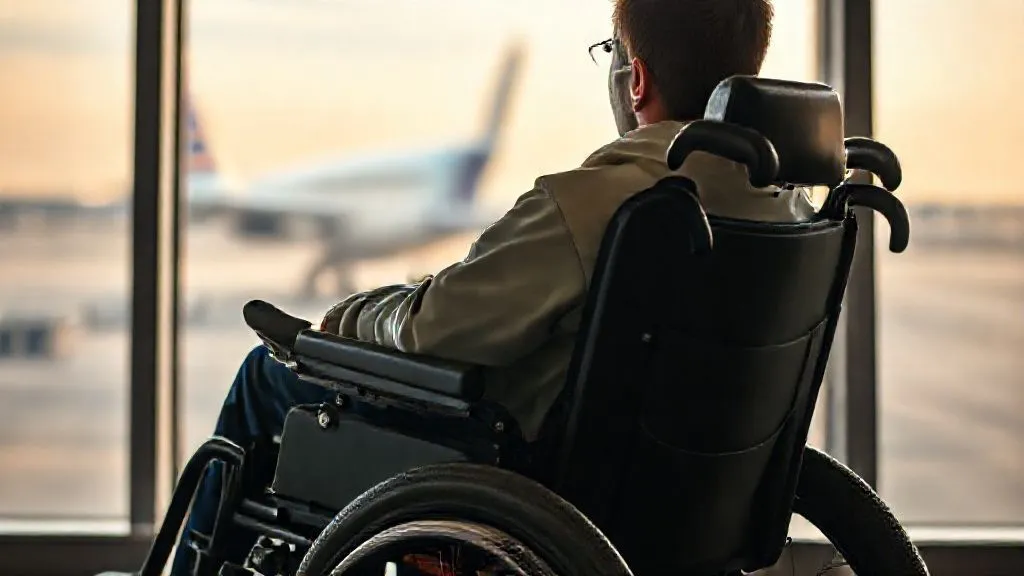
Imagine the moment: you've landed, eager to start your trip, and as your essential mobility device emerges from the baggage carousel, a wave of dread washes over you. Your wheelchair, your independence, your very means of navigating the world, is visibly damaged. This isn't just an inconvenience; it's a critical disruption to your life and travel plans. It's a scenario that, unfortunately, far too many travelers with disabilities have faced, leaving them feeling stranded and helpless.
The question then becomes, what do you do if airline damages wheelchair? The immediate aftermath can be disorienting, filled with frustration and uncertainty. How do you report the damage? What are your rights as a passenger? And most importantly, how do you ensure that the airline takes responsibility and provides fair compensation for the repair or replacement of your vital equipment?
This comprehensive guide is designed to empower you with the knowledge and steps necessary to navigate this challenging situation. From immediate actions at the airport to understanding your legal rights and successfully filing a claim, we will walk you through every critical phase. By the end of this reading, you will possess a clear roadmap for addressing wheelchair damage by an airline, ensuring you can advocate effectively for yourself and regain your mobility.
Immediate Steps at the Airport: Your First Line of Defense
The moments immediately following the discovery of damage to your wheelchair are crucial. Your actions right after your flight can significantly impact the success of your claim. Remaining calm and methodical is key.
Documenting the Damage Meticulously
As soon as you notice any damage to your wheelchair, your first priority must be to document it thoroughly. This means more than just a quick glance; it requires detailed evidence.
- Take Photos and Videos: Use your smartphone to capture clear, high-resolution photos and videos of all damaged areas.
- Vary Angles: Take pictures from multiple angles, showing the extent of the damage.
- Include Context: Photograph the wheelchair in its airport setting, perhaps with baggage tags visible, to prove it was just off the flight.
- Note Specifics: Zoom in on broken parts, scratches, bends, or any other visible issues.
- Date and Time Stamp: If possible, use a camera setting that includes a date and time stamp to further authenticate your evidence.
This visual evidence will serve as undeniable proof of the condition of your wheelchair upon arrival, making it harder for the airline to dispute the damage.
Notifying Airline Personnel Immediately
Do not leave the airport without formally reporting the damage. Seek out airline staff at the baggage claim area or the customer service desk without delay.
- Locate Staff: Approach any available airline representative, such as baggage handlers, customer service agents, or gate agents.
- State Your Case Clearly: Calmly explain that your wheelchair has been damaged during transit.
- Request a Report: Insist on filling out an official damage report.
The sooner you report the issue, the stronger your position will be. Delays can be used by airlines to argue that the damage occurred after you left their care.
Filling Out a Property Irregularity Report (PIR)
The Property Irregularity Report (PIR) is the official document used by airlines to record lost or damaged baggage. For a damaged wheelchair, this is your primary form of initial documentation.
- Insist on a PIR: Do not accept informal notes or verbal assurances. A formal PIR is essential.
- Be Detailed: Provide as much specific information as possible about the damage in the report.
- Get a Copy: Always request and keep a copy of the completed PIR, including the reference number. This number is critical for tracking your claim.
- Check for Accuracy: Before signing, carefully review the report to ensure all details are accurate and complete.
This report creates an official record of the incident, linking the damage directly to your flight and the airline's responsibility.
Understanding Your Rights: Air Carrier Access Act and International Conventions
Knowing your rights is paramount when dealing with damaged mobility devices. Regulations and international agreements are in place to protect passengers with disabilities.
The Air Carrier Access Act (ACAA) in the US
For flights to, from, or within the United States, the Air Carrier Access Act (ACAA) is your primary protection. This federal law prohibits discrimination on the basis of disability in air travel.
- Airline Responsibility: Under the ACAA, airlines are responsible for the loss, damage, or destruction of wheelchairs and other assistive devices.
- Repair or Replacement: Airlines must repair or replace the damaged device or compensate the passenger for its value.
- Temporary Devices: If your device is damaged or lost, the airline must provide a suitable temporary replacement, if available, or arrange for one.
- No Limits: Unlike regular baggage claims, there is generally no limit on the amount of compensation for damaged wheelchairs or assistive devices under the ACAA.
This act provides strong legal grounds for your claim, ensuring airlines cannot simply dismiss your concerns.
Montreal Convention and Warsaw Convention
For international flights, your rights are often governed by international treaties such as the Montreal Convention (1999) or the older Warsaw Convention (1929).
- Montreal Convention: This convention generally holds airlines liable for checked baggage damage, including wheelchairs, up to a certain limit (around 1,288 Special Drawing Rights, which fluctuates but is roughly $1,700-$1,800 USD). However, many countries interpret assistive devices as distinct from general baggage, sometimes waiving this limit for wheelchairs.
- Warsaw Convention: The older Warsaw Convention has lower liability limits and is less favorable to passengers but still applies in some contexts.
It's important to understand which convention applies to your specific international flight, as this can affect the potential compensation limits. Many countries have adopted the Montreal Convention, offering more modern protections.
Airline Specific Policies
Beyond federal and international laws, individual airlines often have their own policies regarding damaged assistive devices. These policies typically align with or exceed the minimum requirements set by law.
- Consult Their Website: Check the airline's website for their 'Contract of Carriage' or specific policies on 'Special Baggage' or 'Passengers with Disabilities'.
- Ask for Written Policy: During your interactions, you can request a copy of their relevant policy.
Familiarizing yourself with these policies can help you understand the airline's internal procedures and expectations for handling your claim.
Filing a Formal Claim: The Paperwork and Process
Once you've taken immediate steps at the airport, the next phase involves formally filing your claim. This process requires organization and persistence.
Gathering Necessary Documentation
A strong claim is built on comprehensive documentation. The more evidence you provide, the more difficult it is for the airline to deny your claim.
- PIR Copy: Your copy of the Property Irregularity Report is foundational.
- Photos and Videos: All the visual evidence you collected at the airport.
- Purchase Receipts: Proof of ownership and the original value of your wheelchair. This is critical for determining compensation.
- Repair Estimates: Obtain at least two written estimates from certified repair shops detailing the cost of repairing the damage.
- Replacement Quotes: If the wheelchair is irreparable, get quotes for a comparable new replacement.
- Medical Documentation: If the damage caused you physical injury or required medical attention, include relevant medical reports.
- Correspondence: Keep a log of all communications with the airline, including dates, names of representatives, and summaries of conversations.
Organize these documents neatly. A well-prepared package of evidence demonstrates your seriousness and attention to detail.
Submitting Your Claim
Airlines typically have a specific department or online portal for submitting baggage claims. Follow their instructions precisely.
- Official Channels: Avoid informal email addresses. Use the official claim submission portal, email address, or mailing address provided by the airline.
- Detailed Letter: Accompany your documentation with a clear, concise letter explaining the incident, the damage incurred, and your requested compensation.
- Be Specific: State clearly what you want: repair, replacement, or compensation for temporary solutions.
- Keep Copies: Always retain copies of everything you submit, along with proof of mailing or submission (e.g., tracking numbers for mail, confirmation emails for online submissions).
Ensure your claim details exactly what to do if airline damages wheelchair, specifically outlining the airline's responsibility.
Deadlines and Timeframes
Be aware of strict deadlines for submitting claims. Missing these can result in your claim being denied, regardless of its merit.
- Immediate Reporting: As mentioned, report damage at the airport immediately.
- Claim Submission: For international flights under the Montreal Convention, you typically have 7 days from the date of receipt of checked baggage to submit a written claim for damage. For domestic US flights, airlines might allow more time, but it's always best to submit as soon as possible.
- Check Airline Policy: Always confirm the specific deadlines with the airline or on their website.
Adhering to these timeframes is paramount to having your claim considered valid.
Valuation and Compensation: What to Expect
Understanding how compensation is determined is crucial for setting realistic expectations and negotiating effectively.
Repair vs. Replacement Costs
Airlines are generally obligated to cover the cost of repairing your wheelchair if it's fixable. If it's beyond repair or the cost of repair exceeds its value, they should cover the replacement cost.
- Repair Estimates: Submit detailed estimates from certified repair shops. Ensure they itemize parts and labor.
- Replacement Value: For replacement, airlines typically consider the depreciated value of your wheelchair, not necessarily the cost of a brand-new one, unless it was new. However, for assistive devices, some regulations (like the ACAA) lean towards full replacement for a comparable device.
- Specialized Equipment: Highlight any custom modifications or specialized features of your wheelchair, as these contribute significantly to its value and your specific needs.
Be prepared to justify the costs, especially for highly customized or expensive devices.
Temporary Mobility Solutions
While your wheelchair is being repaired or replaced, you will need a temporary solution. Airlines are often required to provide or reimburse for these.
- Rental Wheelchair: The airline should arrange for a suitable temporary rental wheelchair or cover the cost of you renting one.
- Accessibility Needs: Ensure the temporary device meets your basic accessibility needs. It might not be as specialized as your own, but it should allow you to function.
- Keep Receipts: Document all expenses related to temporary mobility, including rental fees, transportation costs (e.g., accessible taxis), and any necessary modifications to the temporary device.
This aspect of compensation addresses the immediate practical challenges posed by the damaged wheelchair.
Compensation for Loss of Use and Inconvenience
Beyond the direct costs of repair or replacement, you may be entitled to compensation for the inconvenience and loss of use. This is often harder to quantify but is a legitimate part of your claim.
- Impact on Travel: Detail how the damage affected your travel plans, such as missed events, additional hotel nights, or canceled excursions.
- Emotional Distress: While difficult to claim without significant impact, the emotional distress and disruption to your independence can be a factor.
- Lost Wages: If the lack of your wheelchair prevented you from working, include documentation of lost income.
While airlines might push back on these 'consequential damages,' they are part of the overall impact of a damaged mobility device.
Navigating Denials and Appeals: When Things Get Complicated
Sometimes, despite your best efforts, an airline may deny your claim or offer insufficient compensation. This is where persistence and knowing your next steps become critical.
Reviewing the Airline's Decision
If your claim is denied or the offer is unsatisfactory, carefully review the airline's response.
- Understand the Reason: Identify the specific reasons for the denial. Is it insufficient documentation? A dispute over liability?
- Check for Errors: Look for factual errors or misinterpretations of the evidence you provided.
A clear understanding of their rationale will inform your appeal strategy.
Escalating Your Claim within the Airline
Most airlines have an internal appeals process. Use it.
- Formal Appeal: Write a formal appeal letter, reiterating your case and addressing their specific reasons for denial.
- New Evidence: Include any new or stronger evidence you may have gathered.
- Higher Authority: Address your appeal to a higher-level customer relations or legal department, if possible.
Maintain a professional and firm tone. Your goal is to demonstrate that you are serious about pursuing your rights.
Involving Consumer Protection Agencies
If internal appeals fail, external agencies can provide assistance and leverage.
- U.S. Department of Transportation (DOT): For US flights, file a complaint with the DOT's Aviation Consumer Protection Division. They monitor airline compliance with disability regulations and mediate disputes.
- European Commission (EC): For flights within or from the EU, complain to the national enforcement body in the country where the incident occurred or the flight departed.
- Local Consumer Protection: Your local consumer protection agency or attorney general's office may also offer guidance or assistance.
These agencies have the power to investigate and, in some cases, levy fines against airlines for non-compliance, adding significant pressure.
Preventing Future Damage: Best Practices for Travelers
While you can't eliminate all risks, proactive measures can significantly reduce the likelihood of damage to your wheelchair.
Preparing Your Wheelchair for Flight
Proper preparation is key to protecting your mobility device.
- Remove Detachable Parts: Take off any removable parts like cushions, footrests, joysticks, or side guards and carry them in the cabin with you.
- Secure Loose Items: Use tape or straps to secure any remaining loose components.
- Deflate Tires: If you have pneumatic tires, slightly deflate them to prevent bursting due to pressure changes.
- Battery Management: For power wheelchairs, understand and comply with airline battery regulations. Disconnect or secure batteries as required.
- Protective Covering: Consider using a durable travel bag or a custom cover for your wheelchair, though this is not always practical for larger devices.
These small steps can make a big difference in preventing damage during handling.
Communication with Airline Staff
Clear and consistent communication with airline personnel is vital.
- Inform Them Early: Notify the airline in advance (during booking or check-in) that you are traveling with a wheelchair.
- Provide Instructions: Have written instructions for disassembling/reassembling your wheelchair, especially if it's complex or custom-built. Attach these to the chair.
- Supervise Loading: If possible, observe the loading and unloading process from the jet bridge, ensuring your wheelchair is handled carefully.
Educating staff on proper handling can prevent many common damage scenarios.
Travel Insurance Considerations
While airlines are liable, travel insurance can provide an extra layer of protection and peace of mind.
- Specific Coverage: Look for policies that specifically cover mobility devices or have high limits for personal property.
- Rental Car Insurance: Some policies may cover the cost of a rental accessible vehicle if your wheelchair is delayed or damaged.
- Gap Coverage: Travel insurance can cover costs not fully reimbursed by the airline, such as temporary rentals or the full replacement value without depreciation.
It's an investment that can save significant stress and financial burden if things go wrong.
Beyond the Financial: Emotional and Practical Support
Dealing with a damaged wheelchair isn't just about money; it's about regaining your independence and coping with the emotional toll. There are resources available to help.
Seeking Advocacy Groups
Disability advocacy organizations are invaluable resources. They understand the challenges and often have experience dealing with airlines.
- Legal Advice: Many groups offer free or low-cost legal advice regarding disability rights in air travel.
- Support Networks: They can connect you with peer support groups where you can share experiences and get advice from others who have faced similar issues.
- Lobbying for Change: These organizations also work to improve policies and practices, so reporting your experience helps them advocate for all travelers.
Organizations like the Paralyzed Veterans of America (PVA) or local independent living centers can provide significant support.
Learning from Others' Experiences
Online forums, social media groups, and blogs dedicated to accessible travel are rich sources of information and shared wisdom.
- Practical Tips: Learn from others' successes and failures in navigating airline damage claims.
- Airline Insights: Gain insights into how different airlines handle these situations.
- Emotional Support: Connect with a community that understands the unique challenges of traveling with a disability.
These communities can offer both practical advice and emotional solidarity.
Frequently Asked Questions (FAQ)
Can an airline refuse to carry my wheelchair? No, under the Air Carrier Access Act (ACAA) in the U.S., airlines generally cannot refuse to transport your wheelchair or deny you travel based on your disability. They must accept your wheelchair unless it poses a safety risk that cannot be mitigated.
What if my wheelchair is lost, not just damaged? If your wheelchair is lost, the airline's liability is similar to damage. They are responsible for replacing it with a comparable device or compensating you for its value. Report it immediately at the airport as a lost item and follow the same documentation steps.
How long does the claim process usually take? The timeline can vary significantly, from a few weeks to several months, depending on the complexity of the damage, the responsiveness of the airline, and the thoroughness of your documentation. Persistence and regular follow-ups are key.
Should I get travel insurance for my wheelchair? It is highly recommended. While airlines are liable for damage, travel insurance can provide additional coverage for full replacement value (without depreciation), temporary rental costs, and other inconveniences that the airline might not fully cover.
Recommended Reading
- The Ultimate Guide: How to Ensure Authentic Farm-to-Table Dining Experiences
- Best Time for Caribbean Ocean Cruises? Unveiling the Perfect Season
- Unlock Your Cosmic Journey: How to Pass Fitness Tests for Space Tourism Training
- Ultimate Guide: Best Luxury Hotel Amenities for Total Relaxation
- The Eco-Glamping Secret: How to Choose a Truly Green Adventure
Conclusion
Discovering that an airline damages your wheelchair is a deeply frustrating experience, but it does not have to be a helpless one. By understanding your rights, meticulously documenting the damage, and diligently pursuing your claim, you can hold airlines accountable and ensure your essential mobility is restored. Remember, you are your own best advocate. Equip yourself with the knowledge from this guide, remain persistent, and utilize the available resources. Your independence and ability to travel freely are invaluable, and you have every right to expect your mobility device to be handled with the care it deserves. Armed with this information, you are now better prepared to navigate such a challenge and ensure a smoother journey ahead.




Your email address will not be published. Required fields are marked *