


How to Manage Carnival Travel Risks for Corporate Groups?
For over a decade, I've guided corporate groups through countless international events, including the vibrant chaos of Carnival celebrations. I've seen firsthand the exhilarating highs and, unfortunately, the potential lows when risk management is overlooked. A company I consulted with years ago learned this the hard way when one of their employees suffered a significant injury due to inadequate planning, resulting in legal issues and a serious blow to company morale. It was a preventable disaster.
Planning a corporate trip to Carnival, while exciting, presents unique challenges. From petty theft and crowd management to health concerns and cultural misunderstandings, the risks are amplified in this high-energy environment. Neglecting these risks can lead to employee injury, financial losses, reputational damage, and even legal liabilities. The consequences of not having a solid risk management plan in place can be devastating.
This guide provides a comprehensive framework for managing Carnival travel risks for corporate groups. You'll learn actionable strategies, from pre-trip planning and on-site security measures to emergency protocols and post-trip debriefing. I'll share expert insights, real-world examples, and practical tools to ensure your corporate Carnival experience is both safe and successful. You will also learn how to fulfill your 'duty of care' to your employees.
1. Pre-Trip Risk Assessment and Planning
The foundation of any successful risk management strategy is a thorough pre-trip assessment. This involves identifying potential hazards, evaluating their likelihood and impact, and developing mitigation strategies before you even pack your bags. I've found that companies that skip this step are significantly more likely to encounter problems during the trip.
- Identify Potential Hazards: Consider everything from petty theft and street crime to health risks (food poisoning, infectious diseases) and potential political instability. Research the specific Carnival location and its historical safety record.
- Assess Likelihood and Impact: Evaluate how likely each hazard is to occur and the potential consequences if it does. Use a risk matrix to prioritize the most critical threats.
- Develop Mitigation Strategies: For each identified risk, create a plan to minimize its likelihood or impact. This might include hiring security personnel, providing safety briefings, securing travel insurance, or establishing emergency communication protocols.
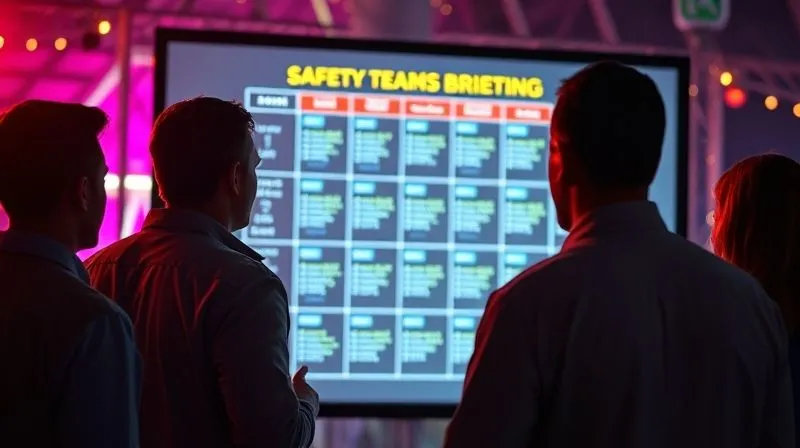
For example, if you're traveling to Rio de Janeiro for Carnival, you might identify street crime as a high-likelihood, high-impact risk. Your mitigation strategies could include advising employees to avoid wearing expensive jewelry, traveling in groups, and staying in well-lit areas. You also should consider hiring local security for your group. These strategies should be clearly communicated in pre-trip briefings.
2. Comprehensive Travel Insurance and Medical Coverage
Travel insurance is not a luxury; it's a necessity, especially for corporate groups traveling to high-risk environments like Carnival. Ensure your employees have comprehensive coverage that includes medical expenses, trip cancellation, lost luggage, and emergency evacuation. I've seen countless situations where travel insurance saved the day, preventing financial ruin for both the company and the employee. It is also important to verify that the policy covers all planned activities.
Key Considerations for Travel Insurance:
- Medical Coverage: Verify that the policy covers medical expenses incurred overseas, including hospitalization, surgery, and medication.
- Emergency Evacuation: Ensure the policy includes coverage for emergency medical evacuation to a suitable medical facility or back home.
- Trip Cancellation/Interruption: Protect against unforeseen circumstances that may force you to cancel or interrupt the trip.
- Lost Luggage: Cover the cost of replacing lost or stolen luggage and personal belongings.
- 24/7 Assistance: Choose a provider that offers 24/7 assistance in case of emergencies.
Case Study: The Importance of Evacuation Coverage
Case Study: Acme Corp and the Medical Emergency
Acme Corp, a marketing firm, sent a team of 10 employees to Carnival in Salvador, Brazil. One employee suffered a severe allergic reaction to local food, requiring immediate hospitalization. Fortunately, Acme Corp had purchased comprehensive travel insurance with emergency evacuation coverage. The insurance company arranged for a medical evacuation to a private hospital in São Paulo, where the employee received specialized care. Without the insurance coverage, the evacuation and treatment would have cost the company tens of thousands of dollars.
3. Secure Accommodation and Transportation
Your choice of accommodation and transportation can significantly impact the safety and security of your corporate group. Opt for reputable hotels in safe areas, and arrange for secure transportation to and from events. Avoid using public transportation, especially at night, as it can be a breeding ground for petty theft and other crimes. In my experience, investing in secure transportation is always worth the peace of mind.
Accommodation Best Practices:
- Choose Reputable Hotels: Select hotels with a proven track record of safety and security.
- Secure Locations: Opt for hotels located in safe and well-lit areas.
- Security Measures: Look for hotels with security cameras, on-site security personnel, and controlled access.
- Emergency Exits: Familiarize yourself with the hotel's emergency exits and evacuation procedures.
Transportation Best Practices:
- Private Transportation: Arrange for private transportation to and from events.
- Reputable Providers: Use reputable transportation providers with experienced drivers.
- Avoid Public Transportation: Avoid using public transportation, especially at night.
- Designated Routes: Plan designated routes to minimize exposure to high-risk areas.
4. On-Site Security and Crowd Management
During Carnival events, large crowds can create opportunities for theft, harassment, and even violence. Hiring on-site security personnel can help deter crime, manage crowds, and provide assistance to your employees in case of emergencies. I've found that the presence of security personnel can significantly reduce the risk of incidents and enhance the overall safety of the group.
Key Considerations for On-Site Security:
- Experienced Personnel: Hire experienced security personnel with local knowledge and expertise.
- Clear Communication: Establish clear communication channels between security personnel and group leaders.
- Crowd Control: Train security personnel in crowd control techniques to manage large crowds effectively.
- Emergency Response: Ensure security personnel are trained in emergency response procedures, including first aid and evacuation.
Tips for Crowd Management:
- Designated Meeting Points: Establish designated meeting points in case employees get separated from the group.
- Buddy System: Encourage employees to travel in pairs or small groups.
- Stay Aware of Surroundings: Advise employees to stay aware of their surroundings and avoid distractions.
- Avoid Overcrowded Areas: Steer clear of overly crowded areas where the risk of incidents is higher.

5. Health and Safety Protocols
Carnival celebrations can expose your employees to various health risks, including food poisoning, infectious diseases, and heat exhaustion. Implement health and safety protocols to minimize these risks and ensure the well-being of your group. I always advise companies to provide employees with pre-trip health briefings and access to medical support during the trip.
Health Protocols:
- Vaccinations: Ensure employees are up-to-date on all recommended vaccinations for the Carnival location.
- Food and Water Safety: Advise employees to be cautious about what they eat and drink, and to avoid consuming food from unhygienic sources.
- Hydration: Encourage employees to stay hydrated by drinking plenty of water throughout the day.
- Sun Protection: Advise employees to wear sunscreen, hats, and sunglasses to protect themselves from the sun.
- Insect Repellent: Use insect repellent to protect against mosquito bites and other insect-borne diseases.
Safety Protocols:
- Emergency Contacts: Provide employees with a list of emergency contacts, including local police, hospitals, and the company's emergency hotline.
- First Aid Kits: Carry a well-stocked first aid kit with essential supplies.
- Medical Support: Arrange for access to medical support during the trip, such as a local doctor or nurse.
- Emergency Evacuation Plan: Develop an emergency evacuation plan in case of serious illness or injury.
6. Communication and Emergency Response
Effective communication is crucial for managing risks during Carnival travel. Establish clear communication channels between group leaders, security personnel, and employees. Develop an emergency response plan to address potential incidents, such as medical emergencies, security threats, or natural disasters. In my experience, a well-defined communication plan can make all the difference in a crisis situation. According to a study by Harvard Business Review, companies with strong communication strategies are better equipped to handle crises and minimize damage.
Communication Strategies:
- Emergency Hotline: Establish a 24/7 emergency hotline for employees to report incidents or seek assistance.
- Communication App: Use a communication app to send out updates, alerts, and emergency notifications to the group.
- Regular Check-ins: Schedule regular check-ins with employees to ensure their safety and well-being.
- Designated Communication Channels: Designate specific communication channels for different types of incidents.
Emergency Response Plan:
- Incident Reporting: Establish a clear process for reporting incidents, including who to contact and what information to provide.
- Emergency Procedures: Develop emergency procedures for different types of incidents, such as medical emergencies, security threats, and natural disasters.
- Evacuation Plan: Create an evacuation plan that outlines the steps to take in case of an emergency evacuation.
- Crisis Management Team: Assemble a crisis management team to oversee the response to major incidents.
7. Cultural Sensitivity and Awareness
Carnival is a vibrant cultural celebration, but it's essential to be aware of local customs and traditions. Educate your employees about the local culture and encourage them to be respectful of local customs. Cultural misunderstandings can lead to conflict and even legal trouble. I've seen situations where a lack of cultural sensitivity resulted in serious diplomatic incidents. As Forbes often highlights, cultural intelligence is a critical skill for global business leaders.
Tips for Cultural Sensitivity:
- Learn Basic Phrases: Encourage employees to learn basic phrases in the local language.
- Respect Local Customs: Educate employees about local customs and traditions, and encourage them to be respectful.
- Dress Appropriately: Advise employees to dress appropriately for the Carnival events and avoid wearing clothing that may be considered offensive.
- Avoid Controversial Topics: Steer clear of controversial topics that may be sensitive to local residents.
- Be Mindful of Behavior: Be mindful of your behavior and avoid actions that may be considered disrespectful or offensive.
| Risk | Mitigation | Communication |
|---|---|---|
| Petty Theft | Avoid displaying valuables, travel in groups | Remind employees to be vigilant |
| Health Issues | Ensure vaccinations, provide health briefings | Share emergency contact information |
| Crowd Control | Hire security, designate meeting points | Establish a communication app |
Frequently Asked Questions (FAQ)
What is 'duty of care' in the context of corporate travel? 'Duty of care' refers to the legal and ethical responsibility that employers have to ensure the safety and well-being of their employees while they are traveling for business. This includes taking reasonable steps to protect employees from foreseeable risks, providing them with adequate support in case of emergencies, and ensuring that they have access to appropriate medical care. Neglecting duty of care can result in legal liabilities and reputational damage.
How can we ensure our employees comply with our travel risk management policies? Ensuring compliance requires a multi-pronged approach. First, clearly communicate the policies to all employees before the trip. Provide training and briefings to educate them about potential risks and mitigation strategies. Second, implement monitoring mechanisms to track compliance during the trip. This might include regular check-ins, incident reporting systems, and on-site security personnel. Third, enforce the policies consistently and hold employees accountable for violations.
What should we do if an employee experiences a medical emergency during Carnival? If an employee experiences a medical emergency, the first step is to assess the severity of the situation and provide immediate first aid if necessary. Contact local emergency services and transport the employee to the nearest hospital or medical facility. Notify the company's emergency contact and travel insurance provider. Document all details of the incident, including the time, location, and nature of the emergency. According to research from a CDC report about travel health, pre-trip planning is critical for managing health emergencies.
How can we manage the risk of political instability or civil unrest during Carnival? Monitor the political situation in the Carnival location closely before and during the trip. Stay informed about any potential threats or warnings issued by government authorities. Develop contingency plans to evacuate employees in case of political instability or civil unrest. Avoid areas that are known to be politically volatile or prone to protests. Communicate with local authorities and security personnel to stay informed and coordinate your response.
What are the key elements of a post-trip debriefing? A post-trip debriefing is an opportunity to learn from the experience and improve your risk management strategies for future trips. Key elements include: gathering feedback from employees about their experiences, identifying any incidents or near misses that occurred, evaluating the effectiveness of your risk management protocols, and documenting lessons learned. Use the debriefing to update your risk assessment and planning processes.
Recommended Reading
- Is a Luxury All-Inclusive Beach Resort Truly Worth the Price? The Ultimate Guide
- 7 Ways to Reclaim Your Solo Trip: Banish Work Stress Before You Depart
- Unlock Budget Travel: Master Meal Prep for International Adventures!
- Tube Smart: Essential Safety Rules for Snow Tubing Hills You MUST Know
- The Ultimate Guide: Maximizing Comfort on Long-Haul Business Class Flights
Main Points and Final Considerations
- Prioritize pre-trip risk assessment: Identify potential hazards and develop mitigation strategies before you travel.
- Invest in comprehensive travel insurance: Ensure your employees have adequate coverage for medical expenses, trip cancellation, and emergency evacuation.
- Secure accommodation and transportation: Choose reputable hotels and arrange for private transportation to minimize exposure to risks.
- Implement on-site security and crowd management: Hire experienced security personnel to deter crime and manage crowds.
- Establish clear communication channels: Develop an emergency response plan to address potential incidents effectively.
Planning a corporate trip to Carnival can be an exciting and rewarding experience. By implementing a comprehensive risk management strategy, you can ensure the safety and well-being of your employees and minimize the potential for incidents. Remember, proactive planning and preparation are key to a successful and safe Carnival experience. By taking the necessary precautions and being vigilant, you can create a memorable and positive experience for your corporate group. I hope this guide has helped you understand how to manage carnival travel risks for corporate groups. Good luck, and enjoy the festivities!




Your email address will not be published. Required fields are marked *