

How to Manage Complex Dietary Needs at Global Michelin Restaurants?
For over two decades, I've had the privilege of experiencing the world's most exquisite dining establishments, from bustling street food markets to the hushed sanctity of three-Michelin-starred temples. In that time, I've seen countless diners, myself included, navigate the delicate dance of high-end gastronomy while wrestling with the very real, often intimidating, challenge of complex dietary needs. It's a common misconception that luxury dining is exclusive to those without restrictions; a belief that often leads to missed opportunities for culinary bliss.
The anxiety is palpable: Will my allergies be taken seriously? Will my dietary choices be accommodated or merely tolerated? The fear of cross-contamination, of misunderstanding in a foreign language, or simply of being a 'difficult' guest can strip away the joy of what should be an unforgettable experience. This apprehension can deter even the most adventurous food travelers from pursuing their dreams of Michelin-starred indulgence, leaving them feeling excluded from a significant part of global culture and culinary art.
But I'm here to tell you that it doesn't have to be this way. In this definitive guide, I will share the exact frameworks, communication strategies, and expert insights I've honed over years of specialized travel. You'll learn not just how to survive, but how to thrive, ensuring your complex dietary needs are met with grace, precision, and the utmost respect, transforming potential pitfalls into personalized culinary triumphs at any global Michelin restaurant. We'll explore actionable steps to empower you, from initial research to post-meal feedback, making bespoke dining a joyful reality, not a stressful gamble.
The Pre-Reservation Imperative: Your First Line of Defense
The journey to a seamless Michelin-starred dining experience with complex dietary needs begins long before you even consider making a reservation. This preparatory phase is, in my experience, the single most critical step in ensuring your safety and enjoyment. It's about proactive intelligence gathering and strategic outreach, setting the stage for a successful interaction with the restaurant.
Researching Restaurant Policies and Chef Philosophies
Before you even think about picking up the phone or clicking 'reserve,' dive deep into the restaurant's online presence. Look for clues about their approach to dietary restrictions. Many high-end establishments, especially those focused on tasting menus, will openly state their limitations or capabilities. Does their website mention a willingness to adapt? Do food critics or past diners on review platforms (like TripAdvisor or OpenTable) comment on their flexibility with allergies? Some chefs pride themselves on bespoke experiences, while others, particularly those with highly conceptual, ingredient-driven menus, might be less accommodating. Understanding their philosophy is paramount.
For instance, a restaurant that emphasizes a 'journey through a single ingredient' might find it genuinely challenging to adapt for multiple severe allergies without compromising their artistic vision, whereas a restaurant known for its adaptability and personalized service will likely be more open. This initial research isn't about finding a 'perfect' restaurant, but about making an informed decision that aligns with your specific needs.
Crafting Your Initial Inquiry: Precision is Key
Once you've identified a potential candidate, your initial communication must be clear, concise, and comprehensive. This isn't just a casual query; it's your first opportunity to demonstrate that you are a serious diner who has done their homework and knows exactly what they need. I always recommend an email inquiry before a phone call, as it provides a written record.
- Be Specific About Your Restrictions: Don't just say 'allergies.' List every single ingredient you cannot consume, categorizing them by severity (e.g., 'severe anaphylactic allergy to peanuts, tree nuts, and shellfish' vs. 'intolerance to gluten and dairy').
- Explain the Impact: Briefly clarify why these restrictions are important. 'Cross-contamination is a significant concern for my celiac disease' or 'Even trace amounts of dairy can cause a severe reaction.' This helps the kitchen understand the stakes.
- State Your Desired Outcome: Express your desire to enjoy their culinary artistry. 'I am eager to experience your renowned cuisine and would be incredibly grateful if you could advise on how my dietary needs can be safely accommodated.'
- Inquire About Adaptations: Ask directly if they can adapt their tasting menu or offer a bespoke alternative. 'Would your kitchen be able to provide a tasting menu that is entirely free of these ingredients, or would a tailored à la carte be more feasible?'
- Provide Flexibility (If Possible): If you have some flexibility, mention it. 'I am generally open to alternative ingredients if the core integrity of the dish can be maintained.'
Remember, this is a collaboration. You are providing them with the necessary information to serve you safely and exceptionally. A well-crafted inquiry demonstrates respect for their craft and sets a professional tone for future interactions.

Detailed Communication: Building Trust Before You Arrive
After your initial inquiry, if the restaurant indicates they can accommodate you, the next phase is to solidify that commitment with detailed communication. This is where you move beyond the general and delve into the specifics, ensuring no stone is left unturned. My experience has taught me that clarity and repetition, without being demanding, are your best friends.
The Power of a Pre-Visit Confirmation Call
Even after email exchanges, a follow-up phone call a few days before your reservation is invaluable. This allows for real-time clarification and builds a personal connection. Ask to speak with someone directly involved in managing dietary requests, often the maître d', head server, or even a chef de partie. During this call:
- Reiterate Your Restrictions: Briefly remind them of your specific dietary needs.
- Confirm Menu Adaptations: Ask about the specific dishes or menu structure they have planned for you. 'I understand you're preparing a bespoke menu; could you confirm that it will be entirely free of X, Y, and Z?'
- Discuss Cross-Contamination Protocols: This is crucial. 'What measures does your kitchen take to prevent cross-contamination for severe allergies?' Listen for specifics like separate prep areas, dedicated utensils, or specific staff training.
- Identify Your Point Person: Ask who will be your primary contact during the meal for any questions. This empowers you and ensures clear communication during service.
Providing a Comprehensive Dietary Profile
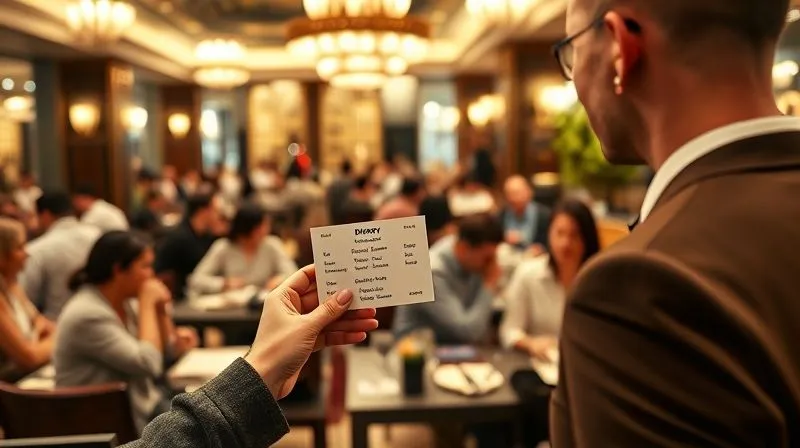
For truly complex cases, I often provide a concise, print-out 'Dietary Profile Card' to be handed over discreetly upon arrival, or even emailed ahead of time as a final confirmation. This isn't meant to be burdensome but serves as a quick reference for the kitchen staff, especially in a busy service. It should be succinct and clearly state your needs in a bulleted or tabular format.
| Category | Ingredients to Avoid | Notes |
|---|---|---|
| Severe Allergies (Anaphylactic Risk) | Peanuts, Tree Nuts (all types), Shellfish (all crustaceans & mollusks) | Trace amounts are dangerous. Cross-contamination must be strictly avoided. |
| Intolerances/Sensitivities | Gluten (wheat, barley, rye), Dairy (lactose, casein), Soy | Causes significant digestive distress. Prefer complete avoidance. |
| Dietary Preferences | Pork, Red Meat (beef, lamb) | Not an allergy, but prefer plant-based or poultry options. |
| Emergency Contact | [Your Name], [Your Phone Number] | In case of any concern, please call immediately. |
"The clarity of your communication is directly proportional to the confidence of the kitchen. Leave no room for ambiguity when your health is on the line." - Industry Specialist Insight
This detailed approach ensures that multiple points of contact within the restaurant are aware of your requirements, minimizing the chance of miscommunication. It's about creating a robust safety net through thorough, professional engagement.
On Arrival: Reconfirming and Collaborating with the Front of House
The moment you step into a Michelin-starred restaurant, the atmosphere is designed to be immersive and delightful. However, for those with complex dietary needs, this is also a critical juncture for a final, discreet reconfirmation. My approach here is always to be polite, appreciative, and clear, reinforcing the excellent groundwork you've already laid.
Discreetly Reaffirming Your Needs with the Maître d' or Server
Upon being greeted, I make it a point to quietly and politely mention my dietary needs again. This is not to imply distrust, but to ensure that the information has successfully transitioned from the booking system to the front-of-house staff who will be directly serving me. A simple, appreciative statement works best: "Hello, I'm [Your Name], for a [time] reservation. Just a quick reminder, I have a severe [allergy/intolerance] to [ingredient/food group]. I believe this has been noted in my reservation." This subtle reminder often prompts a reassuring nod or a confirmation that they are fully aware.
This step also allows the staff to introduce you to your primary server who has been briefed on your specific requirements. It's about opening a channel of communication early in the dining experience, ensuring that any last-minute questions or clarifications can be handled smoothly and without disruption to the ambiance.
Understanding Menu Adaptations and Chef's Proposals
At this point, your server or a sommelier should be ready to discuss your tailored menu. They might present a modified tasting menu, a specially curated à la carte selection, or even describe the chef's spontaneous creations for you. This is your opportunity to ask clarifying questions about specific dishes. For example, if a dish is described as 'creamy,' and you have a dairy intolerance, you might ask, "Could you confirm if the 'creaminess' in this dish comes from a dairy-free source, please?"
Trust your instincts. If something sounds ambiguous or raises a red flag, don't hesitate to ask for more detail. A truly professional Michelin establishment will welcome your diligence and appreciation for their efforts. Remember, the goal is a delicious and safe meal, and open dialogue is key to achieving that.
Navigating the Dining Experience: Vigilance Without Anxiety
Even with meticulous planning and clear communication, the actual dining experience requires a certain level of mindful vigilance. The key is to remain aware without letting anxiety overshadow the enjoyment of the meal. It's a delicate balance, but one that seasoned food travelers master over time.
Asking Clarifying Questions During Service
As each course arrives, your server should ideally announce the dish and potentially highlight its adaptations for your dietary needs. If they don't, or if you have any lingering doubts, it's perfectly acceptable to ask a polite, specific question. For instance, "This looks wonderful; just to confirm, this is the [dish name] prepared without [allergen], correct?" This reinforces your awareness and provides another layer of confirmation.
Avoid questioning every single ingredient unless you have a strong reason to. Trust in the process you've established. However, if a dish arrives that visually seems to contain an ingredient you've explicitly avoided, or if it significantly deviates from what was discussed, it is absolutely essential to pause and inquire before tasting.
Trusting Your Gut: When to Pause and Re-evaluate
There will be rare occasions when, despite all precautions, a dish might look or feel 'off' to you. Perhaps the aroma is unfamiliar, or the texture suggests an ingredient you're avoiding. In these moments, my advice is always to trust your gut feeling. It's far better to politely send a dish back for reconfirmation than to risk an adverse reaction. A simple, "I apologize, but could you please double-check with the kitchen that this is indeed prepared without [allergen]? I just want to be absolutely certain," is usually sufficient.
A truly professional kitchen and front-of-house team will appreciate your caution and rectify any potential error without making you feel uncomfortable. This vigilance is not about being demanding; it's about self-preservation and responsible dining.
Case Study: How Sarah Mastered Her Allergy-Free Michelin Meal
Sarah, a client of mine, had severe allergies to gluten, dairy, and alliums (onion, garlic, chives) – a notoriously difficult combination for fine dining. Planning a special anniversary dinner at a renowned 2-Michelin-starred restaurant in Paris, she followed my pre-reservation protocol meticulously. She emailed her detailed dietary profile weeks in advance, followed up with a call, and even sent a 'Dietary Profile Card' in French and English.
Upon arrival, the maître d' immediately acknowledged her, stating, "Ah, Madame Dubois, we have been eagerly anticipating your visit. Chef has prepared a truly unique menu for you, entirely free of gluten, dairy, and alliums." Throughout the evening, her dedicated server would announce each dish, explicitly mentioning, "This is your specially prepared [dish name], free of X, Y, and Z." For one course, a beautiful consommé arrived. Sarah, ever vigilant, noticed a faint, almost imperceptible sheen that reminded her of butter. She politely asked, "Could you please confirm the base of this consommé? My apologies, but I just want to ensure it's dairy-free." The server, without hesitation, whisked the dish away. Moments later, the chef himself appeared, apologizing profusely. "Madame, my deepest apologies. A new apprentice accidentally used a stock that had a trace of butter. We have already prepared a fresh, entirely dairy-free consommé for you. Thank you for your keen eye!" This proactive vigilance ensured Sarah enjoyed a spectacular, safe, and truly bespoke meal, a testament to effective communication and mutual respect.
Beyond the Plate: Cross-Contamination and Hidden Ingredients
While the visible ingredients on your plate are important, the true challenge of managing complex dietary needs, especially severe allergies, often lies in what you *don't* see. Cross-contamination and hidden ingredients are the silent saboteurs of a safe dining experience, and understanding them is crucial.
Understanding Kitchen Protocols and Allergen Management
In high-end kitchens, precision is paramount, but the sheer volume of ingredients and dishes being prepared simultaneously creates inherent risks. This is why inquiring about their specific allergen management protocols is so important. A top-tier Michelin kitchen should have:
- Dedicated Prep Areas: Where possible, separate cutting boards, utensils, and even sections of the kitchen for allergen-free meal preparation.
- Trained Staff: Chefs and cooks who are not only aware of major allergens but also trained in preventing cross-contact.
- Ingredient Tracking: A robust system for tracking all ingredients, including sauces, stocks, and garnishes, for potential allergens.
- Clean-Down Procedures: Thorough cleaning and sanitization of surfaces and equipment between tasks, particularly when handling allergens.
As a seasoned traveler, I know that even the most vigilant kitchens can have human error. This is why your initial communication and the trust you build are so vital. If a restaurant seems vague or dismissive about their cross-contamination procedures, it's a significant red flag. According to Food Allergy Research & Education (FARE), even minute traces of an allergen can trigger a severe reaction, underscoring the importance of these protocols.
Beverage Pairings and Dietary Considerations
Don't overlook your drinks! While wines are generally allergen-free, some fining agents used in winemaking (like egg whites or milk proteins) can be an issue for severe allergies, though usually filtered out. More commonly, cocktails, mocktails, and even coffee drinks can contain hidden allergens. Liqueurs, syrups, and garnishes might have nut extracts, dairy, or gluten. Always inquire about the ingredients in any custom beverage, especially if you have complex needs. For example, a 'foamy' drink might use egg white, or a 'creamy' one might contain dairy.
| Hidden Allergen | Common Sources | Michelin Context |
|---|---|---|
| Gluten | Soy sauce (often in Asian sauces), breadcrumbs (as thickeners), malt (in some vinegars/drinks), beer, some processed meats, frying batters. | Often found in complex sauces, reductions, or unexpected elements of fusion cuisine. Always clarify thickening agents. |
| Dairy | Butter (in sauces, pan-frying), cream, cheese (obvious and hidden), whey protein, lactose. | Butter is a cornerstone of French cuisine. Clarify all fat sources and emulsifiers. Some 'vegan' dishes might still use butter for searing. |
| Nuts/Peanuts | Pesto, marzipan, some oils (peanut oil), granola, certain spice blends, Asian sauces, desserts. | Used in unexpected garnishes, oils for cooking, or as flavor enhancers in sauces. Always confirm oil types and garnish ingredients. |
| Soy | Soy sauce, tofu, tempeh, edamame, soy lecithin (emulsifier in chocolates/processed foods), vegetable oil blends. | Increasingly present in modern cuisine, especially plant-based or Asian-inspired dishes. Lecithin can be a tricky hidden ingredient in desserts. |
| Eggs | Mayonnaise, custards, meringues, some pasta, binding agents in meat dishes, clarified consommés (egg whites). | Often used as emulsifiers, binders, or clarifiers in traditional haute cuisine. Confirm if any 'foam' or 'mousse' contains egg whites. |
Global Nuances: Cultural Differences in Dietary Management
Dining globally adds another layer of complexity. What's considered a standard practice for dietary accommodations in one country might be entirely different in another. My travels have shown me that cultural understanding is as important as culinary knowledge when managing dietary needs abroad.
Language Barriers and Translation Tools
The most obvious hurdle is language. A nuanced explanation of a severe allergy can be lost in translation, even with a basic phrasebook. I highly recommend preparing a detailed dietary card in the local language, professionally translated, that clearly lists your restrictions and the potential severity. This card should be concise, easy to read, and ideally include a phrase like, "Please confirm with the chef that this dish is safe for me." Apps like Google Translate are useful for quick checks, but for critical health information, a pre-translated, physical card is irreplaceable. The CDC offers excellent general advice on eating safely while traveling, which can be adapted for specific dietary needs.
Regional Ingredients and Unexpected Allergens
Every cuisine has its staple ingredients, and what might be an uncommon allergen in your home country could be ubiquitous elsewhere. For instance, in Southeast Asia, peanuts and shellfish are prevalent. In parts of Europe, dairy and gluten are foundational. Researching common ingredients in the local cuisine can help you anticipate potential issues. Sometimes, unexpected ingredients can be problematic: certain spices, local vegetables, or even specific types of oils that are less common globally. Always ask about the 'base' or 'foundation' of a dish, as these often contain the most common allergens.
Furthermore, cultural attitudes towards dietary restrictions vary. While many Western European and North American Michelin restaurants are highly attuned to allergies, some cultures might view strict dietary requests as unusual or even an affront to the chef's generosity. Approach with humility and an appreciative tone, recognizing that you are a guest in their culinary tradition. Your pre-emptive, respectful communication is even more crucial in these contexts.
Post-Dining Feedback: A Cycle of Improvement
Your journey with complex dietary needs doesn't end when the last course is cleared. Providing constructive feedback, whether positive or negative, is a crucial step in fostering better practices within the fine dining industry and refining your own future experiences.
Constructive Feedback for Future Diners and Restaurants
If you had an exceptional experience where your dietary needs were met with grace and expertise, take the time to express your gratitude. A personal thank-you to the maître d' or a note to the chef can go a long way. Mention specific staff members who were particularly helpful. This positive reinforcement encourages restaurants to maintain and even improve their standards for accommodating guests with dietary restrictions. Conversely, if your experience was challenging or unsafe, provide constructive feedback. Do so politely and factually, either in person (if appropriate) or in a follow-up email. Detail what went wrong, why it was a concern, and what could have been done better. This feedback is invaluable for the restaurant's learning and can significantly impact the safety and enjoyment of future diners with similar needs.
Documenting Your Experience for Personal Reference
For your own benefit, I strongly recommend keeping a personal record of your dining experiences, especially at Michelin-starred restaurants. Note down:
- The restaurant's name and location.
- The specific dietary needs you communicated.
- How well they were accommodated (or not).
- Key staff members who assisted you.
- Any specific dishes or adaptations that stood out.
- Lessons learned for future visits.
This personal database becomes an invaluable resource for planning future food travel, helping you identify restaurants that are truly adept at handling complex dietary needs and those you might approach with more caution. It transforms each dining experience, good or bad, into a learning opportunity, empowering you to navigate the world of haute cuisine with increasing confidence and expertise.
Frequently Asked Questions (FAQ)
Question: Can I just show up and expect a Michelin restaurant to accommodate my severe allergies? Absolutely not. While some restaurants might try their best, showing up unannounced with severe allergies is highly irresponsible and puts both you and the kitchen in a difficult, potentially dangerous, situation. Michelin-starred dining is a highly orchestrated experience; advance communication is non-negotiable for complex dietary needs.
Question: What if my restrictions are very unusual (e.g., specific food chemical sensitivities)? For highly unusual or very specific chemical sensitivities, the challenge increases. Your best approach is to be even more meticulous with your research and communication. Some restaurants might have limitations due to the nature of their ingredients or cooking methods. Consider contacting the restaurant's head chef directly in advance to discuss the feasibility of accommodation. Be prepared that some establishments might honestly state they cannot guarantee safety.
Question: Is it rude to ask a server to reconfirm ingredients for every dish? While it's not ideal to question every single component, it's never rude to politely ask for clarification if you have genuine concerns about a specific dish, especially if you have severe allergies. A good server in a Michelin establishment is trained to handle these queries professionally. Frame your questions respectfully, acknowledging their efforts.
Question: Should I bring my own allergy medication (e.g., EpiPen) even if the restaurant confirms safety? Unequivocally, yes. Always carry your necessary medications, including an EpiPen if prescribed for severe allergies. This is a non-negotiable safety precaution, regardless of the restaurant's assurances. It's your ultimate personal safety net.
Question: How do Michelin restaurants typically handle cross-contamination for celiac guests? High-end Michelin restaurants often have stringent protocols. This can include separate cutting boards, dedicated fryers (though less common), clean utensils, and specific staff members briefed on celiac needs. However, a truly 100% gluten-free kitchen is rare for a general fine dining establishment. Always discuss their specific cross-contamination procedures during your pre-visit calls to understand their capabilities and limitations.
Key Takeaways and Final Thoughts
- Proactive Communication is Paramount: Your journey begins with thorough research and clear, detailed communication long before your reservation.
- Be Specific and Comprehensive: Clearly articulate all dietary needs, including severity and potential impacts, in writing and verbally.
- Build Trust Through Collaboration: Engage with the restaurant as a partner, providing information and asking clarifying questions respectfully.
- Maintain Mindful Vigilance: Stay aware during your meal, and don't hesitate to politely reconfirm or question a dish if you have doubts.
- Understand Global Nuances: Be prepared for cultural differences in dietary accommodation and leverage translation tools effectively.
- Provide Constructive Feedback: Help improve the dining landscape for everyone by sharing your experiences, both positive and negative.
Mastering how to manage complex dietary needs at global Michelin restaurants is not just about avoiding allergens; it's about reclaiming the joy of fine dining, transforming what could be a source of stress into an opportunity for unparalleled culinary discovery. With these expert strategies, you are now equipped to approach the world's most celebrated kitchens with confidence, ensuring that your health and your palate are both exquisitely cared for. Go forth, explore, and savor every safe, delicious moment!
Recommended Reading
- Unlocking Executive Potential: 5 Glamping Retreats for Peak Performance
- Ultimate Guide: How to Ensure Child Safety on International Family Tours
- 7 Strategic Ways Wellness Travel Prevents Career Burnout & Boosts Your Drive
- Ultimate Guide: Creating a Sensory Friendly Travel Essentials Kit
- Unlocking City Secrets: Your Ultimate Guide to Hidden Gems in Vibrant City Breaks



Your email address will not be published. Required fields are marked *