

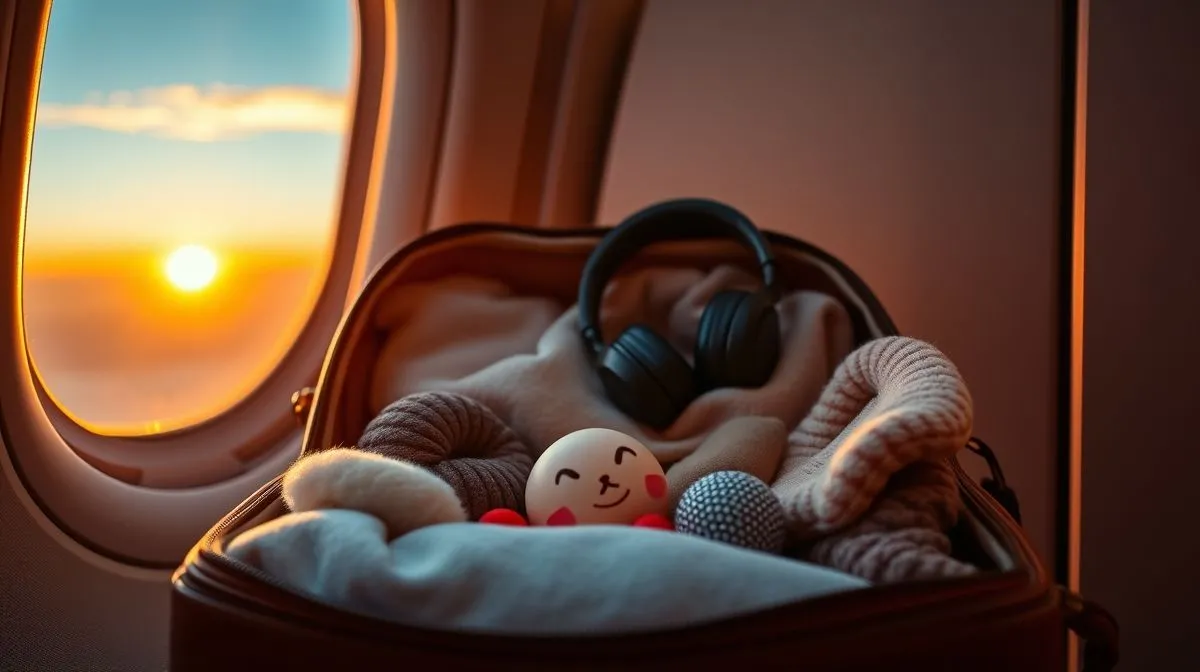
Unlock Seamless Journeys: Creating a Sensory Friendly Travel Essentials Kit
Have you ever felt the overwhelming rush of a busy airport, the jarring sounds of a train, or the unfamiliar textures and smells of a new environment? For many, travel is an exciting adventure, but for individuals with sensory sensitivities, it can quickly become a gauntlet of overwhelming stimuli, turning anticipation into anxiety.
The fundamental problem lies in the unpredictable and often intense sensory input inherent in travel environments. Bright lights, loud noises, strong odors, crowded spaces, and disruptions to routine can trigger sensory overload, leading to discomfort, distress, or even meltdowns for those whose brains process sensory information differently.
This comprehensive guide is designed to empower you with the knowledge and tools to transform potentially challenging journeys into comfortable, calm, and even enjoyable experiences. By the end of this reading, you will know precisely how to build and utilize a personalized, highly effective sensory friendly travel essentials kit, ensuring smoother transitions and more pleasant adventures for yourself or your loved ones.
Understanding Sensory Sensitivities in Travel
What are Sensory Sensitivities?
Sensory sensitivities refer to a heightened or diminished response to sensory stimuli such as sounds, sights, smells, tastes, and touch. Individuals with conditions like Autism Spectrum Disorder (ASD), Sensory Processing Disorder (SPD), ADHD, or even general anxiety often experience these sensitivities, where everyday inputs can be either overwhelming (hypersensitivity) or under-stimulating (hyposensitivity).
For instance, a loud announcement at a train station might be merely annoying to one person, but excruciatingly painful to another with auditory hypersensitivity. Conversely, some individuals might seek out intense sensory input, needing specific textures or deep pressure to feel regulated.
Common Triggers on the Go
Travel environments are rife with potential sensory triggers. Consider the following common culprits:
- Auditory: Loud engines, incessant announcements, crying babies, chatter, music.
- Visual: Fluorescent lights, flashing signs, crowded spaces, fast-moving scenery, direct sunlight.
- Tactile: Uncomfortable seat fabrics, restrictive clothing, accidental bumps from strangers, extreme temperatures, sticky surfaces.
- Olfactory: Strong perfumes, food odors, disinfectant smells, airplane cabin air.
- Gustatory: Unfamiliar food textures, limited safe food options, altered taste perception at altitude.
- Vestibular/Proprioceptive: Motion sickness, sudden stops and starts, changes in elevation, lack of grounding input.
Recognizing these triggers is the first step in proactive preparation. Understanding an individual's specific sensitivities allows for targeted interventions and the creation of a truly effective sensory kit.
The Core Components of Your Sensory Friendly Travel Essentials Kit
A well-curated kit addresses multiple sensory needs, providing tools for both avoidance of overwhelming stimuli and provision of calming input. This section details essential categories for your kit.
Auditory Aids: Finding Peace in Noise
Noise pollution is a primary travel stressor. Having reliable auditory aids is paramount.
- Noise-Canceling Headphones: High-quality active noise-canceling headphones are invaluable for blocking out engine hums, chatter, and general ambient noise. Brands like Bose or Sony are popular choices for their effectiveness.
- Ear Plugs: For less intrusive protection or situations where headphones are impractical, soft foam or silicone earplugs offer significant sound reduction. Some specialized earplugs are designed to filter specific frequencies, allowing conversation while reducing background noise.
- Calming Music/Audiobooks/Podcasts: Pre-loaded onto a device, familiar and soothing audio can create a personal soundscape, replacing chaotic external noise with comforting internal input.
Visual Comfort: Shielding from Overstimulation
Visual stimuli can be equally overwhelming, from bright lights to crowded scenes.
- Eye Mask: A comfortable, light-blocking eye mask is essential for rest, especially on planes or in unfamiliar hotel rooms. Weighted eye masks can also provide calming deep pressure.
- Sunglasses: Protect against harsh sunlight and bright indoor lighting. Photochromic lenses that adjust to light levels can be particularly useful.
- Baseball Cap or Hooded Sweatshirt: These can provide a sense of enclosure and reduce visual input, offering a personal 'safe space' in overwhelming environments.
- Portable Fan: A small, quiet battery-operated fan can offer gentle airflow and a subtle sensory input that can be grounding, while also providing white noise.
Tactile Tools: Soothing Touch and Texture
Tactile sensitivities are common, making certain textures unbearable or specific textures highly soothing.
- Fidget Toys: A variety of fidgets – spinners, pop-its, squishy balls, tangle toys – can provide a discreet outlet for restless energy and a comforting tactile input. Choose silent or low-noise options for public spaces.
- Comfort Blanket or Scarf: A small, familiar blanket or a soft scarf made of a preferred fabric can offer a sense of security and a comforting tactile experience.
- Weighted Lap Pad or Small Blanket: Deep pressure input can have a profoundly calming effect. A small weighted item can be discreetly used on a lap during travel.
- Soft, Seamless Socks: For individuals with foot sensitivities, comfortable, seamless socks can make a huge difference in overall comfort during long periods of sitting or walking.
Olfactory Solutions: Navigating Scents
Strong smells can be incredibly distressing. Being prepared for offensive odors is key.
- Scented Inhaler/Rollerball: A small bottle of essential oil (e.g., lavender, peppermint, or a calming blend) can be dabbed on a scarf or wrist for a preferred scent to override unpleasant ones.
- Nose Plugs/Mask: For extreme sensitivities, discreet nose plugs or a comfortable, well-fitting mask (like an N95, which also filters odors) can offer protection.
- Unscented Hand Sanitizer/Wipes: Avoid adding to the olfactory assault with strong-smelling hygiene products.
Proprioceptive and Vestibular Support: Grounding and Balance
These senses relate to body awareness and movement, and disruptions can lead to disorientation or anxiety.
- Chewy Tubes/Chewelry: For oral motor input, which can be highly regulating.
- Resistance Bands: Small, portable bands can be used for discreet muscle resistance exercises, providing proprioceptive input.
- Pressure Vest/Weighted Clothing: For individuals who benefit from constant deep pressure, a vest or weighted clothing can provide sustained calming input.
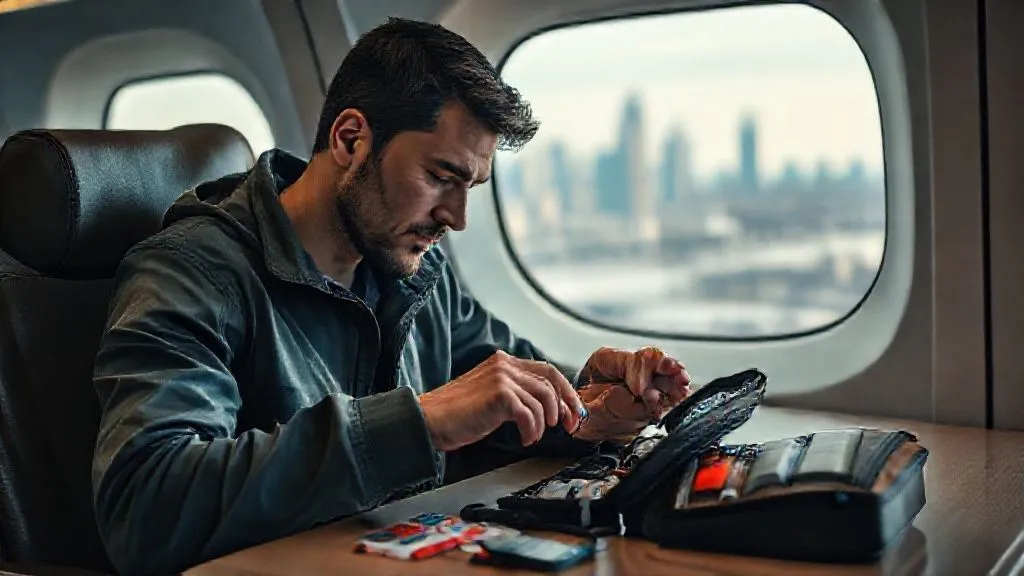
- Motion Sickness Bands/Medication: If vestibular sensitivity manifests as motion sickness, appropriate remedies should be included.
Beyond the Basics: Advanced Kit Additions
Once the core components are covered, consider these additions for enhanced comfort and regulation.
Technology for Tranquility
- Tablet/Smartphone with Calming Apps: Pre-load apps with guided meditations, calming games, visualizers, or white noise generators. Ensure devices are fully charged and have offline access.
- Portable Charger: Crucial for keeping all electronic calming aids operational throughout the journey.
- Small, Dimmable LED Light: For subtle light in unfamiliar dark spaces or as a gentle nightlight.
Comforting Companions and Familiar Objects
The predictability and familiarity of certain items can be immensely comforting.
- Favorite Stuffed Animal or Toy: A beloved item can provide emotional security and a sensory anchor.
- Photobook of Familiar Faces/Places: Visual reminders of home and loved ones can be grounding.
- Small, Favorite Snack: A preferred 'safe' food can be a source of comfort and prevent sensory distress from unfamiliar tastes or textures.
Packing Smart: Organization and Accessibility
Having the right items is only half the battle; being able to access them quickly and discreetly is equally important. This is where the wisdom of creating a sensory friendly travel essentials kit truly shines.
Choosing the Right Bag
Select a bag that is:
- Compact but Roomy: Big enough to hold all essentials without being bulky.
- Easy to Carry: A backpack, cross-body bag, or fanny pack allows for hands-free mobility.
- Durable and Washable: Travel can be messy.
- Discreet: Avoid bags that draw unnecessary attention.
Categorizing for Quick Access
Organize your kit with efficiency in mind:
- Small Pouches or Ziploc Bags: Group similar items together (e.g., all auditory aids in one pouch, all fidgets in another). Clear pouches are ideal for quick visual identification.
- Exterior Pockets: Reserve these for items needed most frequently or in emergencies (e.g., earplugs, a preferred fidget).
- Labeling: For younger children or those with communication challenges, consider using picture labels on pouches.
The goal is to minimize rummaging and maximize immediate access to relief when sensory overload strikes.
Customizing Your Kit: Personal Needs and Preferences
A truly effective sensory friendly travel kit is highly individualized. What works for one person may not for another. This is why the process of creating a sensory friendly travel essentials kit is deeply personal.
Age-Specific Considerations
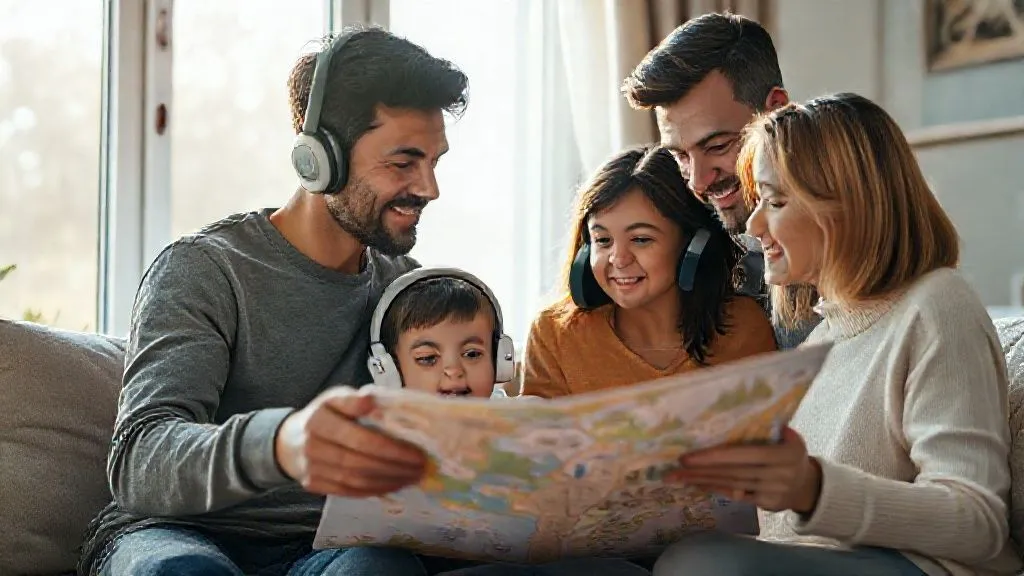
- For Children: Include more playful fidgets, beloved comfort items, and perhaps visual schedules or social stories about the journey. Consider child-sized headphones.
- For Teens/Adults: Focus on more discreet items, advanced noise-canceling technology, and tools for self-regulation like journaling or mindfulness apps.
Condition-Specific Adjustments (e.g., Autism, ADHD, SPD)
While there's overlap, specific diagnoses might benefit from tailored items:
- Autism: Strong emphasis on predictability, deep pressure, and tools for communication (e.g., communication cards).
- ADHD: Fidgets that offer sustained engagement, tools for focus (e.g., noise-canceling headphones for concentration), and outlets for excess energy.
- Sensory Processing Disorder (SPD): Highly individualized kits based on specific sensory profiles (e.g., more items for hyposensitivity if seeking input, more for hypersensitivity if avoiding).
Consulting with an occupational therapist can provide invaluable insights for highly specific needs.
Pre-Travel Prep: Integrating Your Kit into Your Journey Plan
A kit is just one piece of the puzzle. Integration into the overall travel strategy is crucial.
Practice Runs and Familiarization
Before a major trip, especially for individuals new to travel or with significant sensitivities, practice runs can be beneficial. Take short trips to simulate aspects of the journey (e.g., a bus ride, a visit to a noisy mall) while utilizing items from the kit.
Allow the individual to explore and become familiar with the kit's contents in a calm environment. This builds confidence and reduces anxiety associated with new tools.
Communicating Needs to Travel Companions/Providers
Open communication is vital. Inform travel companions about specific sensory needs and how the kit helps. For flights, trains, or cruises, consider informing the service providers in advance about accommodations that might be helpful (e.g., seating away from galleys, early boarding). Resources like the TSA's Passengers with Disabilities and Medical Conditions page offer guidance for air travel.
A simple explanation like, "My child uses these headphones to manage loud noises, and this weighted blanket helps them feel calm," can prevent misunderstandings and foster support.
Troubleshooting and Adapting On-the-Go
Even with the best preparation, travel can present unexpected challenges. Being able to adapt is a key skill.
Unexpected Sensory Overloads
If an overload occurs, the kit becomes a lifeline. Immediately access the most relevant calming tool. For example, if noise is the issue, provide headphones or earplugs. If visual input is overwhelming, offer an eye mask or move to a quieter, less stimulating area if possible.
Having a pre-determined 'safe word' or signal for when an individual is feeling overwhelmed can also facilitate quick intervention.
Replenishing and Maintaining Your Kit
Regularly check the kit's contents. Are batteries charged? Are fidgets clean? Are there enough 'safe' snacks? Replenish items as needed, especially during longer trips. Keeping the kit organized ensures it's always ready for the next adventure.
Consider creating a checklist for packing and repacking the kit to ensure nothing is forgotten.
Frequently Asked Questions (FAQ)
What is the most important item in a sensory friendly travel kit? While highly individual, noise-canceling headphones or earplugs are often cited as the most universally beneficial item due to pervasive noise in travel environments.
How often should I update my sensory kit? It's advisable to review and update your kit before each major trip, and at least annually, as needs and preferences can change over time, especially for growing children.
Can a sensory kit help with travel anxiety even without a specific diagnosis? Absolutely. Many people experience travel anxiety, and the calming tools in a sensory kit, such as fidgets, eye masks, and calming scents, can be highly effective in reducing general stress and promoting relaxation for anyone. For more on managing travel anxiety, consider resources like those from the National Institute of Mental Health (NIMH) on Anxiety Disorders.
Is it okay to bring weighted items on a plane? Generally, yes. Small weighted blankets or lap pads are usually permitted as personal items or within carry-on luggage. Always check airline specific policies for weight limits or unusual items if you have concerns.
Recommended Reading
- Unlock the Secret: How to Organize a Compact Glamping Outdoor Kitchen
- Unlock Safe Fun: What Water Sports Are Perfect for Kids on Beach Holidays?
- Conquer Your Fears: Solo Dining Tips for Shy Travelers Revealed
- Unlock Your Dream Cruise: How Much to Budget for a First-Time Voyage?
- Ultimate Guide: Navigating International Air Travel with Your Service Dog
Conclusion
Travel should be an enriching experience, not a source of dread. By diligently creating a sensory friendly travel essentials kit, you are taking a powerful step towards empowering yourself or your loved ones to navigate the world with greater comfort and confidence. From auditory aids that quiet the chaos to tactile tools that ground the spirit, each item in your kit is a beacon of calm in the sensory storm of travel.
Remember, the journey itself is part of the adventure. With thoughtful preparation and a personalized sensory kit, you can transform potential challenges into opportunities for growth, discovery, and truly joyful exploration. Embrace the power of preparedness, and embark on your next adventure with peace of mind.

Your email address will not be published. Required fields are marked *