

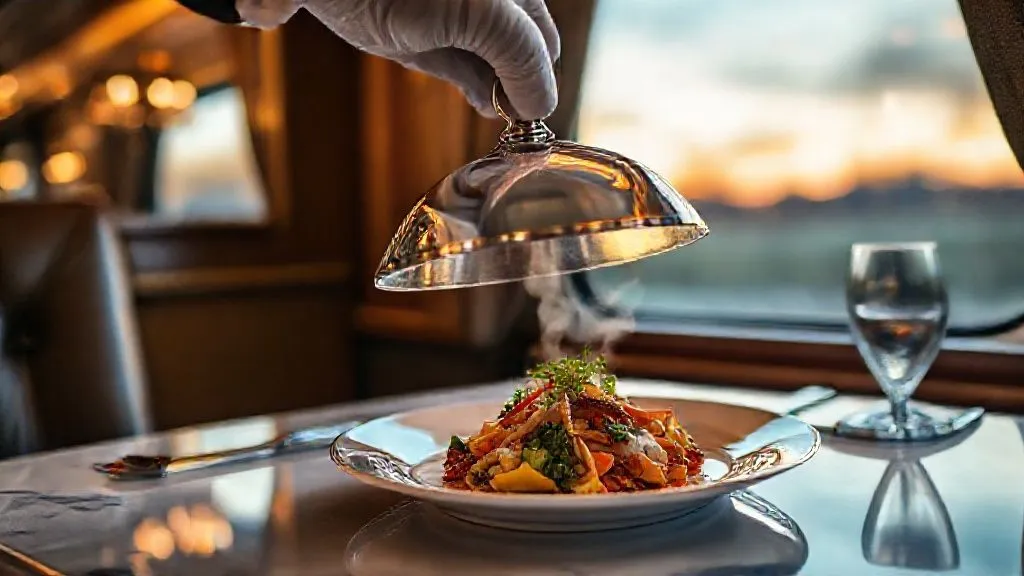
How to Manage Complex Dietary Needs on Luxury Overnight Trains?
For over two decades in the luxury travel sector, I've witnessed the sheer delight and anticipation that accompanies booking a journey on one of the world's most opulent overnight trains. The promise of breathtaking landscapes, impeccable service, and gourmet dining is intoxicating. However, I've also seen the quiet anxiety that can creep in for travelers with complex dietary needs – a concern that, if not addressed proactively, can overshadow the entire experience.
The unique environment of a moving train, with its compact kitchens and often remote routes, presents a distinct set of challenges when it comes to accommodating allergies, intolerances, and specific dietary preferences. The fear of cross-contamination, limited options, or simply not being understood can turn a dream trip into a source of constant worry for those managing conditions like Celiac disease, severe nut allergies, diabetes, or strict vegan diets.
This is precisely why I've distilled my extensive experience into this definitive guide. You're not just getting a list of tips; you're gaining a strategic framework, complete with actionable steps, real-world insights, and expert advice, designed to empower you to navigate complex dietary needs on luxury overnight trains with confidence and ensure your culinary journey is as flawless as the scenery passing by your window.
The Unique Culinary Landscape of Luxury Rail Travel
Luxury train travel offers an unparalleled dining experience, often featuring Michelin-star-worthy cuisine prepared in surprisingly compact kitchens. However, this 'kitchen on wheels' presents inherent logistical complexities that differ significantly from a stationary restaurant. Understanding these unique challenges is the first step toward effective dietary management.
Understanding the "Kitchen on Wheels" Challenge
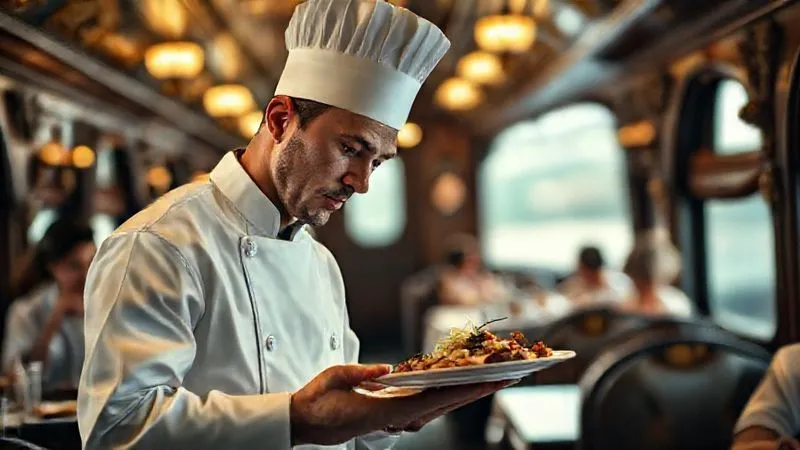
Unlike a traditional restaurant with a dedicated pantry and prep stations, a train's kitchen operates within severe space constraints. Fresh ingredient sourcing can be tricky, especially on multi-day journeys through remote areas. Furthermore, the culinary team is often catering to a diverse international clientele, each with their own unique palate and, crucially, their own set of dietary requirements. This combination of limited space, dynamic sourcing, and broad demand means that spontaneity is often limited, and meticulous planning becomes paramount.
As renowned luxury travel expert Paul Theroux once noted, "The journey is the destination." For those with dietary needs, ensuring the culinary journey is safe and enjoyable requires a collaborative approach, starting long before departure. The chefs are masters of their craft, but they need your clear and early input to perform their magic within these unique constraints.
Step 1: Proactive Communication – Your Most Potent Tool
In my experience, the single biggest differentiator between a frustrating dining experience and a delightful one for travelers with dietary needs is proactive, detailed communication. It's not enough to simply tick a box; you need to engage directly and early.
When and How to Engage with Your Train Operator
The moment you consider booking, or certainly right after, is the time to initiate dialogue. Do not wait until a week before departure. Luxury train operators, such as Belmond or Rocky Mountaineer, pride themselves on bespoke service, but they need time to prepare. Their kitchens might need to order special ingredients, adapt menus, or even consult with external experts.
Here's how to approach it:
- Initial Inquiry (Booking Stage): When making your reservation, clearly state that you have complex dietary needs. Ask about their specific protocols for handling these.
- Follow-Up Confirmation (Post-Booking): Once booked, send a detailed email to their special services or concierge team. Reiterate your needs and request confirmation that they have been noted and understood.
- Pre-Departure Call (1-2 Weeks Out): A friendly phone call to reconfirm everything can catch any overlooked details and build a personal connection with their team.
- Be Specific, Not Vague: Instead of saying "I have allergies," list them precisely: "Severe peanut and tree nut allergy, necessitating avoidance of cross-contamination."
"The clarity of your communication directly correlates with the quality of your culinary accommodation. Ambiguity leaves room for error, and on a luxury journey, that's a risk you simply shouldn't take."
Remember, you are not being a burden; you are enabling them to provide the exceptional service they aspire to offer. The more information they have, the better equipped they are to ensure your safety and satisfaction.
Step 2: Detailed Documentation – Leave Nothing to Chance
Beyond verbal or email communication, having a concise, written "dietary dossier" is a game-changer. This isn't just for your peace of mind; it's a critical tool for the train's staff, especially if there are multiple layers of communication or staff changes during the journey.
Creating Your Personal Dietary Dossier
Think of this as your personalized medical and dietary passport. It should be easily accessible, ideally printed and laminated, and also available digitally on your phone. This document should go beyond a simple list of forbidden foods and provide context and severity.
- Your Name & Cabin Number: Easy identification.
- Specific Allergies/Intolerances: List precisely (e.g., "Gluten-Free: Celiac Disease – severe reaction to wheat, barley, rye, oats unless certified GF").
- Severity of Reactions: "Anaphylactic reaction to peanuts," "Mild digestive discomfort from dairy."
- Preferred Substitutions/Alternatives: "Prefer almond milk to soy milk," "Can consume rice and quinoa."
- Foods to Avoid: A clear, concise list.
- Foods That Are Safe: A list of staples you can always eat.
- Emergency Contact & Medical Information: In case of an accidental exposure.
- Phrase Translations: Key dietary phrases in the local language(s) of the countries you'll be traveling through.
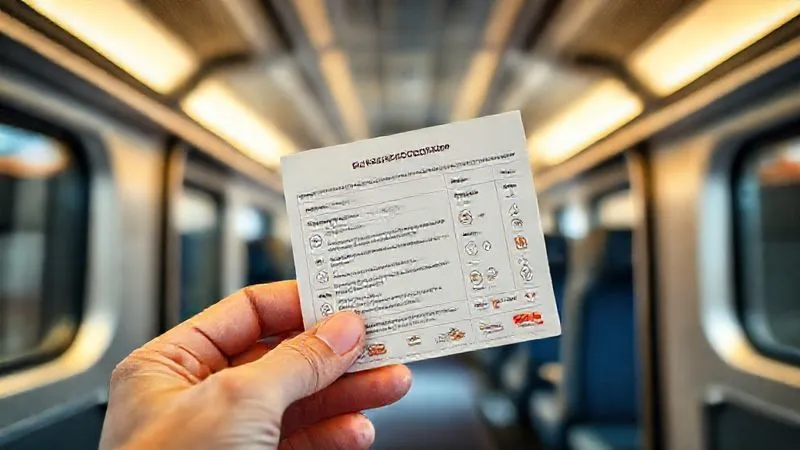
According to a study published in The Lancet on food allergy management, clear, written action plans significantly reduce the risk of accidental exposure and improve patient outcomes. This principle extends directly to travel. Having this dossier allows any staff member, from your steward to the dining car manager, to quickly and accurately understand your needs, even in an emergency.
Step 3: Chef Consultation and Menu Customization Strategies
Once onboard, establishing a direct line of communication with the culinary team, if possible, can significantly enhance your dining experience. Many luxury trains pride themselves on personalized service, and this often extends to direct chef interaction.
Building Rapport with the Culinary Team
Upon boarding, inquire about speaking with the Head Chef or the Maître d'hôtel responsible for dining. A brief, polite conversation can make a world of difference. Present your dietary dossier, explain your needs in person, and express your appreciation for their efforts. This personal touch fosters a collaborative spirit.
Case Study: Sarah's Allergy-Free Venice Simplon-Orient-Express Journey
Sarah, a traveler with severe multiple food allergies (dairy, soy, and all tree nuts), booked a journey on the iconic Venice Simplon-Orient-Express. Weeks before departure, she meticulously communicated her needs, sending her detailed dietary dossier to Belmond's concierge. Upon boarding, her steward immediately introduced her to the Maître d'hôtel, who then arranged for Sarah to briefly meet the Head Chef, Jean-Pierre. Chef Jean-Pierre personally reviewed her dossier, discussed the menu for the upcoming meals, and assured her of dedicated preparation. During her journey, each dish presented to Sarah was personally delivered by a senior staff member who confirmed its allergy-free status. For one meal, Chef Jean-Pierre even created a bespoke, off-menu dessert tailored specifically to her restrictions, demonstrating the power of early communication and personal rapport. This resulted in Sarah enjoying every meal without a hint of worry, transforming what could have been a stressful experience into a highlight of her trip.
Step 4: Smart Packing – Your Personal Pantry Backup
Even with the most meticulous planning and communication, it's always wise to have a personal backup. This isn't about distrusting the train's staff; it's about being prepared for unforeseen circumstances, delays, or simply having a safe snack when hunger strikes between meals.
Essential Snacks and Emergency Provisions
Your personal pantry backup should focus on non-perishable, nutrient-dense items that are easy to carry and require no preparation. This can be particularly crucial if your journey involves long stretches between dining services or unexpected schedule changes.
- Shelf-Stable Protein Bars: Ensure they are certified free of your allergens.
- Dried Fruits & Nuts/Seeds: If safe for you, these are excellent energy boosters.
- Individual Snack Packs: Pre-portioned crackers, rice cakes, or gluten-free cookies.
- Travel-Sized Condiments: Small packets of safe sauces or spreads if you have very specific needs.
- Hydration Boosters: Electrolyte tablets or powders.
- Emergency Medication: Always carry your EpiPen, antihistamines, or any other necessary medications in your carry-on luggage, not checked baggage.
As Forbes Travel Guide often emphasizes, preparedness is a hallmark of the discerning traveler. While luxury trains aim for perfection, having your own safe provisions ensures you're never caught off guard, allowing you to relax and fully immerse yourself in the journey.
Step 5: Onboard Verification and Reconfirmation Protocols
Your journey doesn't end with pre-departure planning. Ongoing vigilance, handled discreetly and politely, is crucial. Each meal is a new opportunity to ensure your dietary needs are met safely.
Upon Boarding: Your First Checkpoint
As soon as you settle into your cabin, speak with your dedicated steward. Confirm that they are aware of your dietary requirements as noted in your booking. Ask them about the dining procedures and who you should speak to in the dining car. This initial check reinforces the information and ensures everyone on your immediate service team is aligned.
At Each Meal: The Final Safeguard
Before ordering, or when your meal is presented, politely reconfirm with the server. A simple, "Just confirming this is the [gluten-free/dairy-free/etc.] meal for [Your Name]" is usually sufficient. Visually inspect your plate for any obvious discrepancies. Trust your instincts; if something looks or smells suspicious, don't hesitate to ask for clarification.
| Action Step | Timeline | Key Contact | Verification Method |
|---|---|---|---|
| Confirm with Booking Agent | At booking & 2 weeks prior | Train's Special Services | Email confirmation, phone call |
| Prepare Dietary Dossier | Before departure | Yourself | Print & digital copies |
| Meet Onboard Maître d' / Chef | Upon boarding | Dining Car Manager | Personal conversation |
| Reconfirm at Each Meal | Before serving each dish | Server | Verbal confirmation, visual check |
This systematic approach, from booking to plate, drastically reduces the margin for error and provides you with continuous reassurance throughout your luxury train journey. It’s about being an active participant in your own safety and enjoyment.
Step 6: Navigating Excursions and Off-Train Dining
Luxury overnight trains often include captivating off-train excursions and dining experiences in their itineraries. These can pose additional challenges for managing complex dietary needs, as the train's direct control over food preparation is relinquished.
Planning for Local Cuisine with Confidence
Before any off-train excursion that includes a meal, consult with your train's concierge or excursion manager. Inquire about the planned restaurant or catering service. Ask if they have already communicated your dietary needs to the external vendor. If not, offer to provide your dietary dossier to them to pass along.
Consider these proactive measures:
- Research Ahead: If the restaurant is known, do a quick online search for their menu and allergy policies.
- Translation Cards: Carry professionally translated cards detailing your specific allergies and dietary needs in the local language. Websites like SelectWisely offer reliable options.
- Pre-Order if Possible: Ask if it's possible for the train staff to pre-order your meal with the restaurant to ensure it meets your requirements.
- Pack Smart Snacks: Always have some of your emergency provisions on hand during excursions, just in case the off-train dining options are limited or unsafe.
The key here is extending your proactive communication strategy beyond the train itself. Your train operator is your advocate; leverage their expertise and connections with local partners to ensure a seamless experience.
Step 7: Post-Journey Feedback – Shaping Future Experiences
Your journey doesn't truly end until you've provided feedback. This final step is invaluable, not just for the train operator, but for future travelers with similar dietary needs.
Why Your Input Matters for Fellow Travelers
Whether your experience was flawless or encountered a few bumps, sharing your detailed feedback is crucial. Positive feedback reinforces good practices and encourages operators to maintain high standards. Constructive criticism, delivered politely and with specific examples, helps them identify areas for improvement.
- Be Specific: Mention names, dates, and exact incidents.
- Highlight Both Positives and Negatives: A balanced review is more credible.
- Suggest Solutions: If you encountered a problem, offer ideas on how it could be prevented in the future.
- Use Official Channels: Provide feedback via the train operator's official survey, email, or customer service line.
Your insights contribute to a growing body of knowledge that helps luxury train operators refine their services, making it easier for others to manage complex dietary needs on luxury overnight trains. This collective effort elevates the entire industry standard.
Common Misconceptions About Train Dining and Dietary Needs
Throughout my career, I've encountered several pervasive myths about managing dietary needs, especially in unique settings like luxury trains. Dispelling these can set more realistic expectations and guide better preparation.
- Misconception 1: "Luxury means they can handle anything instantly." While luxury operators strive for excellence, their kitchens are still bound by physical space, ingredient availability, and staff training. Complex requests often require significant lead time.
- Misconception 2: "It's just like eating in a top restaurant." A train kitchen is a dynamic environment. Factors like motion, limited storage, and the need to serve many passengers simultaneously differentiate it from a stationary, land-based restaurant.
- Misconception 3: "A simple note in my booking is enough." As discussed, a simple note is a start, but it's rarely sufficient for truly complex needs. Direct, detailed, and repeated communication is essential.
- Misconception 4: "Bringing my own food implies distrust." On the contrary, a small, discreet supply of safe snacks demonstrates proactive self-care. Most operators understand and appreciate this level of personal responsibility.
Understanding these distinctions helps you approach your journey with a balanced perspective, empowering you to collaborate effectively with the train's culinary team rather than simply expecting miracles.
Leveraging Technology for Dietary Management on the Go
In our increasingly connected world, technology offers several tools to assist in managing complex dietary needs while traveling, complementing your direct communication efforts.
- Allergy Management Apps: Apps like 'Allergy Translate' or 'Equal Eats' provide pre-translated dietary cards in multiple languages, making communication easier in foreign countries or with international staff.
- Digital Scanners: Some apps allow you to scan ingredient lists on packaged foods (if you bring any) to quickly identify allergens.
- Online Research: Utilize your phone to quickly research restaurant menus for excursions or confirm ingredient lists for packaged snacks you might consider buying during stops.
- Communication Tools: Use email or messaging apps to send your dietary dossier to train staff or local tour operators if direct conversation isn't possible.
While technology is a fantastic aid, it should always be used in conjunction with direct human communication. It's a support tool, not a replacement for personal interaction and verification.
Frequently Asked Questions (FAQ)
Q: What if my dietary needs are extremely rare or involve multiple severe allergies? A: For highly unusual or multiple severe allergies, the emphasis on early and detailed communication becomes even more critical. Consider contacting the train operator directly before booking to discuss feasibility. Some operators may require a doctor's note or a detailed medical summary. Be prepared for the possibility that some extreme cases might be difficult to accommodate fully due to the limitations of a moving kitchen. In such instances, bringing a substantial portion of your own safe, pre-prepared meals might be the safest option, after clearing it with the train staff.
Q: Should I bring my own food for all meals, just to be safe? A: While bringing emergency snacks is highly recommended, bringing all your own meals is generally not necessary or expected on luxury trains. Their gourmet dining is a significant part of the experience. Instead, focus on the proactive communication steps outlined above. If, however, after thorough communication, you still feel uncomfortable or the train indicates they cannot guarantee safety for your specific needs, then bringing your own meals (again, after informing them) becomes a reasonable and responsible alternative.
Q: How do I handle language barriers if traveling internationally? A: Language barriers can be a significant concern. This is where your translated dietary dossier and specific allergy translation cards become invaluable. Apps like Google Translate can also help with real-time conversations, but written, pre-translated cards are often more reliable for critical information like allergies. Always try to find a staff member who speaks English or your native language to ensure full understanding.
Q: What if a mistake happens and I'm served something I can't eat? A: Despite best efforts, mistakes can occur. If you suspect or realize you've been served an unsafe dish, immediately and calmly inform your server or steward. Do not consume the food. If you experience an allergic reaction, follow your personal emergency action plan (e.g., administer EpiPen, take antihistamines) and alert staff immediately. Luxury trains typically have medical staff or are trained in emergency procedures. Open, calm communication is key to resolving the situation quickly and safely.
Q: Are there specific luxury trains known for excellent dietary accommodation? A: While most luxury train operators strive for excellent service, some are lauded for their attention to detail regarding dietary needs. Operators like Belmond (Venice Simplon-Orient-Express, Eastern & Oriental Express) and Rocky Mountaineer frequently receive praise for their proactive approach. However, policies and chef capabilities can vary, so always verify directly with the specific journey you plan to take, rather than relying on general reputation.
Key Takeaways and Final Thoughts
- Proactive Communication is Paramount: Start early, be specific, and document everything.
- Your Dietary Dossier is Your Ally: A clear, written summary of your needs empowers staff.
- Build Rapport with the Culinary Team: A personal connection can lead to bespoke solutions.
- Always Have a Backup Plan: Smart packing of safe snacks provides peace of mind.
- Maintain Vigilance: Discreetly reconfirm at each meal and during excursions.
- Provide Feedback: Your experience helps improve services for everyone.
Navigating complex dietary needs on luxury overnight trains doesn't have to be a source of stress. By adopting a proactive, informed, and collaborative approach, you can transform potential challenges into opportunities for exceptional, personalized service. I've seen countless travelers enjoy unforgettable culinary journeys by following these principles. Embrace these expert tips, and embark on your next rail adventure with confidence, knowing that your health and enjoyment are in capable hands.
Recommended Reading
- 7 Proven Steps: How to Avoid Greenwashing Accusations for Eco Resorts
- The Ultimate Guide: How to Avoid Hidden Travel Fees & Surcharges?
- 7 Proven Strategies: Justifying Film Festival Sponsorship ROI to Management
- 7 Critical Steps: Guaranteeing Client Food Safety on Global Market Tours
- 7 Proven Strategies: Fund Safe, Budget Student Travel Programs



Your email address will not be published. Required fields are marked *