


How to Manage Infant Jet Lag on Long-Haul International Flights?
For over 15 years, I've had the privilege of guiding countless families through the intricate world of international travel. One of the most common anxieties I encounter, especially from new parents, revolves around a tiny but mighty disruptor: infant jet lag. I've witnessed firsthand the sheer exhaustion and frustration it can bring, transforming what should be an exciting adventure into a marathon of sleepless nights and fussy days.
The thought of a long-haul international flight with a baby, only to arrive at your dream destination with a completely off-kilter sleep schedule, is enough to make any parent reconsider their plans. The cries, the unpredictable naps, the challenge of enjoying new experiences when your little one is struggling – these are very real pain points that can overshadow the joy of travel.
But what if I told you there are genuinely effective, expert-backed strategies to navigate this challenge? In this definitive guide, I’ll share my accumulated wisdom, actionable frameworks, and practical insights on how to manage infant jet lag on long-haul international flights, transforming a daunting prospect into a manageable part of your family's global adventures. You’ll learn how to prepare, adapt, and help your baby adjust seamlessly to new time zones.
Understanding the Science Behind Infant Jet Lag
Before we dive into solutions, it's crucial to grasp what we're up against. Jet lag isn't just about being tired; it's a profound disruption to the body's natural internal clock, known as the circadian rhythm. This rhythm dictates our sleep-wake cycles, hormone release, and even digestion, primarily influenced by light and darkness.
Circadian Rhythms and Melatonin in Babies
Infants, especially newborns, are still developing their circadian rhythms. While adults produce melatonin (the sleep hormone) in response to darkness, a baby’s melatonin production and regulation are less mature. This means their internal clock is more susceptible to external cues – or the lack thereof – during rapid time zone changes. Their delicate systems struggle to differentiate between day and night when those cues are suddenly shifted by several hours.
Why Infants are Particularly Vulnerable
Babies don't understand time zones. Their world revolves around feed-sleep cycles, which are deeply ingrained. When you cross multiple time zones, their tiny bodies are still expecting to eat or sleep at times that no longer align with local reality. This leads to overtiredness, hunger at odd hours, and general irritability. Furthermore, their limited ability to communicate their discomfort can amplify parental stress.
Expert Insight: Patience and consistency are your most powerful allies when dealing with infant jet lag. Remember, your baby isn't intentionally being difficult; their biological clock is simply out of sync.
Pre-Flight Preparations: Laying the Groundwork for Success
The battle against jet lag begins long before you step onto the plane. Strategic pre-flight planning can significantly reduce the severity of adjustment upon arrival, making managing infant jet lag on long-haul international flights much smoother.
Gradual Schedule Adjustment
One of the most effective strategies is to begin shifting your baby's sleep and feeding schedule towards the destination time zone a few days before departure. This gradual approach is far less disruptive than an abrupt change.
- Start Early: Approximately 3-5 days before your flight, begin adjusting your baby's bedtime and wake-up time by 15-30 minutes each day.
- Eastbound Flights: If traveling east (losing hours), shift bedtime and wake-up earlier.
- Westbound Flights: If traveling west (gaining hours), shift bedtime and wake-up later.
- Adjust Feeds: Synchronize feeding times with the new sleep schedule as much as possible.
- Light Exposure: Maximize or minimize natural light exposure during these adjustment days to reinforce the new schedule. For example, if shifting earlier, expose them to morning light.
Optimizing the Travel Day Schedule
On the day of travel, try to align your baby's schedule with the destination time zone as much as possible. If your flight departs at what would be bedtime in your destination, aim for them to be tired and ready to sleep on the plane. Conversely, if it’s daytime at your destination, encourage wakefulness and play.

In-Flight Strategies: Minimizing Disruption During the Journey
The flight itself is a critical period. While you can't completely control your environment, you can implement strategies to support your baby's transition and comfort.
Creating a Sleep-Friendly Environment
Making your immediate area as conducive to sleep as possible can work wonders, even in a bustling cabin.
- White Noise: A portable white noise machine or app can block out airplane sounds and create a familiar sleep cue.
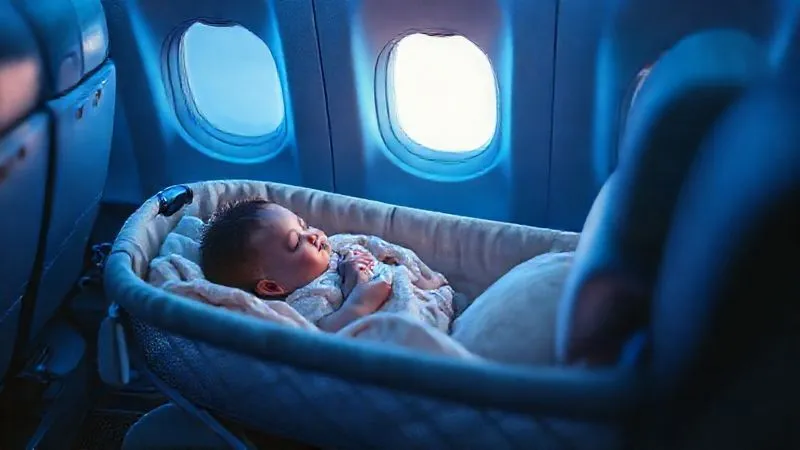
- Blackout Cover: If using a bassinet, a lightweight, breathable blackout cover can help create darkness, even during daytime flights.
- Comfort Items: Bring familiar blankets, pacifiers, or loveys that signal sleep to your baby.
- Comfortable Clothing: Dress your baby in loose, comfortable layers that can be easily adjusted for temperature changes.
Strategic Feeding and Hydration
Hydration is key for everyone on a flight, especially babies. Offer breast milk or formula frequently. For older infants, offer water. Feeding can also be a powerful tool for ear pressure equalization during takeoff and landing, and a calming mechanism.
Leveraging Layover Opportunities
If you have a long layover, use it wisely. Try to get your baby outside for some natural light and fresh air. Let them crawl or walk around to burn off energy. This can help reinforce the new time zone and provide a much-needed break from the confined cabin environment. According to the American Academy of Pediatrics, maintaining routines as much as possible, even during travel, is beneficial for infant development and well-being.
Post-Arrival Adjustment: Resetting Your Baby's Internal Clock
Once you’ve landed, the real work of resetting your baby's internal clock begins. This phase is crucial for successfully managing infant jet lag on long-haul international flights.
Embrace Natural Light Exposure
Light is the most powerful cue for our circadian rhythm. Upon arrival, expose your baby to natural light during the day, especially in the mornings. Conversely, dim lights and create a dark environment as bedtime approaches in the new time zone.
- Morning Sunshine: Take your baby for a walk outside or sit by a window with natural light shortly after waking up in the new time zone.
- Daytime Play: Engage in active play and keep them stimulated during daylight hours.
- Evening Wind-Down: Begin your bedtime routine with dim lights, quiet activities, and a warm bath about an hour before the new bedtime.
- Darkness for Sleep: Ensure the sleeping environment is as dark as possible, using blackout curtains if available.
Establishing a New Routine Immediately
While challenging when your baby is protesting, try to establish your new destination's feeding and sleeping routine as quickly as possible. This means waking them at an appropriate time for the new time zone, even if they're still sleeping, and holding off on naps until their usual nap times.
Expert Insight: Consistency is paramount. Even if your baby is struggling, sticking as closely as possible to the new schedule will help their body adjust faster. Avoid letting them 'catch up' on sleep at inappropriate times, as this can prolong jet lag.
The Power of Play and Movement
Encourage plenty of active playtime during the day. Physical activity, even for infants who are just kicking and wiggling, helps to tire them out naturally and reinforces the daytime-wakefulness cue. For older babies, exploring a new environment can be stimulating and help distract from any residual jet lag symptoms. According to a study published in the Journal of Clinical Sleep Medicine, consistent sleep schedules and light exposure are key factors in circadian rhythm entrainment.
| Day | Morning (Local Time) | Afternoon (Local Time) | Evening (Local Time) | Notes |
|---|---|---|---|---|
| Arrival Day | Wake up, immediate light exposure, active play | Short nap (if needed), continue light exposure | Bedtime routine, dark room | Expect some fussiness; prioritize light and routine. |
| Day 2 | Consistent wake-up, outdoor time, vigorous play | Structured nap, avoid overly long naps | Strict bedtime routine, dark room | Reinforce new schedule; limit evening stimulation. |
| Day 3 | Maintain wake-up, explore local area | One or two age-appropriate naps | Consistent bedtime, quiet activities | Signs of adjustment should be appearing; celebrate small wins. |
Nurturing Sleep: Practical Tips for Overtired Infants
Even with the best preparations, an infant might still become overtired. Recognizing the signs and having strategies to manage it is crucial for managing infant jet lag on long-haul international flights effectively.
The Art of the 'Power Nap'
If your baby is severely overtired and resisting sleep at the 'right' times, a short, strategic power nap can sometimes be beneficial. This isn't about letting them sleep for hours; it's about taking the edge off their exhaustion so they can better cope until the next scheduled sleep period. Keep it brief (20-30 minutes) and ensure it doesn't interfere with their main nap or bedtime.
Feed-Sleep Cycle Re-establishment
One of the biggest challenges is when hunger strikes in the middle of the 'night' in the new time zone. Try to gently push back nighttime feeds by a few minutes each night, or offer smaller feeds to gradually shift their internal clock. During the day, offer full feeds to ensure they are well-fed and less likely to wake from hunger at night.
When to Seek Professional Advice
While infant jet lag is usually temporary, if your baby's sleep or feeding patterns remain severely disrupted for more than a week, or if you notice other concerning symptoms (e.g., extreme lethargy, dehydration, fever), it's always wise to consult a pediatrician. They can rule out any underlying issues and offer personalized guidance.

Case Study: The Miller Family's Transatlantic Triumph
Let me share a story from my practice. The Miller family, with their 9-month-old daughter, Lily, planned a two-week trip from New York to Paris – a six-hour time difference. They were incredibly apprehensive about jet lag after a previous disastrous domestic flight.
Their Strategic Approach and Results
Before their trip, I guided them through the pre-flight adjustment strategy. For five days, they shifted Lily's schedule by 30 minutes daily. On the flight, they utilized a portable white noise machine and a bassinet with a dark cover. They also focused on feeding Lily according to Parisian time as much as possible, even if it meant waking her gently for a feed.
Upon arrival, they immediately took Lily to a park for an hour of morning sunshine and active play. They stuck rigidly to their new bedtime routine, even when Lily was resistant on the first night. They allowed a single, short power nap early on day two when she was particularly overtired, but otherwise kept her awake and stimulated during daylight hours.
By the end of day three, Lily was sleeping through the night in Parisian time, with only minor wake-ups. The Millers were able to fully enjoy their trip, a stark contrast to their previous travel experiences. This success story highlights the power of proactive planning and consistent execution in managing infant jet lag on long-haul international flights.
Common Pitfalls to Avoid When Battling Infant Jet Lag
Even with the best intentions, it's easy to fall into traps that can prolong your baby's adjustment. Awareness is your first line of defense.
Over-scheduling and Exhaustion
It's tempting to pack your itinerary with activities, especially on an exciting international trip. However, an overtired baby will struggle more with jet lag. Prioritize rest for your little one, even if it means sacrificing some sightseeing. Build in downtime and don't push them past their limits.
Ignoring Your Own Needs
Parents often put their baby's needs first, neglecting their own. But an exhausted, stressed parent is less effective at managing a fussy baby. Ensure you're also getting adequate rest, staying hydrated, and eating well. Tag-teaming with your partner can be invaluable.
Relying Solely on Medications (and why not to)
While there are sleep aids for adults, using melatonin or other medications for infants is generally not recommended without strict medical supervision. The long-term effects on developing brains are not fully understood, and the focus should always be on natural circadian rhythm adjustment through light and routine. Always consult your pediatrician before considering any medication for your baby, as advised by the American Academy of Family Physicians.
Tools and Resources for Smooth Family Travel
Having the right gear and knowledge can significantly ease the journey and aid in managing infant jet lag on long-haul international flights.
Essential Travel Gear for Infants
- Portable White Noise Machine: Creates a consistent sleep environment.
- Lightweight Stroller/Carrier: For easy transport and naps on the go.
- Travel Bassinet/Crib: Familiar sleep space, if not provided by accommodation.
- Blackout Curtains (Portable): Crucial for controlling light in new rooms.
- Familiar Comfort Items: Blankets, stuffed animals, pacifiers.
- Snacks & Hydration: Ample supply of formula, breast milk, water, and age-appropriate snacks.
Recommended Apps for Tracking Sleep/Feeds
Several apps can help you track your baby's sleep, feeds, and diaper changes, which becomes invaluable when trying to establish a new routine in a different time zone. 'Huckleberry' and 'Baby Tracker' are popular choices that offer insights into patterns and help predict optimal sleep windows. Using such tools can provide a sense of control and data-driven decisions during a potentially chaotic period.
| Item | Benefit | Why It Helps Jet Lag |
|---|---|---|
| Portable White Noise Machine | Blocks out unfamiliar sounds, creates consistent sleep cues. | Helps baby fall asleep and stay asleep regardless of environment. |
| Travel Blackout Curtains | Ensures a dark sleep environment anytime, anywhere. | Crucial for signaling 'nighttime' to reset circadian rhythm. |
| Comfortable Carrier/Wrap | Allows for hands-free comfort and discreet naps on the go. | Facilitates naps aligned with destination time zone, even when out. |
| Familiar Lovey/Blanket | Provides emotional security and a sense of home. | Reduces anxiety and aids in settling down for sleep in new places. |
Frequently Asked Questions (FAQ)
Q: How long does infant jet lag typically last? A: The duration varies greatly depending on the number of time zones crossed, the baby's age, and your strategies. Generally, for every time zone crossed, it can take one day for your baby to fully adjust. So, a six-hour time difference might mean 6 days of adjustment, though significant improvement is often seen within 3-4 days with consistent effort.
Q: Is it safe to give my baby melatonin for jet lag? A: Generally, no. Pediatricians and sleep experts strongly advise against giving melatonin or other sleep medications to infants without explicit medical guidance. The long-term effects on a developing child are not well-understood, and natural light exposure and routine adjustments are the safest and most effective methods for resetting circadian rhythms. Always consult your pediatrician first.
Q: What if my baby refuses to sleep on the plane? A: This is a common challenge. Focus on comfort: feeding, rocking, walking the aisles (if safe), and using comfort items. Don't stress too much if they don't sleep as much as you'd like. The priority is to keep them as calm and comfortable as possible. You can make up for lost sleep with strategic naps upon arrival, aligning them with the new time zone.
Q: Should I wake my baby to stick to the new schedule? A: Yes, within reason. It sounds counterintuitive, but gently waking your baby at the appropriate time for the new time zone is a critical step in resetting their internal clock. Aim for a consistent wake-up time. For naps, if they're sleeping significantly longer than typical for the new time zone and it's interfering with bedtime, a gentle wake-up might be necessary to avoid oversleeping.
Q: How do I handle multiple time zones on a single trip? A: For complex itineraries with multiple time zone changes, focus on adjusting to the *final* destination's time zone as much as possible. For shorter stops, try to maintain your home time zone or the time zone of your longest stay. Flexibility and prioritizing rest during transit are key. Always aim for consistency at your main destinations.
Key Takeaways and Final Thoughts
- Proactive Preparation is Key: Start gradually adjusting your baby's schedule days before departure.
- Leverage Light: Use natural light to signal 'day' and darkness to signal 'night' in the new time zone.
- Consistency is Crucial: Stick to the new feeding and sleeping routine as much as possible upon arrival.
- Prioritize Comfort: Create a sleep-friendly environment on the plane and in your accommodation.
- Be Patient and Empathetic: Your baby is doing their best; offer comfort and understanding.
- Don't Forget Yourself: A well-rested parent is better equipped to handle the challenges.
Managing infant jet lag on long-haul international flights doesn't have to be a nightmare. With these expert strategies, a bit of planning, and a lot of patience, you can help your little traveler adjust more smoothly, allowing your family to truly savor the adventure of exploring the world together. Embrace the journey, trust the process, and soon you'll be creating cherished memories, free from the shadow of overtiredness. Happy travels!
Recommended Reading
- Beat Burnout: 7 Steps to Your Executive Resort Island Escape
- Beat Solo Travel Planning Paralysis: 5 Steps for Limited Time
- Cruises for Team Building: 7 ROI-Driven Ways to Justify the Investment
- The Ultimate Secret: How to Pick a Beach with Crystal Clear Water Every Time
- Best Baking Classes While Traveling Abroad: A Delicious Journey





Your email address will not be published. Required fields are marked *