

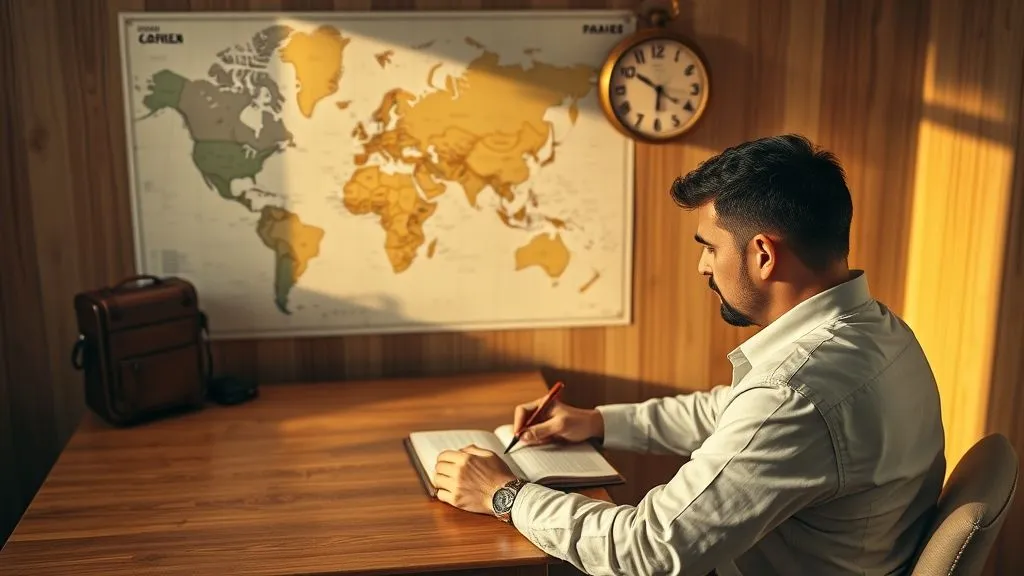
How to avoid solo travel planning paralysis with limited time?
For over two decades in the solo travel sphere, I've witnessed countless aspiring adventurers hit a wall. They dream of exploring the world on their own terms, but the sheer volume of choices and the ticking clock create an insurmountable barrier, leading straight to what I call solo travel planning paralysis. It's a common, frustrating trap where the desire to plan the 'perfect' trip, especially with limited time, leads to no trip at all.
This isn't just about being indecisive; it's a genuine cognitive overload. When you're solo, every decision, from flights and accommodation to daily activities and budgeting, rests squarely on your shoulders. Add a tight schedule to that equation, and suddenly, the joy of planning transforms into a daunting, overwhelming chore that often results in giving up before you even start.
But it doesn't have to be this way. In this definitive guide, I'll share expert-backed frameworks and battle-tested strategies to help you navigate the complexities of solo travel planning, even when time is scarce. We'll move beyond mere tips to provide actionable steps, real-world analogies, and a clear roadmap to help you confidently answer the question: How to avoid solo travel planning paralysis with limited time? Let's transform your travel dreams into tangible itineraries.
1. Embrace the Power of "Good Enough" and Narrow Your Focus
The quest for the 'perfect' solo trip is often the primary culprit behind planning paralysis. When you have limited time, perfectionism becomes your enemy, not your friend. My experience has shown that a 'good enough' plan executed is infinitely better than a 'perfect' plan that never leaves the drawing board. This mindset shift is crucial for breaking free from the initial overwhelm.
Instead of trying to research every single option for every single aspect of your trip, commit to making informed, but swift, decisions. This means accepting that you might not find the absolute cheapest flight, or the most unique boutique hotel, or see every single attraction. The goal is to get going, not to optimize every single micro-detail to the nth degree.
The 80/20 Rule for Destination Selection
Applying the Pareto Principle to your destination choice can dramatically cut down planning time. Focus on the 20% of options that will give you 80% of the travel experience you desire. This often means simplifying your initial choice rather than expanding it.
- Identify Your Core Desire: What's the absolute most important thing you want from this trip? Is it relaxation, adventure, culture, food, or something else? Choose one or two.
- Brainstorm 3-5 Destinations: Based on your core desire, list a few places that immediately come to mind. Don't overthink it at this stage.
- Apply 2-3 Non-Negotiable Filters: Do you need a direct flight? A specific budget range? A certain climate? Use these to quickly eliminate options.
- Pick the Easiest Option: From the remaining choices, select the one that feels the most straightforward to plan right now. Perhaps it's a place you've already researched slightly, or one with abundant infrastructure for solo travelers.
"The biggest barrier to action is not the lack of time, but the paralysis of overthinking. When planning solo travel with limited time, swift, decisive action on a 'good enough' choice is your most powerful tool."
By narrowing your focus early on, you prevent the snowball effect of endless tabs, conflicting reviews, and the feeling that you're missing out. Remember, the world is vast, and you'll have other trips. This one is about making it happen.
2. Implement Time-Blocking & Micro-Planning Sprints
One of the most effective strategies I've personally used and recommended to others facing solo travel planning paralysis with limited time is to treat planning like any other important task: by scheduling it. Randomly researching whenever you have a spare moment leads to inefficiency and distraction. Instead, dedicate specific, focused blocks of time to planning.
Think of these as 'planning sprints.' Just like in agile project management, you're tackling specific tasks within a defined timeframe. This technique not only ensures progress but also prevents planning from bleeding into all aspects of your life, reducing overall stress and overwhelm.

Case Study: Sarah's Weekend Escape
Sarah, a busy marketing professional, dreamed of a solo weekend trip to a nearby city but found herself endlessly scrolling travel blogs, feeling overwhelmed by the sheer number of things to do. She had only three weeks until her desired departure and felt stuck. Implementing the time-blocking strategy, she scheduled three 60-minute 'planning sprints' over the next week.
In her first sprint, she booked her train tickets and a hostel. The second sprint was dedicated to researching and booking one key activity she absolutely wanted to do. The third sprint involved mapping out a rough daily itinerary and identifying a few backup options. By breaking down the daunting task into manageable, time-boxed segments, Sarah avoided decision fatigue and successfully planned her enjoyable solo escape, proving that even with limited time, structured planning yields results.
- Schedule Dedicated Slots: Block out 30-60 minute sessions in your calendar. Treat these like non-negotiable appointments.
- Define a Clear Goal for Each Sprint: Before starting, decide what you'll accomplish. Examples: 'Research flights to X,' 'Book accommodation,' 'Plan Day 1 activities.'
- Eliminate Distractions: During your sprint, close unnecessary tabs, turn off notifications, and focus solely on the task at hand.
- Take Breaks: After each sprint, step away. This prevents burnout and allows your brain to process information.
This structured approach, often championed by productivity experts, helps you make significant progress efficiently. For further reading on effective time management, consider exploring resources on time-blocking techniques.
3. Leverage Digital Tools & Pre-Built Resources Wisely
In today's digital age, you don't need to start from scratch. There's a wealth of online tools and resources designed to streamline travel planning. The trick is to use them wisely and not get lost in the endless options. My advice is to pick a few reliable, high-authority tools and stick with them, rather than jumping between dozens of apps and websites.
The goal here is efficiency. Many digital platforms are specifically designed to aggregate information, compare prices, and simplify booking processes, directly addressing the challenge of solo travel planning paralysis with limited time. They can be your best allies in rapid itinerary building.
Smart App Utilization for Solo Travelers
Focus on apps that solve specific problems. For flights and accommodation, aggregators like Skyscanner or Booking.com are indispensable. For navigation, Google Maps or Maps.me are crucial. For activity inspiration, platforms like TripAdvisor or local tourism boards can provide curated lists. Don't download every travel app; choose a handful that truly enhance your planning process.
| Category | Recommended Tool | Benefit for Solo Travelers |
|---|---|---|
| Flights & Accommodation | Skyscanner / Booking.com | Aggregates options, price comparison, user reviews. |
| Navigation & Local Info | Google Maps / Maps.me | Offline maps, public transport routes, local recommendations. |
| Activities & Tours | GetYourGuide / Viator | Pre-booked tours, skip-the-line access, social opportunities. |
| Budgeting & Expense Tracking | Splitwise (even for solo) | Track spending, categorize expenses, stay within budget. |
Many popular travel apps also offer features specifically beneficial for solo travelers, such as safety alerts, emergency contacts, or even solo-friendly activity suggestions. For a deeper dive into the best travel tech, check out this article on essential travel apps.
4. Prioritize Non-Negotiables & Leave Room for Spontaneity
A common mistake in solo travel planning, especially under time constraints, is trying to pack too much in. This leads to a frantic, unenjoyable trip and, more importantly, adds immense pressure during the planning phase. My philosophy is to identify your absolute non-negotiables – the 'must-haves' – and then consciously leave significant gaps in your itinerary for serendipity.
This approach significantly reduces planning time because you're only focusing on securing a few critical elements. The beauty of solo travel is the freedom to change your mind, linger longer, or pivot based on local recommendations. Building in this flexibility from the outset makes the planning process less rigid and more enjoyable.
The "Big Three" Prioritization Method
When time is limited, simplify your planning by focusing on what I call the "Big Three" for any solo trip:
- Accommodation: Secure your primary lodging. This provides a home base and peace of mind.
- Transportation: Book your flights/trains/buses to and from your destination.
- One Key Activity/Experience: Choose one major activity or attraction that is a definite 'must-do' for you. This could be a specific museum, a hike, a cooking class, or a cultural event.
Once these three are locked in, your trip has a solid foundation. Everything else becomes optional and can be decided on the fly, or with minimal research once you arrive. This method dramatically reduces the scope of your initial planning efforts, directly addressing how to avoid solo travel planning paralysis with limited time.
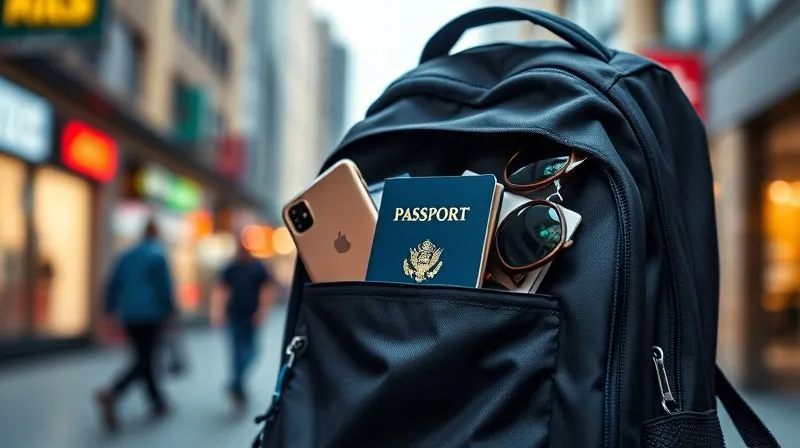
"True solo travel freedom isn't about having every minute planned; it's about having the essential framework secured so you can embrace the unexpected. Prioritize your 'Big Three' and let the rest unfold."
By focusing on the bare essentials, you create a robust yet flexible plan. The remaining time can then be filled with discoveries, local interactions, and experiences you might not have even known existed during your initial planning phase.
5. Build a "Solo Travel Quick-Start" Template
One of the most powerful tools in my arsenal for efficient solo travel planning is creating a reusable template. Once you've gone through the planning process a few times, you'll notice patterns and essential information you always need. By consolidating this into a digital or physical template, you can significantly reduce the mental load and time spent on future trips.
This isn't just about a checklist; it's a structured framework that guides you through the necessary steps without having to reinvent the wheel every single time. It's a proactive measure that directly combats solo travel planning paralysis by providing a familiar, efficient workflow.
Essential Elements of Your Personal Template
- Pre-Departure Checklist: Passport validity, visa requirements, travel insurance, vaccinations, currency exchange, packing list.
- Booking Tracker: Flight details, accommodation reservations, tour bookings (with confirmation numbers, dates, times, and costs).
- Daily Itinerary Outline: A flexible structure for each day (e.g., Morning: explore X, Afternoon: activity Y, Evening: dinner/relax).
- Emergency Contacts: Local embassy, travel insurance helpline, trusted contacts back home.
- Budget Sheet: Estimated costs for flights, accommodation, food, activities, transport, contingency.
- Research Links: A place to save useful blogs, local transport sites, restaurant recommendations.
| Section | Key Items |
|---|---|
| Pre-Trip Essentials | Passport check, Visa, Insurance, Vaccinations, Currency, Packing List |
| Bookings & Confirmations | Flights (Ref#), Accommodations (Conf#), Tours (Voucher#), Transport (Tickets) |
| Daily Outline | Day 1: Arrive, Check-in, Dinner. Day 2: Morning Activity, Afternoon Free, Evening Local Food. |
| Budget Tracker | Flights, Accommodation, Food, Activities, Local Transport, Contingency (15%) |
| Emergency & Contacts | Embassy, Insurance #, Family Contact #, Local Emergency # |
Having such a template means that when you decide on your next solo adventure, a significant portion of the initial setup is already done. You simply plug in the new destination-specific details. This systematic approach is a game-changer for anyone asking how to avoid solo travel planning paralysis with limited time? For more on the benefits of structured planning, explore articles on the power of routines and templates.
6. Proactive Problem-Solving: Anticipate and Mitigate Hurdles
A significant contributor to planning paralysis, especially for solo travelers, is the underlying fear of the unknown and the potential problems that might arise. "What if I get lost?" "What if my flight is delayed?" "What if I feel lonely?" These anxieties, left unaddressed, can halt planning in its tracks. As an experienced solo traveler, I've learned that anticipating common hurdles and having a basic mitigation strategy in place can dramatically boost confidence and streamline decision-making.
You don't need a solution for every imaginable scenario, but having a general awareness and a plan for the most common solo travel challenges frees up mental space during planning. This proactive approach not only makes planning faster but also makes your actual trip smoother and less stressful.
Addressing Common Solo Planning Fears
- Getting Lost: Download offline maps (Google Maps, Maps.me), learn a few key phrases in the local language, carry a physical map as backup.
- Safety Concerns: Research safe neighborhoods for accommodation, share your itinerary with a trusted contact, carry a personal safety alarm, avoid walking alone late at night in unfamiliar areas.
- Loneliness: Research group tours, stay in social hostels, join local meet-up groups, plan a few social activities.
- Budget Overruns: Set a daily budget, track expenses using an app, have an emergency fund, look for free activities.
- Unexpected Delays/Cancellations: Purchase travel insurance, have copies of important documents (digital and physical), know your airline/accommodation's rebooking policies.

By having these basic strategies in mind, you reduce the mental burden of 'what ifs' during planning. It transforms potential obstacles into manageable challenges, allowing you to focus on the exciting aspects of your trip. This foresight is crucial for overcoming the inertia of solo travel planning paralysis.
7. The "One-Step-At-A-Time" Mentality & Mindset Shift
Finally, and perhaps most importantly, overcoming solo travel planning paralysis with limited time requires a fundamental shift in mindset. When faced with a large, complex task like planning an entire solo trip, the human brain can become overwhelmed. The key is to break it down into the smallest possible, actionable steps and focus on completing just one at a time. This isn't just a productivity hack; it's a psychological strategy to maintain momentum and combat decision fatigue.
Think of it like climbing a mountain. You don't focus on the summit from the base; you focus on the next foothold, the next stride. Each small step, no matter how insignificant it feels, contributes to reaching your goal. This incremental progress builds confidence and keeps the planning process from becoming a daunting, monolithic task.
Cultivating a Growth Mindset for Travel Planning
Embrace the idea that planning is an iterative process, not a one-shot perfect endeavor. If you hit a snag, view it as a learning opportunity, not a failure. Celebrate small victories – booking that flight, finding a great restaurant, or even just deciding on a neighborhood. These small successes fuel your motivation to continue.
- Start with the Smallest Action: Don't try to plan the whole trip. Just open a flight search website. That's it.
- Focus on Completion, Not Perfection: Once you start a task, aim to complete it to a 'good enough' standard before moving on.
- Reward Yourself: After a planning sprint or completing a major task (like booking flights), give yourself a small reward. This positive reinforcement encourages future action.
- Be Kind to Yourself: If you get stuck or feel overwhelmed, take a break. Don't beat yourself up. Revisit the task with fresh eyes.
This "one-step-at-a-time" approach, combined with a positive mindset, is incredibly powerful. It transforms the overwhelming journey of planning into a series of achievable mini-quests. According to behavioral psychology, breaking down tasks into smaller, manageable chunks significantly reduces procrastination and increases the likelihood of completion. For more on the psychology of decision-making, consider exploring resources from reputable institutions like the American Psychological Association.
Frequently Asked Questions (FAQ)
Q: What if I only have a week to plan and travel? Is it even possible to avoid paralysis? Absolutely! With only a week, the 'Good Enough' and 'Big Three' methods become even more critical. Pick a very specific, accessible destination (e.g., a direct flight city). Book your flight and accommodation immediately. Identify one or two key activities you absolutely want to do, and leave the rest to spontaneity. Don't over-research; trust your gut and local recommendations upon arrival. The template approach can also quickly populate essential information.
Q: How do I deal with the fear of making the 'wrong' decision when time is limited? This fear is a core component of paralysis. Recognize that in solo travel, there's rarely a 'wrong' decision, just different experiences. With limited time, prioritize making *any* decision over holding out for the 'best' one. Use filters (budget, time, interest) to narrow choices quickly. Remind yourself that the goal is the experience of travel itself, not the perfect execution of every single detail. Imperfect action beats perfect inaction every time.
Q: Should I book everything in advance or leave some things open for spontaneity, especially with limited time? With limited time, it's generally advisable to book the 'Big Three' (flights, accommodation, and perhaps one key activity) in advance. This secures your framework. For everything else – daily meals, specific attractions, local transport – leaving room for spontaneity is beneficial. It reduces planning stress and allows you to adapt to local recommendations or unexpected discoveries. The balance shifts towards more pre-booking if your limited time means peak season travel or popular destinations.
Q: What's the best way to manage my budget efficiently when planning quickly? Start with a realistic overall budget. Then, quickly allocate the largest chunks: flights and accommodation. For daily expenses, use a simple daily allowance. Research average costs for meals and local transport in your chosen destination. Utilize budgeting apps to track spending in real-time. Don't forget to include a 15-20% contingency fund for unforeseen expenses. Prioritize your spending on experiences that matter most to you.
Q: How can I ensure safety as a solo traveler when planning quickly and without extensive research? Even with limited time, prioritize basic safety research. Choose destinations generally considered safe for solo travelers. Book accommodation with good reviews, especially regarding safety and location. Share your basic itinerary with a trusted friend or family member. Download offline maps and have a charged phone. Learn a few key local phrases. Trust your intuition; if a situation feels off, remove yourself. Quick planning doesn't mean neglecting fundamental safety precautions.
Key Takeaways and Final Thoughts
Solo travel is an incredibly rewarding experience, offering unparalleled freedom and personal growth. Don't let the daunting task of planning, especially with limited time, rob you of these adventures. The strategies we've explored today are designed to empower you, transforming overwhelm into actionable steps.
- Embrace "Good Enough": Perfection is the enemy of progress. Make informed, swift decisions.
- Time-Block Your Planning: Treat planning like a scheduled appointment to maximize efficiency.
- Leverage Digital Tools: Use smart apps and resources to streamline bookings and research.
- Prioritize the "Big Three": Secure flights, accommodation, and one key activity, then allow for spontaneity.
- Build a Template: Create a reusable framework to save time and mental energy for future trips.
- Anticipate Hurdles: Proactively address common solo travel fears to build confidence.
- Adopt a "One-Step-At-A-Time" Mindset: Break down tasks into small, manageable actions to maintain momentum.
Remember, the goal isn't just to plan a trip; it's to embark on an adventure. By implementing these expert strategies, you'll not only learn how to avoid solo travel planning paralysis with limited time? but you'll also build the confidence and skills to make solo travel a regular, joyful part of your life. The world is waiting for you; go explore it! For more inspiration on the transformative power of solo travel, consider exploring resources like Lonely Planet's solo travel guides.
Recommended Reading
- 5 Proven Strategies: Monetizing Niche Food Travel Workshops for Profit
- Unlock Value: Justifying Luxury Train Travel to Affluent Clients
- Food Photography for Travel Bloggers: Top Tips & Tricks Revealed
- 5 Secrets: Sustain High-Quality Free Walking Tours on a Shoestring
- Unlock Eco-Travel: What Gear Is Essential for Sustainable Adventure Travel?





Your email address will not be published. Required fields are marked *