

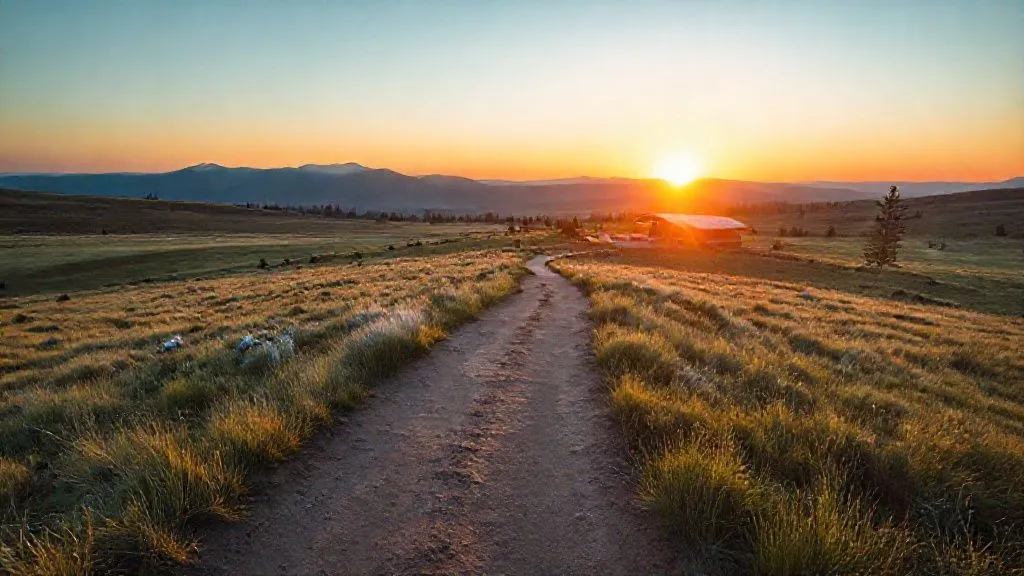
How to manage over-tourism in national parks without losing revenue?
For over two decades in the eco-tourism sector, I've witnessed the incredible allure of our national parks – their majestic beauty, their vital role in conservation, and their profound impact on human well-being. But I've also seen the growing shadow of their success: over-tourism. This isn't just a nuisance; it's an existential threat, eroding the very natural assets we seek to protect while straining infrastructure and diminishing the visitor experience.
The core problem, as many park managers confide, is a perceived Catch-22: reduce visitor numbers to protect the park, and you risk a significant dip in revenue, which then jeopardizes conservation efforts and operational budgets. This dilemma often leads to inaction, or worse, short-sighted solutions that only kick the can down the road.
But what if I told you there's a path forward that not only mitigates over-tourism but also bolsters your park's financial health, ensuring its long-term sustainability? This article will dive deep into actionable frameworks, real-world strategies, and expert insights designed to help you navigate this complex challenge, proving that it is indeed possible to manage over-tourism in national parks without losing revenue.
Understanding the Dual Challenge: Conservation vs. Commerce
At its heart, managing national parks is a delicate balancing act. On one side, we have the imperative of conservation – protecting biodiversity, preserving ecosystems, and maintaining the pristine nature that draws visitors in the first place. On the other, there's the economic reality: parks need funding for maintenance, staff, educational programs, and enforcement, much of which traditionally comes from visitor fees and related spending.
When visitor numbers surge beyond a park's carrying capacity, both sides of this equation suffer. Environmental degradation accelerates, from trail erosion to wildlife disturbance. Simultaneously, visitor satisfaction plummets due to overcrowding, traffic jams, and diminished natural experiences, which can, paradoxically, reduce future visitation and revenue. This creates a vicious cycle where the very success of a park becomes its undoing.
Expert Insight: "The true cost of a visitor isn't just the entry fee they pay; it's the cumulative impact they have on the environment and the experience of others. Sustainable park management requires internalizing these external costs and designing economic models that reflect the true value of conservation."
My experience has shown that ignoring this dual challenge is a recipe for disaster. We must move beyond reactive measures and embrace proactive, integrated strategies that see conservation and commerce not as opposing forces, but as interdependent pillars of a thriving national park system.

Dynamic Pricing and Tiered Access: Optimizing Visitor Flow and Revenue
One of the most effective levers I've seen parks pull is implementing intelligent pricing and access strategies. This isn't about simply raising prices across the board; it's about using pricing to shape visitor behavior and maximize revenue during peak times while encouraging visitation during quieter periods.
Implementing a Flexible Pricing Model
Think of it like airline tickets or hotel rooms – prices fluctuate based on demand. National parks can adopt similar models:
- Peak vs. Off-Peak Pricing: Charge higher entry fees during high-demand seasons, weekends, and holidays. Offer reduced rates during weekdays or shoulder seasons to incentivize visits when capacity allows.
- Time-Based Entry: Implement timed entry slots, especially for popular trails or attractions. Premium slots (e.g., sunrise/sunset at iconic viewpoints) can command higher prices.
- Tiered Pass Systems: Offer different levels of passes – a basic entry, a premium pass with exclusive access to certain areas or guided tours, or a multi-day pass with discounts.
- Local vs. Tourist Pricing: While controversial in some contexts, a two-tiered pricing system (lower for residents, higher for international tourists) is common in many global parks and can be justified by local tax contributions or economic disparities.
This approach not only generates more revenue from those willing to pay a premium for prime access but also helps to spread out visitation, reducing pressure on specific sites at peak times. It’s a win-win, provided the pricing structure is transparent and well-communicated.
| Pricing Model | Impact on Visitors | Revenue Potential |
|---|---|---|
| Peak Season Weekend Entry | Reduces overcrowding, deters price-sensitive visitors | High, capitalizes on demand |
| Off-Peak Weekday Entry | Encourages visits during quieter times | Moderate, fills capacity gaps |
| Premium Guided Tour | Enhances experience for select few | Very High, adds value |
Diversifying Revenue Streams Beyond Entry Fees
Relying solely on entry fees is a precarious position, especially when managing over-tourism might mean capping visitor numbers. The smart strategy, as I've advised countless organizations, is diversification. This insulates the park from fluctuations in visitor numbers and provides more stable, sustainable funding.
Case Study: The "Eco-Experiences" Program
Let's consider a hypothetical park, the 'Emerald Canyons National Park.' Faced with overcrowding at its main viewpoints, the park management implemented an 'Eco-Experiences' program. Instead of just entry fees, they developed a suite of premium, low-impact activities:
- Guided Backcountry Hikes: Small groups led by expert naturalists to lesser-known, pristine areas, commanding a higher fee.
- Wildlife Photography Workshops: Limited spots, high-value workshops focusing on ethical wildlife observation.
- Stargazing Tours: Evening programs with telescopes and expert commentary, leveraging the park's dark skies.
- Glamping/Eco-Lodge Partnerships: Collaborating with private operators to offer high-end, sustainable accommodation *outside* core sensitive areas, with a percentage of revenue going to the park.
Within two years, these programs, while serving a fraction of the total visitors, contributed an additional 25% to the park's annual revenue. They attracted a different demographic – those seeking deeper, more exclusive experiences – and successfully redirected some pressure from the most crowded spots. This demonstrates how to manage over-tourism in national parks without losing revenue by creating value-added experiences.

Beyond these, consider merchandise sales (high-quality, ethically sourced local crafts), licensing agreements, corporate sponsorships for specific conservation projects, and even premium parking or shuttle services. As Forbes often highlights, diversification is key to sustainable growth in any sector.
Leveraging Technology for Smart Visitor Management
In our digital age, technology isn't just a convenience; it's a powerful tool for precision management. For national parks, it can be the backbone of a strategy to control flow, enhance safety, and gather invaluable data, all while improving the visitor experience.
Digital Solutions for a Better Park
- Online Reservation Systems: Essential for timed entry, camping, and popular trail permits. This allows parks to set daily or hourly caps, preventing overcrowding before it even happens.
- Real-time Capacity Monitoring: Using sensors, drone data, or even aggregated mobile phone data (anonymized, of course) to understand visitor distribution across the park. This enables rangers to guide visitors to less crowded areas via digital signage or apps.
- Mobile Apps with Wayfinding and Information: A well-designed park app can provide GPS-enabled trail maps, points of interest, real-time alerts (e.g., trail closures, wildlife sightings), and educational content. This empowers visitors to explore independently and responsibly.
- Virtual Reality (VR) and Augmented Reality (AR): For educational purposes, or even to offer a 'virtual tour' of sensitive areas that are restricted to physical access. This can generate interest and revenue without physical impact.
By implementing these technologies, parks gain unprecedented control and insight. They can dynamically adjust pricing, staff deployment, and messaging based on real-time conditions, making visitor management far more efficient and effective. It's about working smarter, not just harder.
Expert Insight: "Technology isn't a replacement for human connection or natural beauty, but it's an unparalleled enhancer. When applied thoughtfully, it can transform visitor management from a logistical nightmare into a seamless, enriching experience for all."

Fostering Community Engagement and Local Partnerships
National parks don't exist in a vacuum. They are often significant economic engines for surrounding communities. Harnessing this relationship can be a powerful strategy for both managing visitors and securing revenue.
The Symbiotic Relationship with Local Economies
When local communities feel invested in the park's success and sustainability, they become powerful allies. Here’s how to foster this:
- Local Business Partnerships: Collaborate with local hotels, restaurants, and tour operators. Offer them incentives to promote shoulder season visits or direct visitors to lesser-known park areas. Revenue-sharing models can be explored.
- Community-Led Tourism Initiatives: Support local entrepreneurs in developing authentic cultural or adventure experiences outside the park boundaries but complementary to a park visit. This disperses visitors and creates local income.
- Education and Outreach: Engage local schools and residents in park conservation efforts. A knowledgeable and invested local population is less likely to contribute to over-tourism problems and more likely to advocate for sustainable practices.
- Job Creation: Prioritize hiring from local communities. This builds goodwill and ensures that the economic benefits of the park are felt directly by those living nearby.
This approach moves beyond simply extracting resources (visitors and their money) from the community to building a truly symbiotic relationship. As Harvard Business Review emphasizes, community engagement is crucial for long-term success and trust.
| Partnership Type | Benefit to Park | Benefit to Community |
|---|---|---|
| Local Shuttle Services | Reduces private vehicle congestion, enhances access | Creates local jobs, supports transport businesses |
| Artisan Market at Visitor Center | Diversifies revenue, enhances visitor experience | Showcases local talent, provides income for artists |
| Joint Marketing Campaigns | Promotes shoulder season visits, broadens appeal | Increases overall tourism to the region, supports local businesses |
Promoting Shoulder Seasons and Lesser-Known Areas
Often, over-tourism isn't a park-wide problem, but rather concentrated at specific iconic spots during peak times. A key strategy for how to manage over-tourism in national parks without losing revenue is to strategically redistribute visitors both geographically and temporally.
Shifting the Visitor Flow
- Targeted Marketing Campaigns: Launch campaigns specifically highlighting the unique beauty and experiences available during shoulder seasons (spring and fall) or even winter, promoting activities like snowshoeing or bird watching.
- Highlighting Hidden Gems: Actively promote less-visited trails, viewpoints, and areas within the park. Use stunning photography and compelling narratives to create new 'must-see' destinations.
- Incentivized Access: Offer discounts or special permits for exploring these alternative areas, or bundle them with premium experiences.
- Educational Programming: Develop interpretive programs that focus on the natural cycles and unique features of the park during off-peak times, appealing to visitors seeking a deeper connection.
By doing so, parks can flatten the visitation curve, reducing pressure on core areas during peak demand and ensuring a more consistent revenue stream throughout the year. It also offers visitors a more authentic and less crowded experience, enhancing overall satisfaction and encouraging repeat visits.
Expert Insight: "The 'Instagram effect' often funnels visitors to a handful of iconic spots. Our role as park managers is to gently nudge them towards the equally stunning, yet less stressed, corners of our natural treasures, creating new narratives of discovery."
Investing in Infrastructure and Visitor Experience Enhancement
It might seem counterintuitive to spend money when trying to maintain revenue, but strategic investment in infrastructure and visitor experience is a long-term revenue generator and an essential component of over-tourism management. Quality infrastructure can handle more visitors efficiently, and a superior experience encourages longer stays and higher spending.
The ROI of Quality Infrastructure
- Sustainable Trail Systems: Design and maintain trails to withstand heavy use, using durable materials and proper drainage to prevent erosion. Well-marked, well-maintained trails enhance safety and satisfaction.
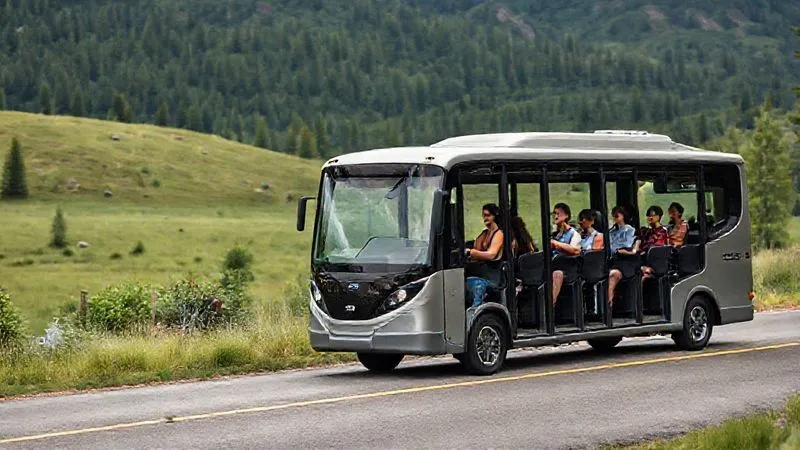
- Efficient Transportation: Invest in robust shuttle systems (electric, if possible) to reduce private vehicle traffic, parking congestion, and emissions. Charge a fee for these services to generate revenue.
- Modern Visitor Centers: Create engaging, educational visitor centers that serve as more than just entry points. Include interactive exhibits, comfortable amenities, and well-stocked gift shops featuring local goods.
- Accessible Facilities: Ensure all key areas and facilities are accessible to people of all abilities, broadening the park's appeal and inclusivity.
- Digital Connectivity: Provide reliable, perhaps tiered-access Wi-Fi in visitor centers or designated areas, catering to modern visitor needs while keeping sensitive areas disconnected.
These investments aren't just costs; they are assets that improve operational efficiency, increase visitor satisfaction, and can directly or indirectly lead to increased revenue through enhanced spending, philanthropy, and repeat visits. A well-managed park with excellent facilities is a park people are willing to pay more to experience.
Building a Robust Volunteer and Philanthropy Program
Beyond earned revenue, national parks can significantly bolster their financial and operational capacity through robust volunteer and philanthropic initiatives. This is a critical piece of the puzzle for how to manage over-tourism in national parks without losing revenue, as it provides both labor and capital without direct reliance on visitor fees.
Case Study: "Friends of Red Rock Canyon"
The 'Red Rock Canyon National Conservation Area' (a fictional name for this example) successfully established a 'Friends of Red Rock Canyon' non-profit organization. This organization became a fundraising powerhouse and a hub for volunteerism:
- Dedicated Fundraising: The 'Friends' organization actively solicited donations from individuals, corporations, and foundations, specifically for projects like trail maintenance, wildlife monitoring, and educational programs.
- Volunteer Workforce: Thousands of hours were contributed annually by volunteers for trail work, visitor greeting, invasive species removal, and administrative tasks, significantly reducing operational costs.
- Membership Program: They offered tiered memberships with benefits like exclusive events, newsletters, and discounts at the park store, creating a loyal donor base.
- Legacy Giving: Promoting bequests and planned giving helped secure the park's financial future over the long term.
This model allowed Red Rock Canyon to undertake critical conservation projects and enhance visitor facilities that would have been impossible on its limited federal budget alone. It leveraged community passion into tangible support, demonstrating that public engagement can be a powerful financial asset. As Deloitte research often shows, volunteerism has a profound positive impact far beyond just labor.
Frequently Asked Questions (FAQ)
How can we implement dynamic pricing without alienating regular visitors or local communities? Transparency and communication are key. Clearly explain the rationale behind dynamic pricing (e.g., to reduce congestion, fund conservation). Offer special annual passes or discounts for local residents, ensuring equitable access. Frame it as a tool for sustainability, not just profit. Pilot programs in specific areas can also help gauge public reaction and allow for adjustments before wider rollout.
What are the biggest challenges in diversifying revenue streams, especially for government-run national parks? Bureaucracy and legal restrictions are often the primary hurdles. Government parks may have limitations on commercial activities or partnerships. Overcoming this requires strong advocacy, demonstrating the long-term financial benefits, and potentially working with non-profit park associations that have more flexibility in fundraising and commercial ventures. Innovation can feel slow, but persistence pays off.
How can technology truly enhance the visitor experience without making it feel artificial or overly controlled? Technology should be a tool for empowerment and safety, not a barrier. Use apps for self-guided tours, real-time information, and emergency alerts. Digital reservation systems prevent frustration from overcrowding. The goal isn't to replace the natural experience but to facilitate a smoother, safer, and more informed engagement with nature, allowing visitors to choose their level of digital interaction.
Is it truly possible to increase revenue while actively trying to reduce visitor numbers in peak areas? Absolutely. The focus shifts from quantity of visitors to quality of experience and value. By implementing dynamic pricing, creating premium experiences, and diversifying revenue streams (e.g., high-value guided tours, merchandise, philanthropy), you can generate more revenue from fewer visitors in sensitive areas, while simultaneously encouraging broader visitation to less-impacted sites or during shoulder seasons. It’s about optimizing yield, not just volume.
How do you measure the success of over-tourism management strategies beyond just financial metrics? Success must be holistic. Beyond revenue, track key ecological indicators (e.g., trail erosion rates, wildlife population health, water quality), visitor satisfaction scores (through surveys), local community sentiment, and staff morale. A truly successful strategy improves all these aspects, ensuring the park thrives environmentally, socially, and economically.
Key Takeaways and Final Thoughts
Managing over-tourism in our national parks without losing revenue is not merely a challenge; it's an opportunity for innovation and sustainable growth. As an industry veteran, I've seen firsthand that a proactive, multi-faceted approach yields the best results. Here are the critical takeaways:
- Embrace Dynamic Pricing: Use flexible pricing and tiered access to manage demand and optimize revenue.
- Diversify Your Portfolio: Look beyond entry fees to premium experiences, merchandise, and partnerships.
- Leverage Technology: Implement smart systems for reservations, real-time monitoring, and visitor information.
- Engage Local Communities: Foster symbiotic relationships that benefit both the park and its neighbors.
- Promote Redistribution: Encourage visits to shoulder seasons and lesser-known areas through targeted marketing.
- Invest Wisely: Upgrade infrastructure and enhance visitor experiences to build long-term value.
- Cultivate Philanthropy: Develop robust volunteer and fundraising programs to secure additional resources.
The future of our national parks depends on our ability to adapt, innovate, and lead with a vision that respects both conservation and economic sustainability. By adopting these strategies, you can ensure these irreplaceable treasures continue to inspire generations, not just survive, but truly thrive, demonstrating that responsible management and financial health can, and must, go hand in hand.
Recommended Reading
- Mastering Meals: How to Prepare Food for Long Train Journeys with Ease
- Train Eco-Tourism Guides: 5 Steps for Impactful Education
- 7 Proven Ways: How to Build Genuine Connections as a Solo Traveler Abroad
- 5 Proven Ways to Bond on Multi-Gen Trips Without Work Stress
- 7 Steps: Guaranteeing Authenticity for Overseas Luxury Watch Buys





Your email address will not be published. Required fields are marked *