

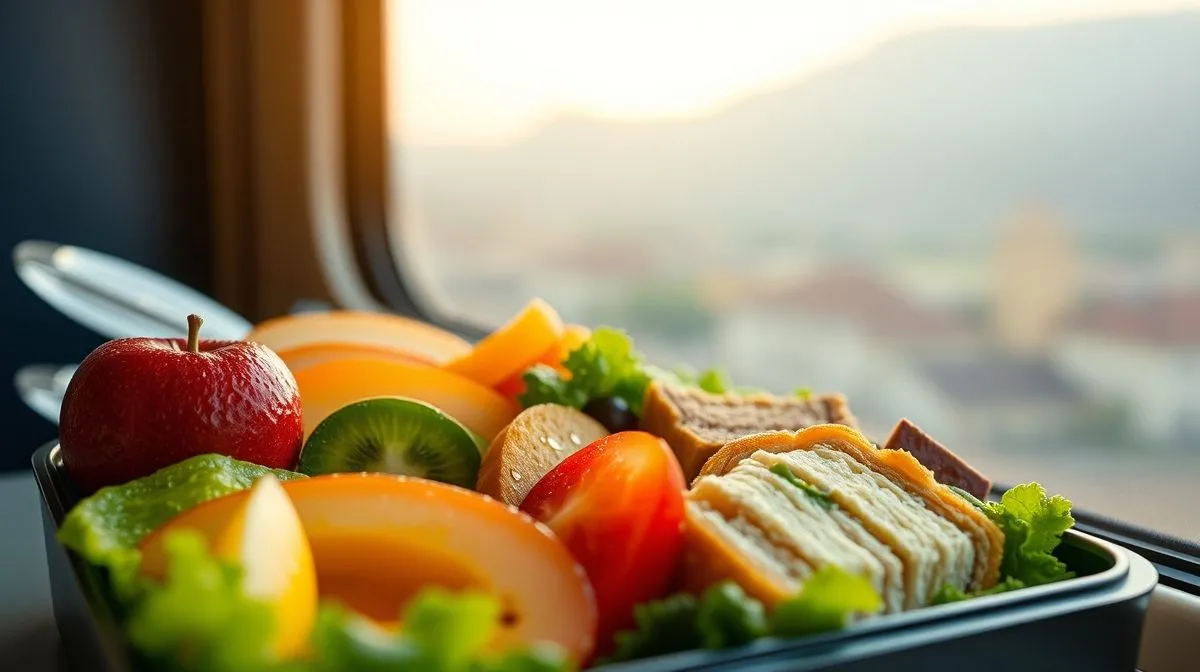
The Ultimate Guide: How to Prepare Food for Long Train Journeys
Have you ever found yourself gazing out of a train window, the rhythmic click-clack of the wheels a soothing backdrop, only to be jolted back to reality by a rumbling stomach? The allure of long train journeys is undeniable – the changing landscapes, the unique sense of timelessness, and the freedom from road traffic. Yet, for all its romantic charm, the culinary aspect often presents a significant challenge. Limited on-board dining options, often high prices, and the desire for healthier, more personalized meals can quickly turn a peaceful ride into a quest for satisfying sustenance.
The problem is universal: how do you maintain your dietary preferences, save money, and enjoy delicious, safe food when you're miles from the nearest kitchen? Many travelers resort to expensive, pre-packaged snacks or unhealthy fast food options at station stops, often leading to digestive discomfort or simply a less enjoyable travel experience. The uncertainty of food availability and quality can cast a shadow over an otherwise perfect journey.
This comprehensive guide is your definitive answer to that dilemma. We will meticulously break down everything you need to know about how to prepare food for long train journeys, ensuring you travel nourished, happy, and stress-free. From meticulous meal planning and food safety protocols to smart packing strategies and creative recipe ideas, you'll learn the secrets to transforming your train trip into a delightful culinary adventure. By the end of this reading, you'll be an expert in crafting the perfect portable pantry for any rail expedition.
Why Homemade Meals Are a Game-Changer for Train Travel
Opting for homemade meals on your train journey isn't just a matter of convenience; it's a strategic decision that enhances your entire travel experience. The benefits extend far beyond simply having something to eat.
Cost Savings and Budgeting
One of the most immediate and tangible benefits of preparing your own food is the significant cost savings. On-board dining, while convenient, can be notoriously expensive. A single meal or even a few snacks purchased from the train's bistro car can quickly add up, easily exceeding your daily food budget. By contrast, preparing meals at home allows you to utilize ingredients you already have and buy in bulk, drastically reducing expenditures. This financial freedom can then be reallocated to other aspects of your trip, such as experiences or souvenirs.
Dietary Control and Health Benefits
When you prepare your own food, you have complete control over the ingredients. This is invaluable for individuals with specific dietary needs, allergies, or health goals. Whether you're vegetarian, gluten-free, managing diabetes, or simply trying to eat healthier, packing your own meals ensures you can stick to your regimen without compromise. You can avoid excessive salt, unhealthy fats, and processed ingredients often found in pre-made travel food, leading to better digestion and sustained energy throughout your journey. This proactive approach to eating can prevent the sluggishness and discomfort often associated with consuming unfamiliar or unhealthy options.
Enhanced Travel Experience
Beyond the practicalities, bringing your own food elevates the quality of your journey. Imagine savoring a delicious, wholesome meal while watching the scenery unfold, rather than settling for a lukewarm sandwich. It adds a personal touch to your travel, making it feel more like an extension of your home comforts. Sharing thoughtfully prepared snacks with travel companions can also foster camaraderie and create memorable moments. The simple act of enjoying food you love, tailored to your preferences, transforms a mundane necessity into a delightful part of the adventure.
Essential Planning: Before You Pack a Single Bite
Successful train food preparation begins long before you step onto the platform. A well-thought-out plan is the cornerstone of a delicious and safe culinary journey.
Assess Your Journey: Duration and Amenities
The length of your train journey is the primary determinant of your food strategy. A two-hour ride requires different considerations than a 24-hour overnight trip. Consider whether your train offers refrigeration, heating options (like a microwave, though rare), or access to hot water. Some long-distance trains may have a dining car or café, but don't rely solely on them. Knowing these details will help you decide what types of food are feasible to bring and how much you'll need.
Meal Planning and Menu Creation
Start by outlining your meals for each day and segment of your journey. Think about breakfast, lunch, dinner, and any snacks in between. Focus on foods that are easy to eat on a moving train, require minimal preparation, and produce little mess. Variety is key to preventing palate fatigue on longer trips. Consider a mix of savory and sweet, crunchy and soft textures. This planning phase allows you to create a shopping list and ensure you have all necessary ingredients well in advance.
Understanding Food Safety Basics on the Go
Food safety is paramount, especially when dealing with perishable items outside of a refrigerator. The 'danger zone' for bacterial growth is generally between 40°F (4°C) and 140°F (60°C). Perishable foods should not remain in this temperature range for more than two hours, or one hour if the ambient temperature is above 90°F (32°C). Always wash your hands or use hand sanitizer before handling food. Pack separate containers for raw and cooked foods if necessary, though for train travel, it's best to stick to fully cooked or ready-to-eat items. For comprehensive guidelines on food safety, you can refer to resources like the Centers for Disease Control and Prevention (CDC) food safety guidelines.
Choosing the Right Foods: Non-Perishables and Low-Maintenance Delights
The secret to successful train food lies in selecting ingredients that are both delicious and resilient. Focus on items that hold up well without refrigeration for several hours or days, and those that are easy to consume without extensive preparation.
Sandwiches, Wraps, and Salads with a Twist
Classic choices like sandwiches and wraps are excellent, but they can be elevated. Use hearty breads or tortillas that won't get soggy easily. Fillings like grilled chicken, hard cheese, or hummus with roasted vegetables tend to hold better than deli meats or mayonnaise-heavy salads. For salads, pack dressings separately to prevent wilting. Grain bowls with quinoa, farro, or couscous, mixed with roasted vegetables and a protein source, are also fantastic options that are filling and nutritious. Consider adding a squeeze of lemon juice to prevent browning in some ingredients.
Snacks That Satisfy: Fruits, Nuts, and Granola
Snacks are crucial for staving off hunger between meals. Opt for whole fruits that are less prone to bruising, such as apples, oranges, or firm bananas. Berries can be brought in sturdy containers. A mix of unsalted nuts, seeds, and dried fruits provides a great energy boost. Homemade granola bars or energy bites are excellent alternatives to store-bought processed snacks. Vegetable sticks like carrots, celery, and bell peppers, paired with a small container of hummus, offer refreshing crunch and nutrients.
Hydration Heroes: Drinks Beyond Water
While water is essential, consider bringing other non-perishable drinks. Individual juice boxes, unsweetened iced tea, or even instant coffee sachets can add variety. A thermos of hot water can be invaluable for making instant oatmeal, cup noodles, or herbal tea, providing comfort on a chilly journey. Avoid carbonated drinks in large bottles, as pressure changes can make them fizz over when opened.
The Art of Packing: Keeping Your Food Fresh and Organized
Proper packing is just as important as the food itself. It ensures your meals remain fresh, safe, and easily accessible throughout your journey.
Selecting the Best Containers and Coolers
Invest in good quality, airtight, and leak-proof containers. Glass containers are excellent for maintaining food integrity and are microwave-safe if you have access to one, but they can be heavy. BPA-free plastic containers are lighter and more durable for travel. A soft-sided cooler or an insulated lunch bag is essential for keeping perishable items at a safe temperature. Choose one that fits comfortably in your carry-on luggage or under your seat.
Temperature Control: Ice Packs and Insulation
For any perishable items, multiple ice packs are a must. Freeze them solid before packing and place them strategically around your food in the cooler. For very long journeys, consider freezing some of your liquid items like bottled water or juice to act as additional, slow-melting ice packs. Wrap delicate items or those you want to keep separate in tea towels or small reusable bags within the cooler to prevent crushing or mixing of odors. Good insulation is key to maintaining a consistent cool temperature.
Smart Packing Strategies for Easy Access
Pack your food in the order you plan to eat it. Place breakfast and morning snacks on top for easy access. Keep meal components separate to prevent sogginess – for example, dressing separate from salad, or sauce separate from pasta. Bring small, resealable bags for trash or leftovers. Don't forget essentials like napkins, wet wipes, a small cutting board, a compact knife (if permitted and safe), and reusable cutlery. A small, collapsible bowl or cup can also be surprisingly useful.
Creative Recipes and Meal Ideas for the Rails
To truly master how to prepare food for long train journeys, you need a repertoire of versatile and travel-friendly recipes. Here are some ideas that go beyond the basic sandwich.
Overnight Oats and Breakfast Burritos
Overnight Oats: Prepare these in a jar the night before. Combine rolled oats, milk (dairy or non-dairy), chia seeds, and your choice of fruit (berries, banana slices), nuts, and a sweetener. They are ready to eat cold and provide sustained energy. They are incredibly easy to customize and require no heating.
Breakfast Burritos: Scramble eggs with cooked vegetables and a touch of cheese. Wrap tightly in a tortilla. These can be eaten cold or warmed if a microwave is available. They're hearty and portable, perfect for a morning start.
Pasta Salads and Hearty Grain Bowls
Pasta Salad: Cooked pasta (e.g., rotini, penne) mixed with cherry tomatoes, cucumber, olives, feta cheese, and a light vinaigrette. Add grilled chicken or chickpeas for protein. This dish tastes great cold and improves as flavors meld.
Quinoa or Couscous Bowls: Cooked quinoa or couscous as a base, topped with roasted sweet potatoes, black beans, corn, avocado (add just before eating), and a lime-cilantro dressing. These are highly customizable, nutritious, and satisfying.
Gourmet Snacks and Dessert Treats
Cheese and Cracker Packs: Portion out different types of hard cheese (cheddar, gouda) with whole-grain crackers. Add some grapes or apple slices for freshness. This makes for an elegant and satisfying snack.
Homemade Muffins or Loaf Cakes: Bake a batch of bran muffins, banana bread, or zucchini loaf. These are perfect for a sweet treat, easy to pack, and don't require refrigeration. Pack them in individual portions to avoid mess.
Avoiding Common Pitfalls: What Not to Do
While preparing food for your train journey offers many advantages, certain mistakes can quickly derail your culinary plans. Being aware of these pitfalls can save you from discomfort and disappointment.
The Perils of Highly Perishable Foods
Avoid bringing foods that spoil quickly or require constant refrigeration, unless you have a robust cooling system and a very short journey. This includes raw meats, seafood, soft cheeses, mayonnaise-based salads (like potato or tuna salad), and creamy desserts. These items are breeding grounds for bacteria if not kept at safe temperatures, leading to foodborne illnesses that can ruin your trip. When in doubt, err on the side of caution and choose more stable alternatives.
Strong Odors and Respecting Fellow Passengers
Trains are shared spaces, and strong food odors can be a significant nuisance to others. Steer clear of highly aromatic foods like pungent cheeses, garlic-heavy dishes, or strong-smelling fish. While you might enjoy the aroma, your fellow passengers may not appreciate it in a confined space. Opt for foods with mild, pleasant scents to ensure a harmonious environment for everyone on board. This consideration is a hallmark of a thoughtful traveler.
Forgetting Utensils and Napkins
It's a common oversight: meticulously packing delicious food only to realize you have no way to eat it! Always double-check that you've packed essential eating utensils (forks, spoons, knives if appropriate and safe), napkins, and wet wipes. A small bag for collecting trash or food scraps is also invaluable. These small items contribute significantly to a comfortable and mess-free eating experience, preventing sticky situations or the need to improvise with less-than-ideal tools.
Sustainability and Waste Reduction on Your Journey
As you prepare for your train journey, consider the environmental impact of your food choices and packing habits. Sustainable practices can make your trip more eco-friendly and responsible.
Reusable Containers and Cutlery
One of the easiest ways to reduce waste is to use reusable containers for all your food. Ditch single-use plastic bags and cling film in favor of durable, washable containers made from glass, stainless steel, or high-quality BPA-free plastic. Similarly, pack a set of reusable cutlery (bamboo, stainless steel, or sturdy plastic) instead of relying on disposable options. A reusable water bottle is also a must, as many trains offer water refill stations or you can ask staff to fill it for you.
Minimizing Food Waste
Plan your portions carefully to avoid bringing too much food that might go uneaten and spoil. Only pack what you realistically expect to consume. If you have leftovers that are still safe to eat, consider if they can be refrigerated upon arrival at your destination or consumed quickly. Composting options are rare on trains, so reducing waste at the source is the best approach. For more information on reducing food waste, resources like the EPA's guide to reducing wasted food offer valuable insights.
Proper Disposal of Leftovers
Even with careful planning, you might have some food scraps or packaging waste. Be mindful of the train's waste disposal system. Use designated bins for recycling if available, or separate your recyclables to dispose of properly once you reach your destination. Avoid leaving food waste exposed, as it can attract pests or create odors. A small, sealable bag for your personal waste can be very useful until you can properly dispose of it.
Frequently Asked Questions (FAQ)
How long can cooked food safely last without refrigeration on a train? Cooked perishable food should not be left at room temperature (between 40°F and 140°F or 4°C and 60°C) for more than two hours. If the ambient temperature is above 90°F (32°C), this time reduces to one hour. Always use ice packs and insulated bags for any perishables to extend their safe consumption window.
Can I bring a small electric kettle or a portable stove on a train? Generally, no. Most train operators prohibit the use of personal cooking appliances like electric kettles, portable stoves, or hot plates due to fire safety concerns and power limitations. Always check the specific rules of your train operator before packing any such items.
What are the best non-perishable snacks for a long train journey? Excellent non-perishable snacks include nuts, dried fruit, granola bars, crackers, rice cakes, single-serving fruit cups (in their own juice), hard candies, and shelf-stable jerky. These items require no refrigeration and are easy to consume.
Are there any foods I should absolutely avoid bringing on a train? Yes, avoid highly perishable items like raw meat/fish, mayonnaise-based salads that aren't kept cold, and strong-smelling foods like pungent cheeses or garlic-heavy dishes. Also, very messy foods or those requiring significant preparation (like peeling a whole pineapple) are best left at home.
Is it okay to share food with other passengers? Sharing food can be a lovely gesture, but always ask first. Be mindful of potential allergies or dietary restrictions. It's best to share pre-packaged, individually wrapped items or items that can be easily portioned without direct contact.
Recommended Reading
- Are Sleeper Trains Safe for Solo Female Travelers? Your Ultimate Guide
- The Ultimate Guide: How to Avoid Hidden Travel Fees & Surcharges?
- Unlock Cheap Train Travel: How to Journey Without a Rail Pass!
- Unlock the Secret: Your Ultimate Guide to a Truly Restorative Rejuvenation Trip
- Unlock Warmth: The Ultimate Guide to Staying Cozy Car Camping in Cold Weather
Conclusion
Embarking on a long train journey offers a unique blend of adventure and relaxation, and with careful planning, your culinary experience can be just as rewarding as the scenery outside your window. By understanding how to prepare food for long train journeys, you gain control over your budget, your health, and your overall comfort. From selecting resilient ingredients and mastering smart packing techniques to embracing sustainable practices, every step contributes to a more enjoyable and stress-free travel experience. So, as you plan your next rail adventure, remember that a little foresight in the kitchen can lead to boundless delight on the tracks. Pack smart, eat well, and savor every moment of your journey, knowing you're well-prepared for whatever hunger may bring.




Your email address will not be published. Required fields are marked *