

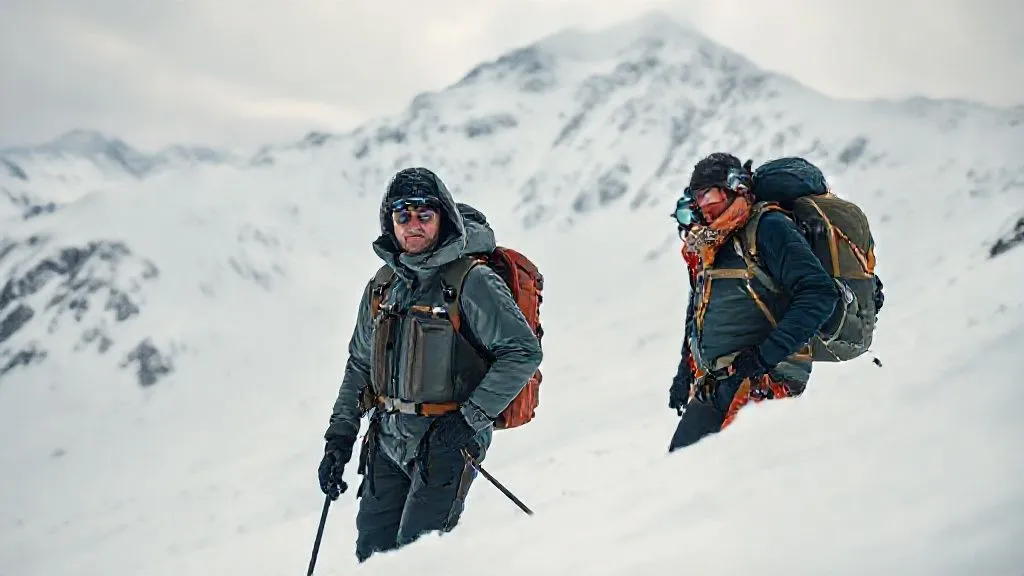
How to manage unexpected avalanche risk for clients safely?
For over two decades, navigating the world's most breathtaking yet unforgiving alpine environments, I've witnessed firsthand the raw power of the mountains. I’ve seen moments of sheer exhilaration turn to stark reality when the snowpack, seemingly stable, decides to shift. The responsibility we bear as guides—to safeguard lives while delivering unforgettable experiences—is immense, and nowhere is this burden heavier than in the face of unexpected avalanche hazards. It’s a challenge that demands not just skill, but an unwavering commitment to foresight and continuous adaptation.
The unpredictable nature of avalanches, often triggered by subtle changes in weather, snowpack, or even human activity, presents a unique and terrifying dilemma for guides. How do you prepare for the 'unknown knowns'—those risks you anticipate but whose exact timing and magnitude remain elusive? The pain point for many professional guides and adventure operators isn't a lack of basic avalanche knowledge, but rather the nuanced application of that knowledge in dynamic, high-stakes situations, especially when the safety of paying clients is on the line.
This comprehensive guide isn't just a theoretical discourse; it's a distillation of years of hard-won experience, designed to equip you with actionable frameworks and expert insights. We will delve deep into proactive strategies, real-time assessment techniques, and robust emergency protocols. My aim is to provide you with the tools and mindset necessary to confidently answer the critical question: How to manage unexpected avalanche risk for clients safely? – ensuring every client returns from their alpine adventure with memories of awe, not anxiety.
The Unseen Threat: Understanding Avalanche Dynamics and Client Vulnerability
Before we can manage unexpected avalanche risk, we must first truly understand the multifaceted nature of the threat itself. Avalanches are not random acts of nature; they are complex phenomena governed by intricate interactions of weather, terrain, and snowpack layers, often exacerbated by human presence. My experience has taught me that overlooking any one of these factors can lead to catastrophic misjudgments, especially when guiding clients who may have limited understanding of these nuances.
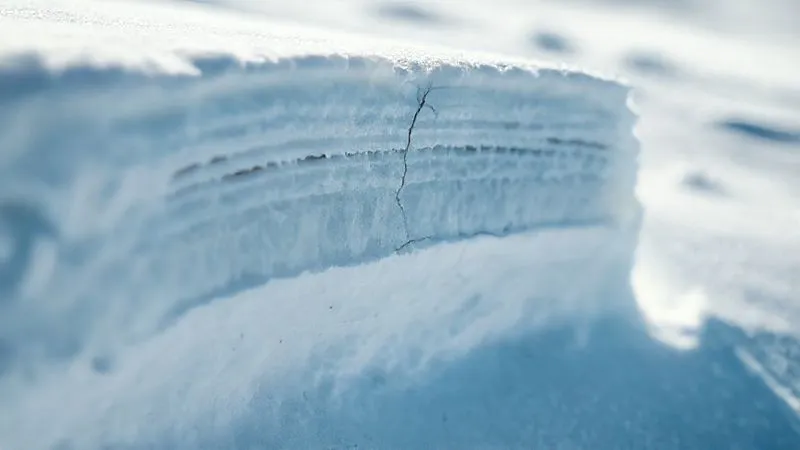
The snowpack, seemingly a uniform blanket, is in reality a stratified record of every snowfall, thaw, and refreeze, each layer telling a story of its stability or instability. Identifying weak layers—such as surface hoar, faceted crystals, or graupel—requires a keen eye and a deep understanding of snow metamorphism. According to numerous studies by institutions like the National Avalanche Center avalanche.org, these weak layers are the primary culprits in most dangerous slab avalanches.
Beyond the scientific understanding, it's crucial to acknowledge the psychological impact of avalanche risk. For clients, the mountain can represent a dream, an escape, or a challenge. For a guide, it’s a dynamic workplace demanding constant vigilance. Balancing these perspectives is key to effective risk communication and management.
Beyond the Forecast: Micro-terrain and Local Nuances
While regional avalanche forecasts provide invaluable broad-stroke information, true mastery lies in discerning the micro-terrain features that can dramatically alter local hazard levels. I’ve seen countless times where a seemingly safe aspect, just meters away from a known problem slope, holds a deadly secret due to wind loading, sun exposure, or subtle changes in slope angle. This hyper-local variability is where the 'unexpected' often hides.
Factors like wind direction and speed create cornices and wind slabs, often on leeward slopes, which can be highly unstable and difficult to identify without significant experience. Sun exposure can rapidly weaken snowpack on solar aspects, especially during spring, creating wet loose avalanches or undermining deeper layers. Always remember that a general forecast is a starting point, not the definitive word on your immediate surroundings.
Client Factors: Experience, Fitness, and Group Dynamics
Client vulnerability isn't just about their physical presence in avalanche terrain; it's deeply tied to their experience level, physical fitness, and how they interact within the group. A novice client, unfamiliar with backcountry travel protocols, might inadvertently trigger a slide simply by poor travel technique or by straying from the designated path. Their lack of experience also means they'll be slower to react and less effective in an emergency.
Furthermore, group dynamics play a significant role. A highly enthusiastic but inexperienced group might push for more challenging terrain, influencing a guide's judgment. Conversely, a fatigued group might slow down, increasing exposure time in hazardous areas. It’s my firm belief that understanding your clients as individuals and as a collective unit is as critical as understanding the snowpack itself.
Pre-Expedition Imperatives: Laying the Foundation for Safety
The battle against unexpected avalanche risk is often won or lost long before stepping onto the snow. Robust pre-expedition planning is the bedrock of client safety, transforming potential chaos into controlled challenge. It’s a multi-layered process that demands meticulous attention to detail and a proactive mindset, ensuring that every foreseeable contingency has a response.
Meticulous Trip Planning & Route Selection
In my two decades of guiding, I've learned that excellent planning is the best insurance policy. This goes far beyond just picking a destination. It involves a deep dive into historical weather data, current avalanche forecasts, and detailed topographic map analysis. Consider every 'what if' scenario.
Here are the crucial steps I always follow for route selection:
- Comprehensive Terrain Analysis: Study maps and satellite imagery (e.g., Google Earth) to identify slope angles, aspects, elevation bands, and terrain traps. Pay close attention to potential run-out zones and safe zones.
- Historical Data Review: Research past avalanche cycles, weather patterns, and reported incidents for the specific area. Local knowledge from other guides or rangers is invaluable here.
- Multi-Source Weather & Avalanche Forecasts: Consult at least two independent forecast sources (e.g., local avalanche center, national weather service) daily, leading up to and including the trip. Look for trends, not just snapshots.
- Develop Primary & Alternate Routes: Always have a Plan B, C, and even D. These alternatives should offer significantly lower risk profiles, allowing for flexibility based on real-time conditions.
- Define Go/No-Go Criteria: Establish clear, objective thresholds for proceeding with the trip based on avalanche danger ratings, weather conditions (wind, visibility, temperature), and group readiness.
Comprehensive Client Briefing & Equipment Checks
Before any client steps into the backcountry, a thorough, understandable briefing is non-negotiable. This isn't just about ticking boxes; it's about building trust, managing expectations, and empowering clients with essential knowledge. I always start by emphasizing that safety is a shared responsibility.
Key elements of an effective pre-trip briefing include:
- Current Avalanche Conditions: Clearly explain the prevailing danger rating, specific problems (e.g., wind slabs, persistent weak layers), and how these will influence the day's plan.
- Route Overview & Decision Points: Show clients the planned route, highlighting terrain features and where key decisions might be made to turn back or adjust.
- Equipment Familiarization: Ensure every client understands how to use their personal safety gear (transceiver, probe, shovel) and practices with it. This is not optional.
- Group Protocols: Explain safe travel techniques (e.g., spacing, communication signals, designated safe zones) and what to do in an emergency.
- "No-Fault Turnaround" Policy: Emphasize that anyone, guide or client, can voice concerns and initiate a turnaround without judgment. This fosters an open, safety-first environment.
| Category | Action Item | Status | Notes |
|---|---|---|---|
| Trip Planning | Detailed topographic map analysis | Completed | Identified 3 alternate routes |
| Weather/Avalanche | Consulted 3-day forecast (regional) | Completed | Moderate danger, wind slabs |
| Client Briefing | Avalanche awareness & gear training | Completed | All clients proficient with transceivers |
| Equipment Check | Transceivers, probes, shovels | Checked | All functional, fresh batteries |
| Emergency Prep | Communication plan & contact list | Confirmed | Satellite phone charged, emergency contacts shared |
Dynamic Risk Assessment: Navigating the 'Now' in Avalanche Terrain
Once in the field, the art of guiding shifts from planning to dynamic assessment. This is where your expertise truly shines. The mountain is a living, breathing entity, constantly changing, and your ability to read its subtle cues in real-time is paramount to managing unexpected avalanche risk for clients safely. It's an ongoing conversation with the environment, where every gust of wind, every snowflake, and every crack in the snowpack holds vital information.
Constant Observation: Reading the Snowpack and Weather
My mentors always taught me to be a 'snow detective.' This means not just walking through the snow, but actively observing it. Look for signs of instability: recent avalanches (even small ones), shooting cracks, audible 'whumps' or collapses in the snowpack, and rapidly changing weather patterns. Wind is a particularly critical factor; it can quickly load leeward slopes, creating dangerous wind slabs in a matter of hours.
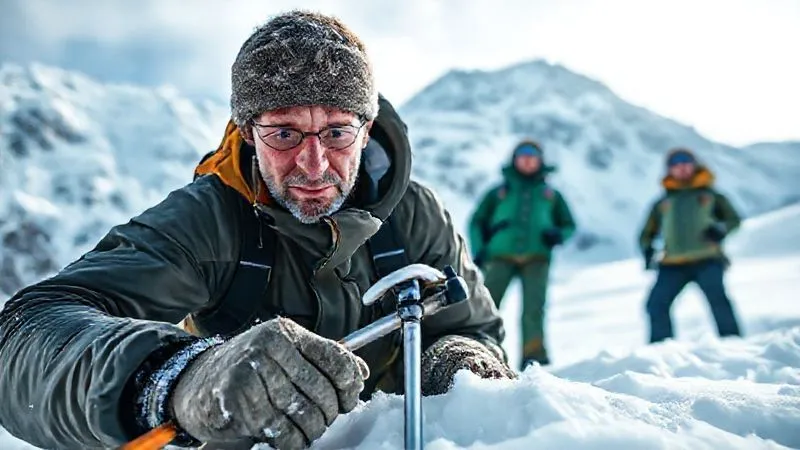
Temperature shifts, especially warming trends, can rapidly destabilize a cold, dry snowpack by weakening bonds between layers or creating wet avalanches. Consistently dig snow pits in representative terrain to assess layering, crystal types, and perform stability tests like the Extended Column Test (ECT) or Compression Test (CT). These are not just academic exercises; they provide critical empirical data for your real-time decisions.
"The mountain always has the last word. Our job as guides is to listen intently, interpret its language, and respond with humility and unwavering caution. Never let summit fever or client pressure override your gut feeling about safety."
Decision-Making Frameworks in High-Stress Situations
Under pressure, rational decision-making can be compromised. That's why having a clear, practiced framework is essential. I advocate for a structured approach that integrates observations with pre-set criteria, allowing for objective choices even when adrenaline is high. This approach is often encapsulated in systems like the Avaluator or similar decision support tools, which formalize the process.
Key elements of an effective in-field decision framework include:
- Observe: Continuously gather data on snowpack, weather, terrain, and group performance.
- Analyze: Interpret observations in the context of current avalanche forecasts and your trip plan. Identify specific hazards and their likelihood.
- Evaluate: Assess the consequences of potential hazards. What's the worst-case scenario? What are the chances of it happening?
- Decide: Based on your evaluation, choose the safest course of action – proceed, alter the route, or turn back. Communicate this clearly to your clients.
- Communicate: Maintain open dialogue with clients about risks and decisions. Transparency builds trust and encourages client buy-in.
Case Study: The Serenity Ridge Incident
Case Study: The Serenity Ridge Incident – A Guide's Critical Call
In late winter, I was guiding a group of four experienced ski tourers towards Serenity Ridge, a beautiful but often wind-loaded feature known for its cornices. The regional forecast was 'Moderate,' with specific mention of recent wind slab formation on leeward aspects above 2500m. As we approached the ridge, around 2600m, I noticed subtle cues: a faint 'whump' sound underfoot, almost imperceptible to my clients, and small, fresh crack lines radiating from my skis. The wind had picked up, and I observed fresh snow transport near the ridge crest, indicating active loading.
Despite the clients' eagerness to reach the summit, my internal decision framework flagged multiple red indicators. I paused the group in a safe zone, dug a quick hand pit, and observed a distinct, weak interface beneath a firm wind slab. This empirical evidence, combined with the 'whump' and cracking, triggered my pre-set 'turn back' criteria. I explained my observations and the rapidly increasing risk to the clients, emphasizing that while the forecast was moderate, local conditions were trending towards 'Considerable' or higher for our specific objective.
Although initially disappointed, the clients respected the decision. We safely descended via an alternate, lower-angle route. Later that day, a remote-triggered avalanche, consistent with the conditions I observed, released on a similar aspect near Serenity Ridge, validating the decision. This incident underscored for me the absolute necessity of dynamic, real-time assessment, trusting your observations, and having the courage to make the difficult, safe call, even when client expectations are high. It cemented my belief in how to manage unexpected avalanche risk for clients safely through proactive decision-making.
Essential Gear & Training: Your Lifeline in the Backcountry
Even with the most meticulous planning and dynamic assessment, unexpected events can occur. This is where your safety gear and, more importantly, your proficiency in using it, become your ultimate lifeline. For clients, their gear is an extension of your safety protocols, and their training in its use is paramount. Simply owning the gear isn't enough; regular, realistic practice is the key.
The Core Three: Transceiver, Probe, Shovel – Beyond the Basics
Every guide knows the 'core three' – avalanche transceiver, probe, and shovel. But knowing they exist and being truly proficient are two different things. I insist that all my clients not only carry these items but are intimately familiar with their operation. This means more than just a quick demo; it requires hands-on practice in a controlled environment.
Here's how I ensure clients are proficient:
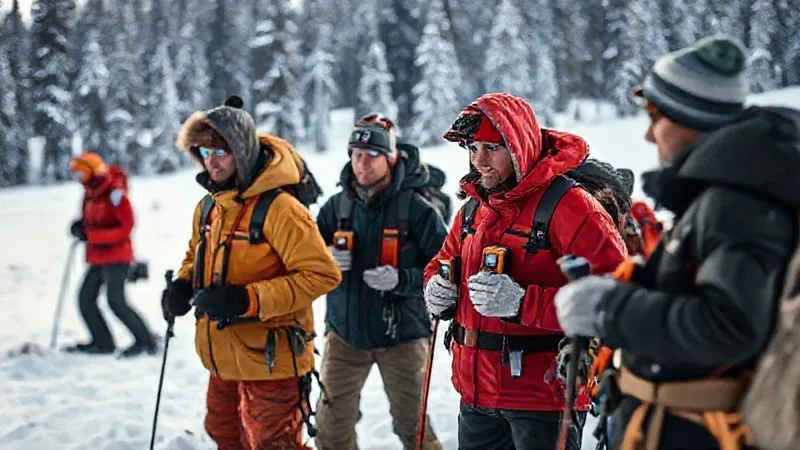
- Transceiver Familiarization: Clients must understand how to turn it on, switch between send and search modes, and check battery life. Regular practice with mock burials in varying scenarios (multiple burials, deep burials) is crucial.
- Precise Probing Technique: While the transceiver gets you close, the probe pinpoints the victim. Clients need to practice efficient, systematic probing patterns, understanding depth and how to identify a 'strike.'
- Efficient Shoveling Strategy: Shoveling is often the most time-consuming part of a rescue. Teach clients strategic shoveling techniques (e.g., conveyor belt method, V-shaped trench) to move snow quickly and effectively.
- Regular Drills: At the start of every season, and ideally before every multi-day trip, conduct a full rescue drill with your clients. This reinforces skills and builds muscle memory under simulated stress.
Advanced Tools: Airbags, RECCO, and Satellite Communication
Beyond the core three, modern technology offers significant enhancements to avalanche safety. Avalanche airbags, for instance, significantly increase a victim's chances of staying on top of the debris, reducing burial depth and increasing survival rates. While not a substitute for avoidance, they are a powerful mitigation tool. I strongly recommend clients consider them, especially for more aggressive terrain.
RECCO reflectors, integrated into many pieces of ski gear, provide an additional layer of searchability for professional rescue teams. And in remote areas, satellite communication devices (like InReach or Spot) are non-negotiable for emergency calls, allowing you to quickly alert rescue services and provide precise location data. As the Wilderness Medical Society often emphasizes, early notification is critical for positive outcomes in remote emergencies. wms.org
Emergency Response Protocols: When the Unthinkable Happens
Despite all precautions, avalanches can and do happen. When faced with the unthinkable, a well-drilled emergency response protocol is the difference between life and death. As a guide, your calm leadership and immediate, decisive actions are paramount in managing unexpected avalanche risk for clients safely during a crisis. This is where training transcends theory and becomes instinct.
Immediate Actions: From Shouts to Shovels
The moment an avalanche is triggered, seconds count. Your first actions are critical. Yell 'Avalanche!' to alert your group, and if possible, try to escape the path by skiing or riding to the side. If caught, clients should be instructed to fight to stay on the surface, discard poles, and protect their airway.
Once the slide stops, the immediate search begins. Every second lost reduces survival chances. Your protocol should be ingrained:
- Visual Search: Immediately scan the last seen point and the avalanche path for any signs of victims or equipment. Note where victims were last seen.
- Transceiver Search (Signal Search): All unburied individuals immediately switch transceivers to search mode and begin a systematic signal search, focusing on the last seen points. Designate a search leader (usually the guide).
- Coarse Search: Follow the transceiver's indications, moving quickly down the flux line to get a strong signal.
- Fine Search: Once close, slow down and use precise movements to pinpoint the strongest signal, marking the location.
- Probing: Once the strongest signal is found, begin a systematic spiral probe pattern to locate the victim's exact position and depth.
- Shoveling: Once located, dig rapidly and strategically, aiming for the victim's head/airway first. Delegate shoveling tasks to others.
Post-Rescue Management: Medical, Evacuation, and Communication
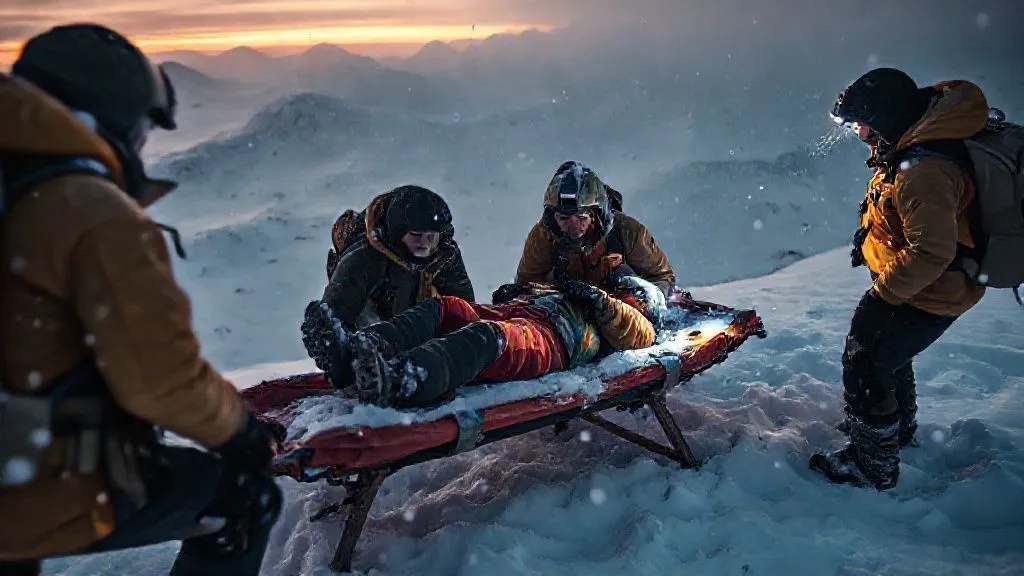
Rescuing a buried victim is only the first step. The post-rescue phase requires immediate medical assessment and care, followed by a plan for evacuation. Hypothermia, trauma, and asphyxia are major concerns. Ensure you have a comprehensive wilderness first aid kit and the training to use it.
Simultaneously, activate your communication plan. Use your satellite device to contact emergency services, providing precise location, number of victims, their condition, and the resources you require. Designate someone to maintain communication while you focus on patient care. Remember, the goal is not just recovery, but survival and safe extraction.
External Link: NOLS Wilderness Medicine for advanced training.
Cultivating a Culture of Safety: Beyond Technical Skills
True safety management extends beyond technical prowess and gear; it’s about fostering a pervasive culture where safety is not just a rule, but a shared value. As guides, we are not merely leaders in the field, but educators and role models. This proactive approach is fundamental to how to manage unexpected avalanche risk for clients safely in the long term, reducing incidents by shaping attitudes and behaviors.
Psychological Preparedness for Guides and Clients
The mental game in avalanche terrain is as crucial as the physical. Guides must manage their own stress, fatigue, and cognitive biases (like 'familiarity bias' or 'summit fever'). Developing mental resilience and self-awareness allows for clearer judgment in ambiguous situations. For clients, psychological preparedness means understanding the risks without being paralyzed by fear, trusting the guide, and adhering to protocols even when uncomfortable.
I always emphasize the importance of openly discussing fears and anxieties before and during a trip. Creating an environment where clients feel safe to voice concerns is a powerful risk mitigation tool. It’s a delicate balance: instilling respect for the mountain's power without inducing panic.
Continuous Learning and Professional Development
The field of avalanche science and rescue techniques is constantly evolving. Stagnation is dangerous. I commit to annual professional development, attending refresher courses, workshops, and reviewing new research. Organizations like the American Institute for Avalanche Research and Education (AIARE) AIARE.org offer structured pathways for continuous learning, from Level 1 to professional-level courses.
Encouraging clients, even recreational ones, to take basic avalanche awareness courses empowers them and enhances their understanding of your decisions. A knowledgeable client is a safer client and a better team member in the backcountry. This commitment to lifelong learning is a hallmark of true professionalism.
| Certification Level | Focus | Recommended For | |
|---|---|---|---|
| AIARE 1 | Basic avalanche awareness, decision making | All backcountry users, entry-level clients | |
| AIARE 2 | Advanced snow science, terrain analysis, group management | Experienced recreationalists, aspiring guides | |
| AIARE Pro 1/3 | Professional risk assessment, forecasting, rescue leadership | Professional guides, ski patrol, avalanche forecasters | |
| WFR/WEMT | Wilderness First Responder/EMT | All professional guides | Critical for post-avalanche medical care |
Legal & Ethical Responsibilities: The Guide's Burden
Beyond the practicalities of snow science and rescue, guides operate within a complex web of legal and ethical responsibilities. Understanding your 'duty of care' is paramount. This isn't just about avoiding lawsuits; it's about upholding the trust clients place in you and maintaining the integrity of the guiding profession. Successfully navigating how to manage unexpected avalanche risk for clients safely also means managing your legal exposure responsibly.
Duty of Care and Informed Consent
As a professional guide, you have a legal and ethical duty of care to your clients. This means taking all reasonable steps to prevent harm and ensure their safety. This duty is not absolute, as clients assume inherent risks in alpine adventures, but it requires you to act as a prudent and competent professional. This includes providing appropriate equipment, making sound decisions, and responding effectively to emergencies.
Informed consent is a cornerstone of this responsibility. Before any trip, clients must be fully apprised of the inherent risks, including avalanche hazards, and acknowledge their understanding. This is typically done through a detailed waiver and a verbal briefing. However, a waiver does not absolve you of negligence; it simply clarifies the assumption of risk for unavoidable dangers. Always ensure your documentation is clear, comprehensive, and legally sound.
External Link: UIAA Safety and Ethics for guiding standards.
Post-Incident Review and Learning
No guide ever wants to experience an avalanche incident, but if one occurs, the learning opportunity, however painful, is immense. A thorough post-incident review, conducted objectively and without blame, is critical for continuous improvement. This involves analyzing what happened, why it happened, what went well, and what could be done better. It’s an essential part of refining your protocols and sharing lessons learned with the wider guiding community.
This process should be transparent, involving all relevant parties, and focused on systemic improvements rather than individual fault-finding. It's how we collectively advance safety standards and ensure that future clients benefit from our collective experience. My commitment to this process has been instrumental in shaping my understanding of mountain safety over the years.
Frequently Asked Questions (FAQ)
How often should guides refresh their avalanche training? As an industry veteran, I strongly advocate for annual refreshers. Avalanche conditions and scientific understanding evolve, and skills dull without practice. While certifications like AIARE Pro might have a longer validity, hands-on field refreshers, beacon drills, and reviewing current avalanche forecasts and incidents should be a yearly commitment. Think of it as muscle memory for critical life-saving skills.
What's the best way to explain complex avalanche risks to novice clients? Avoid jargon. Use simple analogies, visual aids (like snow pit diagrams), and real-world examples. Focus on actionable behaviors rather than overwhelming scientific details. Emphasize the 'why' behind safety protocols. For instance, instead of explaining facet formation, talk about how old, sugary snow can be like ball bearings under a heavy slab, making it easy to slide. Keep it concise, clear, and relatable, and encourage questions.
Should I ever turn back a group due to perceived risk, even if clients protest? Absolutely, unequivocally, yes. Your primary responsibility is client safety, not client satisfaction. If your dynamic risk assessment indicates conditions exceed your safety thresholds or the group's capabilities, a turn-back is the only professional and ethical decision. Explain your reasoning calmly and professionally, citing objective observations. A disappointed client is infinitely better than a tragic outcome. Your judgment, honed by experience, is paramount.
What role does technology like GPS and weather apps play in dynamic risk assessment? Technology is an invaluable tool, but it's a supplement, not a substitute, for field observation and experience. GPS devices with topographic maps are excellent for navigation and identifying terrain features. Weather apps provide real-time data, but remember forecasts are models, not gospel. Use them to inform your decisions, cross-reference with your observations on the ground, and always prioritize what you see and feel in the snowpack itself. Never blindly trust an app over your trained eye.
How do I balance client expectations for adventure with paramount safety? This is the perennial challenge for guides. It starts with clear communication from the outset—setting realistic expectations during booking and pre-trip briefings. Frame safety not as a limitation but as the foundation that enables adventure. Offer thrilling experiences within acceptable risk parameters. Sometimes, the greatest adventure is the safe return. It requires honesty, transparency, and sometimes, the courage to say 'no' to a client's ambition for the sake of their well-being.
Key Takeaways and Final Thoughts
Navigating the complex world of alpine guiding, especially when confronting the 'unexpected' in avalanche terrain, is a profound responsibility. It demands a holistic approach that intertwines scientific understanding, meticulous planning, dynamic in-field assessment, robust emergency preparedness, and a deep commitment to continuous learning. My journey through countless seasons has reinforced one immutable truth: the mountains command respect, and safety is a journey, not a destination.
To effectively manage unexpected avalanche risk for clients safely, remember these critical takeaways:
- Proactive Planning is Paramount: The groundwork laid before the trip dictates much of your success in the field.
- Dynamic Assessment is Non-Negotiable: The mountain is always changing; your vigilance must be constant. Trust your observations over assumptions.
- Proficiency in Gear is Life-Saving: Your and your clients' ability to use essential safety equipment effectively is not optional. Practice regularly.
- Cultivate a Safety Culture: Foster an environment where open communication, continuous learning, and a shared commitment to safety are paramount.
- Lead with Authority and Empathy: Make decisive, safe calls, but always communicate with your clients transparently and respectfully.
As you continue to lead clients into the majestic, awe-inspiring realm of alpine adventures, carry these principles with you. Your dedication to safety not only protects lives but enriches the experiences of those who trust you to guide them. May your seasons be filled with safe passages and unforgettable moments, grounded in the unwavering commitment to responsible mountain leadership.
Recommended Reading
- Market Lesser-Known Historical Cities: 5 Steps for Cultural Trip Success
- 7 Proven Strategies: Optimize Your Multi-Stop Road Trip for Unforgettable Value
- 7 Ways to Find Unique, High-Value Client Gifts on City Breaks?
- 5 Proven Ways to Verify Farm-to-Table Authenticity for Food Travel
- Villa Concierge: Which Services Are Actually Worth Paying For?

Your email address will not be published. Required fields are marked *