

How to Optimize Multi-Stop Road Trip Itinerary for Maximum Value?
For over two decades in the travel industry, specifically in crafting unforgettable road trip experiences, I've seen countless adventurers embark on multi-stop journeys. What often separates a 'good' trip from an 'epic, truly valuable' one isn't just the destinations, but the meticulous, often underestimated, art of itinerary optimization.
Many travelers fall into the trap of over-scheduling, under-budgeting, or simply failing to align their itinerary with what truly delivers personal value. The result? Exhaustion, missed opportunities, and the nagging feeling that they could have gotten more from their precious travel time and resources. It's a common pain point, and one I've dedicated my career to helping people overcome.
This comprehensive guide isn't just about listing destinations; it's about providing you with a robust framework, actionable strategies, and expert insights drawn from years on the road. You'll learn how to optimize multi-stop road trip itinerary for maximum value, transforming your next adventure from a mere series of stops into a deeply enriching, cost-effective, and truly unforgettable experience.
The Foundation: Defining Your "Value" & Vision
Before you even open a map, the most critical step in optimizing your multi-stop road trip is to clearly define what "value" means to you. Is it about seeing as many landmarks as possible? Immersive cultural experiences? Deep relaxation in nature? Or perhaps a blend of family bonding and educational moments? Without this clarity, your itinerary will lack direction and inevitably fall short of its potential.
Beyond Just Destinations: The Trip's Core Purpose
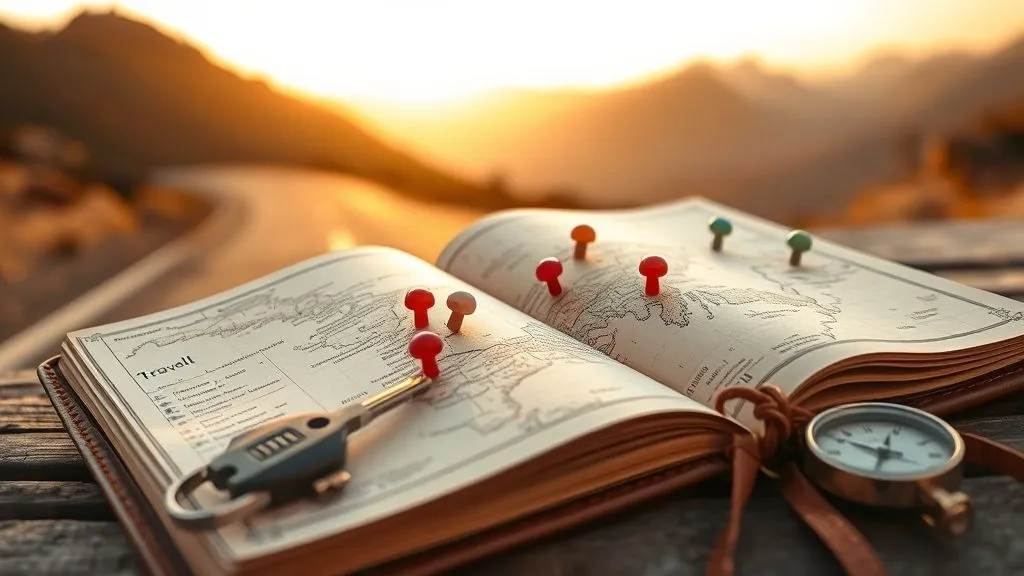
I've learned that a truly valuable road trip isn't just a collection of pins on a map; it's an experience designed around a core purpose. This purpose acts as your compass, guiding every decision from route planning to accommodation choices.
- Adventure & Exploration: Prioritizing thrilling activities, off-the-beaten-path discoveries, and physical challenges.
- Relaxation & Rejuvenation: Focusing on scenic drives, leisurely stops, spa treatments, or quiet natural retreats.
- Cultural Immersion: Spending extended time in specific towns, engaging with local communities, and exploring historical sites.
- Family Bonding: Selecting kid-friendly attractions, ample downtime for play, and comfortable, spacious accommodations.
- Food & Culinary Journey: Crafting routes around renowned eateries, local markets, and unique food experiences.
"The greatest mistake in road trip planning is to plan without purpose. Your 'why' dictates your 'how,' and ultimately, your 'what.' Define your core value first, and the rest will follow with far greater ease and impact."
Once you've identified your primary value driver, every subsequent decision for your multi-stop road trip itinerary should be filtered through this lens. This ensures that every mile driven and every dollar spent contributes meaningfully to your desired experience.
Strategic Route Planning: The Art of the Efficient Path
With your trip's value defined, the next crucial step is designing a route that maximizes both efficiency and enjoyment. Poor route planning can lead to excessive driving, backtracking, and missed opportunities, directly diminishing your trip's overall value.
Leveraging Technology: Mapping Tools & AI Assistants
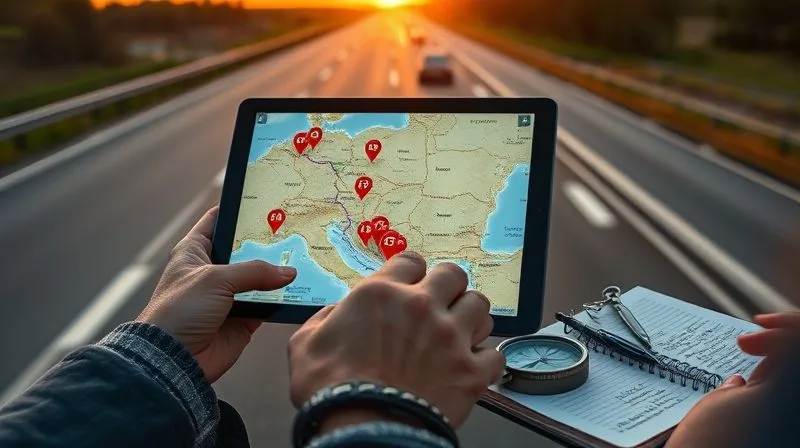
Gone are the days of paper maps alone. Modern technology offers incredible tools to optimize your multi-stop road trip itinerary. I always recommend starting with a blend of widely available and specialized platforms.
- Google Maps/Apple Maps: Excellent for basic routing, traffic updates, and finding nearby amenities.
- Roadtrippers/Furkot: These specialized platforms allow for detailed multi-stop planning, estimating driving times, suggesting points of interest, and even factoring in fuel costs.
- Waze: Invaluable for real-time traffic, hazard alerts, and alternative routes to save time.
- Initial Brainstorm: List all potential stops without worrying about order.
- Plot on a Digital Map: Use a tool like Roadtrippers to visually see your stops.
- Identify "Clusters": Group nearby attractions or towns to minimize redundant driving.
- Optimize Order: Drag and drop stops to create the most logical and efficient flow. Aim for a linear or circular route rather than excessive zigzagging.
- Check Drive Times: Be realistic. Account for food breaks, fuel, and unexpected delays.
The "Hub-and-Spoke" vs. "Linear Journey" Model
Understanding these two primary routing philosophies can significantly impact your trip's flow and value:
The Linear Journey: This is your classic point-to-point road trip, moving steadily from one distinct region to the next. Ideal for covering vast distances or exploring a continuous stretch of geography (e.g., coast to coast).
The Hub-and-Spoke: You establish a "base camp" in a central location and take day trips (spokes) to explore surrounding areas. This minimizes packing/unpacking and can be less tiring. Ideal for exploring a specific region in depth.
| Route Model | Best For | Pros | Cons |
|---|---|---|---|
| Linear Journey | Covering vast distances, continuous exploration | See more distinct places, constant change of scenery | Frequent packing/unpacking, can be tiring, less deep exploration per stop |
| Hub-and-Spoke | In-depth regional exploration, less frequent moves | Slower pace, less hassle with luggage, deeper immersion in a region | Less ground covered overall, potential for repetitive drives |
Avoiding "Route Fatigue" and Over-Scheduling
One of the biggest value killers is trying to cram too much into too little time. I've seen it countless times: travelers arrive at a stunning destination too exhausted to appreciate it. Be realistic about daily driving limits. A general rule of thumb I advocate is no more than 4-6 hours of driving on any given day, especially if you want to enjoy the journey, not just the destination. Build in buffer days or half-days for unexpected discoveries or simply to relax and recharge.
Budgeting for Maximum Impact: Where to Spend, Where to Save
A well-optimized road trip isn't necessarily the cheapest one; it's the one where every dollar spent aligns with your defined value. Smart budgeting ensures you allocate resources to what truly enhances your experience and saves where it won't detract.
The 50/30/20 Rule for Road Trip Budgets
Adapted from personal finance, this rule provides a useful framework for allocating your road trip funds:
- 50% Needs (Essentials): This includes fuel, basic accommodation (if not camping), and essential food. These are the non-negotiables that get you from A to B safely and comfortably.
- 30% Wants (Experiences): This is where your "value" comes into play. Allocate this portion to activities, unique dining experiences, guided tours, national park passes, or special souvenirs that align with your trip's purpose. This is your investment in memories.
- 20% Savings/Buffer: Crucial for emergencies, unexpected detours, or spontaneous splurges. Having this cushion prevents financial stress from eroding your trip's enjoyment.
This framework allows you to prioritize spending based on your core values while maintaining a realistic financial outlook. For example, if cultural immersion is your value, you might spend more on local guides and fewer on luxury hotels.
Case Study: The Millers' Cross-Country Adventure
How the Millers Optimized Their Family Road Trip Budget
The Miller family, a couple with two young children, planned a two-week cross-country road trip. Their primary value was "family bonding through nature and educational experiences." Initially, they were overwhelmed by potential costs.
By applying the 50/30/20 rule, they made strategic choices:
- Needs (50%): They opted for a mix of budget-friendly motels and camping at National Parks (saving on accommodation). They packed a cooler for most lunches and snacks, reducing daily food costs significantly.
- Wants (30%): They invested heavily in National Park passes, a guided wildlife tour, and tickets to a few interactive science museums, aligning perfectly with their "nature and educational" value.
- Savings/Buffer (20%): This buffer proved invaluable when they had an unexpected car repair in a small town. Without it, their trip's joy would have been severely impacted.
This resulted in a trip that not only stayed within budget but also delivered maximum value, creating lasting memories without financial strain. They optimized their spending to reflect their priorities, demonstrating how to optimize multi-stop road trip itinerary for maximum value.
"Value isn't about how much you spend, but how wisely you spend it. A cheap trip can be invaluable, and an expensive trip can be worthless, if it doesn't align with your core desires."
Time Allocation Mastery: Pacing for Pleasure, Not Pressure
Time is your most precious resource on any road trip. Mismanaging it can lead to rushed experiences, stress, and a diminished sense of enjoyment. Mastering time allocation is key to ensuring every moment contributes to your maximum value.
The "2-2-2 Rule" for Driving & Stopovers
This simple rule, which I've found incredibly effective over the years, helps maintain a healthy pace and prevents burnout:
- Drive No More Than 2 Hours Without a Stop: Take a 15-20 minute break to stretch, grab a snack, or simply admire the view. This combats driver fatigue and keeps passengers engaged.
- Stay At Least 2 Nights in Each Major Location: This allows for a full day of exploration without constant packing and unpacking, providing a deeper, more relaxed experience of each stop.
- Stop Driving By 2 PM: Aim to arrive at your destination or campsite by early afternoon. This gives you ample time to check in, relax, explore the immediate surroundings, and enjoy dinner without feeling rushed. It also provides a buffer for unexpected delays.
Deep Dive vs. Drive-By: Prioritizing Experiences
Not every stop needs to be an all-day affair. Some destinations are perfect for a "drive-by" – a quick photo op or a short walk. Others demand a "deep dive." The trick is to identify which is which based on your trip's value and your interests.
- Deep Dive Locations: These are the places that align most closely with your core trip values. If your value is cultural immersion, a historical city might warrant 3-4 nights. If it's nature, a national park might get 2-3 full days of hiking.
- Drive-By Locations: These are scenic overlooks, quirky roadside attractions, or small towns that offer a pleasant break but don't require extensive exploration. They add flavor without consuming significant time.

Be disciplined in your prioritization. It's better to deeply experience a few places than to superficially rush through many. This is a fundamental aspect of how to optimize multi-stop road trip itinerary for maximum value.
Accommodation & Food: Smart Choices for Enhanced Experience
Your choices for where you sleep and what you eat profoundly influence both your budget and your overall road trip experience. These aren't just necessities; they're integral parts of your journey's value.
Strategic Stays: Airbnb, Camping, or Hotels?
Each accommodation type offers a different value proposition:
- Hotels/Motels: Offer convenience, privacy, and amenities like pools or breakfast. Can be pricier, but loyalty programs can offer value.
- Airbnbs/Vacation Rentals: Provide a "local" feel, more space, and often kitchen facilities, which can save on food costs. Great for families or longer stays.
- Camping (Tents/RVs): The ultimate budget-friendly and nature-immersive option. Requires more planning and gear but offers unparalleled connection to the outdoors.
- Hostels: Excellent for solo travelers or those on a very tight budget, fostering social interaction.
I advise mixing and matching based on your itinerary and value priorities. For example, camp in National Parks for nature immersion, then splurge on a unique Airbnb in a city for cultural exploration.
Culinary Adventures: Local Eats vs. Self-Catering
Food is another area where optimization truly shines. It's a key part of the travel experience but can also be a significant expense.
- Local Eateries: Essential for cultural immersion and experiencing the local flavor. Prioritize these for a few key meals that align with your "wants" budget.
- Grocery Stores & Coolers: Your best friends for saving money and eating healthier. Stock up on snacks, breakfast items, and sandwich supplies. Picnics at scenic spots often provide more value than a mediocre restaurant meal.
- Farmers' Markets: A fantastic way to connect with local produce and communities, often providing fresh, affordable ingredients for self-catering.
A balanced approach, combining a few memorable local meals with smart self-catering, will allow you to savor regional cuisine without breaking the bank, ensuring your multi-stop road trip itinerary delivers maximum value.
Flexibility & Contingency: The Unsung Heroes of Value
In my experience, the most successful road trips are rarely those that stick rigidly to a minute-by-minute plan. Life on the road is unpredictable. Building in flexibility and preparing for contingencies are not just practical; they are vital for maintaining enjoyment and maximizing the value of your journey.
Building in Buffer Time: The 20% Rule
I always advise clients to build in a "20% buffer" for their itinerary. If you estimate a drive will take 4 hours, plan for 5. If you think you need 2 days in a city, consider 2.5 or 3. This buffer accommodates:
- Unexpected Delays: Traffic, road closures, car trouble, or simply getting lost.
- Spontaneous Discoveries: That charming small town you didn't know existed, a breathtaking viewpoint not on your map, or a local festival you stumble upon.
- Rest & Relaxation: The opportunity to sleep in, enjoy a leisurely coffee, or simply do nothing without feeling guilty or rushed.
This buffer isn't wasted time; it's an investment in peace of mind and the potential for serendipitous moments that often become the most cherished memories.
Emergency Preparedness: Beyond Just a Spare Tire
While we hope for smooth sailing, being prepared for the unexpected is paramount. A breakdown or minor emergency doesn't have to derail your trip if you're ready.
- Vehicle Check-up: Before you leave, get your car serviced. Check tires, oil, fluids, and brakes.
- Emergency Kit: Jumper cables, basic tools, first-aid kit, flashlight, blankets, non-perishable food, water, and a phone charger/power bank.
- Roadside Assistance: Ensure your insurance or a separate membership (like AAA) provides robust roadside assistance.
- Important Documents: Keep physical and digital copies of your driver's license, registration, insurance, and emergency contacts.
- Cash: Some remote areas might not accept cards.
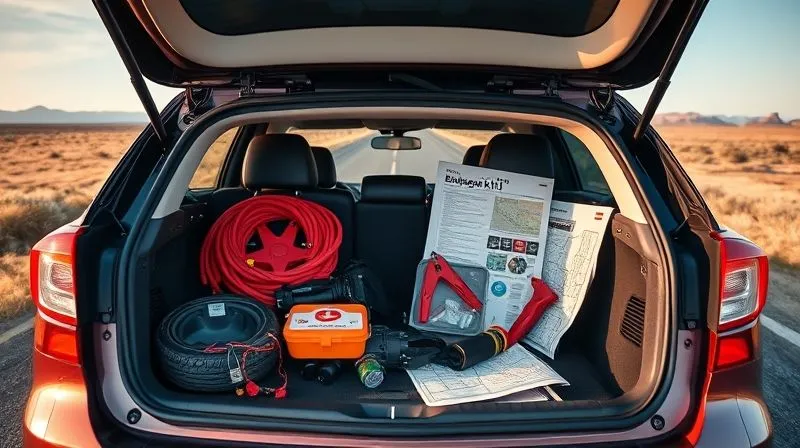
As AAA often emphasizes, preparedness is key to a stress-free journey. These measures ensure that minor setbacks remain just that – minor – allowing you to continue enjoying your adventure with minimal disruption.
Leveraging Local Insights: Unearthing Hidden Gems
To truly optimize your multi-stop road trip itinerary for maximum value, you must go beyond the guidebook. The richest experiences often lie off the well-trodden path, discovered through the wisdom of those who call the destination home.
Connecting with Locals: The Best Souvenir You Can Get
Local knowledge is gold. I've found that some of the most memorable moments on my trips came from recommendations by residents. Don't be shy:
- Ask at Small Businesses: Coffee shop baristas, independent bookstore owners, or gas station attendants are often happy to share their favorite local spots.
- Engage with Your Hosts: Airbnb hosts, campground managers, or even hotel front desk staff can offer invaluable tips on hidden trails, best local eateries, or upcoming events.
- Visit Tourist Information Centers: While seemingly obvious, these centers are staffed by locals who often have insider tips beyond the standard brochures.
A simple "What's your favorite non-touristy thing to do around here?" can open up a world of authentic experiences that enhance your trip's value far more than any generic attraction.
Online Communities & Forums: Pre-Trip Reconnaissance
Before you even leave, tap into the collective wisdom of online communities. Platforms like Reddit (r/roadtrip, r/travel), Facebook groups dedicated to specific regions, or specialized travel forums are treasure troves of up-to-date, real-world advice.
- Search Existing Threads: Chances are, someone has already asked about the best diners in a certain town or the most scenic detour.
- Post Your Itinerary: Ask for feedback on your planned route. Locals or experienced travelers can point out inefficiencies, suggest better alternatives, or warn you about potential issues.
- Look for Local Events: Discover farmers' markets, live music nights, or community festivals that can add unique flavor to your stops.
This pre-trip "reconnaissance" allows you to incorporate genuinely valuable, authentic experiences into your itinerary, ensuring you discover the soul of each destination, not just its surface.
Post-Trip Review: Learning for Future Adventures
The journey doesn't truly end when you park your car. A crucial, yet often overlooked, step in optimizing for maximum value is the post-trip review. This reflection process transforms your current experience into valuable knowledge for all future road trips.
Documenting Your Journey: Photos, Journals, & Blogs
Beyond the immediate joy, documenting your trip serves several purposes:
- Memory Preservation: Photos, videos, and journal entries are invaluable for reliving moments and preventing memories from fading.
- Self-Reflection: Writing about your experiences helps process them, deepening your understanding and appreciation.
- Future Reference: Your notes on accommodation, restaurants, or attractions become a personal "travel guide" for future trips or recommendations to friends.
Whether it's a simple photo album, a detailed travel journal, or a personal blog, taking the time to capture your journey reinforces its value and makes it last far beyond the actual travel days.
The "What Went Well, What Could Be Better" Debrief
I always encourage travelers to conduct a mini "post-mortem" of their trip. This isn't about dwelling on negatives, but about extracting actionable lessons:
- What Worked Best? Identify the elements that delivered the most value. Was it a specific type of accommodation, a particular pace, or a budgeting strategy?
- What Could Be Improved? Pinpoint pain points. Did you drive too much? Underestimate costs? Miss out on something due to poor planning?
- Unexpected Delights: What spontaneous moments or unplanned stops turned out to be highlights? How can you foster more of these in the future?
This systematic reflection ensures that each road trip makes you a smarter, more efficient, and ultimately, more fulfilled traveler. It's the final, crucial step in understanding how to optimize multi-stop road trip itinerary for maximum value, continuously refining your approach for even richer adventures ahead.
Frequently Asked Questions (FAQ)
Q: How much time is ideal for a multi-stop road trip to truly get maximum value? A: There's no one-size-fits-all answer, but for a multi-stop trip to feel valuable rather than rushed, I generally recommend a minimum of 7-10 days. This allows for at least 2-3 major stops with sufficient time for exploration (2-3 nights per stop) without spending every day behind the wheel. For more extensive cross-country journeys or deep regional dives, 2-4 weeks is often ideal. Remember the "2-2-2 Rule" for pacing.
Q: What's the best way to handle food on a long road trip to maximize value without breaking the bank? A: A balanced approach is key. Stock a cooler with essentials like drinks, fruits, snacks, and sandwich ingredients for breakfasts and most lunches. This saves significant money and time. Then, strategically allocate a portion of your budget for 2-3 memorable local dinners or unique culinary experiences per major stop. This way, you enjoy local flavors without constant restaurant expenses.
Q: Should I pre-book all accommodations for a multi-stop road trip? A: For peak season, popular destinations, or if you're traveling with a specific group size (e.g., family), pre-booking is highly recommended to secure desired locations and prices. However, if flexibility is a core value, especially during off-peak times, leaving some nights open allows for spontaneous detours or extended stays in places you unexpectedly love. Always have a few backup options researched, even if not booked.
Q: How do I balance sightseeing with driving time effectively? A: This is where strategic pacing comes in. Avoid "sightseeing while driving." Instead, dedicate specific blocks of time for focused driving and separate blocks for immersive sightseeing. Plan your driving legs for mornings or late afternoons, leaving mid-day for exploring. Utilize the "2-2-2 Rule" to ensure you're not over-driving and have ample time at your destinations. Prioritize your "deep dive" locations and allow generous time there.
Q: What if I get tired of driving or my passengers get restless on a multi-stop trip? A: This is a common challenge! Proactive measures include rotating drivers if possible, taking frequent breaks (every 1.5-2 hours), incorporating scenic detours that double as leg-stretchers, and ensuring plenty of entertainment for passengers (audiobooks, podcasts, games). Building in "zero-driving" days where you explore a single area on foot or via local transport is also highly effective for preventing road fatigue and maximizing enjoyment.
Key Takeaways and Final Thoughts
Optimizing your multi-stop road trip itinerary for maximum value is less about finding secret routes and more about a thoughtful, strategic approach to planning. It requires clarity on what "value" means to you, meticulous route planning, smart budgeting, and a commitment to flexibility.
- Define Your Value: Start by understanding your trip's core purpose.
- Plan Smart, Not Hard: Leverage technology for efficient routing, considering linear vs. hub-and-spoke models.
- Budget for Impact: Use the 50/30/20 rule to align spending with your priorities.
- Master Time Allocation: Embrace the "2-2-2 Rule" and prioritize deep dives over drive-bys.
- Embrace Flexibility: Build in buffers and prepare for contingencies.
- Seek Local Wisdom: Unearth hidden gems through local insights and online communities.
- Reflect & Learn: Document your journey and conduct a post-trip review for continuous improvement.
The open road offers unparalleled freedom and discovery. By applying these expert strategies, you're not just planning a trip; you're crafting an experience that will resonate deeply, create lasting memories, and truly deliver maximum value. So, go forth, plan wisely, and may your next multi-stop adventure be your most enriching one yet!
Recommended Reading
- 7 Secrets: How to Find Legal Wild Camping in Europe on a Budget
- Remote Comms Down? 7 Steps for Expedition Leaders' Critical Loss Plan
- The Ultimate Guide: How to Prepare for a Luxury Overnight Train Journey
- Orbital Trips: 5 Expert Strategies to Conquer Space Adaptation Syndrome
- Unlock Ancient Worlds: How to Truly Immerse in History at Cultural Sites?



Your email address will not be published. Required fields are marked *