

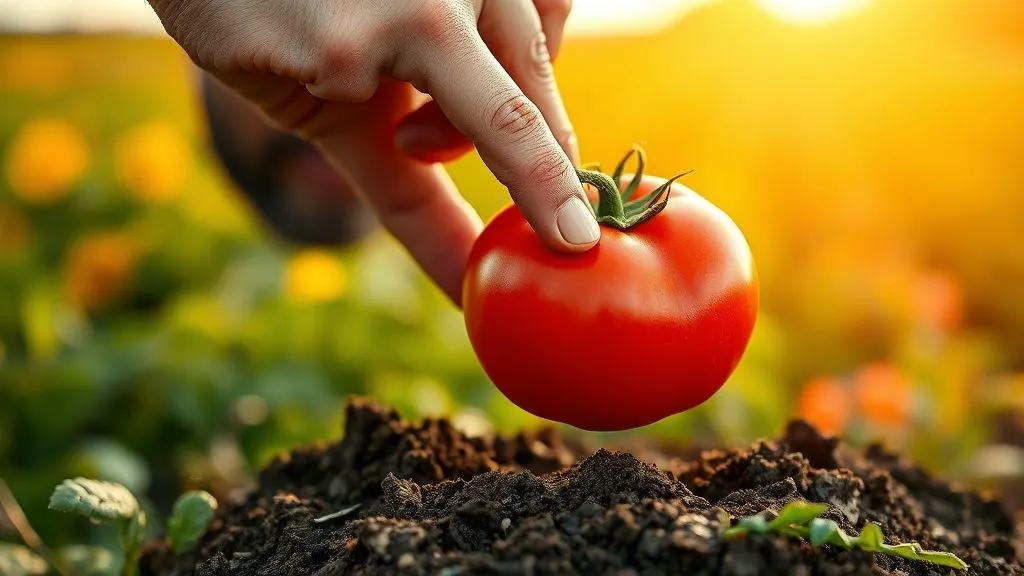
Ensuring Genuine Farm-to-Table Sourcing for Food Travel?
For over 15 years in the world of food travel and culinary exploration, I've seen a beautiful evolution: the rise of the farm-to-table movement. What started as a niche philosophy has blossomed into a global phenomenon, promising fresh, local, and ethically sourced ingredients. However, I've also witnessed the unfortunate side effect: a proliferation of establishments making 'farm-to-table' claims that are, frankly, little more than marketing fluff.
The problem for the discerning food traveler is real. How do you cut through the noise? How do you ensure that the delicious meal you're enjoying truly comes from a local farm, not a distant industrial supplier? The disappointment of discovering a restaurant's 'local' produce was actually imported can sour an otherwise incredible culinary journey.
This article isn't just about identifying the fakes; it's about empowering you with expert insights, actionable frameworks, and practical verification steps. We'll delve into the nuances of genuine sourcing, equip you with the right questions to ask, and help you forge authentic connections that elevate your food travel experiences, ensuring genuine farm-to-table sourcing for food travel every time.
The Allure and the Illusion: Why Authenticity Matters More Than Ever
The appeal of farm-to-table dining is undeniable. It speaks to a desire for freshness, quality, and a connection to the land and the people who cultivate our food. Diners are increasingly conscious of where their food comes from, not just for taste, but for health, environmental impact, and ethical considerations. The story behind a dish, its provenance, has become as important as its flavor profile.
Unfortunately, this growing demand has created a fertile ground for 'greenwashing' – a term I've seen applied to everything from corporate sustainability reports to restaurant menus. Many establishments have adopted the farm-to-table lexicon without genuinely embracing its principles. They might source one or two items locally while the bulk of their ingredients comes from conventional supply chains, or worse, use the term without any local sourcing at all. This illusion not only misleads consumers but also undermines the genuine efforts of chefs and farmers who are truly committed to the movement. As Harvard Business Review often highlights, authenticity and transparency are paramount for consumer trust in today's market.
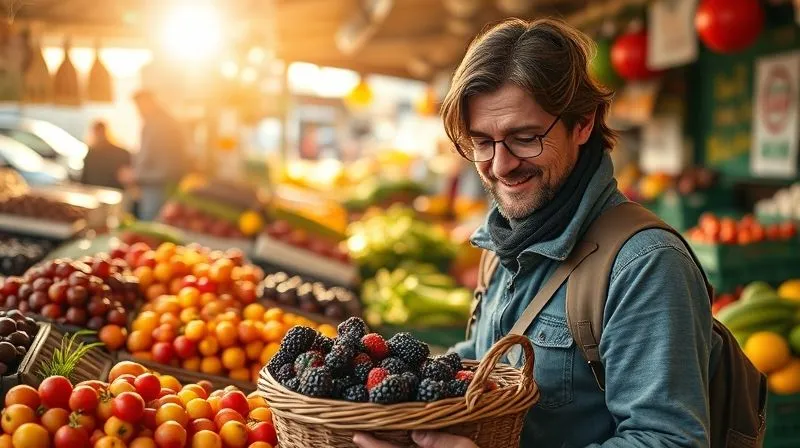
Decoding "Farm-to-Table": What Does It Truly Mean?
Before we can verify, we must define. The term "farm-to-table" isn't legally regulated in most places, which contributes to its misuse. However, in my experience, its core tenets are clear:
- Direct Sourcing: Ingredients come directly from local farms, ranches, or fisheries, minimizing intermediaries.
- Seasonality: Menus reflect what's currently being harvested in the region.
- Freshness: Produce travels short distances, ensuring peak flavor and nutritional value.
- Transparency: Restaurants are open about their sourcing, often naming their farm partners.
- Support for Local Economies: It fosters a symbiotic relationship between chefs and local producers.
- Sustainability: Often, though not exclusively, it implies sustainable and ethical farming practices.
"Genuine farm-to-table isn't just a marketing slogan; it's a philosophy that informs every aspect of a restaurant's operation, from menu planning to community engagement."
Your Pre-Trip Due Diligence: Researching Beyond the Marketing Hype
The quest for genuine farm-to-table experiences begins long before you arrive at your destination. This is where your inner detective comes out. I've found that a little upfront research can save a lot of disappointment.
Leveraging Digital Footprints and Reviews
Start with the restaurant's website. A truly committed farm-to-table establishment will often proudly list their farm partners, sometimes with links or profiles. Look for specific names, not just vague mentions of "local farms." Check their social media for recent posts showcasing farm visits, harvest updates, or farmer spotlights. Does their menu change frequently to reflect seasonal availability?
Next, dive into online reviews, but with a critical eye. While generic praise is common, look for specific mentions of sourcing, freshness, or transparency. Are other diners asking about or praising the local ingredients? Be wary of reviews that sound overly generic or focus solely on ambiance without touching on the food's origin. Sites like Yelp, Google Reviews, and specialized food blogs can offer clues, but always cross-reference.
The Power of Local Expertise and Networks
Don't underestimate the value of local knowledge. Before you travel, reach out to local tourism boards, culinary organizations, or even food bloggers in the area. They often have an inside track on which restaurants are truly committed to local sourcing. Look for local farmer's markets online – many will list vendors and even restaurants they supply. Engaging with these local networks can provide invaluable, unfiltered recommendations that go far beyond what a quick search might reveal. I've personally found some of the best hidden gems by simply asking a local farmer at a market for their favorite spot.
On-Site Verification: Practical Steps for the Savvy Food Traveler
Once you're at the restaurant, your investigative work continues. This isn't about being confrontational, but rather about being an informed and engaged diner. These steps are designed to help you ensure genuine farm-to-table sourcing for food travel in real-time.
Engaging with Staff and Chefs: The Right Questions to Ask
- "Where do your [specific ingredient, e.g., tomatoes, lamb] come from today?" This direct question can reveal a lot. A genuinely farm-to-table restaurant will have staff who are knowledgeable and proud to name their suppliers. Vague answers like "from a local farm" are a red flag.
- "Do you have a relationship with the farmers?" This probes deeper. True farm-to-table involves direct relationships, not just buying from a distributor. Chefs often visit farms, collaborate on crops, and understand the growing process.
- "How often does your menu change?" A menu that rarely changes, regardless of the season, suggests a lack of commitment to seasonal, local produce. Expect daily or weekly specials based on what's fresh.
- "Can you tell me more about [specific dish] and its ingredients?" This invites a story, which is often at the heart of farm-to-table. A passionate server or chef will be eager to share details about the origin and preparation.
Observing the Environment: Visual Cues of Authenticity
Pay attention to your surroundings. Do you see chalkboards listing daily specials that highlight specific farms? Are there photos of local farmers or farm landscapes? Sometimes, genuine farm-to-table restaurants will have subtle cues, like a display of fresh, seasonal produce near the entrance, or even unique, slightly imperfect vegetables that you wouldn't typically find in a supermarket, indicating true farm freshness.
Consider the overall vibe. Is there a sense of pride in local ingredients? Does the decor reflect a connection to the region's agricultural heritage? These are often subtle but powerful indicators. I once dined at a restaurant where the bread was served with butter from a named local creamery, and the server enthusiastically explained its provenance – a small detail that spoke volumes.
The Menu as a Map: Unpacking Seasonal and Specific Listings
A truly farm-to-table menu is a living document. Look for:
- Named Farms: The gold standard. "Heirloom Tomatoes from Smith Family Farm" is far more credible than "Local Heirloom Tomatoes."
- Seasonal Dishes: Are winter menus featuring asparagus and strawberries? That's a clear sign of non-seasonal sourcing.
- Limited Availability: Sometimes a dish will be marked "limited availability" due to a specific harvest. This is a good sign!
- Specific Varieties: Mentioning a specific breed of pig or a particular type of apple indicates attention to detail and sourcing.
Here's a quick comparison table for menu indicators:
| Indicator | Genuine F2T | Questionable F2T |
|---|---|---|
| Named Farms | Yes, frequently | Rarely or vaguely |
| Seasonal Menus | Changes frequently with seasons | Static, year-round menu |
| Produce Variety | Specific varieties (e.g., 'Cherokee Purple Tomato') | Generic (e.g., 'Garden Salad') |
| Staff Knowledge | Detailed, enthusiastic answers | Vague, evasive answers |
Building Relationships: Connecting with Farmers and Producers
The most authentic farm-to-table experiences often involve a direct connection, not just with the food, but with the people who grow it. For the adventurous food traveler, this means going beyond the restaurant.
- Visit Farmer's Markets: This is ground zero for local produce. Talk to the farmers, ask about their practices, and see what they're growing. Many will be happy to tell you which local restaurants they supply.
- Farm Tours and Agri-tourism: Many working farms now offer tours, cooking classes, or even overnight stays. This is the ultimate immersion, allowing you to see the source firsthand and understand the challenges and triumphs of farming.
- Community Supported Agriculture (CSA) Programs: While primarily for locals, researching local CSAs can reveal the names of farms known for direct supply, which you can then cross-reference with restaurants.
These direct interactions not only ensure genuine farm-to-table sourcing for food travel but also enrich your understanding and appreciation of your meal. It transforms dining from a passive act into an active engagement with the food system.
Case Study: "The Green Plate Initiative"
Case Study: How "The Green Plate Initiative" Transformed Local Dining
In a bustling coastal city, many restaurants claimed "farm-to-table" but struggled with inconsistent sourcing and skeptical diners. A local culinary collective, "The Green Plate Initiative," launched a program to foster direct, transparent relationships. They facilitated weekly meet-and-greets between chefs and local farmers, providing a platform for discussing seasonal availability and future crop planning. Participating restaurants committed to sourcing at least 70% of their produce, dairy, and meat from within a 100-mile radius, and prominently displayed their farm partners on menus and websites. Within two years, these restaurants saw a 25% increase in customer loyalty and a 15% boost in revenue, directly attributable to enhanced trust and the unique narratives they could share about their food. Diners reported a significantly higher perception of authenticity and a greater willingness to pay a premium for truly local ingredients. This collective action not only elevated the dining scene but also strengthened the local agricultural economy, demonstrating the power of genuine collaboration.
Beyond the Plate: Supporting Sustainable and Ethical Practices
Genuine farm-to-table often goes hand-in-hand with sustainability and ethical practices. When you're ensuring genuine farm-to-table sourcing for food travel, you're also often supporting a broader ecosystem of responsible food production. Look for farms and restaurants that prioritize:
- Organic or Biodynamic Farming: These methods avoid synthetic pesticides and fertilizers, promoting soil health and biodiversity.
- Animal Welfare: For meat and dairy, inquire about humane raising practices, pasture-fed animals, and ethical slaughter.
- Water Conservation: Especially in drought-prone areas, efficient water use in agriculture is critical.
- Fair Labor Practices: Supporting farms that treat their workers fairly is an often-overlooked but vital aspect of ethical sourcing.
By asking about these practices, you're not only verifying authenticity but also signaling to the industry that these values matter to consumers. This encourages more establishments to adopt higher standards, creating a positive ripple effect.
The Role of Certifications and Transparency Initiatives
While direct verification is powerful, official certifications can offer another layer of assurance. However, it's crucial to understand what each certification truly represents.
- Organic Certifications (e.g., USDA Organic): These are regulated and ensure certain standards for growing and processing. While not specifically "local," many local farms are organic.
- Local Food Certifications: Some regions have their own "local grown" or "buy local" programs. Research these specific to your destination.
- Third-Party Audits: Some larger farm-to-table groups might undergo independent audits of their supply chain.
Always remember that a lack of certification doesn't automatically mean a farm isn't legitimate. Many small, genuinely local farms may not have the resources or need for formal certification, relying instead on direct relationships and community trust. Conversely, a certification alone doesn't guarantee the entire operation is farm-to-table, only that specific standards are met.
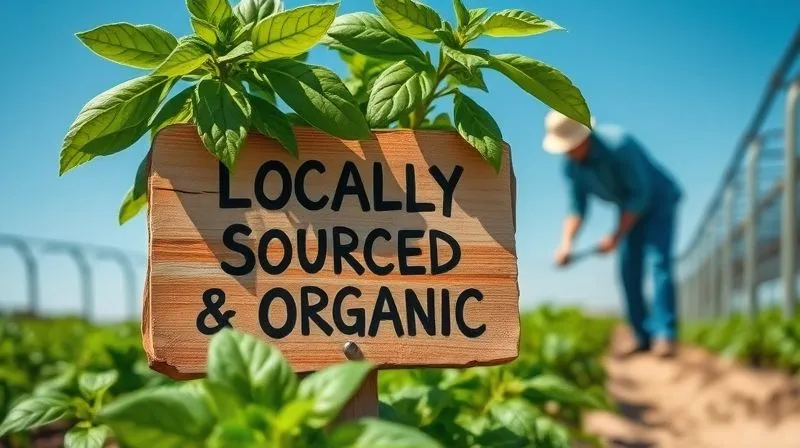
Navigating Greenwashing: What to Look For
Greenwashing is a persistent challenge. To avoid it, be skeptical of:
- Vague Language: "Locally inspired," "seasonal flavors," "fresh ingredients" – these sound good but lack specific verifiable claims.
- Limited Scope: A restaurant might highlight one local item (e.g., "local eggs") but say nothing about the origin of their meat, produce, or seafood.
- Lack of Proof: If asked, they can't name a farm or provide any detail beyond generic statements.
- Inconsistent Menus: As mentioned, a static menu regardless of season is a major red flag.
According to a recent Forbes article, consumers are increasingly adept at spotting greenwashing, making genuine transparency more crucial than ever for businesses.
Common Pitfalls and How to Avoid Them
Even with the best intentions, it's easy to fall into traps when seeking authentic farm-to-table experiences. Here are some common pitfalls I've observed:
- Assuming 'Local' Means Ethical: A farm can be local but still use unsustainable practices or treat workers poorly. Always ask beyond just proximity.
- Over-reliance on Price: High prices don't automatically guarantee genuine sourcing. While quality ingredients often cost more, some establishments inflate prices without delivering on authenticity.
- Ignoring Your Senses: Trust your palate and your eyes. Does the produce look vibrant and fresh? Does the food taste genuinely seasonal? Sometimes, the simplest indicators are the most reliable.
- Not Asking Questions: The biggest pitfall! Many diners feel uncomfortable questioning staff, but genuine farm-to-table places welcome your curiosity.
To avoid these, cultivate a habit of mindful inquiry. Be curious, be observant, and don't be afraid to engage. Your food travel experience will be richer for it.
Frequently Asked Questions (FAQ)
Q: Is "local" always synonymous with "farm-to-table"? Not necessarily. While proximity is key, "local" doesn't guarantee direct sourcing, sustainable practices, or a chef-farmer relationship. A restaurant could buy from a local distributor who sources from many farms, some local, some not. True farm-to-table implies a deeper, more transparent connection.
Q: What if a restaurant doesn't list specific farms, but claims to be farm-to-table? This is a common gray area. It's a red flag if they can't name any farms when asked directly. However, some very small, new, or pop-up establishments might genuinely source locally but haven't formalized their marketing. Your next step should be to ask the staff specific questions about their suppliers and their relationship with them. If they can provide detailed, consistent answers, it's a good sign.
Q: How can I tell if a menu is truly seasonal without being an expert on local agriculture? A great tip is to quickly search online for "[your destination] seasonal produce [current month]". This will give you a list of fruits, vegetables, and even seafood that should be available. If the restaurant's menu heavily features items not on that list, it's a strong indicator that their sourcing isn't strictly seasonal or local.
Q: Are Michelin-starred restaurants more likely to be genuinely farm-to-table? While many high-end restaurants, including Michelin-starred ones, prioritize quality ingredients and often have excellent sourcing, their focus isn't exclusively on "local" or "farm-to-table." Some may source specialty ingredients from around the world for specific culinary effects. Always apply the same verification steps, regardless of the restaurant's prestige. Their commitment to quality is high, but their definition of 'sourcing' might differ.
Q: What role do distributors play in farm-to-table sourcing? Ideally, genuine farm-to-table minimizes distributors. However, some distributors specialize in connecting small local farms with restaurants, acting as a logistical bridge. The key is transparency: does the restaurant know exactly which farm the distributor sourced from? Is that farm local? If the distributor is just a middleman for conventional produce, it's not truly farm-to-table. Direct relationships are always the most authentic.
Key Takeaways and Final Thoughts
Ensuring genuine farm-to-table sourcing for food travel is more than just a trend; it's a commitment to a better, more transparent food system. As a food traveler, you have immense power to influence this movement with your choices and your inquiries. By applying the strategies we've discussed, you not only enhance your own culinary adventures but also support the dedicated farmers and chefs who are truly making a difference.
- Research Diligently: Leverage websites, reviews, and local networks before you go.
- Ask Smart Questions: Engage with staff and chefs to understand their sourcing stories.
- Observe Your Surroundings: Look for visual cues of authenticity and transparency.
- Connect Directly: Visit markets and farms to build a deeper understanding.
- Support Ethical Practices: Prioritize sustainability and fair labor alongside local sourcing.
- Be a Critical Consumer: Learn to spot greenwashing and vague claims.
Your journey into the world of authentic farm-to-table dining will be incredibly rewarding, filled with delicious discoveries and meaningful connections. Embrace the role of the informed food traveler, and you'll unlock a richer, more genuine experience every time you sit down to eat. Happy travels, and happy eating!
Recommended Reading
- 7 Ways Wellness Travel Tackles Executive Burnout & Fosters Purpose
- Cruises for Team Building: 7 ROI-Driven Ways to Justify the Investment
- Airline Damaged Your Custom Scooter? 7 Steps to Claim & Repair
- Glamping in the Cold: The Ultimate Packing List for Winter
- 48-Hour City Escape: Reclaim Your Executive Edge from Burnout




Your email address will not be published. Required fields are marked *