

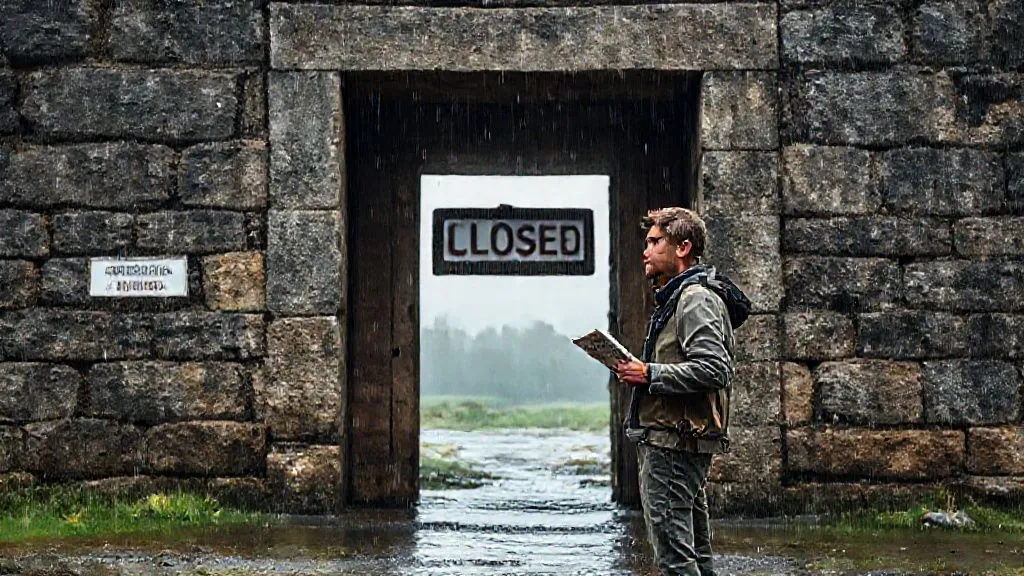
How to Manage Unexpected Site Closures at Remote Ancient Ruins?
For over two decades exploring the world's most captivating and often inaccessible ancient sites, I've witnessed firsthand the crushing disappointment that descends when a meticulously planned visit to a remote ruin is unexpectedly thwarted. I recall a particularly challenging trip to the Andean highlands, where after days of arduous trekking, a crucial archaeological site was deemed inaccessible due to a sudden, unforeseen local festival. The air was thick with frustration among my fellow travelers, and I felt their pain – the hours of research, the expense, the sheer anticipation, all seemingly for naught.
The problem is acutely felt by cultural travelers. Remote ancient ruins, by their very nature, often exist in regions with limited infrastructure, unpredictable local conditions, and sparse real-time information. Unlike a city museum, you can't just pivot to another attraction a few blocks away. A closure here isn't just an inconvenience; it can dismantle an entire expedition, leaving you stranded, disheartened, and questioning your choices.
But it doesn't have to be this way. In this definitive guide, I'll share my hard-won expertise and battle-tested strategies to not only mitigate the impact of unexpected site closures but to transform potential setbacks into enriching alternative experiences. You'll learn actionable frameworks, real-world adaptation techniques, and the expert insights needed to confidently manage unexpected site closures at remote ancient ruins, ensuring your cultural travel adventures remain fulfilling, no matter what surprises the journey holds.
The Unspoken Truth: Why Remote Sites Close Unexpectedly
Understanding the 'why' behind a closure is the first step toward effective management. Unlike popular, easily accessible sites with robust communication channels, remote ancient ruins are often at the mercy of factors far removed from standard tourism operations. I've seen a spectrum of reasons, some entirely unpredictable, others with subtle warning signs for those who know where to look.
Environmental Factors
Nature is often the most formidable gatekeeper. Heavy rains can render unpaved roads impassable, trigger landslides, or cause rivers to swell, cutting off access. Earthquakes, even minor ones, can make structures unsafe, leading to immediate closures for structural assessment and repair. Forest fires, extreme heat, or even unusual insect infestations can also prompt authorities to close sites for visitor safety and preservation. These are often sudden and can occur with little to no advance warning, especially in regions with volatile weather patterns.
Political or Local Issues
Visiting ancient ruins often means venturing into areas with unique local dynamics. Political unrest, even at a localized level, can lead to road blockades or temporary closures for security reasons. Community disputes, land ownership issues, or even local elections can result in temporary access restrictions. I've encountered situations where indigenous communities might close sacred sites for private ceremonies or protest perceived injustices, and respecting these local customs is paramount, regardless of their impact on your itinerary.
Maintenance and Preservation
While less sudden than environmental or political events, maintenance and preservation work can still lead to unexpected closures if not well-communicated. Ancient structures require constant care, and restoration projects, archaeological digs, or even routine structural assessments can necessitate closing off parts or all of a site. Sometimes, a critical structural flaw is discovered, requiring immediate intervention that wasn't planned months in advance. These closures are vital for the long-term survival of these irreplaceable treasures, even if they disrupt our travel plans.
The inherent unpredictability of remote locations is not a flaw in your planning; it's a fundamental characteristic of authentic exploration. Embrace it as part of the adventure, not an obstacle to overcome, but a challenge to navigate with grace and preparedness.
Proactive Planning: Your First Line of Defense
In my experience, the difference between a ruined trip and a minor detour often lies in the quality of your preparation. Proactive planning isn't about eliminating surprises; it's about building a robust framework that allows you to absorb them gracefully. It's about laying the groundwork so that when the unexpected strikes, you're not starting from scratch, but rather activating a pre-thought-out contingency.
Deep Dive into Research
Before you even book your flights, your research phase should go far beyond just opening times and entrance fees. You need to become an amateur intelligence officer for your chosen destination.
- Monitor Local News & Forums: Set up Google Alerts for your destination and the specific site names. Follow local news outlets, even if you need to use translation tools. Join relevant travel forums and social media groups dedicated to that region. Travelers on the ground often share real-time updates long before official channels do.
- Contact Official Sources: Reach out directly to the site's management, local tourism boards, or even the nearest embassy or consulate. While responses might be slow for remote areas, they can sometimes provide crucial insights into upcoming closures or known local issues.
- Consult Reputable Travel Guides & Blogs: Look for guides that focus on off-the-beaten-path travel. These often include warnings about seasonal access issues, local sensitivities, or specific permit requirements. Always cross-reference information, as details can change rapidly.
- Check UNESCO World Heritage Site Status: Many ancient ruins are UNESCO sites. Their official website often provides detailed information, including preservation efforts or potential access restrictions. For example, the UNESCO World Heritage Centre lists sites and sometimes operational updates.
Building a Flexible Itinerary
Rigid itineraries are the enemy of remote travel. I've learned that the most successful cultural explorations are those built with inherent flexibility, allowing for spontaneous changes without unraveling the entire journey.
- Allocate Buffer Days: Don't pack your schedule too tightly. Build in extra days around critical site visits. This provides breathing room if a site is closed for a day or two, allowing you to simply shift your plans rather than cancel.
- Plan for 'Anchor' and 'Flex' Activities: Identify your absolute must-see sites (anchors) and then have a list of secondary attractions or activities (flex) that can be easily substituted or moved around if an anchor site becomes inaccessible.
- Consider Open-Ended Accommodations: Where possible, book accommodations with generous cancellation policies or consider staying in towns that offer a variety of nearby activities, not just proximity to one specific ruin.
The Power of Travel Insurance
While insurance won't reopen a closed site, it's an indispensable safety net that can protect your financial investment and provide peace of mind. Not all policies are created equal, especially when dealing with remote travel.
- Read the Fine Print: Ensure your policy covers trip interruption or cancellation due due to unforeseen circumstances like natural disasters, political unrest, or even local strikes. Some policies might specifically exclude certain types of events or regions.
- Emergency Evacuation: For truly remote ancient ruins, emergency medical evacuation coverage is non-negotiable. If you get injured and a site closes, you need to know you can get out safely.
- 'Cancel For Any Reason' (CFAR) Coverage: While more expensive, CFAR policies offer the ultimate flexibility, allowing you to cancel your trip for virtually any reason and recoup a significant portion of your non-refundable costs. This is particularly valuable when visiting highly volatile or unpredictable regions. A comprehensive guide to understanding your options can be found on reputable travel insurance comparison sites, such as Forbes Advisor's best travel insurance guide.

On-the-Ground Adaptability: When Plans Go Sideways
No matter how much you plan, there will always be moments on the ground where you need to react. This is where your ability to adapt, think critically, and leverage local resources truly comes into play. I've found these moments, though initially frustrating, often lead to some of the most memorable and authentic travel experiences.
Leveraging Local Wisdom
In remote areas, local people are your most valuable resource. They possess an intimate, real-time understanding of the environment, local politics, and site conditions that no online forum or official website can replicate.
- Hire Local Guides: A good local guide isn't just a historian; they're a navigator, a cultural interpreter, and often, an invaluable source of current information. They'll know instantly if a road is out, if a local celebration is affecting access, or if there's an alternative, lesser-known site nearby. Build rapport, ask questions, and trust their judgment.
- Engage with Local Communities: Don't be afraid to strike up conversations with guesthouse owners, restaurant staff, or even local shopkeepers. They often have their ear to the ground and can offer insights into the reasons for a closure or suggest alternative activities you might not find in guidebooks. A friendly demeanor and genuine interest go a long way.
Immediate Information Gathering
When you encounter a closure, your immediate task is to gather as much reliable information as possible. Avoid assumptions and seek confirmation from multiple sources.
- Seek Official Confirmation: Look for official signage, speak to any on-site staff, or contact the local tourism office. Try to understand the reason for the closure and its expected duration.
- Check for Digital Updates: If you have connectivity, quickly check official websites, local news sites, and relevant social media channels for last-minute announcements.
- Ask 'Why' and 'What Now?': Don't just accept 'closed.' Ask *why* it's closed and *what are the alternatives*. Local guides or community members might offer solutions like a different access point, a temporary workaround, or a nearby site that's still open.
Case Study: The Maya City Diversion
I recall a group I was leading through the Petén Basin in Guatemala, aiming for a lesser-known Maya city. We arrived at the last village before the jungle trek, only to be informed that recent heavy rains had made the final stretch of road impassable for our vehicles, and the trails too dangerous for hiking. Frustration was palpable among the group.
Instead of turning back, I immediately consulted with our local driver and a guesthouse owner. They confirmed the road closure but suggested a different approach. "The river is high," the guesthouse owner offered, "but the boatmen know the currents. There's another small site, not as grand, but very important, accessible by river, just a few hours upstream."
We pivoted. Within an hour, we were on a long, narrow motorized canoe, navigating swollen jungle rivers. The alternative site, while smaller, offered a remarkably intimate experience. We were practically the only visitors, the jungle reclaiming its stones, and the journey itself became an unexpected highlight, a true adventure. This rapid adaptation, leveraging local knowledge, not only salvaged the day but transformed a potential disaster into a unique and memorable cultural immersion, proving that flexibility is key to managing unexpected site closures at remote ancient ruins.
Crafting Plan B (and C): Alternative Destinations and Activities
Having a backup plan isn't about admitting defeat; it's about strategic resilience. When a primary site is inaccessible, your ability to pivot to a compelling alternative can turn a potential disappointment into an unexpected discovery. This requires a bit of pre-trip brainstorming and a willingness to explore outside your initial focus.
Identifying Nearby Gems
Your research phase should ideally include identifying secondary attractions within a reasonable distance of your primary target. These don't have to be equally grand ruins; sometimes, a smaller, less-visited site offers a more profound experience precisely because of its intimacy.
- Geographic Proximity: Look for other archaeological sites, historical monuments, or even significant natural landmarks (e.g., caves, cenotes, waterfalls) that are geographically close enough to be reached within a day trip.
- Cultural Relevance: Consider sites that offer a different perspective on the same culture or period. If a major temple complex is closed, perhaps a nearby burial ground or an ancient agricultural terrace system is open and equally illuminating.
- Logistical Feasibility: Always assess the ease of access for alternatives. Is public transport available? Can you hire a local driver? Are permits required, and if so, can they be obtained quickly?
Embracing Cultural Immersion Beyond Ruins
Sometimes, the best alternative isn't another ruin at all, but a deeper dive into the living culture surrounding the ancient past. This can be incredibly rewarding and often provides context that static stones cannot.
- Visit Local Markets: Immerse yourself in the vibrant colors, sounds, and smells of a local market. It's a fantastic way to observe daily life, taste local cuisine, and interact with artisans.
- Explore Indigenous Villages: With respect and appropriate guidance, visiting local villages can offer insights into traditional crafts, languages, and customs that are often direct descendants of the ancient cultures you came to study.
- Attend Local Festivals or Ceremonies: If you discover a local festival is causing a closure, embrace it! These are often vibrant, authentic expressions of culture and can be far more enriching than a quiet walk through ruins.
- Learn a Local Skill: Take a cooking class focused on traditional dishes, try your hand at weaving, or learn a few phrases of the local language. These are hands-on experiences that create lasting memories.
- Nature Exploration: Many ancient ruins are nestled in areas of outstanding natural beauty. If the ruins are closed, perhaps a guided hike through a nearby jungle, a bird-watching excursion, or a visit to a natural reserve can provide a different kind of awe-inspiring experience.
| Original Plan | Contingency Plan A | Contingency Plan B |
|---|---|---|
| Tikal Temple IV Summit | Yaxhá Maya City (Boat Access) | Flores Island Cultural Walk & Market |
| Machu Picchu Sun Gate Hike | Ollantaytambo Fortress & Village | Salinas de Maras Salt Mines & Moray Terraces |
| Petra Monastery Trek | Little Petra & Bedouin Experience | Wadi Rum Desert Safari |
| Angkor Wat Sunrise | Beng Mealea Temple & Local Village | Phare Cambodian Circus & Artisans Angkor |
The Digital Lifeline: Connectivity and Communication
In the remoteness of ancient ruins, reliable communication can be scarce, yet it's absolutely vital for managing unexpected site closures. While you might seek to disconnect, a strategic approach to connectivity ensures safety and flexibility.
Satellite Phones and Offline Maps
For truly off-grid exploration, relying solely on mobile networks is a gamble. I've been in situations where the nearest cell tower was days away, and a satellite phone became the only link to the outside world.
- Satellite Phones: Consider renting a satellite phone for expeditions deep into remote areas. These devices can make calls and send texts regardless of cellular coverage, providing a critical emergency lifeline.
- Offline Maps and GPS: Download comprehensive offline maps (e.g., Google Maps offline areas, Maps.me, Gaia GPS) of your entire route and surrounding areas. A handheld GPS device with pre-loaded waypoints is also highly recommended. These tools are indispensable for navigation, especially if you need to reroute or find an alternative site without an internet connection.
- Portable Power Banks: Keep all your devices charged. A high-capacity power bank is essential for multiple recharges of phones, GPS units, and satellite phones.
Emergency Contacts and Embassy Info
Before you depart, ensure you have a robust list of emergency contacts, both at home and in your destination country. Share your itinerary with someone reliable who can act as a point of contact.
- Local Emergency Services: Know the local emergency numbers (police, ambulance) and understand how to communicate your location if needed.
- Embassy/Consulate Information: Register your trip with your country's embassy or consulate if they offer such services (e.g., the U.S. State Department's Smart Traveler Enrollment Program (STEP)). They can provide assistance in emergencies, including political unrest or natural disasters, and often have up-to-date security alerts.
- Tour Operator/Guide Contacts: If you're traveling with a tour operator or guide, ensure you have their direct contact information and a clear understanding of their emergency protocols.
The Mental Game: Resilience and Perspective
Beyond the practical strategies, managing unexpected site closures at remote ancient ruins often comes down to your mindset. I've seen travelers with impeccable planning fall apart at the first sign of trouble, while others, with less preparation, thrive by embracing the unexpected. It's about cultivating resilience and maintaining perspective.
Embracing the Unexpected
The very essence of travel, especially to remote and ancient places, is an encounter with the unknown. When a closure occurs, try to view it not as a failure, but as an inherent part of the adventure. It's an opportunity to practice adaptability, to see a different side of a culture, or to simply slow down and appreciate your surroundings in a new way.
- Shift Your Expectations: Let go of rigid expectations. While it's good to have goals, holding them loosely allows you to pivot without feeling a sense of loss.
- Find the Silver Lining: Every setback often has an unforeseen benefit. Perhaps the closure leads you to a local festival, a hidden waterfall, or a profound conversation with a local that you would have otherwise missed.
- Practice Mindfulness: In moments of frustration, take a deep breath. Focus on what you *can* control – your reaction, your next steps, and your attitude.
Learning from Setbacks
Every unexpected closure, every rerouted journey, is a valuable lesson. Reflect on what happened, how you reacted, and what you could do differently next time. This iterative process of learning strengthens your travel acumen.
True adventure isn't found in perfect itineraries, but in the graceful navigation of the imperfect. It's in the quiet moments of adaptation, the unexpected detours, and the resilience forged when plans unravel, that the deepest insights into ourselves and the world are gained. This perspective is a cornerstone of managing unexpected site closures at remote ancient ruins.
As renowned adventurer and author, Wade Davis often emphasizes, the greatest journeys are those that challenge our preconceptions and push us beyond our comfort zones. A closed ruin might be exactly that catalyst.

Advanced Strategies for the Savvy Cultural Traveler
For those who frequently venture to the world's most remote and challenging archaeological sites, a few advanced strategies can further enhance your preparedness and ability to manage unexpected site closures at remote ancient ruins.
Building a Network of Fellow Explorers
In the niche world of cultural travel to remote sites, knowledge sharing is incredibly powerful. Cultivate a network of like-minded travelers, researchers, and local contacts.
- Join Specialized Travel Communities: Engage in online forums, Facebook groups, or dedicated communities focused on specific regions or types of ancient sites. Share your experiences and learn from others.
- Connect with Local Researchers/Academics: If possible, establish contact with archaeologists or historians working in the region. They often have unparalleled, real-time insights into site conditions, political dynamics, and upcoming events.
- Maintain Relationships with Guides: If you've had an excellent local guide, keep their contact information. They can be a valuable resource for future trips or for checking conditions remotely.
Understanding Local Permitting & Regulations
Many remote ancient sites, especially those in protected areas or indigenous lands, require special permits beyond a standard entrance ticket. Navigating these can be complex, and unexpected changes in regulations can lead to closures.
- Early Application: Apply for any necessary permits well in advance. These can often be limited in number, require specific documentation, and take time to process.
- Understand Regulations: Research the specific rules and regulations governing the site. These might include restrictions on photography, drone usage, group sizes, or even specific routes. Violations can lead to immediate site closure or expulsion.
- Local Liaisons: Consider working with a reputable local tour operator or fixer who specializes in obtaining permits and navigating local bureaucracy. Their expertise can be invaluable in preventing unexpected access issues.
| Strategy Category | Action Item | Priority | Status |
|---|---|---|---|
| Pre-Trip Intel | Set up daily news alerts for region/site | High | Done |
| Itinerary Flexibility | Identify 3 backup sites/activities | High | Done |
| Gear & Tech | Download offline maps for entire route | High | Done |
| Local Connections | Contact local guide/fixer 2 weeks prior | Medium | In Progress |
| Permits & Access | Confirm all permits are approved | High | Done |
| Mindset | Mentally prepare for unexpected changes | High | Done |
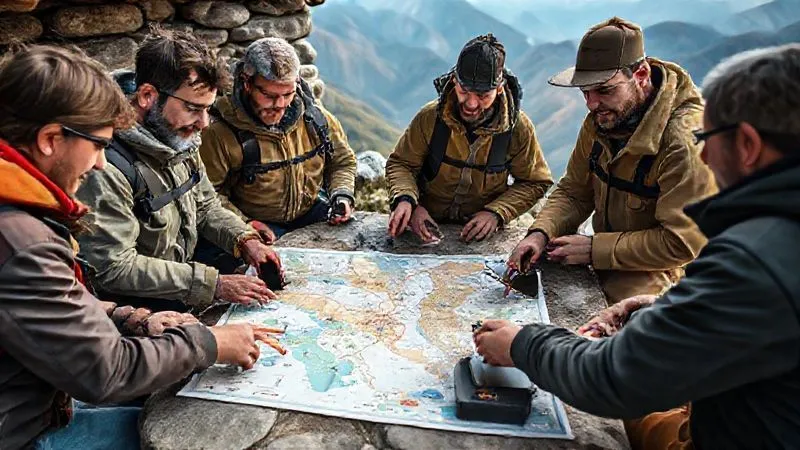
Frequently Asked Questions (FAQ)
How common are unexpected closures at remote ancient ruins? While it varies greatly by region and specific site, unexpected closures are significantly more common at remote ancient ruins compared to well-established, urban attractions. Factors like extreme weather, local political dynamics, or sudden preservation needs are often less predictable and less well-communicated in remote areas. It's wise to assume a higher likelihood of encountering such issues and plan accordingly.
Should I always book flexible tickets and accommodations for remote travel? Absolutely, whenever possible. The slightly higher cost of flexible tickets (flights, trains, buses) and accommodations with generous cancellation policies can be a small price to pay for the peace of mind and financial protection they offer. In regions where access can be tenuous, the ability to shift dates or locations without significant financial penalty is invaluable for managing unexpected site closures at remote ancient ruins.
What if I can't find an alternative ancient site nearby? If a direct archaeological alternative isn't feasible, broaden your definition of 'cultural experience.' Focus on the living culture of the region: visit local markets, engage with indigenous communities (respectfully and with guidance), learn about local crafts or cuisine, or explore the natural beauty of the area. Sometimes, these immersive experiences offer a deeper understanding of the land and its people than a visit to ruins alone.
Is it safe to wander off to less-known sites if a primary one is closed? Caution is paramount. Never venture to less-known or unmanaged sites without local guidance and thorough research. Many such sites might be on private land, in dangerous terrain, or lack any safety infrastructure. Always consult with trusted local guides or authorities before exploring unlisted or unmanaged areas, as safety should always be your top priority.
How do I verify information about closures in remote areas when connectivity is poor? This is a critical challenge. Prioritize direct communication with local sources: your guide, guesthouse owner, or local tourism office. If you have a satellite phone, use it to call official numbers. If not, rely on the most recent information from trusted individuals on the ground. This highlights the importance of building rapport with locals and having a communication plan before you lose signal.
Key Takeaways and Final Thoughts
- Proactive Planning is Paramount: Deep research, flexible itineraries, and robust travel insurance are your first and best defense against unexpected closures.
- Leverage Local Wisdom: Local guides and community members are your most valuable, real-time information source on the ground.
- Embrace Adaptability: Be prepared to pivot. Have Plan B (and C) ready, whether it's another ruin, a cultural immersion, or a nature excursion.
- Stay Connected (Strategically): Utilize offline maps, portable power, and consider satellite communication for truly remote areas.
- Cultivate Resilience: Your mindset is crucial. View setbacks as part of the adventure, opportunities for new discoveries, and moments to practice patience and flexibility.
The allure of remote ancient ruins lies precisely in their inaccessibility, their mystery, and their often-unspoiled authenticity. While this remoteness brings challenges like unexpected site closures, it also promises unparalleled rewards. By adopting these expert strategies, you're not just preparing for the worst; you're empowering yourself to navigate the uncertainties with confidence and grace, transforming potential frustrations into the very fabric of an unforgettable cultural adventure. So, pack your bags, prepare your mind, and embark on your next journey with the knowledge that you're ready for whatever ancient history, and the modern world, throws your way.
Recommended Reading
- 7 Ways Spiritual Retreats Sharpen Executive Decision Clarity
- The Ultimate Guide: How to Ensure Authentic Farm-to-Table Dining Experiences
- 7 Steps: How to Exploit Airline Pricing Errors for Cheap International Travel
- 5 Steps: Road Trip Playlists for Pitch-Perfect Client Focus
- Unlock Your Adventure: How to Prepare for an Immersive Cultural Trip!



Your email address will not be published. Required fields are marked *