

How to Maximize a Multi-National Park Road Trip in 7 Days?
For over two decades navigating the intricate world of travel, particularly the exhilarating challenge of road trips, I've witnessed countless aspiring adventurers fall into the same trap: underestimating the logistics of a multi-national park journey, especially when time is of the essence. It's a common dream – to experience the grandeur of several iconic American landscapes in one fell swoop – but without a solid strategy, that dream can quickly devolve into a blur of hurried drives and missed opportunities.
The allure of multiple parks, each a unique natural masterpiece, within a single week is undeniable. However, the reality often hits hard: vast distances, limited daylight, booking complexities, and the sheer volume of things to see and do in each park can overwhelm even the most seasoned traveler. The pain point is clear: how do you truly experience, rather than just 'see,' multiple national parks when you only have seven precious days?
In this definitive guide, I've distilled my extensive experience, countless hours of route planning, and the wisdom gleaned from hundreds of road warriors into a comprehensive framework. You won't just learn a generic itinerary; you'll discover the actionable strategies, insider tips, and meticulous planning techniques that will transform your ambitious 7-day multi-national park road trip from a stressful dash into a truly maximized, unforgettable adventure. Let's make every moment count.
Strategic Route Planning: The Foundation of Success
The single biggest mistake I see travelers make when attempting to maximize a multi-national park road trip in 7 days is poor route planning. It's not just about connecting dots on a map; it's about intelligent clustering and understanding geographical realities. You cannot, for example, realistically expect to thoroughly explore parks on both the East and West Coasts within a week without spending the majority of your time in transit.
Regional Clusters vs. Cross-Country Dashes
My first piece of advice is always to focus on regional clusters. The National Park Service has brilliantly preserved distinct ecological and geological regions across the country, and often, these parks are surprisingly close to one another, making them ideal for a concentrated assault. A cross-country dash, while romantic in theory, is a logistical nightmare for a 7-day trip, leading to burnout and superficial visits.
- Southwest Grand Circle: Think Zion, Bryce Canyon, Grand Canyon (North or South Rim), Capitol Reef, Arches, Canyonlands. These parks are often within a few hours' drive of each other, offering an incredible diversity of red rock landscapes.
- California's Jewels: Yosemite, Sequoia, Kings Canyon, and even Death Valley (season permitting) can be woven into a powerful loop, showcasing everything from towering trees to stark desert beauty.
- Rocky Mountain High: Rocky Mountain National Park, Black Canyon of the Gunnison, and Great Sand Dunes in Colorado offer a blend of alpine and high-desert experiences.
“Efficiency in travel isn't about rushing; it's about intelligent design. Choose your battleground wisely, and your 7-day multi-national park road trip will yield far greater rewards.”
According to a recent analysis by National Geographic Travel, regional road trips consistently rank higher in visitor satisfaction due to reduced travel stress and increased immersive experiences. This aligns perfectly with my own findings over the years.
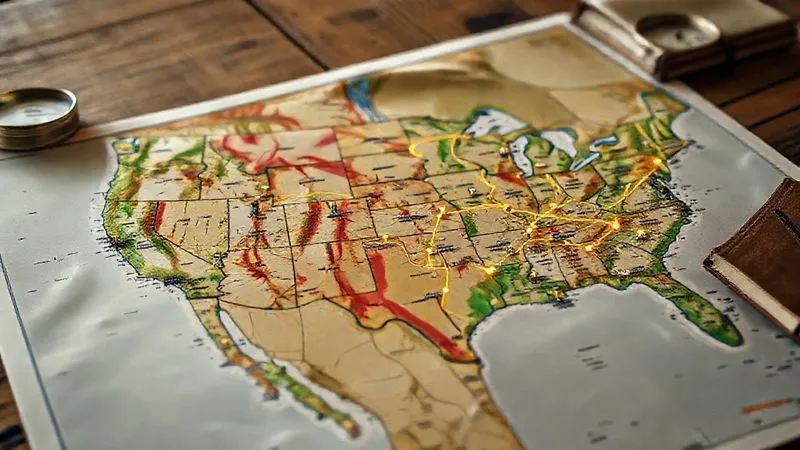
To illustrate the stark difference, consider this comparison:
| Strategy | Pros | Cons | Ideal For |
|---|---|---|---|
| Regional Cluster (e.g., Utah Parks) | Less driving, more park time, diverse landscapes within region | May miss parks in other regions | Deep exploration of a specific area |
| Cross-Country Dash (e.g., Grand Canyon to Yellowstone) | Significant driving, less time in each park, higher fuel costs | Burnout, superficial visits, higher fuel costs | Checking off bucket list parks, seeing varied landscapes quickly |
Mastering the Art of Park Selection & Prioritization
Once you've decided on a regional cluster, the next crucial step to maximize a multi-national park road trip in 7 days is ruthless prioritization. You simply cannot see every trail, every viewpoint, or every visitor center in multiple parks within a week. Attempting to do so guarantees exhaustion and a feeling of incompleteness.
Identifying Your "Must-Sees"
Before you even look at a map, sit down and list your absolute "must-sees" for each potential park. Is it a specific iconic hike like Angels Landing in Zion? The majestic views from Mather Point in the Grand Canyon? Or the delicate arches of Arches National Park? Be honest with yourself about what truly draws you to each location.
- Research Key Highlights: Use official park websites (NPS.gov is your best friend), reputable travel blogs, and guidebooks to identify the top 3-5 experiences in each park that resonate most with you.
- Consider Physicality: Be realistic about your group's fitness levels. A strenuous 8-mile hike might be a "must-see" for some, but a "must-avoid" for others if it means sacrificing energy for the next park.
- Factor in Time: Estimate how long each activity will take, including travel to trailheads or viewpoints. This helps in understanding what's truly feasible.
The Power of the "Neighbor Effect"
Often, national parks have state parks, national monuments, or other scenic areas nearby that offer similar geological or ecological wonders but with fewer crowds and less stringent entry requirements. These can be excellent additions to your itinerary, providing a unique experience without the intense planning required for a major national park. For instance, Valley of Fire State Park is a fantastic red-rock complement to Zion or Bryce, offering stunning visuals with less congestion.
Optimizing Your Time: Pre-Trip Bookings & Permits
In the current era of national park travel, spontaneity is a luxury you cannot afford if you want to maximize a multi-national park road trip in 7 days. Many popular parks now require timed entry reservations, shuttle tickets, or specific permits for certain activities. Failing to secure these in advance can severely derail your plans and eat into your precious park time.
- Timed Entry Reservations: Parks like Rocky Mountain, Zion (for their shuttle system), Yosemite, and Glacier often require timed entry during peak seasons. Check each park's official website months in advance and set calendar reminders for release dates.
- Accommodation: Lodging inside national parks books up incredibly fast – often a year in advance. If you're aiming for an in-park stay, book immediately. Otherwise, research gateway towns and book hotels or campsites as early as possible.
- Backcountry Permits: If you plan any overnight backpacking, these permits are highly competitive and often involve a lottery system.
- Shuttle Tickets: For parks like Zion Canyon, where personal vehicles are restricted, you'll need to book shuttle tickets well in advance via Recreation.gov.
- America the Beautiful Pass: If you plan to visit three or more national parks within a year, buying the Annual Pass will save you money and time at park entrances. You can purchase it online or at the first park you visit.
“Your biggest time-saver on a condensed national park road trip happens long before you hit the road. Pre-booking is not just a convenience; it's a strategic imperative for efficient access.”
I've seen too many trips falter because a family arrived at a park gate only to be turned away due to lack of a timed entry pass or found all shuttle tickets sold out. Don't let this be you. Treat your booking schedule like a military operation.
Efficient Itinerary Design: The Daily Grind
With your route planned and bookings secured, the next layer of maximizing your multi-national park road trip in 7 days is to design an efficient daily itinerary. This involves a delicate balance of ambition and realism, ensuring you see the highlights without feeling constantly rushed.
Sunrise to Sunset Strategy
My golden rule for national park visits is to embrace the sun. Get up early, stay out late. The hours around sunrise and sunset offer the best light for photography, fewer crowds, and often, the highest chance of spotting wildlife. These are your prime viewing windows.
- Pre-Dawn Arrival: Aim to be at your first major viewpoint or trailhead 30-60 minutes before sunrise. This gives you time to park, set up, and enjoy the quiet majesty.
- Morning Exploration: Tackle your most anticipated hikes or popular viewpoints in the morning when temperatures are cooler and crowds are still building.
- Mid-Day Transition: Use the middle of the day for driving between parks (if applicable), visiting less-crowded areas, enjoying a picnic lunch, or exploring visitor centers. This is also a good time for a siesta if you've been up since dawn.
- Late Afternoon/Sunset: Position yourself at another iconic viewpoint for sunset, or explore a less strenuous trail that offers beautiful evening light.
- Evening Stargazing: Many national parks are designated Dark Sky Parks. If the skies are clear, take advantage of the incredible stargazing opportunities.
Case Study: The Smith Family's Grand Canyon & Zion Dash
The Smith family, a group of four with two active teenagers, aimed to hit the Grand Canyon South Rim and Zion National Park in a tight 4-day segment of their 7-day multi-national park road trip. Initially, they planned to arrive at each park mid-morning. After consulting with me, they shifted their strategy.
For the Grand Canyon, they booked a hotel in Tusayan just outside the South Rim. They rose at 4:30 AM, drove into the park, and were at Mather Point for an unforgettable sunrise. They then hiked a portion of the Bright Angel Trail before the crowds swelled and the heat became intense. By mid-afternoon, they began their drive to Zion's gateway town, Springdale.
For Zion, they had pre-booked their shuttle tickets for an early morning slot. They were on the first shuttle into the canyon, allowing them to hike to Emerald Pools before the main rush. They spent the afternoon exploring the Pa'rus Trail and enjoying the Virgin River before heading out for a sunset view from a scenic overlook outside the park.
This aggressive but well-planned schedule allowed them to experience the primary highlights of both parks deeply, rather than just superficially, and still have energy for the remaining three days of their trip. The key was early starts and pre-booked access.

Here's a sample daily activity focus to help you plan:
| Time Block | Activity Focus | Benefit |
|---|---|---|
| Sunrise (5:00 AM - 7:00 AM) | Iconic viewpoints, wildlife spotting, photography | Avoid crowds, best light, tranquil experience |
| Morning (7:00 AM - 12:00 PM) | Popular hikes, visitor center, ranger programs | Moderate crowds, cooler temps for hiking |
| Afternoon (12:00 PM - 4:00 PM) | Scenic drives, less strenuous trails, picnic lunch, travel to next park | Utilize peak sun, transition time |
| Late Afternoon/Sunset (4:00 PM - 7:00 PM) | Sunset viewpoints, short walks, dinner | Golden hour photography, winding down |
| Evening (7:00 PM onwards) | Stargazing, relaxation, planning next day | Unique night sky views, prepare for next adventure |
Packing Smart: Every Ounce Counts
When you're constantly on the move, switching between parks and activities, efficient packing is paramount. Overpacking leads to wasted time lugging unnecessary items, while underpacking can leave you unprepared for changing weather or trail conditions. The goal is versatility and functionality.
- Layered Clothing: Weather in national parks, especially at higher elevations, can change dramatically throughout the day. Pack moisture-wicking base layers, insulating mid-layers (fleece or down), and a waterproof/windproof outer shell.
- Sturdy Footwear: Comfortable, broken-in hiking shoes or boots are non-negotiable. Bring an extra pair of socks to prevent blisters.
- Hydration System: A reusable water bottle or hydration reservoir is essential. Many parks have refill stations.
- Sun Protection: Wide-brimmed hat, sunglasses, and high-SPF sunscreen. The sun can be intense, even on cloudy days.
- Navigation Tools: Download offline maps (Google Maps, AllTrails, Gaia GPS), bring a physical map, and a compass. Cell service is often nonexistent.
- First-Aid Kit: Blister treatment, pain relievers, antiseptic wipes, any personal medications.
- Headlamp/Flashlight: For early mornings, late evenings, and stargazing.
- Snacks: High-energy, non-perishable snacks are vital for long hikes and to avoid expensive park concessions.
- National Park Pass: Keep your America the Beautiful Pass easily accessible.
- Camera Gear: Don't forget extra batteries and memory cards for those breathtaking shots.
For detailed reviews of essential gear, I often recommend resources like REI's Expert Advice, which provides comprehensive guides on everything from hiking boots to backpacks. Investing in good gear makes a significant difference in comfort and safety.
On the Road: Navigation, Fuel, and Flexibility
The "road" part of a multi-national park road trip in 7 days is just as critical as the "park" part. Efficient driving, smart navigation, and a degree of flexibility are key to a smooth journey.
Offline Maps & Connectivity
As I mentioned, cell service is notoriously unreliable within and between national parks. Before you leave home, download offline maps for all the areas you'll be traversing using Google Maps, Apple Maps, or dedicated hiking apps like AllTrails or Gaia GPS. I also highly recommend having a physical map as a backup. There's nothing worse than being lost and out of service, wasting precious time.
Fueling Up & Food Prep
Gas stations can be scarce and expensive near park entrances. Always top off your tank when you see a reasonably priced station, especially before heading into remote areas. The same goes for food. Packing a cooler with sandwich supplies, drinks, and snacks will save you considerable time and money compared to relying solely on park lodges or small-town restaurants. A portable stove for simple meals can also be a game-changer.
“Plan your journey with military precision, but pack your attitude with the spirit of improvisation. The best road trips always have a few unexpected detours.”
While meticulous planning is crucial, remember that unexpected closures, weather changes, or simply discovering a hidden gem can alter your schedule. Build in a buffer for minor delays or spontaneous stops. Sometimes, the most memorable moments are the unplanned ones. As Forbes Travel Guide often highlights, the journey itself is as important as the destination.
Maximizing Park Experience: Insider Tips
Beyond the logistical planning, there are several behavioral strategies that will significantly enhance your experience and help you maximize a multi-national park road trip in 7 days.
Early Bird Gets the View
I cannot stress this enough: arrive early! Not only do you beat the crowds, but you also get to experience the parks in their most serene and magical states. The soft morning light is perfect for photography, and wildlife is often most active at dawn. This is especially true for popular viewpoints and trailheads.
Ranger Programs & Visitor Centers
Don't just drive through the parks. Make a point to stop at the visitor centers. They are treasure troves of information: current trail conditions, weather forecasts, wildlife sightings, and ranger-led programs. These programs (talks, guided walks) are often free and offer invaluable insights into the park's natural and cultural history. They can deepen your appreciation far beyond what a quick photo stop can.
- Ask for Local Advice: Rangers are experts. Ask them for their favorite short hikes, less-crowded viewpoints, or current conditions.
- Junior Ranger Program: If traveling with children, the Junior Ranger program is a fantastic way to engage them and make the visit educational and fun.
- Leave No Trace: Always practice Leave No Trace principles. Pack out everything you pack in, stay on marked trails, and respect wildlife. This ensures the parks remain pristine for future generations.
Frequently Asked Questions (FAQ)
Question: Is it truly possible to see multiple national parks in just 7 days without feeling completely rushed? Detailed answer: Yes, it is absolutely possible, but it requires meticulous planning and a realistic understanding of what you can achieve. The key is to focus on a regional cluster of parks (e.g., the Utah Mighty 5, or California's Sierra parks) rather than attempting to cross vast geographical distances. By prioritizing 2-3 major highlights per park and leveraging early mornings, pre-booked access, and efficient transit, you can have a deeply rewarding experience without feeling rushed. It's about quality over quantity for each park.
Question: How many national parks can I realistically visit in a 7-day road trip? Detailed answer: For a truly meaningful experience, I recommend focusing on 2-4 parks within a close geographical cluster. For example, in the Southwest, you could comfortably visit Zion, Bryce Canyon, and the Grand Canyon South Rim in 7 days. Adding a fourth, like Arches or Capitol Reef, would be ambitious but doable if you're willing to make shorter stops and prioritize key viewpoints. Attempting more than four in a week will almost certainly lead to excessive driving and superficial visits, defeating the purpose of experiencing their grandeur.
Question: What's the biggest mistake people make on short national park road trips? Detailed answer: The single biggest mistake is underestimating travel time between parks and the time required for popular activities within parks, coupled with a lack of pre-booking. People often look at a map, see parks are 'close,' but forget about speed limits, winding roads, potential construction, and the time spent parking, taking shuttles, and waiting in lines. Not securing timed entry, shuttle tickets, or lodging in advance can also waste hours, or even days, of your limited time. Always add a buffer to your estimated travel and activity times.
Question: How can I save money on a multi-national park road trip in 7 days? Detailed answer: Saving money is crucial for maximizing your budget. First, purchase the America the Beautiful Pass if you're visiting 3+ parks. Second, prioritize camping or budget accommodations in gateway towns over expensive in-park lodges. Third, pack a cooler with groceries for breakfasts, lunches, and snacks to avoid costly park concessions and restaurants. Fourth, be mindful of fuel efficiency by planning direct routes and avoiding unnecessary detours. Finally, look for free ranger programs and avoid expensive guided tours unless they offer a truly unique experience.
Question: What if I encounter unexpected weather or park closures during my trip? Detailed answer: This is where flexibility and backup plans come into play. Always monitor weather forecasts daily, especially for mountain parks or desert regions prone to flash floods. Have a "Plan B" for each park – perhaps a scenic drive if a major trail is closed, or a nearby state park or national monument if an entire park becomes inaccessible. Build in a half-day buffer day if your itinerary is extremely tight. Researching alternative activities or attractions in gateway towns can also provide a valuable escape valve.
Key Takeaways and Final Thoughts
Maximizing a multi-national park road trip in 7 days is not about trying to see everything, but about seeing the right things, in the right way, with surgical precision. It's an art form that blends meticulous planning with a readiness for adventure. Here are the critical takeaways:
- Focus on Regional Clusters: Don't spread yourself too thin across vast distances.
- Prioritize Experiences: Identify your absolute must-sees for each park and stick to them.
- Pre-Book Everything: Timed entry, shuttles, lodging – secure them well in advance.
- Embrace the Sun: Start early, stay late to beat crowds and capture the best light.
- Pack Smart & Light: Versatile clothing, essential gear, and plenty of water are your best friends.
- Stay Flexible: Plan with precision, but be prepared to adapt to the unexpected.
- Leverage Expert Resources: Utilize park rangers, visitor centers, and official websites.
Remember, this isn't just a race against the clock; it's an opportunity to create deep, lasting memories. By adopting these expert strategies, you're not just ticking off parks; you're truly experiencing the majesty of America's natural wonders. Go forth, plan wisely, and embark on the road trip of a lifetime. The parks await your maximized adventure!
Recommended Reading
- Glamping in the Cold: The Ultimate Packing List for Winter
- Unmasking the True Cost: What Are the Hidden Expenses of Luxury World Tours?
- The Ultimate Guide: How to Plan Your Multi-Park National Park Road Trip
- Unlock the Slopes: Your Ultimate Guide to a Budget-Friendly Winter Sports Trip
- 7 Hacks: Discovering Hidden Urban Adventures on Rushed Business Trips

Your email address will not be published. Required fields are marked *