

How to Maximize Ski Lift Efficiency During Peak Season Bottlenecks?
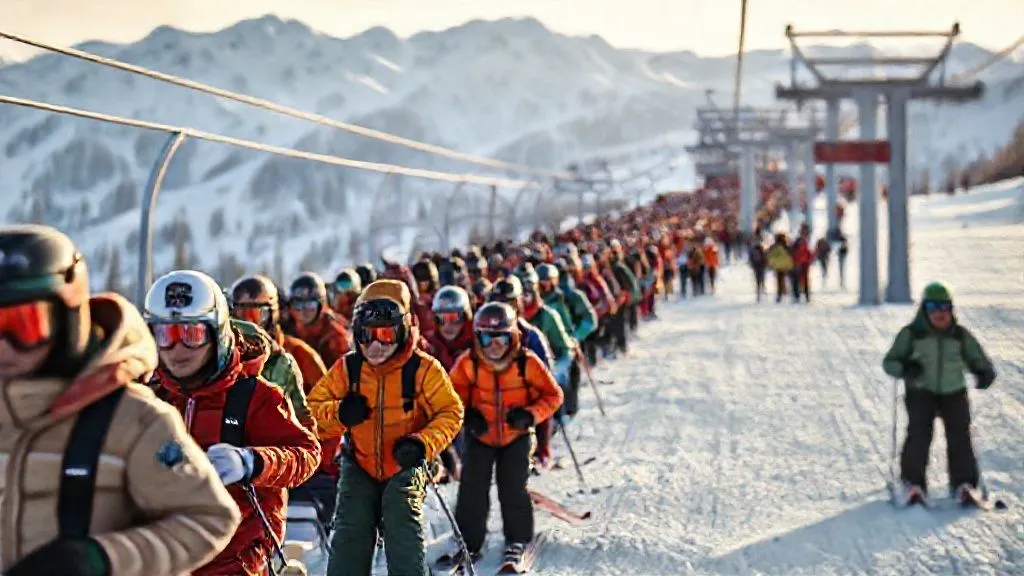
For over two decades in the winter sports industry, I've witnessed firsthand the exhilarating chaos and the frustrating standstill that defines peak season at our most beloved ski resorts. There's nothing quite like the collective groan of hundreds of eager skiers staring up at a motionless lift or shuffling through a seemingly endless queue.
This isn't just an inconvenience; it's a critical challenge impacting guest satisfaction, repeat visits, and ultimately, a resort's bottom line. The promise of fresh powder quickly fades when you spend more time in line than on the slopes, turning a dream vacation into a test of patience.
Today, I'm sharing the culmination of my experience and insights into how to maximize ski lift efficiency during peak season bottlenecks. We'll delve into actionable frameworks, cutting-edge technologies, and operational shifts that not only reduce wait times but also enhance the overall skier experience, transforming those frustrating queues into smooth, enjoyable transitions.
Understanding the Anatomy of a Bottleneck
Before we can optimize, we must diagnose. A bottleneck isn't merely a long line; it's a point of constriction within a system, where demand outstrips capacity, causing a backup. In the context of ski resorts, these chokepoints can manifest in various forms, from the initial ticket purchase to specific lift loading areas.
Identifying Key Chokepoints
I've seen this mistake countless times: resorts focus solely on the most visible long line, often neglecting the upstream or downstream issues that contribute to it. A comprehensive analysis involves mapping the entire skier journey from parking lot to the top of the mountain.
- Ticketing & Entry Gates: Slow processing, outdated systems, or insufficient staff can create initial delays.
- Lift Loading Zones: Inefficient loading procedures, untrained staff, or skiers unfamiliar with lift protocols are common culprits.
- Specific Lift Capacities: Older, slower lifts or those serving popular terrain naturally become pinch points.
- Intersections & Merge Points: Areas where multiple runs converge can overwhelm lift access points.
- Weather & Snow Conditions: Unexpected changes can shift skier traffic patterns, creating new bottlenecks.
The real challenge isn't just the crowd; it's the lack of dynamic response to its flow, often compounded by a failure to identify the root cause beyond the obvious queue.
Understanding these dynamics is the first crucial step toward developing targeted solutions. It requires an objective, data-driven approach rather than relying solely on anecdotal observations during peak times.
Leveraging Data Analytics for Predictive Flow Management
In my experience, the most successful resorts don't just react to crowds; they anticipate them. This proactive approach is entirely dependent on robust data collection and sophisticated analytics. It's about turning raw numbers into actionable intelligence.
Real-time Monitoring & Historical Data Analysis
Modern resorts have an array of tools at their disposal to collect data. This includes RFID gate scans, POS data, weather forecasts, and even anonymized Wi-Fi tracking. The key is to integrate these disparate data streams into a unified dashboard.
- Collect Comprehensive Data: Track lift usage by time of day, day of week, and specific weather conditions. Record ticketing trends, lesson bookings, and parking lot occupancy.
- Identify Patterns & Predict Peaks: Use historical data to build predictive models for future peak periods. Machine learning algorithms can identify subtle patterns human observation might miss.
- Monitor Real-time Conditions: Deploy sensors and cameras at key chokepoints to provide live feedback on queue lengths and skier flow.
- Visualize Data Clearly: Present complex data in easily digestible dashboards for operational staff.
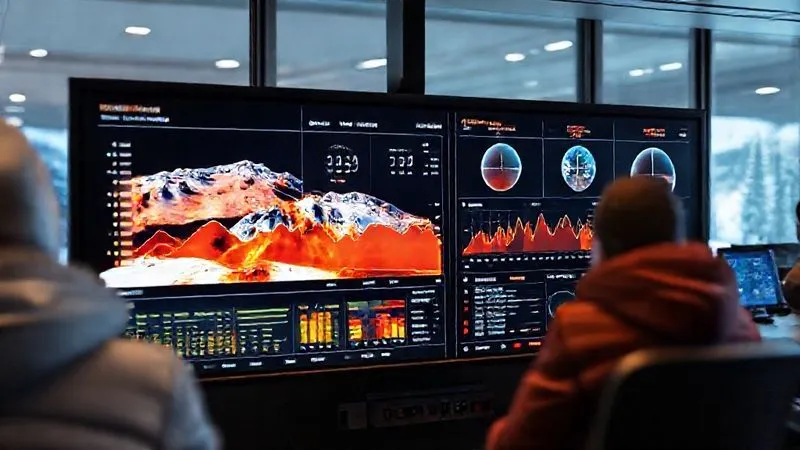
This predictive power allows management to pre-emptively deploy resources, open additional lanes, or even adjust lift schedules before a bottleneck fully forms. It's about moving from a reactive stance to a truly proactive one.
| Metric | Peak Season (Current) | Target (Optimized) |
|---|---|---|
| Average Wait Time (Min) | 18 | 7 |
| Lift Throughput (skiers/hr) | 1200 | 1800 |
| Skier Satisfaction (0-10) | 6.5 | 8.5 |
| Operational Cost/Skier | $2.10 | $1.85 |
Case Study: How Alpine Peaks Resort Slashed Wait Times
Alpine Peaks, a mid-sized resort, faced chronic 20-30 minute waits at their main gondola during holiday periods. By implementing a data analytics platform that integrated RFID gate scans, weather forecasts, and historical booking data, they developed a predictive model. This allowed them to anticipate peak periods with 90% accuracy, enabling them to pre-deploy additional lift attendants and open express lanes 30 minutes before the predicted surge. This resulted in a 40% reduction in average wait times at the gondola and a noticeable uplift in guest satisfaction scores.
Smart Queue Management & Physical Infrastructure Tweaks
While data provides the intelligence, the physical environment and operational procedures are where the rubber meets the snow. Even with perfect predictions, inefficient loading or poorly designed queues will negate your efforts. I've found that small, smart adjustments can yield massive returns.
Optimizing Lift Loading Procedures
The moment skiers enter the loading area is critical. Speed and efficiency here directly impact throughput. It's about creating a seamless, intuitive flow.
- Clear Signage: Use highly visible, unambiguous signs for single riders, groups, and specific lift lines.
- Staggered Entry: Implement methods to ensure skiers approach the loading point in an organized, staggered fashion, preventing last-second rushes.
- Dedicated Lane for Singles: A well-managed singles line can significantly fill empty seats, boosting overall capacity.
- Training Lift Attendants: Empower attendants to guide skiers, ensure proper spacing, and quickly resolve loading issues.
Rethinking Lift Line Layouts
The physical design of the queue itself profoundly influences flow and perceived wait times. A well-designed maze, for instance, can feel shorter than a straight line of the same length.
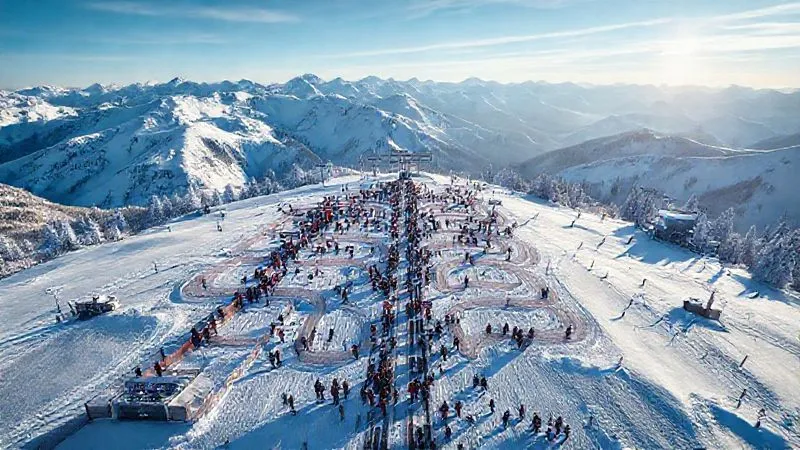
I advocate for flexible queue designs that can be expanded or contracted based on real-time demand. Movable barriers, clear entry and exit points, and even overhead screens displaying estimated wait times can make a significant difference.
Sometimes, the simplest physical adjustments – like a well-placed barrier or a clearer instruction – yield the most significant gains in flow and perceived efficiency. It's about human psychology as much as engineering.
Empowering Staff with Training & Dynamic Deployment
No amount of technology or clever design can fully compensate for a disengaged or inadequately trained staff. Your lift attendants are the frontline ambassadors of efficiency and guest experience. Their role is far more critical than simply checking passes.
The Role of Lift Attendants as Flow Facilitators
In my years, I've seen exceptional lift attendants transform chaotic lines into orderly flows with calm authority and clear communication. They need to be trained not just on safety, but on crowd psychology, efficient loading techniques, and proactive problem-solving.
Their responsibilities extend to:
- Active Guidance: Directing skiers to the shortest lines, filling gaps, and managing group sizes.
- Communication: Clearly explaining procedures, estimated wait times, and alternative routes.
- Problem Resolution: Quickly addressing fallen skiers, equipment issues, or confusion at the loading gate.
- Positive Reinforcement: A friendly greeting or encouraging word can significantly improve guest mood during a wait.
Cross-Training & Real-time Resource Allocation
Peak season demands flexibility. Cross-training staff from other departments (e.g., ski patrol, guest services) to assist with lift operations during surges can be incredibly effective. Moreover, using real-time data to dynamically deploy staff to areas experiencing unexpected bottlenecks ensures resources are always where they're needed most.
This requires a centralized command center that monitors all operational aspects and can communicate rapidly with on-mountain teams. For more insights on dynamic staffing, consider reading this article on managing team energy and deployment from Harvard Business Review.
Implementing Technology for Seamless Guest Experience
Technology isn't just a silver bullet; it's the nervous system of a modern, efficient ski resort. From the moment a guest considers their trip to their final run, technology can streamline every interaction, directly impacting how to maximize ski lift efficiency during peak season bottlenecks.
RFID & Mobile Ticketing Systems
Eliminate the bottleneck at the ticket window. RFID-enabled passes allow for hands-free access, significantly speeding up entry gates. Mobile apps for purchasing, reloading, and even storing passes remove the need for physical interaction altogether, allowing guests to go straight to the lift.
Dynamic Signage & Information Displays
Digital screens throughout the resort, at lift entrances, and on mobile apps can provide real-time information on:
- Lift Status: Open/closed, estimated wait times.
- Trail Conditions: Groomed, powder, closures.
- Alternative Routes: Suggesting less crowded lifts or runs.
- Weather Updates: Crucial for planning and safety.
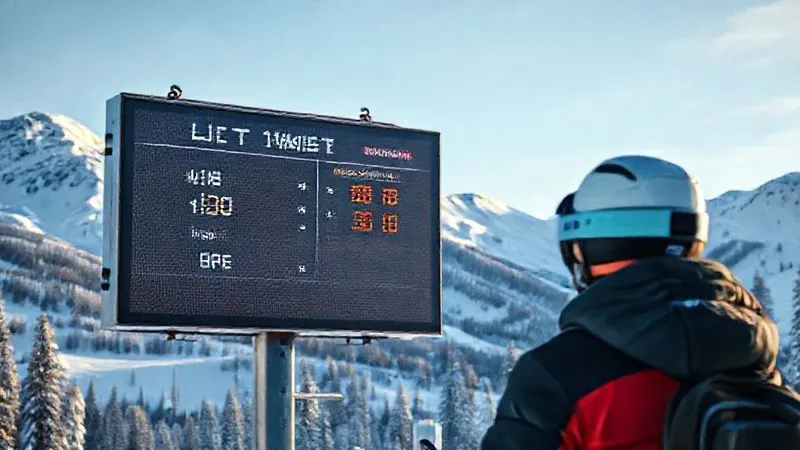
This empowers skiers to make informed decisions, naturally distributing crowds and reducing congestion at popular lifts.
Virtual Queuing & Reservation Systems
For particularly popular lifts or during extreme peak periods, consider implementing virtual queuing. Guests can 'join' a line via their mobile app, receiving a notification when it's their turn to approach the physical queue. This eliminates endless standing and allows guests to enjoy other amenities while waiting. Some resorts have even experimented with reservation systems for specific time slots, further distributing demand.
Strategic Pricing & Demand Shaping
One of the most powerful, albeit sometimes controversial, tools in a resort's arsenal is pricing. By strategically adjusting ticket prices, resorts can actively influence skier behavior and distribute demand more evenly throughout the day and week.
Variable Pricing Models
This involves charging different prices based on demand. Peak days (weekends, holidays) and peak times can command higher prices, while off-peak periods offer discounts. This incentivizes skiers with flexible schedules to visit during quieter times, easing congestion when it's most severe.
Consider the airline industry's approach to dynamic pricing; ski resorts can learn much from these models. For an in-depth look at dynamic pricing strategies, check out this Forbes article on leveraging dynamic pricing for maximum revenue.
Incentivizing Off-Peak Skiing
Beyond just lower prices, resorts can offer specific perks for off-peak visitors:
- "Early Bird" Specials: Discounts for those who hit the slopes right at opening.
- "Twilight" Passes: Reduced rates for afternoon/evening skiing.
- Mid-Week Packages: Bundled deals for lodging and lift tickets during less crowded weekdays.
- Loyalty Programs: Rewards for frequent off-peak visitors.
By making off-peak skiing more attractive, resorts can effectively smooth out demand curves, transforming how to maximize ski lift efficiency during peak season bottlenecks into a more manageable, balanced operation.
Enhancing Guest Communication & Expectations Management
Even with the best systems in place, some wait times are inevitable during true peak periods. The key then becomes managing guest expectations and providing clear, proactive communication. A well-informed guest is a more patient and understanding guest.
Pre-Arrival Information & Real-time Updates
Long before guests arrive, provide comprehensive information on expected crowd levels, best times to ski, and tips for avoiding lines. This can be done via:
- Website & Social Media: Dedicated sections for operational updates.
- Email Newsletters: Proactive alerts to ticket holders.
- Mobile App: Push notifications for real-time lift status and wait times.

When guests know what to expect, they can plan their day accordingly, choosing less crowded lifts or taking a coffee break during peak congestion. This level of transparency builds incredible trust.
On-Mountain Communication Channels
Once on the mountain, continue to provide updates through:
- Digital Signage: As discussed, for real-time lift information.
- Lift Attendants: Empower them with the latest information to share verbally.
- Resort Radio/App: Broadcast updates or make them available on demand.
Transparency builds trust, and trust reduces frustration during unavoidable waits. It's not just about avoiding lines, but about making the wait, however brief, a less negative experience through clear, honest communication.
Continuous Improvement: The Cycle of Optimization
Maximizing ski lift efficiency isn't a one-time fix; it's an ongoing commitment to improvement. The dynamic nature of weather, skier preferences, and technology means that what works today may need adjustment tomorrow. I always advocate for a structured approach to continuous optimization.
Post-Season Review & Feedback Loops
Once the snow melts, the real work begins. Conduct a thorough post-season review, analyzing all the data collected throughout the winter. Gather feedback from staff, management, and most importantly, guests. Surveys, focus groups, and online reviews are invaluable sources of insight.
Identify what worked, what didn't, and why. Look for recurring patterns in complaints or praises. This analysis forms the foundation for next season's operational plan, ensuring that every year builds upon the last.
Pilot Programs & A/B Testing
Before implementing large-scale changes, consider pilot programs. Test new queue layouts, staffing strategies, or technology solutions on a smaller scale. A/B testing different approaches can provide empirical evidence of their effectiveness without disrupting the entire operation.
This iterative approach, often referred to as Kaizen, allows for incremental yet significant improvements over time. For more on the principles of continuous improvement, explore resources like ASQ's guide to Continuous Improvement.
Embracing this cycle ensures that your resort remains agile, responsive, and consistently dedicated to providing the best possible experience for every skier, every season.
Frequently Asked Questions (FAQ)
Q: Is it possible to completely eliminate ski lift wait times during peak season? While complete elimination is highly improbable for major resorts during absolute peak periods, significant reduction is absolutely achievable. The goal is to manage expectations and minimize the 'feel' of the wait through efficiency, communication, and alternative activities, ensuring wait times are consistently below a frustrating threshold.
Q: What's the most cost-effective solution for a smaller resort with limited budget? For smaller resorts, focus on optimizing existing infrastructure and staff training. Implementing clearer signage, refining loading procedures, cross-training staff, and leveraging basic historical data for predictive staffing are highly cost-effective strategies. Even a simple guest communication plan via social media can make a big difference.
Q: How can resorts encourage skiers to use less popular lifts or terrain? Beyond dynamic pricing, resorts can use real-time digital signage to highlight shorter wait times at alternative lifts. Offering incentives like 'hidden gem' trails accessible only from less-used lifts, or even running themed events in quieter areas, can effectively redistribute crowds. Gamification through mobile apps can also encourage exploration.
Q: Are virtual queuing systems truly effective, or do they just shift the problem? Virtual queuing systems, when implemented correctly, can be highly effective. They don't eliminate the wait, but they transform it from standing in a physical line to waiting remotely, allowing guests to do other things. The key is precise time slot management and clear communication to avoid new bottlenecks at the virtual queue's physical entry point. It's about optimizing the 'wait experience.'
Q: How important is staff morale in managing peak season bottlenecks? Extremely important. High staff morale translates directly to better guest interaction, more proactive problem-solving, and greater efficiency. Investing in staff training, fair compensation, adequate breaks, and fostering a supportive work environment ensures your frontline team is motivated to be your best asset in managing crowds and enhancing the guest experience.
Key Takeaways and Final Thoughts
Maximizing ski lift efficiency during peak season bottlenecks is a multifaceted challenge, but one that is entirely surmountable with a strategic, integrated approach. From my years in this industry, I've seen the transformative power of focusing on the skier's journey, from the moment they arrive to their final descent.
- Embrace Data: Use analytics to predict and proactively manage crowds.
- Optimize Operations: Refine physical queue layouts and lift loading procedures.
- Empower Staff: Invest in training and dynamic deployment of your frontline team.
- Leverage Technology: Implement smart ticketing, dynamic signage, and virtual queues.
- Shape Demand: Utilize strategic pricing and incentives for off-peak skiing.
- Communicate Clearly: Manage expectations with transparent, real-time information.
- Commit to Continuous Improvement: Treat efficiency as an ongoing process, not a one-time fix.
By weaving these strategies together, ski resorts can move beyond simply coping with peak season crowds to actively shaping an exceptional, fluid, and enjoyable experience for every single guest. The slopes are calling, and with these insights, you can help ensure that more time is spent skiing and less time waiting, enhancing the very essence of the winter sports experience for everyone.
Recommended Reading
- Secure Your Sleep: Top Tips for Safe Overnight Rest Stop Parking
- Wellness Travel for Stress: Your Ultimate Unwinding Guide
- Unlock Serenity: The Secret to Finding Quiet Festival Camping Spots
- Unlock Your Weightless Dream: The Ultimate Guide to Zero Gravity Flight Preparation
- The Secret to Saving Fuel on Extended Cross-Country Drives Revealed!





Your email address will not be published. Required fields are marked *