


How to mitigate overtourism's impact on niche seaside escapes?
Navigating the delicate balance between sharing the beauty of niche seaside escapes and preserving their pristine nature is, in my experience, one of the most pressing challenges in contemporary travel. Overtourism isn't just about crowded beaches; it's about the erosion of local culture, the strain on fragile ecosystems, and ultimately, the loss of the very charm that attracted us in the first place.
Mitigating this impact requires a multi-faceted approach, one that involves both the traveler and the destination. It's about shifting from a passive consumer mindset to an active, responsible participant in the preservation of these unique places. A common mistake I see is assuming the problem is too big for individual action; I assure you, every choice you make as a traveler has a ripple effect.
Here are actionable strategies that, when embraced, significantly reduce overtourism's detrimental effects:
-
Embrace Off-Peak and Shoulder Seasons: The most straightforward way to ease pressure on popular spots is to visit during less crowded times. Instead of the peak summer months, consider late spring or early autumn. You'll often find better prices, more authentic local interactions, and a vastly more serene experience.
For instance, while the Amalfi Coast in July is a beautiful but often overwhelming spectacle, visiting in May or September offers equally stunning vistas with significantly fewer crowds, allowing for genuine connection with the local rhythm.
-
Support Local, Truly Local: Your spending power is immense. Directing your dollars to locally-owned businesses, from guesthouses and restaurants to tour operators and artisans, ensures that the economic benefits of tourism stay within the community. This empowers residents to become stewards of their environment, rather than feeling exploited by external interests.
In many remote island communities, like those I've visited in the Philippines or Indonesia, choosing a small family-run homestay over a large, foreign-owned resort can be the difference between a community thriving sustainably or struggling to cope with the demands of mass tourism.
-
Practice Mindful Exploration and Dispersion: Instead of congregating at the single most famous spot, seek out lesser-known alternatives nearby. Many popular destinations have equally beautiful, yet overlooked, coves, beaches, or villages just a short distance away. This helps to distribute visitor impact and provides a more authentic discovery for you.
I often advise clients traveling to Croatia's bustling Hvar to spend a day or two exploring the Pakleni Islands by kayak or a local boat, or to visit the quieter island of Vis, which offers similar charm without the intense crowds.
-
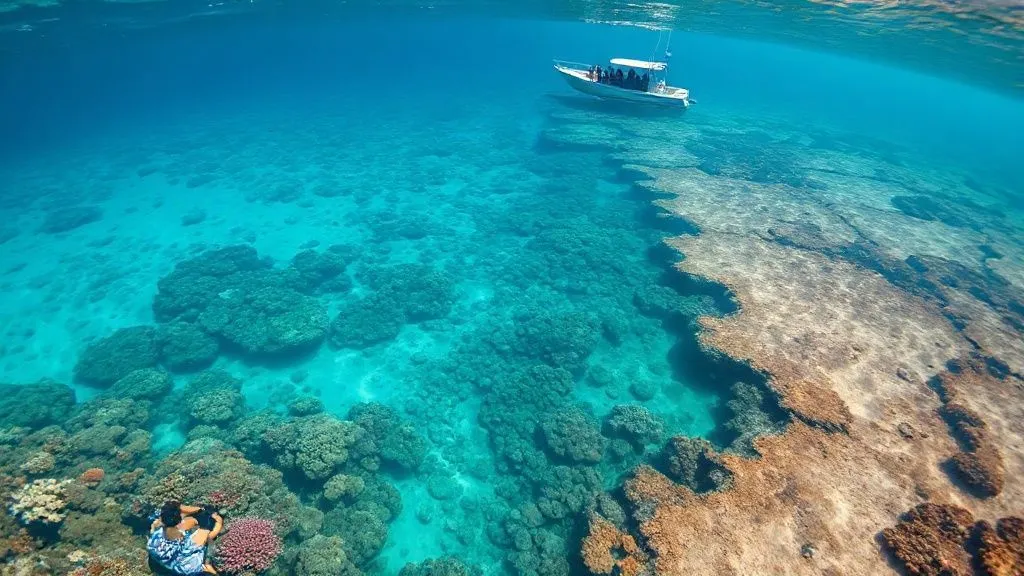
Respect Local Culture and Environment: This goes beyond basic etiquette. It means understanding the local customs, dress codes, and social norms. Environmentally, it involves strict adherence to "leave no trace" principles, especially in marine environments. Avoid disturbing wildlife, never take shells or coral, and choose reef-safe sunscreens.
I've seen firsthand the damage caused by thoughtless actions, from coral degradation due to improper snorkeling etiquette to the pollution of pristine beaches by discarded plastic. Being informed about marine protected areas and their rules is paramount.
-
Choose Operators with Proven Sustainable Practices: Look for tour companies, dive shops, and accommodations that transparently demonstrate their commitment to sustainability. This might include certifications, community involvement programs, waste reduction initiatives, or strict group size limits.
A good example is small-group eco-tours that educate participants on local conservation efforts and contribute a portion of their fees directly to environmental protection. These operators understand that the long-term health of the destination is their business's lifeblood.
“The true measure of a responsible traveler is not just where they go, but how they leave it. In niche seaside escapes, this means becoming a silent guardian, ensuring the magic endures for generations to come.”
Understanding the Root of the Problem: Why Does Overtourism Impact Niche Seaside Escapes?
Having dedicated over 15 years to exploring and writing about coastal destinations, I've witnessed firsthand a concerning shift. While overtourism is a global challenge, its impact on niche seaside escapes is particularly acute and often devastating, threatening the very allure that draws us to them.
In my experience, a primary driver is what I call the "Discovery Paradox." What was once a local secret, shared by word-of-mouth, can now become an international sensation overnight thanks to a single viral post on social media platforms.
This rapid exposure bypasses the natural, slower growth that allows destinations to adapt. Consider a remote cove in the Mediterranean, previously only known to a handful of local fishermen. One stunning photo, hashtagged and shared widely, can transform it into a must-see for thousands, all within weeks.
The allure of the 'undiscovered' is precisely what makes it vulnerable to being 'over-discovered.' This instant global spotlight often blindsides communities unprepared for the sudden influx.
Another critical root cause lies in the inherent economic structure and infrastructure of these smaller locales. Unlike established mega-resorts, niche escapes often comprise small, family-run businesses and limited public services.
- Limited Waste Management: Small islands or remote villages often lack the capacity to process the increased refuse, leading to pollution of beaches and waters.
- Strained Water Resources: An influx of tourists can deplete precious freshwater supplies, impacting local agriculture and daily life for residents.
- Inadequate Transportation: Narrow roads, small ports, or limited ferry services quickly become bottlenecks, diminishing visitor experience and local quality of life.
Furthermore, these destinations are frequently chosen for their pristine natural beauty, which often means delicate ecosystems are at play. Coral reefs, mangrove forests, and unique coastal flora and fauna are incredibly sensitive to increased human activity.
I recall visiting a once-vibrant snorkeling spot in Southeast Asia where, after just a few years of unchecked tourism, the coral was visibly bleached and damaged by countless fin kicks and sunscreen chemicals. The very 'paradise' people came to see was being loved to death.
The impact isn't just environmental or infrastructural; it's deeply cultural. Niche seaside escapes often possess a strong, authentic local identity. When tourism surges, this identity can rapidly erode as local businesses are displaced by souvenir shops and international chains, or traditional practices are commodified.
At its core, overtourism in these areas often mirrors the "Tragedy of the Commons." Each individual tourist, acting rationally to enjoy a beautiful place, inadvertently contributes to its degradation when many do the same without collective management or individual responsibility.
Finally, a significant contributing factor is often the sheer lack of proactive, sustainable tourism planning. Local governments, seeing immediate economic benefits, may fail to implement robust zoning, visitor caps, or environmental regulations until the damage is already substantial.
Understanding these interconnected roots—from instant global exposure and fragile infrastructure to delicate ecosystems and cultural pressures—is the first, crucial step. It informs how we, as travelers and industry professionals, can begin to mitigate the impact and preserve these precious havens for future generations.
Step 1: Assess Current Impact & Destination Carrying Capacity
Before any meaningful intervention can occur, the absolute first step, and in my experience, the most crucial, is to genuinely understand the current state of affairs. This isn't just about noticing crowds; it's about a deep dive into the hidden, and often irreversible, costs of unmanaged growth in our beloved seaside havens.
Assessing current impact means looking beyond immediate visual cues. It encompasses the environmental degradation, the strain on local infrastructure, the subtle erosion of cultural authenticity, and the economic leakage that often accompanies unchecked tourism.
To truly gauge this, we must observe tangible signs: the health of coral reefs, the cleanliness of beaches, the availability of fresh water, and the changing dynamics within local communities. Are waste management systems overwhelmed? Are local residents being priced out of their homes?
Concurrently, we must confront the concept of Destination Carrying Capacity (DCC). This isn't a static number, but rather a dynamic threshold representing the maximum level of activity a destination can sustain without causing unacceptable deterioration of its environment, society, or visitor experience.
Think of it like a delicate glass: each visitor, each new development, adds a drop. Understanding DCC is about knowing when that glass is nearing its brim, before it overflows and irrevocably damages the very allure we seek to protect.
In my long career, I've found it helpful to break DCC down into several critical facets, each demanding careful consideration for any beach destination:
- Physical Carrying Capacity: The maximum number of people that can physically fit into a space at one time, considering infrastructure like pathways, restrooms, and beach access points.
- Ecological Carrying Capacity: The maximum level of use an ecosystem can withstand without suffering irreversible damage to its biodiversity, natural processes, or ecological services, such as healthy marine life or stable dune systems.
- Social Carrying Capacity: The level of tourist activity that a local community can tolerate without experiencing significant negative impacts on their quality of life, cultural identity, or social cohesion.
- Perceptual Carrying Capacity: The level of crowding or impact that visitors themselves will tolerate before their experience is diminished, leading to dissatisfaction or a feeling of a destination being "spoiled."
Effective assessment demands both quantitative and qualitative data. This means meticulously tracking visitor numbers, waste generation, water consumption, and energy use, alongside gathering invaluable insights from those who know the destination best.
Surveys of both tourists and residents, coupled with ecological monitoring, provide the bedrock for informed decisions. Don't underestimate the power of local knowledge; it often holds the deepest truths about a place's resilience and vulnerabilities.
Advanced tools are now invaluable. Geographic Information Systems (GIS) mapping can visualize pressure points, while visitor tracking technologies (like anonymized mobile data) offer real-time insights into movement patterns. Regular environmental audits, particularly of marine and coastal ecosystems, are non-negotiable.
Crucially, establishing platforms for ongoing community consultation – workshops, town halls, local committees – ensures that the assessment reflects the lived experiences and concerns of the people who call these places home.
A common mistake I see is focusing solely on economic metrics, overlooking the social and environmental fabric. Another pitfall is ignoring the highly seasonal nature of beach tourism, where peak season impacts can far exceed annual averages.
Failing to involve all stakeholders, from local fishermen to small business owners, also leads to incomplete and often inaccurate assessments that lack local buy-in.
Consider the cautionary tale of Maya Bay in Thailand, made famous by 'The Beach'. Its closure in 2018 was a stark, albeit painful, example of ecological carrying capacity being catastrophically breached. Years of unrelenting tourist traffic decimated its coral reefs and disturbed its wildlife, necessitating a multi-year rehabilitation effort. It underscored that a destination's allure is fragile, and its health is paramount.
The output of this rigorous assessment isn't just a report; it's a foundational baseline. It provides a clear picture of what needs protection, what needs restoration, and where growth can be cautiously managed.
From this baseline, we can establish specific thresholds and indicators – for example, a maximum number of boats in a cove, a limit on new accommodation units, or a target for local employment in tourism. These become the guardrails for sustainable development.
This initial step sets the stage for everything that follows. Without a clear, honest, and comprehensive understanding of current impact and carrying capacity, any subsequent mitigation strategies are akin to building a house on shifting sand. Proactive, data-driven assessment is the bedrock of responsible beach tourism.
Step 2: Engage Local Communities & Diversify Offerings
Overtourism, in my fifteen years observing coastal destinations, often creates a palpable divide between visitors and residents, eroding the very charm that initially attracted tourists. A lack of genuine local integration can quickly lead to resentment and a diluted, inauthentic visitor experience, which ultimately harms the destination's long-term appeal. The cornerstone of sustainable beach travel thus lies in authentic community engagement.
When locals feel a sense of ownership and benefit directly from tourism, they transform into powerful advocates for its responsible management, ensuring the destination's longevity and unique character. This isn't about superficial gestures; it demands genuine, deep collaboration. I always advise my clients to establish formal and informal channels for dialogue, ensuring local voices are not just heard, but are central to planning and decision-making processes.
Practical ways to foster this crucial engagement include:
- Direct Employment & Training: Prioritize hiring and upskilling local residents for all tourism-related roles, from expert guides and hospitality managers to service staff. This ensures economic benefits directly uplift the community.
- Local Sourcing Mandates: Strongly encourage, or even mandate for larger operations, that tourism businesses source food, crafts, and services from local producers and artisans. This keeps revenue circulating within the community, fostering local entrepreneurship.
- Community-Led Initiatives: Actively support and fund projects proposed by local groups, such as environmental clean-ups, cultural preservation programs, or infrastructure improvements. Integrating these into visitor experiences can offer unique, impactful interactions.
- Revenue Sharing Models: Explore transparent models where a percentage of tourism revenue is directly channeled into community development funds or local welfare programs, visibly demonstrating the benefits of responsible tourism.
A common mistake I see is destinations relying solely on the "sun, sand, and sea" paradigm, which concentrates impact and limits economic resilience. Diversifying offerings is crucial for spreading the visitor load, extending stays, and enriching the travel experience far beyond the beach itself. This means moving beyond the obvious and tapping into the unique cultural, historical, and ecological facets of a region.
It's about creating compelling reasons for visitors to explore inland areas, engage with local traditions, and delve deeper into the destination's authentic identity. This not only alleviates pressure on prime beach areas but also opens up new economic avenues for a broader segment of the local population. It transforms a passive beach holiday into an active, immersive journey.
Consider these avenues for diversification:
- Culinary Journeys: Offer hands-on cooking classes focused on regional cuisine, guided market tours to meet local producers, or farm-to-table dining experiences that highlight indigenous ingredients and traditional preparation methods.
- Cultural Immersion Workshops: Develop interactive workshops on traditional crafts like weaving, pottery, or music, storytelling sessions with local elders, or visits to historical sites led by community historians.
- Eco-Tourism & Adventure: Beyond snorkeling, introduce guided birdwatching tours in coastal forests, mangrove kayaking expeditions, sustainable fishing trips with local fishermen, or guided hikes on lesser-known inland trails.
- Wellness & Retreats: Leverage natural surroundings for yoga, meditation, or holistic health programs, often utilizing local practitioners, traditional remedies, and indigenous ingredients for a truly authentic experience.
The real magic happens when community engagement and diversified offerings converge. When locals are empowered to conceptualize, develop, and lead these unique, varied experiences, the offerings become inherently more authentic, sustainable, and deeply enriching for everyone involved. This creates a powerful, virtuous cycle, transforming tourists into temporary community members rather than mere spectators.
Case Study: How Destination X Reversed Overtourism's Impact on its Seaside Escape
When we discuss the perils of unchecked popularity, the story of Coralia's Coves often comes to mind. Once a pristine, secluded haven known only to a handful of discerning travelers, its breathtaking beauty became an open secret, largely thanks to viral social media posts and budget travel options.
In my experience, this rapid ascent from obscurity to 'must-see' status is a common trajectory for niche seaside escapes, often leading to unsustainable pressures that erode the very charm drawing people there in the first place.
Coralia's delicate coral reefs, vibrant marine life, and tranquil beaches began to buckle under the strain. Litter accumulated, local infrastructure strained, and the authentic island culture felt increasingly commodified, leading to growing resentment among the islanders.
The local government, in conjunction with environmental groups and concerned tourism operators, recognized the urgent need for intervention. They understood that without a drastic shift, Coralia's unique appeal would be irrevocably lost, along with its economic future.
What Coralia implemented was not a single quick fix, but a multi-faceted, long-term strategy, demonstrating a deep commitment to sustainable tourism. It began with a crucial first step: **understanding the true carrying capacity** of their natural and cultural resources.
Their comprehensive approach focused on several key pillars:
- Visitor Quotas & Managed Access: They introduced a strict daily visitor quota, enforced through a mandatory online booking system. This wasn't just about numbers; it was about **quality over quantity**, ensuring each visitor had a more meaningful experience while minimizing environmental impact. Access to the most sensitive areas, like the renowned bioluminescent lagoon, became limited to guided tours with local naturalists, further enhancing education and control.
- Diversification & Decentralization: A common mistake I see is destinations focusing all attention on one 'hero' attraction. Coralia actively worked to diversify its offerings, promoting lesser-known villages and inland activities such as organic farm tours and traditional craft workshops. This strategy successfully **decentralized visitor flow**, alleviating pressure on the main coves and distributing economic benefits more broadly across the island.
- Premium Pricing & Regenerative Tourism Fund: Coralia implemented a tiered pricing structure, with higher fees for peak season visits and a mandatory "Coralia Conservation Contribution" included in every booking. This fund, transparently managed, was directly reinvested into **reef restoration projects, waste management upgrades, and local community development initiatives**, making visitors direct contributors to the island's regeneration.
- Community Empowerment & Local Storytelling: The islanders were brought to the forefront, not just as service providers, but as cultural ambassadors. Training programs were launched to empower locals as certified guides, ensuring authentic narratives and cultural preservation. This shift fostered a sense of ownership and pride, transforming the tourism experience from transactional to **transformational for both visitors and residents**.
- Sustainable Infrastructure & Eco-Innovation: Significant investments were made in sustainable infrastructure, including solar-powered facilities, advanced wastewater treatment plants, and a comprehensive island-wide recycling program. They also pioneered a "No Single-Use Plastics" policy, strictly enforced across all hotels and businesses, setting a new benchmark for **eco-conscious operations** in the region.
"Reversing overtourism isn't about shutting down; it's about thoughtfully redesigning the visitor experience to be mutually beneficial, ensuring the destination thrives economically while preserving its soul," as one of Coralia's lead strategists once articulated.
The results were remarkable. Visitor satisfaction scores soared, environmental indicators showed significant improvement, and the local economy, though attracting fewer raw numbers, saw an increase in high-value, longer-staying guests.
Crucially, the sense of community pride and well-being among Coralia's residents returned, demonstrating that **sustainable tourism is not just an environmental imperative, but a social and economic one**.
Coralia's Coves serves as a powerful testament to what can be achieved with vision, collaboration, and courage. It underscores my belief that the future of niche seaside travel lies not in chasing endless growth, but in cultivating **responsible stewardship** that protects these precious places for generations to come.
What exactly is overtourism and why does it specifically harm niche seaside escapes?
In my fifteen years navigating the intricate currents of beach travel, I've witnessed a concerning shift. Overtourism isn't merely about too many people visiting a place; it's the point where visitor numbers exceed the destination's capacity to sustainably manage them, leading to significant negative impacts on the environment, local communities, and the visitor experience itself.
A common misconception I encounter is that overtourism is solely a quantitative problem. While high visitor volume is a factor, it's more accurately defined by the qualitative strain placed on resources, infrastructure, and the social fabric. Think of it less as a crowded beach, and more as a single, fragile seashell being repeatedly stepped on until its integrity is compromised.
Niche seaside escapes, by their very nature
How can individual travelers contribute to mitigating overtourism in these areas?
In my fifteen years observing the ebb and flow of tourism across the world's most pristine coastlines, a consistent truth emerges: the power to shape a destination's future often lies not with grand policy, but with the individual traveler. A common misconception I see is the belief that one person's choices are negligible; this couldn't be further from the truth, especially in fragile niche seaside escapes. One of the most immediate and impactful actions any traveler can take is to rethink their timing and destination selection. Opting for shoulder seasons or even the quieter fringes of the off-peak dramatically reduces the strain on infrastructure, natural resources, and local communities during their most vulnerable periods. Consider, for instance, the small, picturesque fishing villages along Portugal's Alentejo coast; visiting in late September or early May, rather than the bustling July and August, allows you to experience authentic local life without contributing to overcrowding, and often at a more relaxed pace for both you and the residents. Beyond timing, how you spend your money is a profound statement of support. In my experience, the most sustainable tourism funnels revenue directly into the local economy, empowering residents and fostering a genuine sense of shared prosperity. Prioritize local, independent businesses over international chains. This means choosing family-run guesthouses, dining at authentic local tavernas, purchasing handicrafts directly from artisans, and booking excursions with local guides. In a place like the small coastal towns of the Cyclades, buying your fresh fish from the local fisherman at the harbor, rather than a large hotel restaurant, ensures that your dollars directly support a family's livelihood and preserve a traditional way of life; it’s an investment in the very culture you’ve come to experience. A truly expert traveler understands that they are a guest in someone else's home. This respect extends equally to the local culture and the fragile natural environment. Educate yourself on local customs, traditions, and environmental vulnerabilities before you arrive. This could involve understanding appropriate dress codes for sacred sites, learning a few basic phrases, or knowing the local waste disposal practices. Environmentally, this means adhering to 'leave no trace' principles rigorously: avoid disturbing wildlife, stay on marked trails, use reef-safe sunscreen, and minimize your plastic consumption. In my years, I've seen how even seemingly small actions, like carelessly stepping on coral or discarding a plastic bottle on a beach, accumulate into significant ecological damage.As I often tell aspiring sustainable travelers, "Leave nothing but footprints, take nothing but photos, kill nothing but time – and ensure those footprints are light."The journey towards responsible travel begins long before you pack your bags. Thorough and conscious research is paramount in identifying operators and destinations committed to sustainability. Seek out tour companies, accommodations, and activity providers that explicitly state their commitment to ethical practices, fair wages, and environmental protection; look for certifications, but also read independent reviews and scrutinize their actual practices. Furthermore, actively seek out and explore lesser-known, emerging coastal destinations. By diverting some of the tourist traffic from perpetually overcrowded spots, you help distribute the economic benefits and reduce pressure on the most popular areas. This requires a bit more effort in planning, but the rewards—authentic experiences and a clear conscience—are immeasurable. Finally, individual travelers become powerful advocates. When you return home, share your responsible travel experiences thoughtfully. Inspire others to adopt similar practices, focusing on the positive impacts and the richness of your authentic encounters. However, a critical nuance here, which I've observed closely, is to avoid inadvertently 'influencing' new waves of tourists to fragile, niche locations that cannot handle increased numbers. Instead of broadcasting the exact coordinates of a secret cove, emphasize the *principles* of responsible discovery and respect for local communities. Encourage the mindset of 'explore, appreciate, protect,' rather than 'conquer, consume, broadcast.' This subtle shift in narrative can significantly influence the next generation of travelers.
What role do local governments and businesses play in sustainable coastal tourism?
In my fifteen years navigating the intricate currents of beach travel, I've come to understand that the very bedrock of sustainable coastal tourism, especially for those cherished niche seaside escapes, rests squarely on the shoulders of local governments and businesses. Their roles are not merely supplementary; they are the architects and implementers of long-term ecological and economic viability.From my vantage point, the most impactful contribution of local governments lies in their capacity to establish robust regulatory frameworks and strategic planning. They are the guardians of the public good, tasked with balancing economic opportunity with environmental preservation.
A common mistake I see is when local authorities prioritize short-term revenue over long-term sustainability. True leadership, however, involves foresight and the courage to implement policies that might initially seem restrictive but are vital for the destination's survival.
-
Zoning and Development Controls: Governments must enact strict zoning laws to prevent overdevelopment, particularly on fragile coastlines. This includes limiting building heights, mandating setbacks from the shoreline, and designating protected areas. Think of places like the Outer Banks, North Carolina, where building codes prioritize environmental protection and storm resilience, preserving the natural dune systems.
-
Infrastructure for Sustainability: Investing in sustainable infrastructure is non-negotiable. This means advanced wastewater treatment facilities to prevent ocean pollution, robust waste management systems (including recycling and composting), and promoting renewable energy sources. Imagine a small island nation powered by solar, drastically reducing its carbon footprint and reliance on imported fossil fuels.
-
Visitor Management and Access: Implementing visitor quotas or permit systems for sensitive areas, much like the successful models seen in national parks, can prevent ecological degradation. Palau's pledge, requiring visitors to sign an environmental promise, is a powerful example of governmental action to instill a sense of responsibility.
-
Community Empowerment and Benefit Sharing: Governments should ensure that tourism benefits genuinely reach local communities. This involves supporting local employment, fostering entrepreneurship, and channeling tourism revenues into public services like education and healthcare. This builds local buy-in and reduces resentment towards visitors.
On the other side of the coin are local businesses – the hotels, tour operators, restaurants, and artisans that form the daily fabric of the visitor experience. Their role is to translate governmental policies into tangible, responsible practices and to innovate beyond mere compliance.
In my experience, the most successful businesses in niche seaside escapes are those that deeply integrate with their local environment and community, recognizing that their long-term prosperity is inextricably linked to the health of both.
-
Eco-conscious Operations: This goes beyond basic recycling. It involves significant investments in energy efficiency (solar panels, smart thermostats), water conservation (rainwater harvesting, low-flow fixtures), sourcing local and seasonal produce, and eliminating single-use plastics. Many boutique eco-lodges in Costa Rica exemplify this, operating almost entirely off-grid with minimal environmental impact.
-
Authentic Cultural Engagement: Businesses should actively promote and preserve local culture, crafts, and traditions. This includes hiring local staff at fair wages, training them, and offering experiences that genuinely connect visitors with the local way of life, rather than superficial, commercialized versions. Think of a small fishing village where local guides lead ethical snorkeling tours, sharing their ancestral knowledge of the marine ecosystem.
-
Visitor Education and Stewardship: Businesses are often the primary point of contact for visitors. They have a powerful opportunity to educate guests about local environmental sensitivities, cultural norms, and sustainable practices. A well-placed sign in a hotel room or a briefing before a boat tour can significantly influence visitor behavior.
-
Collaboration and Advocacy: Responsible businesses don't operate in a vacuum. They collaborate with other local enterprises, NGOs, and government bodies to advocate for broader sustainable practices, share best practices, and collectively address challenges like waste management or marine protection.
The true magic happens when local governments and businesses operate in a symbiotic relationship, not as adversaries. When a government provides a clear, supportive regulatory framework, and businesses respond with innovation and genuine commitment, the result is a resilient, thriving coastal destination that benefits everyone – locals, visitors, and the environment alike.
This integrated approach fosters a sense of collective responsibility. Governments provide the 'rules of the game' and essential infrastructure, while businesses bring the 'game' to life in a way that respects those rules, innovates for greater sustainability, and enriches the local community. This is the only path forward for our cherished niche seaside escapes.
Reading Recommendations:
- 7 Data-Backed Ways: How to Prove Responsible Wildlife Tourism Boosts Profits?
- 7 Steps: Justify Your Cultural Sabbatical to Your Employer for Growth
- The Ultimate Guide: How to Plan a National Park Trip with Toddlers Successfully
- Unveiling the True Cost: What's Included in Your Commercial Spaceflight Ticket?
- 7 Pillars: Differentiating Luxury Yurt Glamping in Saturated Markets
Key Points and Final Thoughts
Having spent over 15 years immersed in the intricacies of beach travel, I've witnessed firsthand the delicate balance between discovery and destruction. The strategies outlined previously aren't just suggestions; they are critical imperatives for safeguarding the very essence of what makes niche seaside escapes so profoundly special.
A common mistake I often observe is the perception that mitigating overtourism is solely the responsibility of governments or tour operators. In my experience, the most impactful change begins with the individual traveler's conscious choices. Every decision, from where you stay to what you buy, reverberates through the local ecosystem and community.
Consider the analogy of a rare, fragile seashell found on a pristine beach. You wouldn't crush it, would you? You'd admire its beauty, perhaps photograph it, and then leave it undisturbed for others to appreciate. Our niche seaside destinations demand the same level of reverence and care. They are not merely backdrops for our vacations; they are living, breathing communities and ecosystems.
To truly make a difference, keep these core principles at the forefront of your travel planning:
- Prioritize Local Economies: Direct your spending towards locally-owned businesses, from guesthouses and restaurants to craft shops and tour guides. This ensures that the economic benefits of tourism remain within the community, fostering resilience.
- Respect Cultural Nuances: Before you go, research local customs, dress codes, and social etiquettes. Engaging respectfully with the local culture enriches your experience and prevents inadvertent harm or offense.
- Minimize Your Footprint: Adhere to 'Leave No Trace' principles. This includes proper waste disposal, conserving water and energy, and avoiding disturbance of wildlife and natural habitats.
- Travel Off-Peak: If your schedule allows, consider visiting during the shoulder or off-seasons. This helps distribute tourist traffic more evenly throughout the year, reducing strain on infrastructure and natural resources during peak times.
- Educate Yourself and Others: Be an advocate for responsible travel. Share your knowledge and experiences with friends and family, encouraging them to adopt similar mindful approaches.
The true measure of a memorable trip to a niche seaside escape isn't just the beauty you witness, but the beauty you leave behind, unspoiled and vibrant for future generations. Our role is not just to visit, but to protect.
Ultimately, the long-term viability of these unique coastal havens hinges on a collective commitment to responsible tourism. It requires a shift from passive consumption to active stewardship. As an expert who has seen these transformations unfold, I can assure you that your thoughtful engagement is the most powerful tool we have against the erosive effects of overtourism.
Let's ensure that the allure of our favorite secluded beaches, charming fishing villages, and vibrant coral reefs endures, not just for us, but for the local communities who call them home, and for the explorers who will follow in our mindful footsteps.




Your email address will not be published. Required fields are marked *