


How to avoid g-force blackout during commercial spaceflight?
For over 20 years, I've been involved in aerospace physiology, and I've seen firsthand the challenges that G-forces present, especially for those new to spaceflight. Many aspiring space tourists underestimate the physical demands of acceleration, and the potential for G-force induced loss of consciousness (G-LOC) is a very real concern.
The problem is simple: during rapid acceleration, blood gets pulled away from your brain, leading to a lack of oxygen and ultimately, a blackout. This isn't just uncomfortable; it's dangerous, and it can ruin what should be the experience of a lifetime. Many people have the misconception that only trained pilots and astronauts are at risk, but the truth is, anyone subjected to significant G-forces can experience G-LOC.
In this guide, I'll walk you through five proven methods to mitigate the risk of G-force blackout during commercial spaceflight. You'll learn practical techniques, understand the science behind them, and gain insights into how commercial spaceflight companies are working to ensure your safety. We'll cover everything from pre-flight training to in-flight maneuvers, equipping you with the knowledge and tools you need to stay conscious and enjoy your journey to the stars.
1. Understanding G-Force and its Effects
G-force, or gravitational force, is a measure of acceleration experienced relative to freefall. At 1G, you feel your normal weight on Earth. During spaceflight, particularly during launch and reentry, you'll experience significantly higher G-forces. Positive G-force (+Gz) pushes blood downwards, away from your brain. Negative G-force (-Gz), though less common in typical spaceflight profiles, pushes blood towards your head, causing redouts and other vision disturbances.
The human body's tolerance to G-force varies. Factors like age, physical fitness, and pre-existing medical conditions play a role. However, even the healthiest individual can succumb to G-LOC if the G-force is high enough and sustained for long enough. The key is understanding your limits and employing strategies to counteract the effects of acceleration.

2. The Anti-G Straining Maneuver (AGSM)
The Anti-G Straining Maneuver (AGSM), also known as the Hook maneuver, is a technique used by pilots and astronauts to maintain blood flow to the brain during high-G maneuvers. It involves tensing the muscles in your legs, abdomen, and chest, and forcefully exhaling against a closed glottis. This increases pressure in the chest cavity, helping to prevent blood from pooling in the lower extremities.
Learning the AGSM requires practice. It's not intuitive, and it can be uncomfortable at first. However, with proper training, it can significantly improve your G-force tolerance. Commercial spaceflight companies typically include AGSM training as part of their pre-flight preparation programs. You can also find resources online and work with a flight instructor to learn the technique.
- Practice Muscle Tensing: Focus on squeezing your leg, abdominal, and chest muscles as tightly as possible.
- Controlled Breathing: Take a deep breath and forcefully exhale against a closed glottis (as if you're straining to lift a heavy object).
- Coordinate Breathing and Muscle Tensing: Combine the muscle tensing with the controlled breathing technique.
- Practice Regularly: Consistent practice is key to mastering the AGSM.
According to research published in the journal Aerospace Medicine and Human Performance, the AGSM can increase G-force tolerance by as much as 2-3 Gs. This can be the difference between staying conscious and experiencing G-LOC.
3. The Importance of G-Suits
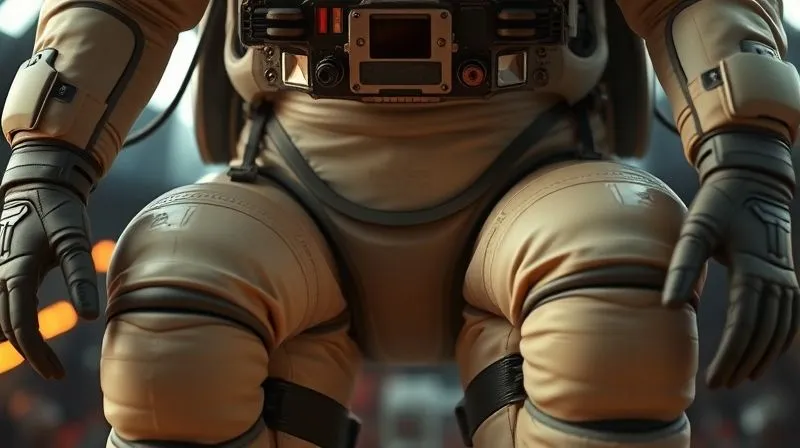
G-suits are specialized garments designed to counteract the effects of positive G-force. They work by inflating bladders around the legs and abdomen, squeezing the blood vessels and preventing blood from pooling in the lower body. This helps maintain blood pressure to the brain, increasing G-force tolerance.
Modern G-suits are sophisticated pieces of technology, often incorporating advanced materials and sensors. They are typically integrated with the aircraft or spacecraft's G-force monitoring system, automatically inflating and deflating as needed. While G-suits aren't a substitute for the AGSM, they provide a significant additional layer of protection against G-LOC.
Commercial spaceflight companies often utilize G-suits as part of their safety protocols. Ensure that the company you choose provides properly fitted and functional G-suits for all passengers. Ask about the G-suit's capabilities and how it integrates with the spacecraft's systems. As Seth Godin often says, "The price of being wrong is less than the price of doing nothing." Don't compromise on safety.
4. Pre-Flight Centrifuge Training
Centrifuge training simulates the G-forces experienced during spaceflight. By exposing you to controlled levels of acceleration in a centrifuge, you can learn to recognize the symptoms of G-force intolerance and practice the AGSM in a safe environment. This not only improves your physical tolerance but also builds your confidence and reduces anxiety.
Centrifuge training is a standard part of astronaut training, and it's becoming increasingly common for commercial spaceflight participants. Look for companies that offer comprehensive centrifuge training programs as part of their pre-flight preparation. These programs should be tailored to the specific G-force profile of the planned spaceflight.
I've seen countless individuals transform from being apprehensive about G-forces to feeling confident and prepared after undergoing centrifuge training. The experience provides invaluable insights into your body's response to acceleration and allows you to develop effective coping strategies.
Case Study: Stellar Adventures' Centrifuge Program
Stellar Adventures, a fictional commercial spaceflight company, implemented a mandatory centrifuge training program for all its passengers. Before the program, 15% of passengers experienced some degree of G-force intolerance during simulated flight tests. After the program was introduced, that number dropped to just 2%. This resulted in a significant improvement in passenger safety and comfort.
| Phase | G-Force Intolerance Rate |
|---|---|
| Pre-Training | 15% |
| Post-Training | 2% |
5. Hydration and Nutrition
Proper hydration and nutrition play a crucial role in maintaining blood volume and preventing G-force blackout. Dehydration reduces blood volume, making it harder for your heart to pump blood to your brain during acceleration. Similarly, poor nutrition can lead to low blood sugar, which can further impair brain function.
Prior to your spaceflight, focus on staying well-hydrated by drinking plenty of water and electrolytes. Avoid excessive caffeine and alcohol, as these can dehydrate you. Eat a balanced diet rich in fruits, vegetables, and lean protein. Consult with a nutritionist to develop a personalized pre-flight nutrition plan.
According to a study by Harvard Medical School, dehydration can decrease blood pressure by up to 20%, significantly increasing the risk of G-LOC. Make hydration a priority.

6. Understanding Spacecraft Design and Safety Features
The design of the spacecraft itself plays a significant role in mitigating G-force effects. Some spacecraft are designed to minimize acceleration forces through advanced propulsion systems and trajectory optimization. Others incorporate features like reclining seats to help distribute G-forces more evenly across the body.
Furthermore, modern spacecraft are equipped with sophisticated safety systems to monitor passenger health and detect signs of G-force intolerance. These systems can automatically adjust the spacecraft's trajectory or initiate emergency procedures if necessary. Before your flight, familiarize yourself with the spacecraft's design and safety features. Ask about the G-force profile of the flight and how the spacecraft is designed to minimize acceleration effects.
Understanding these aspects can ease anxiety and give you a sense of control. As I've often said, knowledge is power, especially when it comes to your safety.
7. Communication with the Flight Crew
Open communication with the flight crew is essential for ensuring your safety and comfort during spaceflight. Don't hesitate to report any symptoms of G-force intolerance, such as blurred vision, tunnel vision, or dizziness. The flight crew is trained to recognize these symptoms and take appropriate action. They can provide guidance on using the AGSM, adjust your seat position, or even abort the flight if necessary.
Remember, your safety is the flight crew's top priority. They are there to support you and ensure that you have a positive and safe experience. Establish a rapport with the crew before the flight and let them know about any concerns you may have. According to Forbes, clear communication is a cornerstone of effective teamwork, especially in high-stress environments.
Frequently Asked Questions (FAQ)
Will I definitely experience G-force blackout during spaceflight? Not necessarily. The likelihood of experiencing G-force blackout depends on several factors, including the G-force profile of the flight, your individual tolerance, and the countermeasures you take. By following the strategies outlined in this guide, you can significantly reduce your risk.
Are there any medical conditions that would disqualify me from spaceflight due to G-force concerns? Yes, certain medical conditions, such as heart disease, high blood pressure, and neurological disorders, can increase your risk of G-force intolerance. Consult with your doctor and the spaceflight company's medical team to determine if you are medically cleared for spaceflight.
How long does centrifuge training typically last? Centrifuge training programs vary in length, but they typically last from a few hours to a few days. The duration and intensity of the training will depend on the G-force profile of the planned spaceflight and your individual needs.
Can I practice the AGSM on my own before centrifuge training? Yes, you can practice the AGSM on your own, but it's important to learn the technique correctly. Consider working with a flight instructor or using online resources to ensure that you are performing the maneuver properly.
What happens if I experience G-LOC during spaceflight? If you experience G-LOC during spaceflight, the flight crew is trained to take immediate action. This may involve adjusting the spacecraft's trajectory, administering oxygen, or initiating emergency procedures. The goal is to restore blood flow to your brain and prevent any long-term damage.
Recommended Reading
- Unveiling the Hidden Health Effects of Private Space Travel: Are You Ready?
- Unveiling Luxury Train Dining: 7 Key Factors to Compare Experiences
- Suborbital Safety: 5 Pillars to Assure Ultra-Rich Clients' Trust
- Unlock the Secrets: How to Plan a Safe Solo Long-Distance Hiking Trip
- Unearth the Secrets: What Cultural Etiquette Applies to Visiting Ancient Ruins?
Main Points and Final Considerations
- Understand the effects of G-force on the body.
- Master the Anti-G Straining Maneuver (AGSM).
- Utilize G-suits for added protection.
- Undergo pre-flight centrifuge training.
- Maintain proper hydration and nutrition.
Commercial spaceflight is an incredible opportunity, but it's important to be aware of the potential risks and take steps to mitigate them. By following the advice in this guide and working closely with the spaceflight company, you can minimize your risk of G-force blackout and enjoy a safe and unforgettable journey to the stars. Remember, preparation is key, and a proactive approach to your health and safety will ensure a positive experience. The cosmos awaits!





Your email address will not be published. Required fields are marked *