

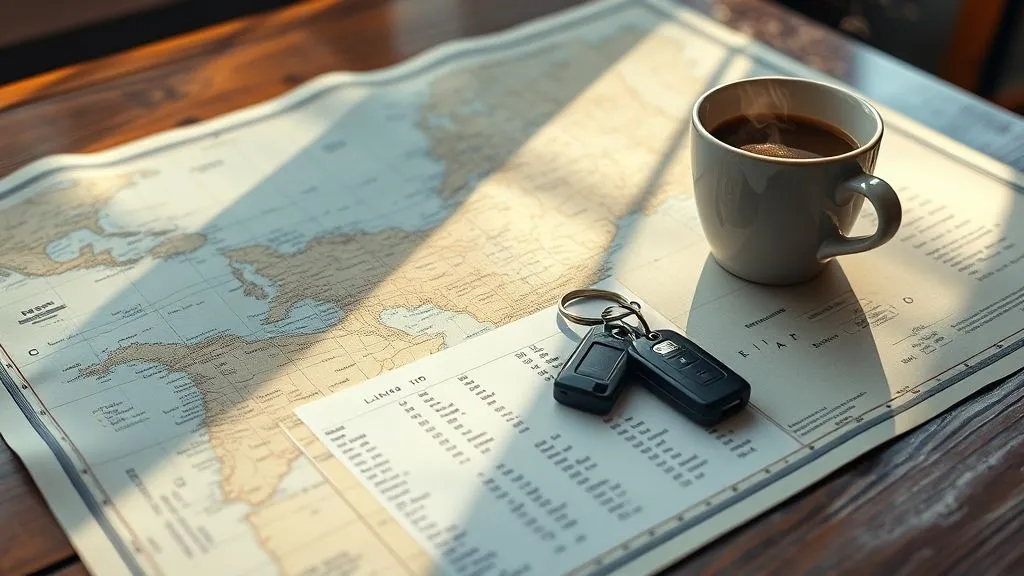
How to Optimize a Multi-Week Budget Road Trip for Maximum Value?
For over two decades, I've crisscrossed continents, from the rugged Alaskan highways to the scenic European byways, often with little more than a backpack and a carefully planned budget. I've seen countless aspiring adventurers embark on multi-week road trips, only to find their funds dwindling far too quickly, cutting short their dreams or forcing them into less-than-ideal situations.
The allure of the open road is undeniable, but the reality of extended travel costs can be a harsh wake-up call. Many believe that 'budget' means sacrificing experience, or that 'multi-week' automatically equates to a hefty price tag. This misconception often leads to either overspending or under-planning, resulting in stress rather than the liberating adventure envisioned.
In this definitive guide, I'll share my battle-tested frameworks and expert insights to not just save money, but to genuinely enhance your multi-week road trip experience. You'll learn how to optimize every dollar for maximum value, ensuring your journey is rich in memories, not financial worries. Let's unlock the secrets to truly affordable and fulfilling long-haul road trips.
1. The Art of Pre-Trip Planning: Your Budget's Blueprint
A successful budget road trip isn't about winging it; it's about meticulous, strategic planning. Think of your itinerary and budget as an interconnected blueprint. Every decision made before you hit the road can save you hundreds, if not thousands, of dollars.
Route Optimization: My first piece of advice is always to plan your route not just for scenery, but for cost-efficiency. Consider factors like toll roads, gas prices in different regions, and the availability of free or low-cost attractions along your path.
"Failing to plan is planning to fail, especially when it comes to multi-week budget road trips. Your preparation is your greatest asset."
Vehicle Preparation & Maintenance: Before you even think about packing, ensure your vehicle is in peak condition. A breakdown on the road is not only a massive inconvenience but a budget killer. Get a full service, check tire pressure, fluids, and spare tire. A well-maintained vehicle is a fuel-efficient vehicle, saving you money at the pump.
Budgeting Framework: I always recommend breaking down your budget into key categories. This allows you to track spending and identify areas for adjustment in real-time. Here's a basic framework I use:
| Category | Estimated % of Total | Optimization Strategy |
|---|---|---|
| Fuel | 30-40% | Route planning, efficient driving, gas apps |
| Accommodation | 20-30% | Camping, hostels, house-sitting, friends/family |
| Food & Drink | 15-20% | Cook your own meals, picnic, grocery stores |
| Activities & Sightseeing | 5-10% | Free parks, hiking, public events |
| Contingency/Emergency | 10-15% | Dedicated fund, travel insurance |
By allocating percentages, you gain a clear picture of where your money is likely to go and where you can make the most significant cuts without compromising the experience.
2. Mastering Accommodation Hacks for Long-Term Savings
Accommodation is often the second largest expense after fuel. For multi-week trips, a night here and there adds up exponentially. The key is to diversify your lodging options and embrace alternatives.
Embrace Camping: National and State Parks often offer stunning campsites at a fraction of hotel costs. Even private campgrounds are significantly cheaper than motels. Invest in quality camping gear once, and it will pay for itself over multiple trips. I've found that primitive camping, where permitted, can even be free.
Hostels and Guesthouses: Don't dismiss hostels just because you're past your college years. Many offer private rooms that are still more affordable than hotels, often with communal kitchens that allow for further food savings. Look for guesthouses in smaller towns for local charm and better rates.
House-Sitting & Couchsurfing: For longer stays in specific areas, house-sitting can provide free accommodation in exchange for looking after a home and pets. Couchsurfing, while less common for multi-week segments, can offer a free night or two and a genuine local experience. Always prioritize safety and good communication with your hosts.
Loyalty Programs and Discounts: If you do opt for chain hotels occasionally, sign up for their loyalty programs. Even a few nights can earn you points for a free stay down the line. Look for AAA, AARP, or other membership discounts.
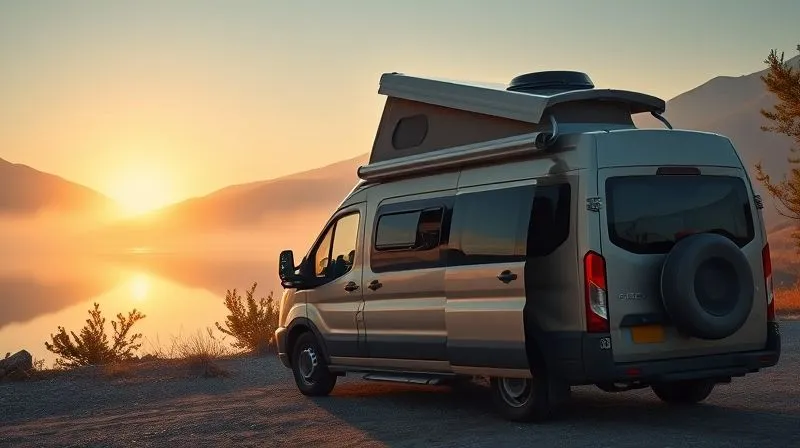
3. Fueling Your Adventure, Not Draining Your Wallet: Smart Gas Strategies
Fuel is usually the single biggest expense on any road trip, especially a multi-week one. Optimizing your fuel consumption is paramount to maximizing your budget's value.
Driving Habits: This is often overlooked. Aggressive driving – rapid acceleration, hard braking, and speeding – significantly reduces fuel efficiency. According to the U.S. Department of Energy, aggressive driving can lower gas mileage by 15% to 30% at highway speeds. Maintain a steady speed, use cruise control, and anticipate traffic.
Gas Price Apps: Apps like GasBuddy or Waze are indispensable. They show real-time gas prices at stations nearby, allowing you to fill up where it's cheapest. Over a multi-week trip, this can save you hundreds of dollars. I've personally saved upwards of $500 on a cross-country trip just by consistently checking prices.
Tire Pressure: Properly inflated tires can improve gas mileage by up to 3%. Check your tire pressure regularly, especially as temperatures change. This small habit has a significant cumulative effect.
Avoid Idling: Modern cars are more fuel-efficient when restarted than when idling for more than 10 seconds. Turn off your engine if you're going to be stopped for a minute or more.
4. Culinary Creativity: Eating Well on the Road Without Overspending
Eating out for every meal is a quick way to blow your budget. The trick to maximizing value here is to treat your vehicle as a mobile pantry and kitchen.
- Pack a Cooler: A good quality cooler is your best friend. Stock it with ice, drinks, sandwich ingredients, fruits, and pre-made snacks. This drastically cuts down on impulse purchases at convenience stores and restaurants.
- Portable Cooking Gear: A small camping stove, a pot, and a pan open up a world of possibilities. You can cook simple meals like pasta, rice and beans, or even stir-fries at campsites or picnic areas.
- Grocery Store Savvy: Prioritize grocery shopping over restaurant meals. Look for local supermarkets, which often have better prices than tourist-trap convenience stores. Buy staples in bulk if possible.
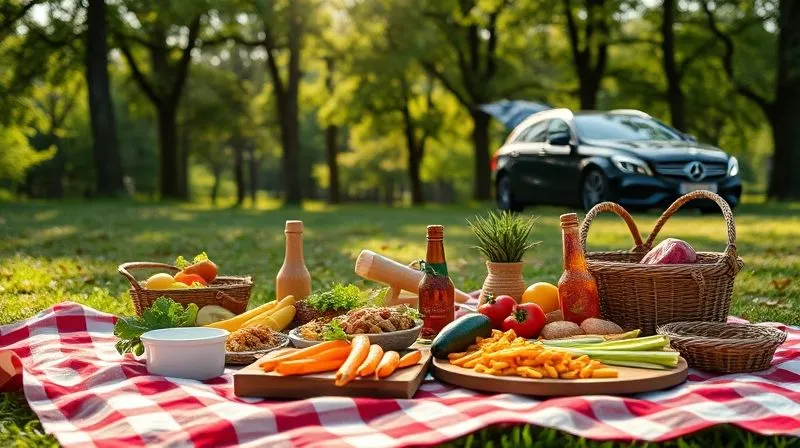
- Picnics & Potlucks: Instead of restaurant lunches, find scenic spots for picnics. If you're traveling with others, coordinate potluck meals to share the cooking and cost burden.
5. Maximizing Value Through Free and Low-Cost Activities
The richest experiences on a road trip often come with the smallest price tags. Focus on natural beauty, cultural immersion, and local events to truly maximize value.
National and State Parks: These are goldmines for budget travelers. An annual pass (like the America the Beautiful Pass in the US) can grant you access to countless parks for a single fee. Once inside, hiking, scenic drives, and ranger programs are often free.
Public Lands & Recreation Areas: Beyond official parks, explore national forests, BLM (Bureau of Land Management) lands, and other public recreation areas. These often offer free camping and abundant opportunities for hiking, fishing, and photography.
Local Libraries & Community Centers: These can be unexpected hubs for free Wi-Fi, local event listings, and a quiet place to relax. Some even host free workshops or movie nights.
Walking Tours & Self-Guided Exploration: In cities, skip expensive bus tours. Download a free walking tour app or simply wander. You'll discover hidden gems and get a feel for the local rhythm. Many cities offer free walking tours led by volunteers, operating on a tip-only basis.
Case Study: How the 'Trailblazer Trio' Explored the West for Less
The 'Trailblazer Trio' – Sarah, Mark, and Emily – embarked on a 6-week road trip across the American Southwest. Instead of relying on hotels, they invested in a robust tent and cooking gear. By leveraging National Park passes and cooking 80% of their meals, they saved an estimated $3,000 on accommodation and food over their journey. They focused on free hiking trails, scenic overlooks, and local community events rather than paid attractions, demonstrating that significant savings don't mean sacrificing adventure. This resulted in an unforgettable trip costing each person under $1,500 for nearly two months on the road.
6. The Contingency Fund: Your Safety Net for Unexpected Value
Even the most meticulously planned budget road trip can encounter unforeseen circumstances. A flat tire, a sudden illness, or a detour due to weather can quickly derail your finances and your morale. This is where a dedicated contingency fund comes into play.
Allocate a Buffer: I always advise setting aside 10-15% of your total budget specifically for emergencies. This isn't 'extra' money; it's a critical component of a truly optimized budget. Think of it as insurance against stress.
"A contingency fund isn't about expecting the worst; it's about ensuring your adventure continues smoothly, no matter what bumps in the road appear."
Travel Insurance: For multi-week international trips, or even long domestic ones, consider travel insurance. It can cover medical emergencies, trip interruptions, and even vehicle breakdowns, offering peace of mind that's truly invaluable. As Forbes often highlights, the cost of a good travel insurance policy is usually a fraction of what a single emergency could cost you out of pocket. Learn more about travel insurance options on Forbes Advisor.
Emergency Kit: Beyond money, a well-stocked emergency kit in your vehicle can prevent minor issues from becoming major expenses. This includes jumper cables, a first-aid kit, basic tools, extra water, and non-perishable food.
7. Embracing Flexibility and the 'Slow Travel' Mindset
The greatest value on a budget road trip isn't just about saving money; it's about enriching your experience. A rigid schedule can lead to missed opportunities and unnecessary expenses. Embracing flexibility is a powerful optimization tool.
Don't Rush It: 'Slow travel' is a philosophy that encourages spending more time in fewer places. This reduces fuel consumption from constant driving, allows you to take advantage of weekly accommodation rates, and gives you a deeper connection with the places you visit. It also allows for spontaneous, often free, discoveries.
Openness to Local Recommendations: Talk to locals! They are a treasure trove of information about hidden gems, affordable eateries, and free events that guidebooks often miss. This kind of authentic experience is invaluable and often free.
Adapt Your Plans: If you discover a cheaper campsite a few miles off your planned route, or a free festival happening in a nearby town, be prepared to adapt. Your original plan is a guide, not an unbreakable contract. I've found some of my most cherished memories came from these spontaneous detours.
Frequently Asked Questions (FAQ)
What's the best way to track my expenses on a multi-week trip? I highly recommend using a dedicated budgeting app like Mint, YNAB (You Need A Budget), or even a simple spreadsheet on your phone. Log every expense immediately. This real-time tracking allows you to see where your money is going and adjust your spending categories as needed. Regularly review your actual spend against your planned budget.
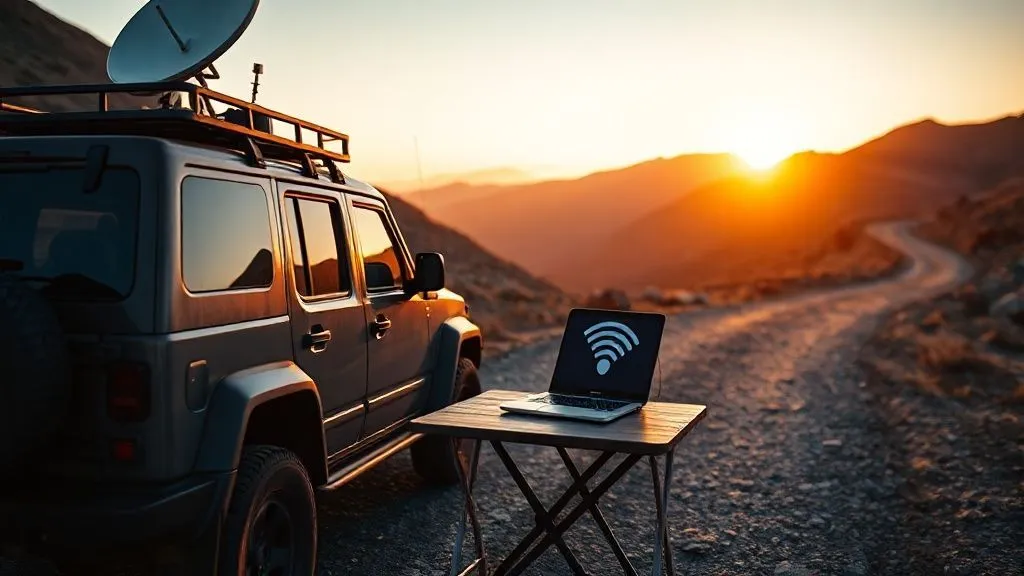
How can I find reliable, affordable Wi-Fi on the road? Public libraries are an excellent resource for free and reliable Wi-Fi. Many coffee shops and fast-food chains also offer free Wi-Fi with a purchase. Consider investing in a portable Wi-Fi hotspot or utilizing your phone's tethering feature, but be mindful of data limits. Always download maps and entertainment beforehand to reduce reliance on internet access.
Is it cheaper to rent a car or use my own for a multi-week trip? This depends heavily on your personal vehicle's fuel efficiency, reliability, and maintenance costs, versus the rental car's daily rate, mileage limits, and insurance. For older, less reliable cars, renting might be cheaper in the long run due to avoided repair costs and better fuel economy. Always factor in potential wear and tear on your own vehicle. Compare total costs carefully, including insurance. NerdWallet offers a great breakdown on this decision.
What are some essential items for a budget road trip that aren't obvious? Beyond the basics, consider a portable power bank for devices, a reusable water bottle (refill often at rest stops or cafes), a quality insulated mug for coffee/tea, a small first-aid kit, a headlamp or flashlight, and a good audiobook subscription. A multi-tool or basic repair kit for your car can also be a lifesaver. Don't forget a physical map as a backup!
How do I balance sticking to a budget with spontaneous experiences? This is where your contingency fund and flexible mindset truly shine. Allocate a small portion of your 'activities' budget for spontaneous splurges. If an unexpected opportunity arises, you can tap into this fund. If not, it rolls over or can be used for something else. The key is to have a framework that allows for calculated spontaneity, rather than completely derailing your budget.
Key Takeaways and Final Thoughts
Optimizing a multi-week budget road trip for maximum value is an art form, honed through experience and smart planning. It's about making deliberate choices that stretch your dollars further, not by sacrificing joy, but by enhancing it through ingenuity and resourcefulness. Remember these core principles:
- Plan Meticulously: Your pre-trip blueprint is the foundation of your budget success.
- Diversify Accommodation: Embrace camping, hostels, and alternative stays.
- Be Fuel-Savvy: Drive smart, use apps, and maintain your vehicle.
- Cook Your Own Meals: Your cooler and camping stove are your best friends.
- Seek Free Experiences: National parks and local gems offer incredible value.
- Build a Contingency Fund: Prepare for the unexpected to avoid financial stress.
- Embrace Flexibility: Allow for spontaneous detours and slow travel.
The open road awaits, full of incredible experiences that don't need to break the bank. By applying these expert strategies, you're not just saving money; you're investing in richer, more authentic adventures. So, pack your bags, fire up your engine, and embark on the journey of a lifetime, optimized for maximum value and unforgettable memories. Your multi-week budget road trip isn't just a possibility; it's within your grasp. Explore National Parks Service resources for more inspiration.
Recommended Reading
- 5 Critical Steps: Minimizing Personal Risk Networking Solo in New Cities
- 5 Pillars: Mitigating Space Tourist Injury Liability in Orbit
- How to Maximize Budget Excursion Profits & Eliminate Client Complaints
- Conquer Your Fears: Solo Dining Tips for Shy Travelers Revealed
- LEO Space Tourists: 7 Critical Steps to Prevent Medical Incidents

Your email address will not be published. Required fields are marked *