

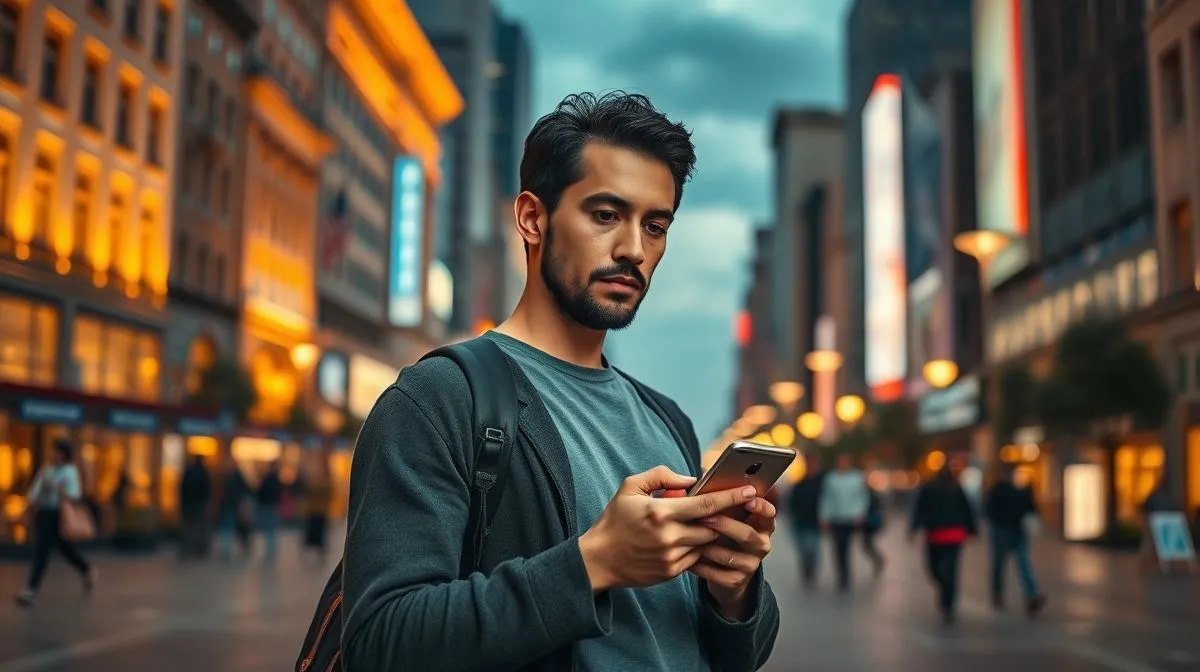
Minimizing Personal Risk When Networking Solo in Unfamiliar Cities?
For over two decades, my career as a solo traveler and entrepreneur has taken me to every continent, navigating countless networking events in cities where I barely knew the local dialect, let alone the safest routes. I've witnessed firsthand the incredible opportunities that arise from putting yourself out there, but I've also seen the subtle, and sometimes not-so-subtle, risks that can emerge when you're a lone wolf in an unfamiliar urban jungle.
The thrill of new connections, potential collaborations, and expanding your professional horizons often comes with an underlying current of vulnerability. How do you balance the drive to connect with the absolute necessity of personal safety? This isn't about fostering paranoia; it's about intelligent preparedness, a nuanced understanding of your surroundings, and the cultivation of an unshakeable inner compass.
In this definitive guide, I'll share the actionable frameworks and expert insights I've honed over years on the road. You'll learn not just what to do, but why it works, empowering you to network confidently and securely, no matter how unfamiliar the territory. We'll delve into everything from pre-trip due diligence to leveraging technology and mastering the art of safe interaction, ensuring your professional ambition never compromises your personal well-being.
The Foundation: Pre-Trip Due Diligence & Digital Hygiene
Before you even pack your bags, a significant portion of your safety net should be woven. My experience has taught me that foresight eliminates almost half of potential risks. This isn't just about booking flights; it's about intelligence gathering.
Researching Your Destination Thoroughly
Never underestimate the power of local knowledge. Spend time understanding the city's character.
- Neighborhoods to Avoid: Identify areas known for higher crime rates or less reputable establishments. Google Maps street view can be invaluable for a visual reconnaissance.
- Local Customs & Norms: Understanding social cues, dress codes, and typical interaction styles can help you blend in and avoid drawing unwanted attention.
- Safe Transportation Options: Research reliable ride-sharing apps, reputable taxi services, and public transport safety. Know typical fares to avoid being overcharged.
Event Vetting & Attendee Screening
Your networking event isn't just a place; it's a collection of people. Be discerning about who and what you engage with.
- Official Channels: Always register and get information directly from the event organizer's official website or verified platforms. Beware of third-party ticket resellers or unofficial groups.
- Social Media Checks: If a list of attendees or speakers is available, do a quick cross-reference check on LinkedIn. Look for professional profiles and mutual connections. This isn't about judgment, but about building a basic familiarity with who you might meet.
- Read Reviews: For smaller, independent events, search for past attendees' reviews or comments online to gauge the general atmosphere and professionalism.
Digital Footprint & Privacy Settings
In our hyper-connected world, your digital self precedes you. Manage it wisely.
- LinkedIn Profile Audit: Ensure your public LinkedIn profile is professional and doesn't reveal overly sensitive personal information like your exact home address or detailed travel plans.
- Social Media Hygiene: Review your privacy settings on all social media platforms. Avoid publicly broadcasting your exact location or real-time itinerary. A simple delay in posting photos can deter those with ill intent.
- Secure Your Devices: Use strong, unique passwords for all devices and accounts. Enable two-factor authentication wherever possible. A lost or stolen phone can compromise much more than just your contacts.
Strategic On-Site Tactics for Enhanced Security
Once you're on the ground, your vigilance shifts from preparation to active awareness. This is where your ability to observe and adapt becomes paramount.
Venue Reconnaissance & Exit Strategies
Upon arrival at any networking venue, whether it's a conference hall or a restaurant, take a moment to orient yourself.
- Identify Exits: Locate all emergency exits, stairwells, and main entrances. Know at least two ways out of any room or building you enter.
- Safe Zones: Identify areas with good lighting, visible staff, or security personnel. These are your potential 'safe havens' if you feel uncomfortable.
- Restroom Awareness: Pay attention to the location of restrooms and avoid isolated or poorly lit areas within the venue.
The "Buddy System" (Even When Solo)
Just because you're traveling solo doesn't mean you have to be completely alone in your safety efforts.
- Designate a Remote Contact: Before you leave, inform a trusted friend or family member of your itinerary, including event locations and times. Establish check-in times.
- Share Live Location (Temporarily): For specific events or late-night returns, consider temporarily sharing your live location with your designated contact via apps like WhatsApp or Google Maps.
- "Safe Word" or Signal: Agree on a simple code word or phrase that, if used in a text or call, signals to your contact that you need immediate assistance without alarming anyone nearby.
Managing Personal Information & Boundaries
The goal is to network, not to overshare. Be discerning about what information you divulge.
"In my experience, the biggest mistake solo networkers make is feeling compelled to share too much too soon. You are not obligated to disclose your hotel, your exact travel plans, or any personal details beyond your professional identity."
- Be Vague on Accommodation: If asked, simply state you're "staying nearby" or "with friends" rather than revealing your specific hotel.
- Limit Personal Details: Focus conversations on professional topics. If someone presses for personal information, politely redirect or change the subject.
- Recognize Red Flags: Be wary of overly personal questions early on, attempts to isolate you from the group, or persistent invitations that feel uncomfortable. Trust your intuition – it's your most powerful safety tool.
Mastering the Art of Safe Interaction
Networking is about building rapport, but it's also about maintaining control of the interaction. This requires both social intelligence and assertiveness.
First Impressions & Intuition
Your gut feeling is incredibly valuable. Learn to listen to it.
"I've learned that my intuition is rarely wrong. If someone gives you an uneasy feeling, even if you can't articulate why, acknowledge it. Your subconscious is picking up on subtle cues you might consciously miss."
- Read Body Language: Pay attention to non-verbal signals – both yours and theirs. Project confidence and awareness.
- Trust Your Gut: If an interaction feels off, it probably is. You don't need a logical reason to disengage.
- Maintain Eye Contact: Projecting confidence through eye contact can deter those looking for vulnerable targets.
The "Three-Question Rule" for Vetting
When someone approaches you, especially in a one-on-one setting, use a subtle vetting process.
- The "What do you do?" Question: Standard networking opener. Listen for clear, professional answers.
- The "How did you get into that?" Question: Reveals passion, background, and gives insight into their personality.
- The "What brings you to this event/city?" Question: Helps gauge their intent and alignment with the event's purpose.
If answers to these feel evasive, overly personal, or don't align, it's a soft warning sign. This isn't an interrogation; it's a natural conversational flow that allows you to gather information.
De-escalation & Disengagement Techniques
Knowing how to politely but firmly extract yourself from an uncomfortable situation is a crucial skill.
- The "Excuse Me" Technique: "Please excuse me, I just saw someone I need to speak with," or "I need to grab another drink/use the restroom."
- The "Group Integration": If you're feeling isolated, subtly move towards a larger group of people or visible event staff.
- The "Phone Call" Escape: Pretend to receive an urgent call and step away. "Oh, excuse me, I have to take this."
Case Study: How Sarah Navigated a Tricky Solo Networking Event
Sarah, a marketing consultant, found herself at a crowded industry mixer in Berlin. She had followed all the pre-trip advice, but mid-conversation with a seemingly friendly individual, the questions started to veer into personal territory – her hotel, her solo status, plans for the evening. Sarah felt a subtle unease. Instead of directly confronting him, she smoothly implemented the "Excuse Me" technique. "It was great chatting, but I just spotted an old colleague I haven't seen in ages. I really must say hello before they leave!" She then walked directly towards a group of people she had briefly spoken to earlier, making eye contact and joining their conversation. The individual did not follow. This simple, polite disengagement allowed her to maintain her safety without creating an awkward scene, demonstrating the power of prepared exit strategies.
Leveraging Technology for Your Security Net
In the 21st century, your smartphone is more than just a communication device; it's a vital safety tool. Use it intelligently.
Essential Safety Apps
There are numerous apps designed to enhance your personal safety.
- Live Location Sharing: Apps like WhatsApp, Google Maps, or Find My Friends allow you to temporarily share your real-time location with trusted contacts.
- Emergency Alert Apps: Many countries or cities have official emergency apps that connect you directly to local police or emergency services with a tap. Research these before you go.
- Reputable Ride-Sharing Apps: Stick to well-known, globally recognized apps (e.g., Uber, Lyft, Bolt) that offer driver tracking, passenger safety features, and in-app emergency buttons. Always verify the car and driver before entering.
Communication Protocols
Establish clear communication habits with your contacts back home.
- Scheduled Check-ins: Agree on specific times to check in with a trusted person. If you miss a check-in, they should have a plan to contact you or relevant authorities.
- "I'm Safe" Messages: Send a quick text when you arrive and leave an event, or when you get back to your accommodation.
- Low Battery Mode: Always keep your phone charged. Carry a portable power bank. A dead phone is a critical liability.
Secure Payment & Document Handling
Digital security extends beyond communication.
- Digital Copies of Documents: Store scanned copies of your passport, visa, and insurance information in a secure cloud service (e.g., encrypted folder in Google Drive, Dropbox, or a dedicated travel app). Leave physical copies with a trusted person at home.
- Mobile Payment Options: Utilize mobile payment systems like Apple Pay or Google Pay where possible, as they add an extra layer of encryption and reduce the need to pull out physical cards or cash.
- Travel Insurance: It’s not just for medical emergencies. Comprehensive travel insurance can cover lost documents, stolen valuables, and provide emergency assistance. According to a study by the U.S. Travel Insurance Association, having travel insurance can significantly reduce financial and logistical stress during unforeseen incidents abroad.
Post-Networking Prudence: The Follow-Up Phase
The event itself is just one part of the networking process. The follow-up requires its own set of safety considerations.
Verifying Connections & Background Checks
Before deepening a professional connection, conduct a quick verification.
- Cross-Reference: If you exchanged business cards or LinkedIn profiles, cross-reference their information. Do their online profiles match what they told you?
- Mutual Connections: Look for shared connections on LinkedIn. A mutual connection can often serve as an informal vetting mechanism.
- Google Search: A quick search of their name and company can often reveal public information that might raise a flag or confirm their professional standing.
Safe Communication Channels
Be mindful of how you continue the conversation.
- Professional Channels First: Initially, stick to professional communication channels like LinkedIn messages or work email addresses. Avoid immediately giving out personal phone numbers or social media handles.
- Video Calls for Deeper Connection: Before considering an in-person follow-up meeting, especially if you're still in an unfamiliar city, suggest a video call. This provides another layer of visual verification and can help gauge their sincerity.
- Beware of "Love Bombing": Be cautious of individuals who move too fast, becoming overly familiar or intense in their communication immediately after meeting.
Reflecting on Your Experience
Each networking interaction is a learning opportunity.
- Debrief Yourself: After each event, take a moment to reflect. What went well? What felt uncomfortable? What could you do differently next time?
- Update Your Strategy: Use these reflections to refine your personal safety protocols for future events.
The Psychological Edge: Confidence & Awareness
Beyond the practical steps, your mindset plays a critical role in your safety. Predators often target those who appear vulnerable.
Cultivating Situational Awareness
This is the practice of being fully present and observant of your surroundings.
"Situational awareness isn't paranoia; it's intelligent observation. It means knowing who's around you, understanding the environment, and anticipating potential scenarios. It's about being in the moment, not lost in your phone or thoughts."
- Scan Your Environment: Periodically look around, not just at the person you're speaking with. Notice entrances, exits, and who else is in the vicinity.
- Avoid Distractions: Limit phone use while walking. Be aware of your bags and belongings.
- Trust Your Instincts: If a situation feels wrong, it probably is. Your subconscious picks up on cues that your conscious mind might miss.
Body Language & Projection
Your non-verbal cues can either invite or deter unwanted attention.
- Project Confidence: Stand tall, make eye contact, and walk with purpose. Avoid slouching or looking lost.
- Awareness, Not Fear: Look around with curiosity and alertness, not with anxiety.
- Dress Appropriately: Research local dress codes for business events. Blending in can make you less of a target.
Managing Stress & Fatigue
Being tired or stressed impairs judgment and reduces your ability to react effectively.
- Prioritize Rest: Get enough sleep, especially after long travel days.
- Stay Hydrated & Nourished: Dehydration and hunger can affect your cognitive function and mood.
- Limit Alcohol: While a drink or two might be part of networking, excessive alcohol consumption significantly impairs your judgment and reduces your awareness, making you a more vulnerable target.
Emergency Preparedness: When Things Go Sideways
While the goal is prevention, it's equally important to know what to do if the worst-case scenario unfolds. As a seasoned traveler, I always have a contingency plan.
Local Emergency Contacts & Services
Before you arrive, know the local emergency numbers.
- Police, Fire, Ambulance: Store these numbers in your phone, and consider writing them down on a small card in your wallet.
- Embassy/Consulate: Know the location and contact information for your country's embassy or consulate. They can assist with lost passports, legal issues, or emergency situations. The U.S. Department of State offers a Smart Traveler Enrollment Program (STEP) which registers your trip with the nearest U.S. Embassy or Consulate, providing you with emergency alerts and assistance.
- Local Trusted Contacts: If you have any local contacts (e.g., professional colleagues, friends of friends), have their numbers readily available.
Insurance & Travel Assistance
This is your safety net for the unexpected.
- Comprehensive Travel Insurance: Ensure your policy covers medical emergencies, trip interruption, theft, and personal liability.
- Emergency Assistance Services: Many travel insurance policies or credit cards offer 24/7 emergency hotlines that can provide immediate support, from medical referrals to legal advice.
"What If" Scenarios & Practice
Mental rehearsal can significantly improve your response time and effectiveness in a crisis.
- Lost/Stolen Wallet/Phone: Know who to call to cancel cards, how to track your phone, and where to get temporary identification.
- Feeling Followed: Know how to duck into a public place (e.g., busy restaurant, store, police station), change direction, or alert someone.
- Medical Emergency: Know how to communicate basic medical information (allergies, conditions) in the local language, and where the nearest reputable hospital is.
According to a study published in the Journal of Applied Psychology, mental preparedness and scenario planning significantly reduce the perceived threat and improve an individual's ability to cope effectively during real-life stressful events.
Frequently Asked Questions (FAQ)
Question? How do I balance being open to networking with being overly cautious, without coming across as rude or paranoid?
Striking this balance is key. It's about being 'aware' not 'afraid'. Project confidence, engage genuinely, but maintain firm, polite boundaries. You can be open to conversation without being open to intrusive questions. Practice polite deflections like, "I prefer to keep my personal travel details private, but I'd love to hear more about your work!" or "That's an interesting question, but let's keep the focus on our professional interests here." Most people respect directness delivered politely. Remember, your safety is paramount, and a momentary awkwardness is a small price to pay for peace of mind.
Question? What if I feel unsafe mid-conversation with someone I've just met? How do I disengage gracefully?
The key is grace, not confrontation. Have your 'exit lines' prepared. Simple, universally accepted excuses work best: "Excuse me, I need to make a quick phone call," "I need to refresh my drink/grab some food," or "I just spotted someone I wanted to connect with before they leave." Make eye contact, nod politely, and then physically move away towards a more populated area or towards event staff. You don't owe anyone a detailed explanation if your safety feels compromised.
Question? Is it okay to lie about my personal details (e.g., where I'm staying, if I'm truly solo) for safety?
While I advocate for honesty in professional interactions, your personal safety takes precedence. It's not about outright lying, but about strategic omission or vague answers. Instead of saying "I'm staying at The Grand Hotel Room 305," you can say "I'm staying in the downtown area" or "I have friends I'm staying with." Similarly, you can imply you're meeting someone later without specifying who, or that you're part of a larger group attending the conference. This maintains your privacy without being deceptive in a way that harms professional trust.
Question? How important is appearance in deterring risk, and should I adjust my attire for safety?
Appearance plays a role in how you're perceived, and therefore, your safety. While you should always dress professionally and appropriately for the networking event, consider the local context. Overly flashy jewelry or designer labels can sometimes draw unwanted attention in certain areas. Conversely, dressing too casually might make you appear less professional or put-together. The goal is to blend in respectfully with the local business culture, avoiding anything that makes you an obvious target or stands out excessively. Confidence in your attire contributes to your overall projection of awareness.
Question? Are certain types of networking events riskier than others when traveling solo?
Generally, large, officially organized conferences or trade shows in reputable venues tend to be lower risk due to professional security, vetted attendees, and open environments. Smaller, less formal meetups, especially those in private residences, less public venues, or late-night gatherings, can inherently carry higher risks due to less oversight and potentially less vetted attendees. Always prioritize events held in well-lit, public spaces with good foot traffic, and exercise extra caution with invitations to private or secluded settings.
Recommended Reading
- Unlock Ancient Tastes: How to Experience Spice Route Flavors at Home
- The Secret to Designing Your Dream Bespoke Luxury Glamping Itinerary
- The Secret to Saving Fuel on Extended Cross-Country Drives Revealed!
- Uncover Your True Self: The Power of Solo Mindful Trips for Deepening Self-Awareness
- Secure Your Sleep: Top Tips for Safe Overnight Rest Stop Parking
Key Takeaways and Final Thoughts
- Preparation is Your Shield: Thorough pre-trip research and digital hygiene are non-negotiable foundations for solo networking safety.
- Be Present and Aware: Cultivate situational awareness and trust your intuition; your gut feeling is a powerful safety tool.
- Master Safe Interaction: Know how to politely set boundaries, vet new connections, and disengage from uncomfortable situations gracefully.
- Leverage Technology Wisely: Use safety apps, establish communication protocols, and secure your digital information.
- Always Have a Plan B: Even with the best prevention, know your emergency contacts and what to do if things go awry.
Networking solo in unfamiliar cities isn't just about collecting business cards; it's about building bridges, expanding your world, and growing as a professional. By integrating these actionable, expert-backed strategies into your routine, you're not just minimizing personal risk – you're maximizing your potential for meaningful, safe, and successful connections. Step out with confidence, armed with knowledge, and watch your global network flourish securely.


Your email address will not be published. Required fields are marked *