

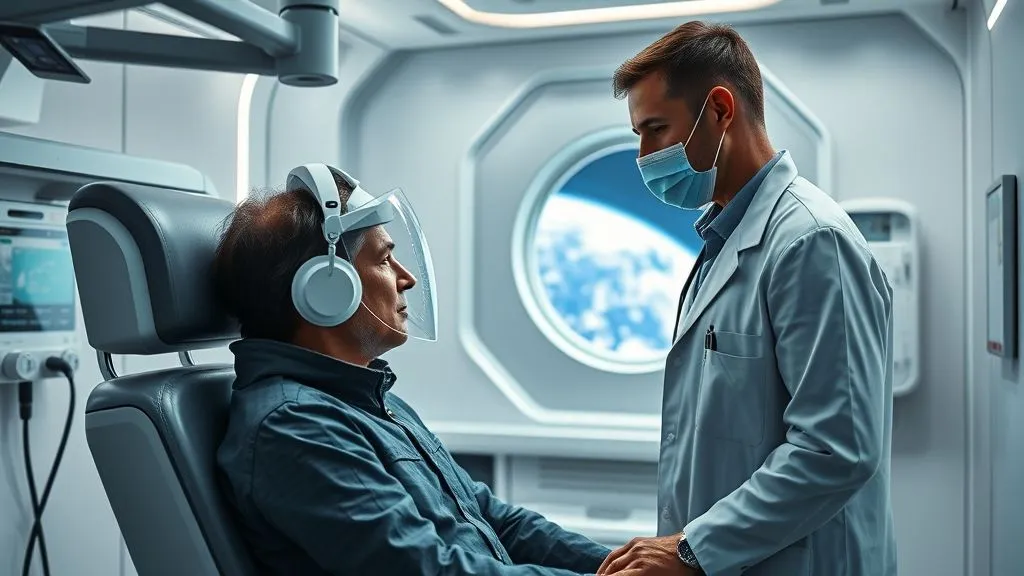
How to Prevent Critical Medical Incidents for LEO Space Tourists?
For over two decades in the nascent, yet rapidly accelerating, field of space tourism, I’ve witnessed firsthand the incredible advancements and the profound challenges. While the thrill of orbiting Earth is undeniable, the question of how to prevent critical medical incidents for LEO space tourists remains paramount. It’s not just about getting people to space; it’s about getting them there and back safely, medically sound, and with an experience that transcends mere spectacle.
The allure of low Earth orbit (LEO) for commercial spaceflight is immense, but it introduces a unique confluence of physiological stressors: microgravity, radiation exposure, isolation, and the inherent risks of launch and re-entry. Without meticulous planning, robust medical protocols, and an unwavering commitment to safety, a dream vacation can quickly become a nightmare. This isn't just a theoretical concern; it's a practical, engineering, and medical challenge that demands our utmost attention, as highlighted by numerous experts discussing space tourism safety.
In this definitive guide, drawing from my extensive experience and the collective wisdom of aerospace medicine, I will share the actionable frameworks, crucial preventative measures, and cutting-edge strategies essential for safeguarding the health of LEO space tourists. We’ll delve into everything from pre-flight screening to emergency protocols, ensuring you understand the comprehensive approach required to mitigate risks and truly prevent critical medical incidents.
The Unique Medical Challenges of LEO for Tourists
When we talk about space tourism, especially to LEO, we're not just sending individuals on a high-altitude flight. We're subjecting their bodies to an entirely alien environment. The human physiology, exquisitely evolved for Earth's gravity and atmosphere, reacts in predictable, yet sometimes unpredictable, ways to spaceflight. Understanding these fundamental challenges is the first step in knowing how to prevent critical medical incidents for LEO space tourists.
Firstly, microgravity is a primary concern. It affects virtually every bodily system. The cardiovascular system experiences a fluid shift, leading to a "puffy face" and "bird legs" syndrome, and can result in orthostatic intolerance upon return to Earth. Bones begin to demineralize, and muscles atrophy. The vestibular system, responsible for balance, is profoundly disrupted, causing space adaptation syndrome (SAS) – often referred to as space sickness – in a significant percentage of first-time space travelers.
Secondly, radiation exposure is a persistent threat. While LEO is largely protected by Earth's magnetosphere from the most energetic galactic cosmic rays (GCRs), space tourists are still exposed to higher levels of ionizing radiation than on Earth. This increases the lifetime risk of cancer and can potentially affect the central nervous system and other organ systems. Solar particle events (SPEs), though less common in LEO than in deep space, remain a concern during periods of high solar activity.
Thirdly, the psychological stressors cannot be overstated. The confined environment, isolation from loved ones, potential sleep disruption, and the sheer novelty and risk of spaceflight can induce anxiety, stress, and even depression. Maintaining mental well-being is as crucial as physical health.

Finally, the logistics of medical care in space are inherently complex. Unlike Earth, where advanced medical facilities are often minutes away, in LEO, every piece of equipment, every medication, and every medical professional must be meticulously planned for. This requires innovative solutions, including robust telemedicine capabilities and highly trained non-medical crew members.
Rigorous Pre-flight Medical Screening & Certification
In my experience, the single most critical preventative measure against critical medical incidents is an uncompromising, multi-layered pre-flight medical screening process. This isn't just a check-up; it's an exhaustive evaluation designed to identify any pre-existing conditions that could be exacerbated by spaceflight or compromise safety. It's far more stringent than a commercial airline pilot's medical, and for good reason.
The goal is to ensure that prospective space tourists are not just 'healthy enough,' but truly robust enough to withstand the physiological rigors of launch, orbit, and re-entry. This process often begins years before a planned flight, allowing time for any identified issues to be addressed or for alternative candidates to be considered.
Key Components of Pre-flight Medical Screening:
- Comprehensive Medical History Review: A detailed review of past illnesses, surgeries, medications, and family medical history. This often involves obtaining records from primary care physicians and specialists.
- Extensive Physical Examination: Beyond a standard physical, this includes specialized cardiovascular assessments (e.g., echocardiograms, stress tests), neurological evaluations, ophthalmological exams, and detailed musculoskeletal assessments.
- Advanced Diagnostic Testing: This can include full blood panels, urinalysis, genetic testing for predispositions to certain conditions, imaging studies (MRI, CT scans) of critical areas like the brain and spine, and pulmonary function tests.
- Psychological Evaluation: Crucial for assessing mental resilience, coping mechanisms, and potential claustrophobia or anxiety in confined, high-stress environments. This often involves interviews with aerospace psychologists.
- Tolerance Testing: Exposure to simulated G-forces in centrifuges or parabolic flights to assess individual physiological responses to acceleration and microgravity-like conditions.
- Dental Examination: Ensuring no dental issues that could become painful or problematic due to pressure changes or confinement.
- Vaccination & Immunization Status: Ensuring protection against common infectious diseases, especially given the enclosed environment and potential for pathogen transmission.
As Dr. James Bagian, a former NASA astronaut and physician, often emphasizes, "Prevention is always better than cure, especially when the nearest hospital is 250 miles straight down." This philosophy underpins the entire screening process. Any significant finding, even seemingly minor on Earth, must be meticulously evaluated for its potential impact in the space environment.
| Screening Area | Key Tests | Rationale |
|---|---|---|
| Cardiovascular Health | ECG, Stress Test, Echocardiogram | Assess heart function under stress, fluid shifts |
| Musculoskeletal System | Bone Density Scan, Range of Motion | Evaluate bone/muscle health, risk of injury in microgravity |
| Neurological Function | MRI Brain, Vestibular Function | Identify neurological conditions, predict space adaptation syndrome |
| Psychological Resilience | Psychiatric Interview, Cognitive Tests | Assess stress coping, anxiety, confinement tolerance |
| Radiation Susceptibility | Genetic Markers (if available), Blood Counts | Estimate individual radiation response, monitor blood health |
"The cost of a thorough pre-flight medical assessment is negligible compared to the catastrophic consequences of a medical emergency in orbit. It's an investment in life."
Tailored Training & Conditioning Programs
Once medically cleared, the journey to becoming a LEO space tourist shifts to intensive preparation. It’s not enough to be healthy; one must be prepared for the physical and mental demands. Tailored training and conditioning programs are crucial for how to prevent critical medical incidents for LEO space tourists, moving beyond just screening to active mitigation.
These programs typically last for several months, sometimes even a year or more, depending on the individual's baseline fitness and the specific mission profile. They are designed to enhance physical resilience, familiarize individuals with the space environment, and build critical operational skills.
Components of a Comprehensive Training Program:
- Physical Fitness: Focus on cardiovascular endurance, strength training (especially core and lower body to counteract microgravity effects), and flexibility. This helps mitigate muscle atrophy and bone loss, and aids in re-adaptation upon return.
- Vestibular Adaptation Training: Using specialized chairs, virtual reality, and parabolic flights, individuals are exposed to disorienting stimuli to help their vestibular system adapt, thereby reducing the severity of space adaptation syndrome.
- Operational Training: Familiarization with the spacecraft interior, emergency procedures, communication systems, and basic hygiene in microgravity. This reduces stress and improves competence.
- Medical Skills Training: Basic first aid, CPR, and how to use onboard medical equipment. While a dedicated medical professional might be present or available via telemedicine, every crew member needs foundational knowledge.
- Psychological Preparedness: Counseling, team-building exercises, and stress management techniques. Simulating confined environments and discussing potential psychological challenges helps build coping strategies.
I’ve witnessed individuals transform through these programs, not just physically, but mentally. The confidence gained from mastering a challenging skill or understanding an emergency procedure is invaluable. It shifts a tourist from a passive observer to an active participant in their own safety.

Moreover, the training provides an opportunity to observe how individuals react under stress and in novel environments. This behavioral assessment is critical, as a calm and rational response in an emergency can be the difference between a minor incident and a critical one.
Onboard Medical Systems & Protocols
Even with the most rigorous pre-flight screening and training, the unexpected can happen. Therefore, robust onboard medical systems and clear protocols are indispensable for how to prevent critical medical incidents for LEO space tourists. These systems must be compact, reliable, and capable of addressing a range of potential health issues.
A standard LEO space tourism mission will carry a meticulously assembled medical kit. This isn't just a first-aid box; it's a mini-clinic designed for the unique challenges of space.
Essential Onboard Medical Provisions:
- Medications: A comprehensive array including anti-emetics for space sickness, pain relievers, antibiotics, antihistamines, sedatives, and emergency drugs for cardiac events or anaphylaxis.
- Diagnostic Tools: Portable ultrasound, blood pressure cuff, stethoscope (adapted for microgravity), thermometer, glucometer, pulse oximeter, and basic lab-on-a-chip diagnostic devices for blood and urine analysis.
- Minor Surgical & Wound Care: Sterile dressings, sutures, antiseptics, and instruments for managing minor lacerations or infections.
- Telemedicine Capabilities: High-bandwidth, secure communication links to ground-based medical specialists. This allows for real-time consultation, remote diagnostics, and expert guidance during an emergency. This is a game-changer for remote medical support.
- Automated External Defibrillator (AED): Essential for cardiac emergencies.
- Oxygen Supply: Supplemental oxygen for respiratory distress.
- Crew Medical Officer (CMO) or Designated Crew Member (DCM): At least one crew member, if not a dedicated physician, must be extensively trained in advanced first aid and the use of all onboard medical equipment.
The protocols for using these systems are equally vital. They must be clear, concise, and easily accessible, guiding the crew through various medical scenarios, from minor discomfort to life-threatening emergencies. These protocols are developed in conjunction with aerospace medicine experts and undergo rigorous simulations.
According to a report by the Aerospace Medical Association, the integration of advanced telemedicine with AI-driven diagnostic support holds the most promise for enhancing onboard medical capabilities in commercial spaceflight, bridging the vast distance between patient and specialist.
"In space, every second counts, and every piece of medical equipment must be intuitive, robust, and immediately available. Preparation is not just about having the tools; it's about knowing exactly how to use them under extreme pressure."
Emergency Response Planning & Coordination
Even with the most stringent preventative measures, the possibility of a critical medical incident or other emergency in LEO cannot be entirely eliminated. Therefore, a meticulously detailed and rehearsed emergency response plan is a cornerstone of how to prevent critical medical incidents for LEO space tourists from escalating into catastrophes. This plan involves not just the onboard crew but a vast network of ground support.
Key Elements of Emergency Response:
- Detailed Emergency Procedures: Clear, step-by-step guides for various scenarios (e.g., cardiac arrest, acute allergic reaction, decompression sickness, fire, loss of cabin pressure). These are practiced repeatedly during training.
- Real-time Telemedicine Support: As mentioned, the ability to connect with ground-based medical specialists instantly is paramount. These specialists have access to the tourist's full medical history and can provide expert guidance to the onboard crew.
- Rapid Re-entry and Landing Capabilities: In the event of a severe medical emergency that cannot be managed in orbit, the ability to de-orbit and land the spacecraft quickly and safely is critical. This requires pre-identified emergency landing sites and rapid response teams at those locations.
- Ground-based Medical Teams: A dedicated medical team on Earth, including specialists in aerospace medicine, emergency medicine, and the specific fields relevant to the tourists' profiles, must be on standby 24/7 during a mission.
- Coordination with Search and Rescue (SAR): Close coordination with international SAR organizations to ensure swift recovery of the spacecraft and its occupants upon an emergency landing, especially in remote or ocean locations.
Case Study: Artemis Aerospace's Rapid Medical De-orbit Protocol
Artemis Aerospace, a fictional but realistic LEO space tourism provider, faced a challenging scenario during a recent orbital mission. One of their space tourists, despite thorough screening, developed an acute appendicitis-like condition on Flight Day 3. While not immediately life-threatening, the discomfort was severe, and the risk of rupture in microgravity was deemed too high to manage purely with onboard medication.
Upon receiving the initial telemedicine consultation, Artemis Aerospace's mission control medical team, comprising a flight surgeon and a general surgeon, quickly assessed the situation. Following their pre-established 'Rapid Medical De-orbit Protocol,' they initiated a 12-hour de-orbit sequence. The onboard crew, having practiced this scenario numerous times, calmly prepared the spacecraft and the patient for re-entry.
Within 18 hours of the initial symptom onset, the spacecraft safely landed at a designated emergency airstrip. Awaiting medical teams, including a surgical unit, were immediately on site. The tourist was swiftly transported to a nearby hospital, where an appendectomy was successfully performed. This incident, while serious, demonstrated the efficacy of robust pre-planning, crew training, and rapid response capabilities in preventing a critical medical incident from becoming a fatality.
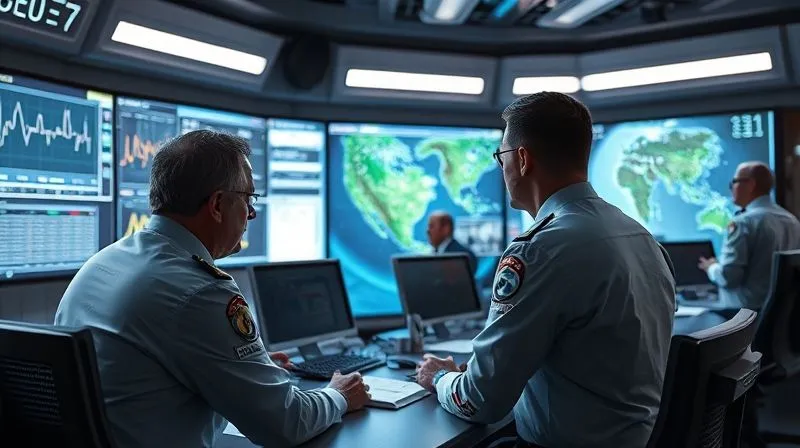
This case highlights that while prevention is key, the ability to react effectively and rapidly when prevention fails is equally vital. It's a testament to the comprehensive approach needed to ensure safety.
Psychological Preparedness & Support
As an industry veteran, I can’t stress enough that physical health is only half the battle. Psychological well-being is an equally critical, often underestimated, factor in how to prevent critical medical incidents for LEO space tourists. The psychological stressors of spaceflight are unique and can profoundly impact an individual's physical health and the overall safety of the mission.
The environment of a LEO spacecraft, while awe-inspiring, is also confined, isolated, and inherently risky. This can lead to various psychological responses:
- Anxiety and Stress: The novelty and danger of space travel, coupled with performance expectations, can induce significant anxiety.
- Claustrophobia: For some, the small, enclosed space can trigger claustrophobic reactions.
- Sleep Disruption: The 90-minute orbital day/night cycle, combined with excitement and stress, often disrupts circadian rhythms, leading to fatigue and impaired judgment.
- Isolation and Loneliness: Being far from Earth and loved ones, even for short LEO missions, can lead to feelings of isolation.
- Crew Dynamics: Living in close quarters with a small group of individuals, often from diverse backgrounds, can lead to interpersonal conflicts if not managed effectively.
Strategies for Psychological Preparedness:
- Pre-flight Psychological Screening: Rigorous assessments to identify individuals prone to maladaptive coping mechanisms or severe psychological reactions.
- Psychological Training: This includes stress management techniques, mindfulness exercises, conflict resolution skills, and communication strategies for confined environments.
- Simulated Missions: Extended periods in ground-based simulations of the spacecraft help individuals adapt to confinement and practice coping strategies.
- Access to Psychological Support: Secure, private communication channels for real-time psychological counseling with ground-based professionals.
- Recreational Activities & Personal Items: Allowing for personal items (photos, music) and providing opportunities for leisure activities (reading, games) can significantly boost morale.
- Structured Work/Rest Cycles: Adhering to a strict schedule for work, exercise, and sleep helps maintain circadian rhythms and reduce fatigue.
A mentally resilient space tourist is better equipped to handle emergencies, communicate effectively, and maintain their physical health. The interplay between mind and body in space is profound; a stressed mind can manifest physical symptoms, and conversely, physical discomfort can exacerbate psychological distress.
"Spaceflight is as much a mental journey as it is a physical one. Nurturing the mind is paramount to safeguarding the body in orbit."
Post-Flight Monitoring & Rehabilitation
The mission doesn't end upon re-entry; the post-flight phase is a crucial, often overlooked, aspect of how to prevent critical medical incidents for LEO space tourists. The body undergoes significant changes in microgravity, and readapting to Earth's gravity requires careful monitoring and, at times, rehabilitation.
Upon landing, space tourists will typically undergo immediate medical checks. This initial assessment focuses on orthostatic intolerance (dizziness upon standing), balance issues, and any acute injuries from landing. Over the next few days and weeks, more detailed examinations are performed.
Key Aspects of Post-Flight Care:
- Immediate Medical Assessment: Cardiovascular stability, neurological function, musculoskeletal integrity, and overall well-being.
- Rehabilitation Programs: Tailored exercise regimes to help regain muscle mass, bone density, and cardiovascular fitness. This often includes balance training to counteract vestibular system changes.
- Nutritional Support: Dietary recommendations to support recovery and address any nutritional deficiencies developed in space.
- Psychological Debriefing: Opportunities to discuss the experience, process emotions, and address any lingering stress or anxiety.
- Long-term Health Monitoring: Regular follow-up appointments to track any potential long-term effects of radiation exposure or other spaceflight-related changes. This data is also invaluable for future space missions.
According to a study published in the Journal of Aerospace Medicine and Human Performance, personalized post-flight rehabilitation programs significantly reduce the duration and severity of readaptation symptoms, enabling space tourists to return to normal life more quickly and safely. This ensures that the adventure doesn't come with lasting health compromises.

My experience has shown that a well-structured post-flight program not only ensures the individual's long-term health but also contributes invaluable data to the scientific community, further refining our understanding of human physiology in space.
The Role of Advanced Aerospace Medicine Research
Finally, to truly secure the future of space tourism and consistently answer how to prevent critical medical incidents for LEO space tourists, we must look to the cutting edge of aerospace medicine research. This field is continuously evolving, driven by insights from decades of human spaceflight and the emerging demands of commercial operations.
Investment in research is not a luxury; it's a necessity. It pushes the boundaries of our understanding and provides the tools for even safer, more accessible space travel.
Frontiers in Aerospace Medicine Research:
- Personalized Medicine: Utilizing genetic profiling and individual physiological data to predict responses to spaceflight and tailor preventative measures.
- Countermeasure Development: Creating more effective pharmacological and exercise countermeasures for bone loss, muscle atrophy, and radiation effects. This includes advanced nutritional supplements and targeted therapies.
- Non-invasive Diagnostics: Developing miniaturized, AI-powered diagnostic tools that can provide real-time, comprehensive health assessments with minimal crew intervention.
- Radiation Shielding & Protection: Innovations in spacecraft design and materials to better protect occupants from cosmic radiation, alongside potential radioprotective pharmaceuticals.
- Artificial Gravity Concepts: Long-term research into partial or artificial gravity environments within spacecraft to entirely mitigate the negative effects of microgravity.
- Advanced Telemedicine & Robotics: Further enhancing remote surgical capabilities and robotic assistance for medical procedures in space.
Organizations like NASA's Human Research Program and private sector innovators are leading the charge. Their work directly informs the protocols and technologies that make space tourism safer. For instance, new insights into ocular changes in space (Spaceflight Associated Neuro-ocular Syndrome - SANS) are leading to better screening and potential countermeasures.
The collaboration between government space agencies, academic institutions, and private space companies is fostering an ecosystem of innovation. This collective effort is paramount in refining our understanding of human limits and extending our capabilities in the orbital frontier.
| Research Area | Impact on LEO Tourists | Current Status |
|---|---|---|
| Personalized Medicine | Tailored risk assessment, preventative therapies | Emerging, active research |
| Countermeasures (Pharmacological) | Reduced bone/muscle loss, radiation protection | In development, clinical trials |
| Non-invasive Diagnostics | Real-time health monitoring, early detection | Prototyping, integration into kits |
| Radiation Shielding | Reduced cancer risk, CNS protection | Advanced material science, design optimization |
"The future of space tourism isn't just about rockets; it's about pioneering the biology and medicine that allow humanity to thrive beyond Earth's embrace."
Frequently Asked Questions (FAQ)
Q: Is space sickness inevitable for LEO space tourists? A: While a significant percentage of first-time space travelers experience Space Adaptation Syndrome (SAS), or space sickness, it is not inevitable. Rigorous pre-flight vestibular adaptation training, combined with prophylactic use of anti-emetic medications, can significantly reduce its incidence and severity. Most symptoms typically subside within 24-72 hours.
Q: How are medical emergencies handled if a doctor isn't onboard? A: In missions without a dedicated physician, at least one crew member is designated as a Crew Medical Officer (CMO) or Designated Crew Member (DCM) and receives extensive medical training. They operate under the direct guidance of ground-based flight surgeons and specialists via real-time telemedicine links. Comprehensive onboard medical kits and emergency re-entry protocols are also in place to ensure rapid response.
Q: What are the long-term health risks for LEO space tourists? A: For short-duration LEO missions typical of space tourism, the long-term risks are generally considered low, but ongoing research is crucial. Primary concerns include a slightly elevated lifetime risk of cancer due to radiation exposure, and potential for persistent neuro-ocular changes (SANS). However, meticulous screening and post-flight monitoring aim to mitigate and track these potential effects.
Q: How much does the medical screening process cost, and who covers it? A: The cost of comprehensive medical screening can be substantial, often ranging from tens of thousands to over a hundred thousand dollars, depending on the depth of testing and any necessary specialist consultations. Typically, this cost is either included in the overall spaceflight package or is borne by the prospective space tourist, given its critical importance for their safety and mission viability.
Q: Can people with pre-existing medical conditions still go to LEO? A: It depends entirely on the nature and severity of the pre-existing condition. Some stable, well-managed conditions might be permissible if they pose no significant risk in the space environment and do not require complex medical interventions. However, conditions that could be exacerbated by microgravity, radiation, or stress, or those requiring regular specialized medical care, would likely disqualify a candidate. Each case is assessed individually by aerospace medical experts.
Key Takeaways and Final Thoughts
As we stand on the cusp of a new era of human space exploration, driven by the burgeoning space tourism industry, understanding how to prevent critical medical incidents for LEO space tourists is not just a regulatory hurdle—it is a moral imperative. My journey through this evolving field has reinforced one fundamental truth: safety is not an afterthought; it is the foundation upon which every successful mission is built.
The comprehensive approach I’ve outlined is not theoretical; it is drawn from decades of painstaking research, countless hours of training, and the unwavering dedication of aerospace medical professionals. To recap, the pillars of preventing medical incidents include:
- Uncompromising Pre-flight Medical Screening: The first and most critical line of defense.
- Tailored Physical and Psychological Training: Building resilience and competence.
- Robust Onboard Medical Systems: Equipped for diagnosis and immediate intervention.
- Meticulous Emergency Response Planning: Ensuring rapid and effective reaction to the unexpected.
- Dedicated Psychological Support: Recognizing the profound impact of mental well-being.
- Thorough Post-flight Monitoring & Rehabilitation: Ensuring safe readaptation and long-term health.
- Continuous Investment in Aerospace Medicine Research: Pushing the boundaries of safety and human capability.
The dream of spaceflight is now within reach for more people than ever before. It is our collective responsibility to ensure that this extraordinary experience remains one of wonder, not peril. By embracing these rigorous standards and fostering a culture of safety, we can confidently open the doors to LEO, allowing more individuals to witness the breathtaking beauty of our planet from above, knowing their health and well-being are paramount. The sky is no longer the limit; let us ensure that our medical preparedness matches our ambitions.
Recommended Reading
- Villa Concierge: Which Services Are Actually Worth Paying For?
- Conquer Your Fears: Solo Dining Tips for Shy Travelers Revealed
- The Ultimate Guide: How to Plan a National Park Trip with Toddlers Successfully
- The Ultimate Guide: What to Pack for a Month in a Quaint Coastal Town?
- Unlock Your Adventure: How to Plan an Accessible Adaptive Sports Vacation





Your email address will not be published. Required fields are marked *