

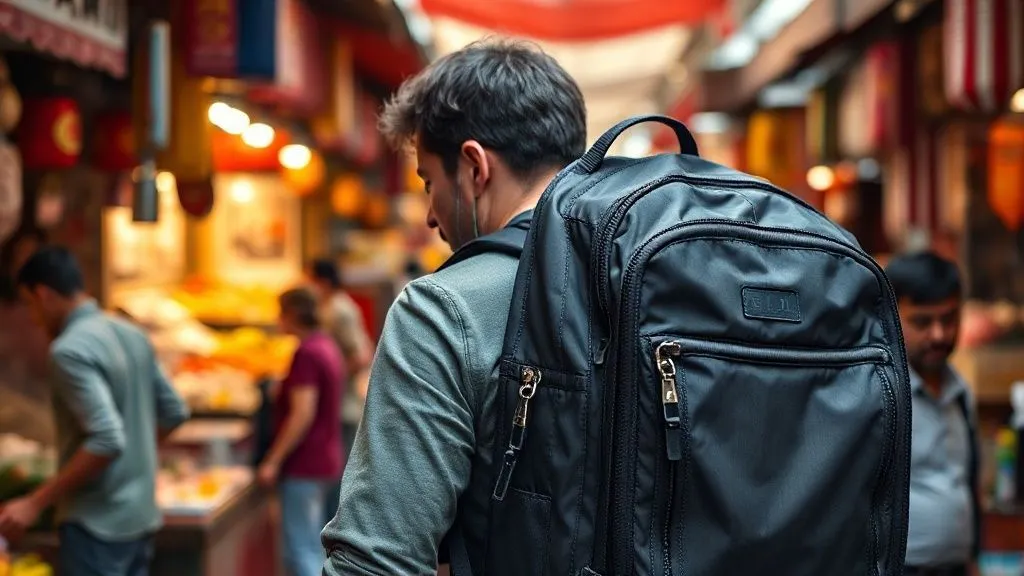
How to Overcome Gear Theft Risk as a Solo Travel Photographer?
For over two decades, traversing continents with nothing but my camera bag and a thirst for capturing untold stories, I've witnessed the exhilarating highs and the devastating lows of solo travel photography. I've seen fellow photographers, brimming with passion, have their dreams abruptly shattered by the chilling reality of gear theft. It's a stark reminder that while the world offers endless beauty, it also harbors risks that demand our utmost attention.
The solo journey, while incredibly liberating and creatively fulfilling, inherently presents a unique vulnerability. You're both the artist and your own security detail, often navigating unfamiliar territories with thousands of dollars worth of equipment. The underlying fear of losing that irreplaceable camera, those cherished lenses, or even the memory cards brimming with untold stories, can cast a long, paralyzing shadow over an otherwise incredible adventure, turning potential masterpieces into moments of anxiety.
But it doesn't have to be this way. Drawing from my extensive experience and countless lessons learned, I've developed a comprehensive framework designed to empower solo travel photographers. This isn't just about locking things up; it's about a holistic, proactive approach to security – from strategic planning and smart gear choices to heightened situational awareness and robust recovery protocols. By the end of this definitive guide, you’ll be equipped with actionable strategies to not only mitigate gear theft risk but to reclaim the joyous, unburdened spirit of solo photographic exploration.
The Solo Photographer's Unique Vulnerability: An Expert's View
When you're a solo travel photographer, you're inherently a one-person crew. There's no partner to watch your back while you're engrossed in composing a complex shot, no friend to guard your bag while you grab a quick coffee or consult a map. This isolation, while fostering immense independence and allowing for unparalleled flexibility, significantly amplifies your exposure to opportunistic theft.
I've seen it happen in countless forms: the classic snatch-and-grab in a crowded market, the elaborate distraction scam near a popular landmark, or even more insidiously, a break-in to a seemingly secure hotel room or parked vehicle. Thieves often target solo individuals because they perceive them as easier marks – less likely to resist, and with no immediate backup or witness. The value of modern camera equipment also makes solo photographers particularly attractive.
The impact of gear theft extends far beyond the immediate financial loss. It's the profound emotional blow of losing irreplaceable images and memories, the disruption to your meticulously planned travel itinerary, and the deep sense of violation. It can make you question your safety, your judgment, and even your passion for photography. This is precisely why a proactive, multi-layered defense strategy is not just advisable, but absolutely crucial for every solo travel photographer.
"Vigilance isn't paranoia; it's the intelligent application of awareness, especially when your livelihood, your passion, and your irreplaceable memories are literally strapped to your back."
Strategic Gear Selection: Travel Light, Travel Smart
In my early days of solo travel photography, I made the common mistake of carrying every lens, accessory, and gadget I owned, thinking 'just in case.' I quickly learned that an overloaded bag is not only physically uncomfortable but also an obvious invitation for discomfort and, more critically, an unmistakable target. Less truly is more when it comes to solo travel photography security, allowing you to move more freely and discreetly.
The "Gray Man" Principle for Photography
The 'Gray Man' principle is a philosophy of blending into your environment, making yourself unremarkable and unnoticeable. For photographers, this means actively avoiding flashy camera bags, logo-emblazoned straps, and overt displays of expensive, high-tech equipment. You want to look like a casual tourist, not a walking electronics store advertisement. The less you stand out, the less likely you are to be identified as a high-value target.
- Opt for discreet bags: Choose non-descript messenger bags or backpacks that don't scream 'camera gear inside.' Look for designs that prioritize function and anonymity over brand recognition.
- Tape over logos: Use black electrical tape to strategically cover prominent brand logos on your camera body, lenses, and even your camera strap. This simple trick makes your gear less identifiable and less appealing to opportunistic thieves.
- Dress locally: Try to match local attire where appropriate. While not always feasible, making an effort to blend in with the local population can significantly reduce your visibility as an obvious outsider or wealthy tourist.
Essential vs. Expendable: What to Pack?
Before every trip, I meticulously review my gear list, asking myself a critical question for each item: 'Is this absolutely essential for the stories I want to tell, or the specific projects I'm undertaking?' If it's not, it stays home. Redundancy in specific, high-value lenses or carrying multiple camera bodies often isn't necessary for most solo trips and only adds weight and risk.
| Category | Example Gear |
|---|---|
| Absolutely Essential | Primary Camera Body, Versatile Zoom Lens (e.g., 24-70mm f/2.8), 1-2 Spare Batteries, Ample Memory Cards, Lightweight Travel Tripod |
| Situational/Consider | Compact Prime Lens (e.g., 50mm f/1.8), Compact Drone (if permitted), Portable External Hard Drive, ND/Polarizing Filters |
| Leave at Home | Heavy Telephoto Lens (unless specific wildlife focus), Multiple Redundant Camera Bodies, Studio Flashes/Lighting Equipment, Excessive Specialized Accessories |
Advanced Physical Security: Fortifying Your Equipment
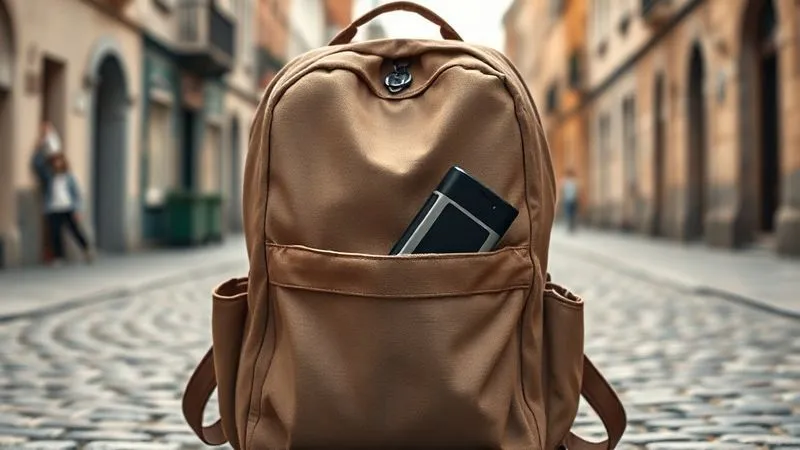
Beyond simply choosing the right gear and making it less obvious, it's about how you physically protect it. Basic zippers and flimsy straps offer little resistance to a determined thief. You need layers of physical security that actively deter, delay, and, if necessary, alert you to a potential threat.
Anti-Theft Bags and Straps: Your First Line of Defense
Modern anti-theft bags are truly game-changers for solo photographers. They incorporate advanced features like cut-resistant materials, lockable zippers, and sometimes even RFID-blocking pockets to protect your passport and credit cards. Paired with a sturdy, slash-resistant camera strap, they make a thief's job significantly harder and far less appealing.
- Invest in cut-resistant fabric: Look for bags constructed with materials like Dyneema or those that incorporate steel mesh reinforcements within the fabric panels. These resist knife attacks designed to quickly open a bag.
- Utilize lockable zippers: Always use the integrated locking mechanisms or add small padlocks to the main compartments, especially in crowded areas, on public transport, or when momentarily setting your bag down.
- Secure straps: Choose camera straps that have steel wire reinforcement to prevent slash-and-run attacks. Ensure they are securely attached to your camera body.
- Anchor your bag: Many anti-theft bags include a built-in cable lock that allows you to secure your bag to an immovable object (like a chair leg in a cafe or a bed frame in a hostel) when you need to briefly step away or sleep.
Personal Alarms and Tracking Devices
Small, discreet personal alarms can be surprisingly powerful deterrents. A sudden, loud, unexpected noise can startle a thief, draw immediate attention, and often cause them to abandon their attempt. GPS trackers, while not foolproof and requiring a power source, can significantly aid in recovery if your gear is stolen and you've managed to activate and monitor its location quickly.
The Art of Disguise: Making Gear Less Appealing
I've often used old, worn-out lens caps, a simple piece of cloth, or even a strategically placed sticker to cover my camera when not in active use. The goal is to make your gear look less valuable, less 'new,' and less desirable to a casual observer. A scuffed-up, seemingly unremarkable lens often looks far less appealing than a pristine, shiny one, making you a less attractive target.
"Security isn't just about preventing theft; it's about making your gear such a hassle to steal that a thief moves on to an easier, less risky target."
Situational Awareness: Your Most Powerful Tool
No amount of physical security hardware can fully replace sharp, honed situational awareness. This is your internal alarm system, constantly scanning your environment, anticipating potential risks, and, most importantly, trusting your gut instincts. As a solo travel photographer, this skill is paramount; it is the cornerstone of how to overcome gear theft risk as a solo travel photographer.
Blending In, Not Standing Out
Beyond disguising your gear, your behavior and demeanor matter immensely. Avoid looking lost, constantly checking maps on your phone in public, or overtly displaying large amounts of cash or valuables. Walk with purpose, maintain appropriate eye contact, and project an air of confidence and self-assurance, rather than vulnerability. This makes you a less appealing target.
- Pre-plan routes: Always have a general idea of where you're going before you leave your accommodation. Minimize hesitation or looking obviously lost in public spaces.
- Limit distractions: Avoid walking with headphones in both ears or being completely engrossed in your phone. Maintain an active awareness of your surroundings.
- Observe locals: Pay attention to how locals carry themselves, interact, and secure their belongings. Mimicking their habits can help you blend in more effectively.
Safe Shooting Practices
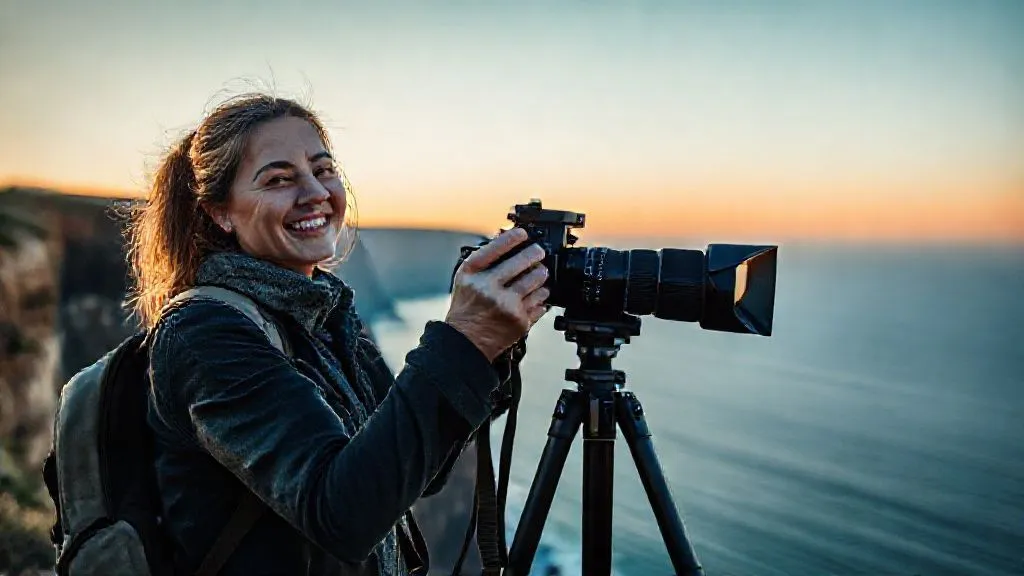
When you're deeply absorbed in composing a perfect sunrise shot or capturing a vibrant street scene, it's incredibly easy to drop your guard. This is precisely when you're most vulnerable. Never set your bag down out of sight, even for a second. If using a tripod, always secure your camera to it with a sturdy quick-release plate, and consider attaching your main camera bag to the tripod leg for added stability and security.
Public Transport and Accommodation Safety
Public transport, busy terminals, and hostel dorms are unfortunately common hotspots for theft. On buses, trains, or subways, always keep your most valuable bag on your lap, between your feet, or in a position where you can maintain constant physical contact. In hostels, always utilize the lockers provided for all valuables, even for short absences. In hotels, make use of the in-room safe for smaller items, and consider anchoring your main camera bag to a heavy piece of furniture if no safe is large enough.
Case Study: How Mia, a Solo Travel Photographer, Saved Her Gear in Marrakech
Mia, a seasoned solo travel photographer, was navigating the labyrinthine souks of Marrakech, a place notorious for its bustling crowds and potential for petty theft. While completely engrossed in capturing the vibrant colors and textures of a spice stall, she felt a slight but distinct tug on her camera bag, which was secured with a slash-resistant strap worn cross-body and lockable zippers. Her heightened situational awareness, honed over years of solo travel, immediately kicked in. Instead of reacting directly or showing panic, she subtly shifted her weight, making her bag less accessible, and calmly turned to face the direction of the tug. As she made direct eye contact with a suspicious individual, he quickly melted back into the dense crowd. Mia's proactive vigilance, combined with her physical deterrents, prevented a potential theft without escalating the situation. This resulted in her being able to continue her shoot undisturbed, her valuable gear intact, a testament to the power of constant awareness and preparation.
Digital & Data Security: Protecting Your Masterpieces
While physical gear is often replaceable (albeit expensively), the images you create are not. Losing your camera is devastating, but losing an entire trip's worth of irreplaceable photographs is often far worse, representing a loss of memories and potentially professional work. Digital security is an often-overlooked but absolutely critical aspect of solo travel photography.
Redundant Backup Strategies
I cannot stress this enough: backup, backup, backup. As soon as physically possible, transfer your images to at least two separate locations. My personal routine involves a rugged, portable SSD and a reliable cloud service, sometimes even a second set of memory cards kept completely separate from the primary set. Never rely on a single point of failure for your precious files.
- Daily Transfer: At the end of each day, or even mid-day if you have a large shoot, transfer all photos from your memory cards to a portable, rugged external SSD.
- Cloud Sync: If internet access is reliable and secure, upload your daily shoots to a reputable cloud storage service (e.g., Google Drive, Dropbox, Backblaze). This creates an invaluable off-site backup.
- Separate Storage: Whenever feasible, keep your primary memory cards, portable SSD, and laptop in different bags or locations. This way, a single theft event doesn't wipe out everything you've captured.
Geotagging and Metadata Precautions
While geotagging can be a useful tool for organizing your images, be extremely mindful of sharing exact locations in real-time, especially if you're posting about your current whereabouts on social media. Thieves can use this information to track your movements. Consider stripping geotag data from images before sharing online, or only share images with location data after you've moved on from that specific area.
The Power of Insurance: Peace of Mind for the Unforeseen
Even with the most stringent security measures, accidents and sophisticated thefts can, unfortunately, still happen. This is where comprehensive insurance becomes your ultimate safety net. It’s not merely an expense; it’s an essential investment in your peace of mind and, for many, in your photographic career. It allows you to focus on your art, knowing you have a fallback.
Understanding Travel Insurance vs. Dedicated Gear Insurance
Standard travel insurance policies often have surprisingly low limits for electronics and other valuables, sometimes as little as a few hundred dollars. For serious photographers with thousands of dollars worth of equipment, a dedicated camera equipment insurance policy is usually a non-negotiable. These specialized policies offer significantly higher coverage limits, often cover specific risks like accidental damage, and typically have lower deductibles for gear claims.
| Feature | Travel Insurance (Typical) | Dedicated Gear Insurance (Typical) |
|---|---|---|
| Coverage Limit | $500 - $1,500 total for all valuables | $5,000 - $20,000+ per item/policy |
| Accidental Damage | Often limited or excluded | Usually included (e.g., drops, spills, water damage) |
| Theft Coverage | Often requires specific circumstances (e.g., forced entry) | Broader theft coverage, including mysterious disappearance |
| Deductible | Generally higher | Typically lower, especially for professional policies |
Documentation and Claims Process
Before you even leave for your trip, meticulously document all your gear. Create a comprehensive spreadsheet with the make, model, serial numbers, purchase dates, and estimated current values for every piece of equipment. Take clear photographs of your equipment. This detailed documentation is absolutely invaluable for both police reports and insurance claims, significantly streamlining the process. Keep digital copies stored securely in the cloud and a physical copy separate from your gear.
Post-Theft Protocols: What to Do If the Worst Happens
Despite all precautions, sometimes the worst-case scenario unfolds. Knowing exactly what to do in the immediate aftermath of a theft can significantly improve your chances of recovery or, at the very least, ensure a successful insurance claim. Don't panic; instead, act strategically and methodically.
Immediate Steps
Your first priority must always be your personal safety. Once you are in a safe location, immediately report the theft to the local police. It is crucial to obtain an official police report, as this document is almost universally required by insurance providers to process a claim. Make sure to note the officer's name, badge number, and the case reference number. Following this, contact your insurance provider as soon as possible to initiate the claims process and understand their specific requirements.
Consult general travel safety advice from the U.S. Department of State.Digital Footprint & Community Support
If you had a tracking device installed on your camera or laptop, activate it immediately and monitor its location. If your camera or laptop has an internet connection and tracking software enabled, attempt to locate it remotely. Additionally, utilize online photography communities, forums, and lost gear databases to spread the word. Sometimes, the collective power of the photographic community can lead to unexpected recoveries or provide valuable information.
"Preparation isn't just about preventing the fall; it's about having the right net ready and knowing how to use it when you do."
Frequently Asked Questions (FAQ)
Q: Is it really necessary to tape over my camera logos? A: Absolutely. While it might seem like a minor detail, taping over prominent brand logos on your camera body and lenses makes your gear significantly less identifiable and less appealing to opportunistic thieves. It helps you blend in and adhere to the 'Gray Man' principle, reducing the chances of being singled out as someone carrying expensive, high-end equipment. It's a simple, effective, and often overlooked deterrent.
Q: What's the best way to secure my gear in a hostel dorm? A: Always utilize the largest available locker for your main camera bag. If your entire bag doesn't fit, anchor it to a sturdy, immovable object like a bed frame or a heavy piece of furniture using a portable cable lock. Keep smaller, high-value items like extra lenses, memory cards, or a compact camera in a smaller, lockable pouch that can fit in a smaller locker or be kept on your person. Never leave anything valuable unsecured, even for a quick shower or trip to the common room.
Q: Should I carry all my gear with me, or leave some at the hotel? A: This crucial decision depends heavily on the specific security of your accommodation and your daily itinerary. If your hotel has a reliable, large enough in-room safe or a secure luggage room, it's often safer to leave non-essential gear behind. However, if your accommodation feels insecure, or if you're frequently moving between locations, it might be better to keep your most valuable items on your person in a secure, anti-theft bag. Always evaluate the risk versus the convenience for your unique situation.
Q: How do I handle street photographers or vendors who try to distract me? A: Maintain a firm but polite demeanor. Acknowledge them briefly but do not engage in prolonged conversation if it feels like a deliberate distraction. Keep your hands on your bag or camera, and slowly but purposefully move away from the situation. Trust your intuition implicitly; if something feels off, disengage immediately. Your personal safety and gear security are always the absolute priority.
Q: What's the most common mistake solo photographers make regarding security? A: The most common and dangerous mistake I've observed is complacency – letting their guard down in seemingly safe environments, or when they become overly engrossed in composing a shot. They might momentarily set their bag down, hang their camera on the back of a chair, or become too focused on their viewfinder to notice their surroundings. Remember, thieves are opportunists, and a moment's lapse in vigilance is all they need. Constant, subtle awareness is the most critical defense.
Key Takeaways and Final Thoughts
The solo travel photography journey is an incredibly rewarding adventure, brimming with opportunities for discovery, self-expression, and capturing the world's untold stories. Don't let the fear of gear theft diminish that profound experience or hold you back from pursuing your passion.
- Embrace the 'Gray Man' Principle: Blend in, make your gear less obvious, and avoid overt displays of wealth to become a less attractive target.
- Invest in Layered Physical Security: Utilize advanced anti-theft bags, lockable zippers, and secure straps as your robust first line of defense against opportunistic thieves.
- Cultivate Unwavering Situational Awareness: Your vigilance, intuition, and constant scanning of your environment are your most powerful and indispensable security tools.
- Implement Robust Digital Backup Strategies: Protect your irreplaceable images and memories with redundant cloud and local storage solutions, ensuring no single point of failure.
- Secure Comprehensive Insurance: A dedicated photography gear policy provides essential peace of mind and vital financial protection against the unforeseen, allowing you to shoot with confidence.
- Know Your Post-Theft Protocols: Be prepared to act swiftly and strategically if the worst-case scenario occurs, improving your chances of recovery or successful claims.
By diligently adopting and integrating these expert strategies into your solo travel photography practice, you're not just protecting your valuable equipment; you're safeguarding your passion, your hard-earned memories, and your ability to continue telling the world's most captivating stories through your unique lens. Go forth, explore, and capture with unwavering confidence, knowing you've taken every reasonable step to secure both your valuable tools and your unforgettable moments.
Recommended Reading
- Unlock the Secrets: Your Ultimate Guide to Sustainable Volunteer Trips
- Feeling Stuck? 7 Solo Travel Journeys That Spark Profound Career Shifts
- Conquer Your Fears: Solo Dining Tips for Shy Travelers Revealed
- 7 Hacks: Discovering Hidden Urban Adventures on Rushed Business Trips
- 7 Clever Hacks: Budget Meals for Long-Term Travel with No Kitchen

Your email address will not be published. Required fields are marked *