

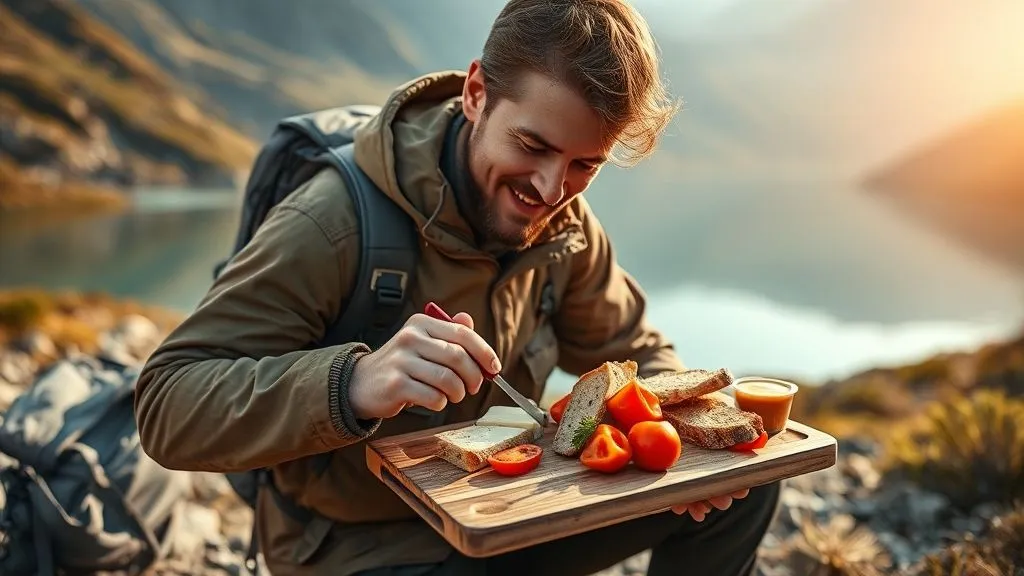
How to Prepare Budget Meals for Long-Term Travel with No Kitchen?
For over 15 years navigating the intricate world of budget travel, I’ve witnessed firsthand the profound impact that food choices have on a traveler’s experience, budget, and overall well-being. I've seen countless adventurers, full of zeal, quickly deflate as they face the daily grind of expensive restaurant meals or the perplexing challenge of eating healthily without a proper kitchen. It's a common pitfall, one that can derail even the most meticulously planned long-term journey.
The problem is stark: you’re on the road, perhaps backpacking through Southeast Asia, exploring Europe, or trekking across South America. Your accommodation might be a hostel dorm, a guesthouse room, or even a tent – none of which typically come with a fully-equipped kitchen. Eating out constantly drains your precious travel funds, often leading to unhealthy choices, while the thought of "cooking" without a stove or fridge seems utterly daunting. This dilemma often leaves travelers feeling frustrated, financially strained, and gastronomically uninspired.
But what if I told you that preparing budget meals for long-term travel with no kitchen isn't just possible, but entirely achievable and even enjoyable? In this definitive guide, I'll share expert strategies, battle-tested hacks, and creative meal frameworks that will empower you to eat well, save money, and maintain your energy levels, regardless of your culinary limitations. We'll dive into actionable steps, real-world examples, and invaluable insights that will transform your travel eating habits.
Understanding the "No-Kitchen" Challenge: A Paradigm Shift
The first step to conquering the no-kitchen challenge is to fundamentally shift your perception of what "cooking" entails. Forget the elaborate stovetop creations or oven-baked feasts. On the road, cooking becomes an art of assembly, hydration, and intelligent ingredient selection. It's about resourcefulness and making the most of minimal tools and accessible ingredients.
Redefining "Cooking" on the Go
When you lack a traditional kitchen, your culinary landscape changes dramatically. "Cooking" might mean soaking oats overnight, rehydrating couscous with hot water from a kettle, or simply artfully combining fresh produce with shelf-stable proteins. It’s about understanding which ingredients require minimal preparation and can be transformed into satisfying meals with just a knife, a cutting board, and perhaps a bowl.
This redefinition is liberating. It frees you from the expectation of gourmet meals and opens up a world of simple, nutritious, and incredibly cost-effective options. My experience has shown that some of the most memorable travel meals are often the simplest, prepared with local ingredients and a dash of creativity.
Essential Gear: Your Portable Pantry & Prep Kit
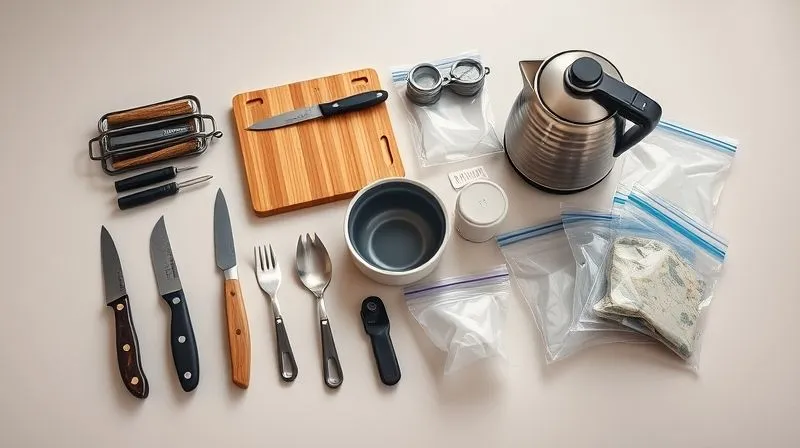
You don't need much, but a few key items can dramatically expand your no-kitchen culinary capabilities. Think lightweight, multi-functional, and durable.
- A Sharp Knife & Small Cutting Board: Essential for fresh produce. A small, foldable bamboo board or a hard plastic one works wonders.
- Reusable Cutlery & Plate/Bowl: Ditch disposables. A lightweight plastic or bamboo set is perfect.
- Sealable Containers/Bags: For storing leftovers, pre-chopped ingredients, or carrying snacks. Silicone bags are excellent.
- A Small Electric Kettle: If your accommodation doesn't provide one, this is a game-changer for hot water (instant noodles, coffee, tea, couscous, oatmeal).
- Collapsible Cup/Mug: For drinks, instant soups, or even measuring.
- Multi-tool or Can Opener: For those unexpected culinary needs.
- Small Bottle of Dish Soap & Sponge: Keep your few items clean.
"In the realm of no-kitchen travel, your gear isn't just tools; it's an extension of your resourcefulness. Every item should earn its place in your backpack by offering multiple uses and minimizing bulk."
With these few items, you're not just a traveler; you're a self-sufficient culinary explorer, ready to tackle the challenge of how to prepare budget meals for long-term travel with no kitchen.
The Art of Strategic Grocery Shopping: Maximizing Value, Minimizing Waste
Your journey to budget-friendly meals without a kitchen begins long before you even think about "cooking." It starts at the grocery store or local market. Strategic shopping is paramount, demanding a keen eye for value, an understanding of shelf-stability, and a willingness to embrace local offerings.
Local Markets vs. Supermarkets: Where to Find the Best Deals
This is a classic traveler's dilemma, and my advice is always to blend the two. Local markets, especially farmer's markets, are often goldmines for fresh, seasonal produce at unbeatable prices. You'll find ripe fruits, vibrant vegetables, and sometimes even fresh bread or local cheeses. They offer an authentic cultural experience too.
Supermarkets, on the other hand, are your go-to for shelf-stable staples, packaged goods, and sometimes better deals on items like canned goods, pasta, or larger quantities of essentials. Always compare prices, especially for non-perishables. Don't be afraid to visit both to get the best of both worlds. For more comprehensive tips on saving money while traveling, I often refer to insights from seasoned budget travel experts, like those found on Nomadic Matt's blog.
Shelf-Stable Staples: Your Backpack's Best Friends
When refrigeration is a luxury, shelf-stable ingredients become your culinary backbone. These are the items that don't spoil quickly and can be stored easily in your backpack or a locker.
- Grains: Couscous (just needs hot water), instant oatmeal, quinoa (some instant varieties), crackers, rice cakes.
- Proteins: Canned tuna/sardines/chicken, hard cheeses (some varieties last well), lentils (dried or pre-cooked pouches), nuts, seeds, nut butters.
- Legumes: Canned chickpeas, black beans, kidney beans.
- Fruits & Vegetables: Apples, oranges, bananas (consume quickly), carrots, bell peppers, small tomatoes (for a few days), dried fruit.
- Condiments: Small packets of olive oil, vinegar, salt, pepper, hot sauce, soy sauce (often found free at fast-food places or taken from previous accommodations).
Remember, buying in bulk for non-perishables can often save money, but only if you'll consume it before it expires or if you have space to carry it. Prioritize smaller quantities for fresh items.
Seasonal & Local Produce: Flavor on a Budget
Embracing what's in season and locally available is not only budget-friendly but also offers the freshest flavors. A ripe mango purchased from a street vendor in Thailand will taste infinitely better and be cheaper than an imported one in a supermarket. Ask locals what's good and in season. This approach also supports local economies and encourages you to try new things.
| Category | Shelf-Stable Options | Perishable Counterparts (Avoid) |
|---|---|---|
| Grains | Couscous, Instant Oats, Crackers | Fresh Bread (short lifespan), Cooked Pasta (needs fridge) |
| Proteins | Canned Tuna/Chicken, Nuts, Seeds, Nut Butter | Raw Meat, Dairy Yogurt |
| Legumes | Canned Chickpeas/Beans, Dried Lentils | Tofu (unless UHT), Fresh Hummus |
| Fruits/Veggies | Apples, Oranges, Carrots, Bell Peppers | Berries, Leafy Greens (unless eaten same day) |
Master the No-Cook & Minimal-Cook Meal Frameworks
This is where the magic happens – transforming simple ingredients into satisfying meals without the need for a full kitchen. It’s about leveraging techniques that require minimal heat or no heat at all, focusing on assembly and hydration.
The Power of Assembly: Salads, Wraps & Bowls
Think of your plate (or bowl) as a canvas. The simplest and often healthiest meals are those you assemble. This framework is perfect for how to prepare budget meals for long-term travel with no kitchen.
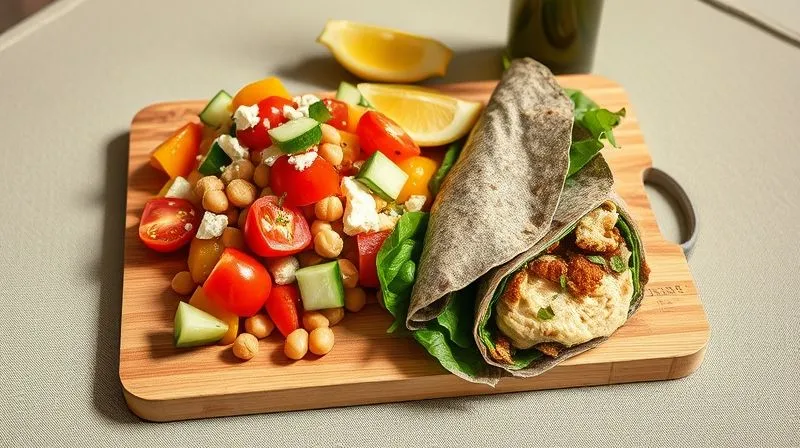
- Traveler's Salad: Combine chopped fresh vegetables (cucumber, tomato, bell pepper, carrot), a can of chickpeas or tuna, some hard-boiled eggs (if purchased fresh), and a simple dressing of olive oil and vinegar. Add some crumbled crackers for crunch.
- Wrap Wonders: Tortillas are incredibly versatile. Fill them with canned beans, salsa (from a jar), shredded cheese, and any fresh veggies you have. Nut butter and banana wraps make a great sweet option.
- Grain Bowls: If you have access to hot water, instant couscous or quinoa forms a fantastic base. Top with canned legumes, chopped veggies, and a protein source like canned fish or nuts.
The key here is layering flavors and textures. Don't be afraid to experiment with different combinations. A little hot sauce or a pinch of dried herbs can elevate a simple assembly into a truly enjoyable meal.
Hydration & Soaking: Beyond Boiling Water
Hot water, often available from an electric kettle in your room or a hostel common area, is your best friend. But even without it, some ingredients can be "cooked" by soaking.
- Overnight Oats: Combine rolled oats, water or milk (shelf-stable UHT milk works), dried fruit, and nuts in a container. Let it soak overnight. A delicious, nutritious breakfast awaits.
- Couscous & Instant Noodles: These only require hot water to rehydrate. While instant noodles aren't the healthiest, they can be upgraded with fresh veggies, a hard-boiled egg, or a spoonful of nut butter for added protein and flavor.
- Rehydrated Dried Vegetables/Legumes: Some dried veggies (e.g., sun-dried tomatoes, mushrooms) and even certain legumes can be rehydrated with plain water over several hours, though this requires planning.
The beauty of these methods is their simplicity and the minimal equipment required. It’s about leveraging the inherent properties of your ingredients.
The Art of the 'Traveler's Sandwich'
The humble sandwich, wrap, or pita pocket is a cornerstone of no-kitchen eating. It's infinitely customizable and incredibly portable. I often tell fellow travelers, "Don't underestimate the power of a well-constructed sandwich!"
Focus on dense, whole-grain breads or sturdy tortillas that won't fall apart. Fillings can range from hard cheese and a sturdy vegetable like bell pepper, to canned fish with a squeeze of lemon, or even a hearty spread of hummus and olives. The goal is a balanced meal that offers protein, fiber, and some healthy fats to keep you energized for your adventures.
Elevating Your Meals: Flavor Boosters & Nutrient Hacks
Eating on a budget with no kitchen doesn't mean sacrificing flavor or nutrition. With a few smart additions, you can transform bland into brilliant and ensure your body gets what it needs for long-term travel.
Spices & Condiments: Small Packages, Big Impact
Carrying a small spice kit can be a game-changer. Small plastic baggies with a pinch of salt, pepper, chili flakes, oregano, or curry powder can instantly elevate any meal. Similarly, mini bottles or sachets of hot sauce, soy sauce, or a simple vinaigrette can add much-needed zest.
- Salt & Pepper: The absolute basics.
- Chili Flakes/Powder: Adds a kick to almost anything.
- Dried Herbs: Oregano, basil, thyme – versatile for many dishes.
- Curry Powder: Great for instant noodles or grain bowls.
- Hot Sauce: A universal flavor enhancer.
- Soy Sauce/Tamari: For umami depth, especially with Asian-inspired meals.
- Lemon/Lime Juice: Brightens flavors and adds a fresh touch (can be bought fresh or in small bottles).
These small additions are light, take up minimal space, and provide an incredible return on investment in terms of taste and enjoyment.
Protein Power-Ups: Non-Perishable & Readily Available
Maintaining adequate protein intake is crucial for energy and muscle repair, especially during active travel. Focus on sources that don’t require refrigeration or complex cooking.
- Canned Fish/Chicken: Tuna, salmon, sardines, chicken breast in water/oil. These are convenient and packed with protein.
- Nuts & Seeds: Almonds, walnuts, peanuts, cashews, sunflower seeds, pumpkin seeds. Excellent for snacking or adding to meals.
- Nut Butters: Peanut butter, almond butter. High in protein and healthy fats, perfect for crackers or fruit.
- Hard Cheeses: Varieties like Parmesan or aged cheddar can last several days without refrigeration, especially in cooler climates.
- Dried Lentils/Chickpeas: If you have access to hot water and time for soaking, these are incredibly nutritious. Pre-cooked pouches are even easier.
Don't overlook the power of these simple protein sources. They are vital for sustaining your energy throughout your long-term adventures. Understanding the importance of protein for energy and muscle recovery is key, especially when active. The Mayo Clinic provides excellent insights into daily protein needs and sources.
Freshness Factor: How to Keep Produce Longer
Even without a fridge, you can extend the life of some fresh produce. Store items in a cool, dark, well-ventilated spot. Keep fruits and vegetables separate, as some fruits emit ethylene gas which ripens (and spoils) other produce faster. For leafy greens, a slightly damp paper towel in a sealed bag can buy you an extra day or two. Prioritize consuming more delicate items first.
Case Study: Maria's Mediterranean Mix-Up
Maria, a solo traveler exploring the Greek islands on a tight budget, faced the classic no-kitchen dilemma in her guesthouse room. Instead of succumbing to expensive taverna meals, she adopted a strategic approach to how to prepare budget meals for long-term travel with no kitchen. Her daily routine involved visiting local markets for fresh tomatoes, cucumbers, and olives. For protein, she relied on canned sardines and local feta cheese, which she found lasted well for a couple of days in her cool room.
Maria's signature meal became her "Mediterranean Travel Bowl." She'd combine instant couscous (hydrated with hot water from her kettle) with chopped fresh veggies, the sardines, crumbled feta, and a drizzle of olive oil she carried in a small bottle. A pinch of dried oregano and a squeeze of lemon (from a local vendor) completed the dish. By implementing these simple, no-cook strategies, Maria not only saved significant money – an estimated €25-€30 per day compared to eating out – but also enjoyed fresh, healthy, and culturally immersive meals. This resulted in her extending her trip by an extra week, a direct benefit of her budget-conscious food choices.
Beyond the Plate: Food Safety & Sustainability on the Road
Eating without a kitchen presents unique challenges, not just for meal preparation but also for ensuring food safety and minimizing your environmental footprint. As an experienced traveler, I can't stress enough the importance of these aspects.
Keeping it Safe: Handling & Storage Without Refrigeration
Foodborne illness is a traveler's worst nightmare. Without a fridge, vigilance is key. Without a fridge, vigilance is key. According to the World Health Organization, proper food handling can prevent many illnesses. Always:
- Wash Your Hands: Before and after handling food, especially if you’ve been out and about.
- Clean Your Gear: Wash your knife, cutting board, and containers immediately after use with soap and water.
- Buy Small Quantities of Perishables: Only what you plan to eat that day or the next.
- Store in Cool, Dark Places: Away from direct sunlight or heat sources.
- Use Airtight Containers: To protect food from pests and prevent contamination.
- When in Doubt, Throw It Out: If something smells off or looks suspicious, don't risk it.
"When traveling without a kitchen, your best defense against foodborne illness is impeccable hygiene and a healthy dose of skepticism regarding perishable items."
These simple rules are crucial when you're figuring out how to prepare budget meals for long-term travel with no kitchen.
Reducing Waste: Eco-Friendly Travel Eating
Long-term travel should ideally be sustainable travel. Your food choices and habits can significantly impact your environmental footprint.
- Reusable Everything: Cutlery, plates, bowls, water bottles, coffee cups, shopping bags.
- Avoid Single-Use Plastics: Say no to plastic bags, straws, and disposable containers.
- Buy Local & Seasonal: Reduces transportation emissions and supports local farmers.
- Compost (if possible): In some eco-conscious accommodations or communities, you might find composting options for food scraps.
- Minimize Food Waste: Plan your meals, buy only what you need, and eat leftovers promptly.
Being mindful of your waste reduces your impact and often aligns with budget-friendly practices.
Finding Hidden Kitchens & Community Resources
While this guide focuses on "no kitchen," sometimes a little creative seeking can uncover shared culinary spaces that significantly expand your options.
Hostels, Guesthouses, and Shared Spaces
Many hostels, especially those catering to backpackers, offer communal kitchens. Even if your room doesn't have one, check if the property has a shared area. These are fantastic for more elaborate cooking, meeting other travelers, and sharing ingredients. Even if it's just a microwave and a sink, that's more than nothing!
Some guesthouses or Airbnb rentals might advertise "kitchenette" facilities, which often include a microwave, a small fridge, and a kettle. Always read descriptions carefully or ask the host directly about available cooking amenities.
Leveraging Local Hospitality & Apps
Don't underestimate the kindness of strangers or the power of community. In some cultures, sharing food or offering a cooking space is a gesture of hospitality. Apps like Couchsurfing often have local communities where you might find someone willing to share their kitchen for an evening. Always approach with respect and offer to share your meal or help with cleanup.
For finding budget-friendly food options or even places with communal kitchens, resources like Lonely Planet's budget travel guides or local travel blogs can be invaluable. They often list hostels with kitchens or local eateries that offer great value.
Sample Meal Plans & Creative Combinations
To give you a concrete idea of how to implement these strategies, here's a sample meal plan for a few days, demonstrating how to prepare budget meals for long-term travel with no kitchen.
A Week of No-Kitchen Wonders
| Day | Breakfast | Lunch | Dinner |
|---|---|---|---|
| Monday | Overnight Oats with Dried Fruit & Nuts | Tuna & Cracker Sandwich with Cucumber Slices | Couscous Bowl with Canned Chickpeas, Chopped Bell Pepper, Olive Oil & Spices |
| Tuesday | Hard-Boiled Eggs (pre-bought) & Apple | Peanut Butter & Banana Wrap | Instant Noodles (upgraded with Carrots, Peanuts, Soy Sauce) |
| Wednesday | Plain Yogurt (small pot, eaten quickly) with Honey & Seeds | Bean Salad (canned beans, tomato, onion, lemon juice) with Crackers | Sardines on Rice Cakes with a side of Olives & Cherry Tomatoes |
| Thursday | Instant Coffee & Packet of Biscuits | Hard Cheese & Salami (if shelf-stable) with Bread/Crackers | Leftover Bean Salad or a fresh 'Traveler's Salad' |
| Friday | Overnight Oats (different toppings) | Wrap with Hummus, Spinach, & Sun-Dried Tomatoes | Packet Soup (upgraded with lentils/veg) or a local street food treat |
This plan demonstrates variety, nutrition, and cost-effectiveness. The key is to be flexible and adapt to what's available locally. Don't be afraid to mix and match components. A simple cheese and cracker snack can become a mini-meal with the addition of some fruit and nuts. Remember, the goal is sustenance and enjoyment without breaking the bank.
My advice to anyone asking how to prepare budget meals for long-term travel with no kitchen is always the same: embrace simplicity, prioritize fresh local ingredients when possible, and become a master of assembly.
Frequently Asked Questions (FAQ)
Q: How do I store perishable items like cheese or fresh produce for more than a day without refrigeration? A: For items like hard cheese, wrap it tightly in parchment paper (not plastic) and store it in the coolest, darkest part of your room, perhaps near a window at night or inside a backpack during the day. For fresh produce like apples, oranges, or carrots, they generally last a few days at room temperature. Leafy greens are trickier; consume them quickly or try wrapping them in a slightly damp cloth to extend their life by a day. Always prioritize eating perishables first and buy in very small quantities.
Q: What if I don't have access to hot water or an electric kettle? A: This limits your options but doesn't eliminate them. Focus heavily on true no-cook meals: salads, wraps with canned ingredients, nut butter sandwiches, fruits, and pre-cooked items. You can also buy hard-boiled eggs from local stores or street vendors. Consider carrying a small, insulated thermos; if you find a cafe willing to fill it with hot water, you can prepare instant oats or couscous later.
Q: Are there any specific non-perishable protein sources you recommend beyond canned goods? A: Absolutely! Beyond canned tuna or chicken, consider protein bars (check sugar content), beef jerky (or other dried meats/fish, depending on local availability and dietary preferences), protein powder in small sachets (mix with water), and roasted chickpeas or edamame snacks. These are excellent for boosting protein intake without refrigeration.
Q: How can I ensure my meals are nutritionally balanced on the road without a kitchen? A: It requires conscious effort. Aim for a mix of macronutrients in each meal:
Don't forget micronutrients from fresh fruits and vegetables. Even a small apple, a handful of carrots, or a bell pepper can make a big difference. Supplementing with a multivitamin might also be a good idea for long-term travel, especially if your diet feels restricted.
Q: What are some cheap, readily available sources of healthy fats without a fridge? A: Olive oil in a small, leak-proof bottle is fantastic for dressings and adds healthy fats. Nuts and seeds (almonds, walnuts, chia seeds, flax seeds) are excellent sources and very shelf-stable. Nut butters also provide healthy fats. Avocados are good if you can consume them within a day or two of purchase, as they ripen quickly.
Key Takeaways and Final Thoughts
Embarking on long-term travel, especially without the convenience of a kitchen, can feel daunting when it comes to food. But as we've explored, with a strategic mindset and a few simple tools, you can not only survive but thrive on a budget. The journey of how to prepare budget meals for long-term travel with no kitchen is one of learning to be adaptable, resourceful, and creative.
- Embrace the Assembly Line: Think of meals as combinations of fresh, shelf-stable ingredients.
- Prioritize Smart Shopping: Leverage local markets for fresh produce and supermarkets for staples.
- Master Minimalist Cooking: Hot water is your friend; hydration and soaking are key techniques.
- Pack Smart: A few essential, multi-functional tools make all the difference.
- Focus on Safety & Sustainability: Hygiene and eco-conscious choices are non-negotiable.
- Seek Out Shared Spaces: Communal kitchens can be a welcome bonus.
Remember, every meal you prepare yourself is not just a saving, but a small victory in self-sufficiency and an opportunity to connect more deeply with the local culture through its ingredients. Don't let the lack of a kitchen deter you from enjoying delicious, nutritious, and budget-friendly food on your adventures. Equip yourself with these strategies, and you'll find that eating well on the road is not a luxury, but an accessible reality for every long-term traveler.
Recommended Reading
- The Ultimate Guide: How to Budget for Student Travel Abroad Effectively?
- Unveiling the True Cost: What's Included in Your Commercial Spaceflight Ticket?
- Unlock Your Dream: How to Get Free Volunteer Teaching Placements
- The Ultimate Guide: What to Pack for an Outdoor Ice Skating Trip?
- Slash LEO Space Tourism Costs: 7 Strategies for Profitability





Your email address will not be published. Required fields are marked *