


Feeling stuck professionally: how solo travel sparks career change?
For over 15 years, navigating the intricate world of travel and personal development, I've observed a recurring pattern. Individuals, often at the peak of their professional lives, find themselves in a quiet crisis – a profound sense of stagnation, a gnawing feeling that their current path no longer aligns with their true purpose.
This isn't just about dissatisfaction with a job; it's a deeper existential professional malaise. The cubicle walls feel tighter, the daily tasks more monotonous, and the ambition that once fueled them slowly dwindles. You might be asking yourself, 'Is this all there is?' or 'Am I truly making an impact?' This feeling of being stuck professionally can be paralyzing, leading to burnout, anxiety, and a loss of direction.
But what if the antidote to professional inertia isn't found in another LinkedIn course or a new corporate ladder, but on a winding road, a remote trail, or a bustling foreign market? In this definitive guide, I'll reveal how the unique crucible of solo travel acts as a powerful catalyst, sparking profound self-discovery and providing the clarity needed to initiate significant and fulfilling career changes. We'll explore actionable frameworks, real-world insights, and the psychological shifts that make solo journeys an unparalleled tool for professional recalibration.
The Silent Erosion: Understanding Professional Stagnation
Before we dive into the transformative power of solo travel, it's crucial to acknowledge and understand the root causes of feeling stuck professionally. This isn't a sudden affliction; it's often a gradual erosion of enthusiasm, purpose, and engagement. Many professionals find themselves trapped in a cycle of routine, where the initial spark that ignited their career has long since faded, replaced by a sense of obligation rather than inspiration.
Identifying the Symptoms of a Stalled Career
Recognizing the signs of professional stagnation is the first step toward change. It's not always overt burnout; sometimes it's a subtle, insidious feeling that something is missing. In my experience, these symptoms often manifest both emotionally and physically, impacting overall well-being.
- Diminished Motivation: The tasks that once energized you now feel like a chore, leading to procrastination and a lack of initiative.
- Lack of Growth: You feel like you're no longer learning new skills or being challenged, leading to a sense of intellectual boredom.
- Reduced Engagement: You find yourself disengaged during meetings, contributing less, and feeling apathetic about company goals.
- Increased Cynicism: A growing negativity towards your workplace, colleagues, or the industry as a whole begins to color your perspective.
- Physical Manifestations: Stress, fatigue, difficulty sleeping, and a general sense of unease can accompany prolonged professional dissatisfaction.
- Questioning Purpose: A fundamental questioning of your career's meaning and alignment with your personal values.
"The greatest danger for most of us is not that our aim is too high and we miss it, but that it is too low and we reach it." - Michelangelo. This profound insight reminds us that settling for 'good enough' can be far more detrimental than striving for greatness, even if it means temporary failure.
According to a Harvard Business Review article on burnout, the feeling of being chronically stuck and lacking control contributes significantly to mental exhaustion. Solo travel offers a unique environment to regain that control and redefine your professional narrative.
Why Solo Travel? Unpacking Its Unique Transformative Power
While any form of travel can be refreshing, solo travel holds a distinct power for career transformation. The absence of familiar routines, social obligations, and the constant input from others creates a unique crucible for self-reflection and growth. It's not just a vacation; it's an intentional journey into self-discovery.
Beyond the Tourist Trail: The Psychology of Solitude
When you travel alone, you're stripped of your usual support systems and social masks. This forced solitude, initially daunting for many, becomes a profound opportunity. You're compelled to listen to your inner voice, confront your thoughts without distraction, and make decisions independently. This process is invaluable for gaining clarity on your career path.
The quiet moments of introspection while watching a sunrise over a new landscape, or navigating a bustling market alone, allow for a deep dive into your aspirations, fears, and true desires. This mental space is often absent in our daily, hyper-connected lives, making solo journeys an unparalleled environment for profound contemplation.
Forced Independence: Building Resilience and Problem-Solving Skills
Solo travel inherently demands self-reliance. From navigating unfamiliar transportation to solving unexpected problems like lost luggage or language barriers, you are constantly exercising your problem-solving muscles. This isn't just about practical skills; it's about building an unshakeable confidence in your ability to adapt and overcome.
These experiences directly translate into professional resilience. When you return, the challenges of a new career path or a demanding work environment seem less daunting because you've already proven your capacity to navigate the unknown. You learn to trust your instincts, a critical trait for any successful career pivot.

Phase 1: Decompress and Disconnect – Creating Mental Space for Clarity
The initial phase of any transformative solo journey must be dedicated to shedding the mental baggage of your old professional life. You cannot effectively plan your future if your mind is still cluttered with past stressors and daily distractions. This is where intentional decompression comes into play, creating a fertile ground for new ideas.
Digital Detox Strategies for Maximum Impact
In our always-on world, truly disconnecting requires deliberate effort. A digital detox during solo travel is not just about reducing screen time; it's about reclaiming your attention span and allowing your mind to wander freely, which is crucial for creative problem-solving and self-reflection.
- Set Clear Boundaries: Inform colleagues and clients you will be offline or have limited access. Set an auto-responder for emails.
- Leave Devices Behind (or Limit Access): Consider leaving your work phone at home. If you need a smartphone for navigation, use it only for essential tasks.
- Designate 'Screen-Free' Times: Commit to no screens during meals, before bed, or for entire days. Engage with your surroundings instead.
- Embrace Analog: Carry a physical map, a notebook for journaling, and a good book. These tools encourage presence and deeper engagement.
- Seek Remote Locations: Choose destinations where internet access is patchy or non-existent, forcing a natural disconnect.
"Travel is fatal to prejudice, bigotry, and narrow-mindedness, and many of our people need it sorely on these accounts." - Mark Twain. Beyond clearing your mind, travel broadens your perspective, which is essential when contemplating a career change that might challenge your preconceived notions.
By creating this mental void, you allow space for new insights to emerge. The constant chatter of professional life is replaced by the sounds of a new environment, fostering a sense of calm and openness critical for introspection. This initial detachment is fundamental to truly getting unstuck.
Phase 2: Self-Discovery Through Immersion – Unearthing Your True Values
Once you've decompressed, solo travel shifts into a powerful phase of active self-discovery. Immersing yourself in new cultures, engaging with diverse individuals, and experiencing life outside your comfort zone forces you to re-evaluate what truly matters to you. This is where your deepest values, often obscured by professional pressures, come to the surface.
Engaging with New Cultures: Shifting Perspectives
When you step into a culture vastly different from your own, your assumptions are challenged. You witness different approaches to work, community, and life balance. This exposure naturally leads to questioning your own societal and professional norms. You might observe a culture that prioritizes family over career advancement, or community well-being over individual wealth, prompting a re-evaluation of your own priorities.
This shift in perspective is crucial for identifying what truly fulfills you, beyond the metrics of salary or job title. It helps you articulate what kind of impact you want to make, and what environment best supports your personal and professional growth.
The Power of Unstructured Time: Letting Ideas Emerge
Unlike a tightly scheduled tour, solo travel often involves significant periods of unstructured time. Whether it's a long bus ride, a quiet afternoon in a park, or simply getting lost in a city, these moments are fertile ground for introspection. Without the pressure of a schedule, your mind is free to wander, connect disparate ideas, and process experiences on a deeper level.
This is when true breakthroughs happen. Ideas for new ventures, forgotten passions, or clarity on what you absolutely do not want in your next role can spontaneously emerge. It's a natural, organic process of self-revelation that is difficult to replicate in a structured home environment.
| Aspect of Self-Discovery | Solo Travel Catalyst | Career Impact |
|---|---|---|
| Values Clarification | Exposure to diverse cultures, simple living | Aligning work with personal ethics, seeking purpose-driven roles |
| Skill Identification | Navigating unfamiliar situations, language learning, budgeting | Recognizing transferable skills for new roles, identifying areas for development |
| Purpose Re-evaluation | Time for deep reflection, challenging comfort zones, observing global issues | Defining a meaningful career mission, exploring impact-driven careers |
Phase 3: Skill Acquisition and Confidence Building – Preparing for the Pivot
Beyond the internal shifts, solo travel is a masterclass in practical skill acquisition and confidence building. Every challenge overcome, every new interaction, and every logistical puzzle solved contributes directly to your professional toolkit, making you more adaptable and ready for a career pivot.
From Navigator to Negotiator: Practical Skills Gained
Consider the myriad skills honed on a solo journey:
- Budgeting and Financial Management: Meticulously managing funds in a foreign currency, often on a tight budget.
- Problem-Solving: Adapting to unexpected situations like missed connections, lost items, or navigating cultural misunderstandings.
- Communication: Learning to communicate effectively across language barriers, often using non-verbal cues and patience.
- Decision-Making: Constantly making independent choices about routes, accommodation, activities, and safety.
- Adaptability: Adjusting to new environments, foods, customs, and schedules with an open mind.
- Networking: Meeting fellow travelers and locals, building rapport, and exchanging stories and advice.
These aren't just 'soft skills'; they are critical competencies highly valued in any professional sphere, especially in dynamic roles or when launching new ventures. You become a more resourceful, resilient, and globally aware individual, traits that make you an invaluable asset.
Case Study: Eleanor's Entrepreneurial Awakening in Southeast Asia
Eleanor, a 34-year-old marketing manager, felt professionally stagnant despite a successful career. She embarked on a six-month solo backpacking trip through Southeast Asia. Initially, her goal was simply to escape, but the journey transformed her perspective.
While volunteering at an eco-lodge in Thailand, she observed the struggles of local artisans to reach international markets. She spent weeks immersing herself, learning about their craft and the challenges they faced. She used her marketing acumen to help them set up a basic online presence and learned rudimentary web design and e-commerce platforms on the fly.
This experience sparked a profound realization: her passion lay not in corporate marketing, but in empowering small, ethical businesses. Upon her return, Eleanor leveraged her newly acquired practical skills (web design, international logistics research, cross-cultural communication) and her renewed sense of purpose. She resigned from her corporate job and launched 'Global Artisans Connect,' an online platform connecting ethical craftspeople from developing countries with conscious consumers worldwide. Her solo travel experience didn't just spark a career change; it provided the foundational skills and the unwavering confidence to build a new enterprise from the ground up.
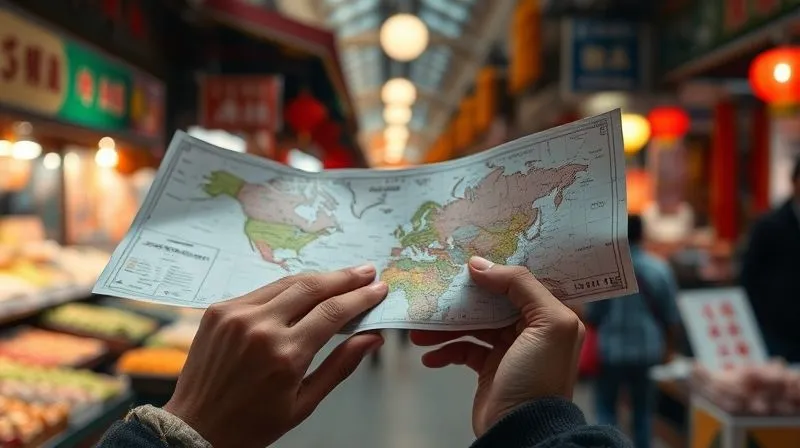
Translating Travel Insights into Concrete Career Action Plans
The insights gained from solo travel are incredibly potent, but they remain just insights without a structured approach to translate them into actionable career plans. This is where the experienced professional steps in, moving from introspection to strategic execution. The question, 'how solo travel sparks career change?' moves from a theoretical possibility to a practical framework.
The 'Travel-Inspired Career Blueprint' Framework
I've developed a simple yet powerful framework to help my clients bridge the gap between their solo travel revelations and their next professional chapter. This blueprint ensures that your newfound clarity doesn't dissipate once you return home.
- Document Your Discoveries: During your trip, keep a detailed journal. Note down moments of clarity, new skills learned, values reaffirmed, and career ideas that spark your interest. Don't censor yourself.
- Identify Your Core Values & Non-Negotiables: Post-trip, review your journal. What patterns emerge? What values consistently surfaced as important? What aspects of your previous job actively went against these values? List your top 3-5 non-negotiable values for your next career.
- Map Transferable Skills: List all the skills you used or developed during your solo journey (e.g., budgeting, negotiation, cultural adaptability, problem-solving). How do these align with potential new career paths or enhance your existing professional profile?
- Research & Network with Intention: With your values and skills identified, research industries or roles that align. Reach out to individuals in those fields. Share your travel experiences and how they shaped your new direction.
- Pilot & Experiment: Don't feel pressured to make a huge leap immediately. Can you take a course, volunteer, or freelance in your desired new field? Small experiments can validate your ideas and build momentum.
- Create a Realistic Transition Plan: Break down your career change into manageable steps with timelines. Consider financial implications and build a support system.
This structured approach, fueled by the clarity of your solo journey, transforms abstract desires into a tangible roadmap. It addresses the 'how solo travel sparks career change' by providing a methodical path forward, rather than a vague hope.
Overcoming the Fear of Change: Sustaining Momentum Post-Journey
Returning from a transformative solo trip can present its own set of challenges. The 'travel high' can wear off, and the daunting reality of making significant life changes can feel overwhelming. Sustaining the momentum and integrating your travel lessons into your daily professional life is crucial for a successful transition.
Integrating Travel Lessons into Daily Professional Life
The mental fortitude and perspective gained on your trip don't have to fade. Consciously integrate them:
- Maintain a 'Traveler's Mindset': Approach daily tasks with curiosity, adaptability, and an open mind, just as you did while traveling.
- Embrace Discomfort: Remember how growth came from stepping outside your comfort zone. Apply this to professional challenges.
- Practice Mindfulness: The quiet reflection you found on your journey can be recreated through daily meditation or dedicated reflection time.
- Seek Novelty: Introduce new learning experiences, hobbies, or even routes to work to keep your brain engaged and prevent stagnation.
Building a Support System for Your Career Transition
You may have traveled solo, but you don't have to navigate your career transition alone. A strong support system is vital:
- Find a Mentor: Connect with someone who has successfully pivoted careers or is in your desired industry.
- Join Professional Networks: Engage with groups (online or offline) focused on career development, specific industries, or even fellow 'career changers.'
- Communicate with Loved Ones: Share your aspirations and challenges with friends and family who can offer emotional support and understanding.
| Challenge | Solution | Career Application |
|---|---|---|
| Post-travel blues/re-entry shock | Maintain a 'travel journal' for reflections, share experiences with supportive friends/family | Apply new perspective to daily tasks, actively seek challenges and novelty in your current role or new ventures |
| Fear of the unknown career path | Break down goals into small, manageable steps, seek mentorship, educate yourself on the new field | Network with professionals in desired field, take small online courses, attend webinars, volunteer |
| Financial concerns during transition | Create a detailed budget, explore freelance/part-time options, build an emergency fund | Upskill strategically, build a strong personal brand, explore side hustles related to your new direction |
As Forbes highlights, career reinvention requires intentionality and a willingness to embrace change. Your solo travel has equipped you with both, now it's about channeling that energy effectively.
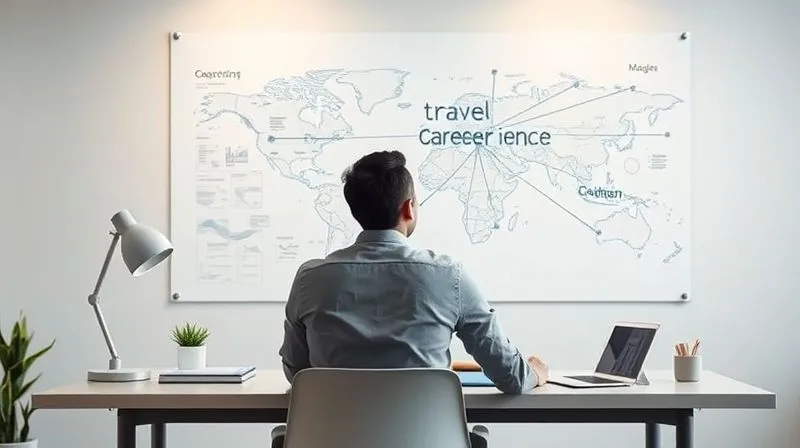
The Long-Term Impact: A Career Reimagined
The benefits of solo travel for career transformation extend far beyond the immediate pivot. It instills a lifelong mindset of growth, adaptability, and self-awareness that will serve you throughout your professional journey. This isn't a one-off fix; it's an investment in a more resilient and fulfilling future.
Individuals who have leveraged solo travel for career change often report a deeper sense of purpose and alignment between their work and personal values. They tend to be more resilient in the face of setbacks, more open to new opportunities, and possess a greater capacity for creative problem-solving. This holistic growth profoundly impacts long-term career satisfaction.
"The world is a book and those who do not travel read only one page." - Saint Augustine. Your solo journey allows you to read many pages, enriching your narrative and expanding your understanding of your place in the professional world.
The confidence gained from successfully navigating unfamiliar territories alone translates directly into a willingness to take calculated risks in your career. You become less afraid of failure and more driven by the pursuit of meaningful work. This transformative experience can redefine not just a job, but your entire professional identity.
Furthermore, research consistently links travel to increased creativity, openness to experience, and overall well-being. A study published in Psychology Today emphasizes that travel can literally rewire your brain, making you more receptive to new ideas and less prone to rigid thinking – qualities invaluable for a dynamic career.
Frequently Asked Questions (FAQ)
Question: How long should a solo trip be to effectively spark career change?
Answer: While even a short solo trip can offer valuable perspective, I generally recommend a minimum of 3-4 weeks for a truly transformative experience. This allows enough time to fully decompress, immerse yourself, and engage in meaningful self-reflection without feeling rushed. For profound career shifts, 2-6 months can be ideal, offering space for deeper skill acquisition and contemplation. The key is allowing enough unstructured time for insights to emerge, rather than just ticking off tourist attractions.
Question: Is solo travel only for young professionals or recent graduates?
Answer: Absolutely not! While often romanticized for younger demographics, solo travel for career change is incredibly powerful for mid-career professionals, parents, and even those nearing retirement. In fact, seasoned professionals often bring more life experience and a clearer understanding of their dissatisfaction, making their solo journeys even more focused and impactful. It's about a mindset of openness and a desire for change, not age.
Question: What if I don't have enough savings for an extended solo trip?
Answer: There are numerous ways to make solo travel affordable. Consider budget destinations (Southeast Asia, Eastern Europe, Central America), embrace slower travel (which is often cheaper per day), look into volunteering opportunities (which often include accommodation), or explore work-exchange programs (like WWOOFing). Many professionals also save specifically for a 'career sabbatical' over a year or two, viewing it as an investment in their future. You might also consider shorter, more intense solo trips closer to home initially.
Question: How do I explain a 'travel sabbatical' to future employers?
Answer: Frame it as a period of intentional personal and professional development. Highlight the skills you gained (adaptability, problem-solving, cross-cultural communication, budgeting, resilience), the clarity you achieved regarding your career goals, and how the experience has made you a more focused, resourceful, and globally aware professional. Emphasize that it was a deliberate choice to realign your path, not just an escape. Many forward-thinking companies value individuals who invest in their personal growth.
Question: What are the biggest risks of solo travel for career transformation?
Answer: The primary risks are often financial (overspending, loss of income), safety concerns (though solo travel is generally very safe with proper planning), and the potential for a 're-entry shock' upon returning home. Mitigate these by planning a realistic budget, thoroughly researching your destinations for safety, and having a post-travel support system and integration plan. Emotionally, some might find the initial solitude challenging, but overcoming this is part of the growth.
Key Takeaways and Final Thoughts
Feeling stuck professionally is a common, yet profoundly challenging experience. However, as an experienced industry specialist in solo travel, I've seen firsthand how a deliberate solo journey can be the most potent catalyst for career transformation. It's not merely a break; it's an immersive course in self-discovery, resilience, and strategic recalibration.
- Decompress & Disconnect: Create mental space for clarity by intentionally detaching from your routine and digital distractions.
- Self-Discovery Through Immersion: Engage with new cultures and embrace unstructured time to unearth your true values and passions.
- Skill Acquisition & Confidence: Solo travel inherently builds invaluable practical and soft skills, from budgeting to problem-solving, making you more adaptable.
- Translate Insights to Action: Use frameworks like the 'Travel-Inspired Career Blueprint' to convert travel revelations into concrete, actionable career plans.
- Sustain Momentum: Integrate travel lessons into daily life and build a support system to navigate the challenges of transition.
Your career journey is an evolution, and sometimes, stepping off the well-trodden path is the only way to find a new, more fulfilling direction. Solo travel provides that unique opportunity – a chance to rewrite your professional narrative, fueled by newfound clarity, confidence, and purpose. Don't let the fear of the unknown hold you back. Embrace the adventure, trust the process, and watch as your solo journey sparks the career change you've been yearning for.
Recommended Reading
- Solo Backpacking Safety: 10 Budget Tips for Extreme Adventures
- Mastering Multi-Day Off-Road Expeditions: Your Ultimate Route Planning Guide
- Combat Executive Burnout: 7 Steps to Selecting the Perfect Wellness Resort
- Unlock Asia's Secrets: How to Book Sleeper Train Adventures with Ease
- Unlocking Unique Family Adventures: How to Find Child-Friendly Gems Abroad





Your email address will not be published. Required fields are marked *