


Navigating the Celestial Challenge: How to Pass Fitness Tests for Space Tourism Training
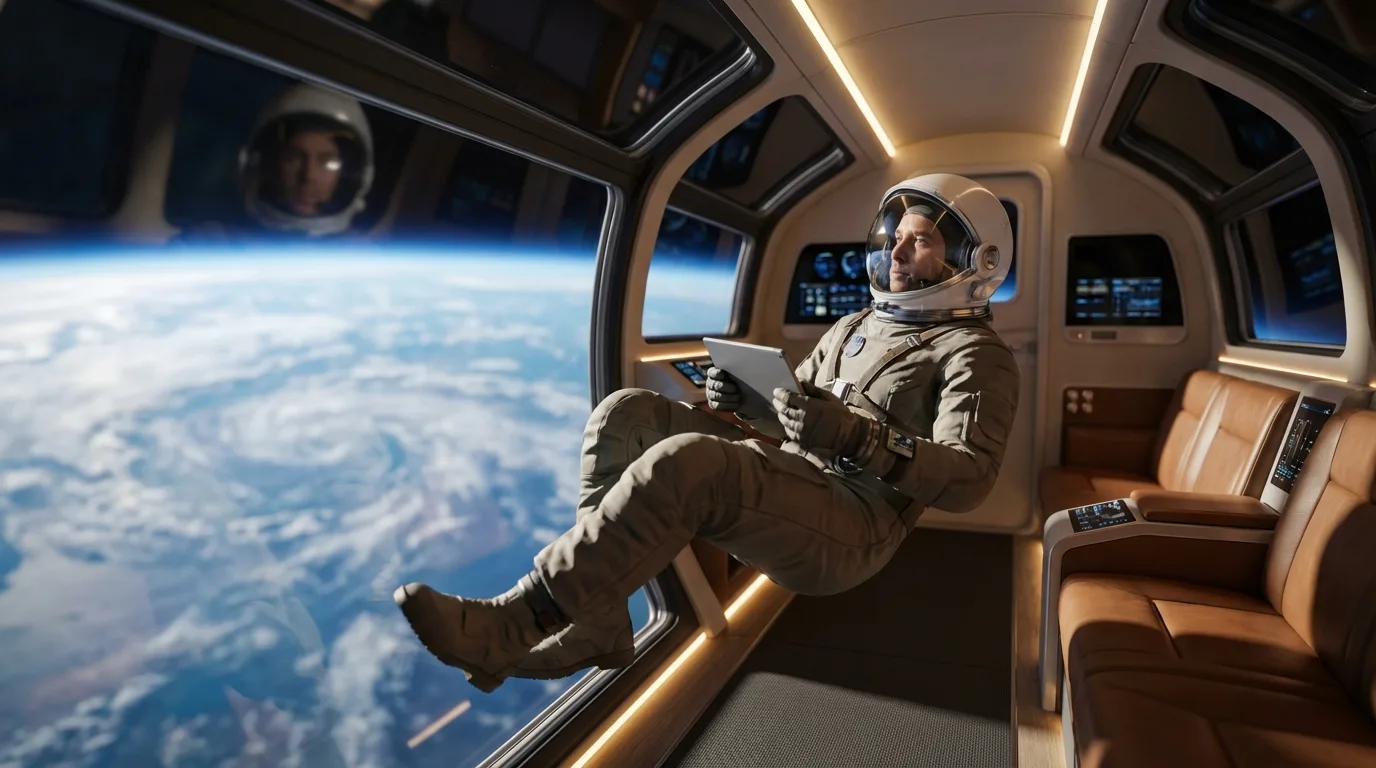
Imagine gazing down at our beautiful blue planet from the inky blackness of space, a dream once reserved for a select few astronauts, now within reach for adventurous civilians. The burgeoning space tourism industry promises an unparalleled experience, a journey beyond the confines of Earth that captivates the human spirit.
However, this extraordinary voyage comes with a significant prerequisite: passing rigorous physical and psychological evaluations. The unique environment of space, with its microgravity, G-forces, and isolation, demands a robust human body and an unwavering mind. The question isn't just 'Can I afford it?' but 'Am I physically and mentally ready to endure it?'
This comprehensive guide will demystify the requirements and equip you with the knowledge and strategies needed to excel. From understanding the physiological demands to crafting a tailored training regimen, you will learn precisely what it takes to prepare for and pass fitness tests for space tourism training, paving your way to the stars.
Understanding the Unique Demands of Spaceflight
Space is an unforgiving environment, and commercial spaceflight, while shorter than traditional astronaut missions, still imposes significant stresses on the human body. Aspiring space tourists must comprehend these unique challenges to prepare effectively.
Microgravity's Impact on the Body
During the orbital or suborbital phases of flight, the body experiences microgravity, or near weightlessness. While exhilarating, this state leads to several physiological changes, even over short durations.
- Bone Density Loss: Without the constant pull of gravity, bones can lose density, similar to osteoporosis.
- Muscle Atrophy: Muscles, particularly those used for posture and movement against gravity, can weaken and decrease in mass.
- Fluid Shifts: Bodily fluids tend to shift upwards towards the head, causing a puffy face and 'bird legs,' and can affect vision and intracranial pressure.
- Cardiovascular Deconditioning: The heart works less strenuously in microgravity, potentially leading to a decrease in its efficiency upon return to Earth's gravity.
The G-Force Challenge
The launch and re-entry phases of spaceflight expose passengers to significant G-forces, which are forces of acceleration or deceleration. These can be several times the force of Earth's gravity.
- Launch G-Forces: During ascent, passengers are pushed back into their seats, experiencing positive G-forces (Gz). This can cause blood to pool in the lower extremities, potentially leading to lightheadedness or 'tunnel vision' if not properly conditioned.
- Re-entry G-Forces: Upon re-entry, deceleration creates similar, but often higher, G-forces. The body must be able to withstand this compression without adverse effects.
Psychological Resilience
Beyond the physical, the mental demands are considerable. Being confined in a small space, experiencing extreme G-forces, and witnessing Earth from orbit can evoke intense emotions. A stable psychological state is crucial.
- Confinement Tolerance: Ability to cope with limited space and close proximity to others.
- Stress Management: Capacity to remain calm and focused under high-pressure situations, such as launch or unexpected events.
- Adaptability: Readiness to adjust to new and unfamiliar sensory inputs and environments.
The Core Components of Space Tourism Fitness
To successfully pass fitness tests for space tourism training, a well-rounded approach to physical conditioning is essential. This goes beyond typical gym routines, focusing on specific physiological adaptations.
Cardiovascular Endurance
A strong heart and efficient circulatory system are paramount for handling G-forces and adapting to fluid shifts. This is often the cornerstone of any spaceflight fitness program.
- Aerobic Training: Activities like running, cycling, swimming, or elliptical training for at least 30-60 minutes, 4-5 times a week, at a moderate to high intensity.
- Interval Training: Incorporating short bursts of high-intensity exercise followed by recovery periods to improve cardiovascular efficiency and resilience to stress.
Strength Training and Muscular Endurance
Maintaining muscle mass and strength is critical for counteracting microgravity's effects and for overall resilience. Focus on compound movements that engage multiple muscle groups.
- Full-Body Workouts: Squats, deadlifts, presses (bench, overhead), rows, and pull-ups.
- Core Strength: Planks, Russian twists, and stability exercises to support the spine and improve overall body control.
- Functional Strength: Exercises that mimic real-life movements, improving coordination and balance.
Flexibility and Balance
Agility, range of motion, and balance are vital for maneuvering in confined spaces and adapting to altered sensory inputs in microgravity.
- Stretching: Regular static and dynamic stretching to improve range of motion and prevent injury.
- Yoga and Pilates: Excellent for enhancing flexibility, core strength, and body awareness.
- Balance Exercises: Single-leg stands, bosu ball exercises, and tai chi can improve proprioception and stability.
Vestibular System Training
The vestibular system, located in the inner ear, is responsible for balance and spatial orientation. It can be disoriented by the novel sensations of spaceflight, leading to space sickness.
- Spinning Chairs: Gradual exposure to rotational movements under professional supervision.
- Head Movements: Performing specific head movements during exercise to challenge the inner ear.
- Motion Sickness Desensitization: Activities that induce mild motion sickness to build tolerance.
Designing Your Pre-Flight Training Regimen
A structured and progressive training plan is key to optimizing your physical readiness. This isn't about becoming an Olympic athlete, but about meeting the specific physiological demands of space tourism.
Tailored Exercise Programs
Work with a qualified personal trainer or exercise physiologist who understands the unique requirements of spaceflight preparation. They can design a program that addresses your individual strengths and weaknesses.
- Progressive Overload: Gradually increasing the intensity, duration, or resistance of your workouts to continuously challenge your body.
- Cross-Training: Incorporating a variety of activities to work different muscle groups and maintain motivation.
- Consistency: Regular training, even on days when motivation is low, is crucial for long-term gains.
Nutrition for Peak Performance
Fueling your body correctly is as important as the training itself. A balanced diet supports muscle repair, energy levels, and overall health.
- Macronutrients: Adequate protein for muscle repair, complex carbohydrates for sustained energy, and healthy fats for hormonal balance.
- Micronutrients: Ensure sufficient intake of vitamins and minerals, particularly calcium and Vitamin D for bone health.
- Hydration: Drink plenty of water throughout the day to support bodily functions and recovery.
The Role of Rest and Recovery
Training breaks down muscle; recovery builds it back stronger. Neglecting rest can lead to overtraining, injury, and burnout, hindering your progress.
- Adequate Sleep: Aim for 7-9 hours of quality sleep per night.
- Active Recovery: Light activities like walking or stretching on rest days to promote blood flow and reduce soreness.
- Stress Reduction: Incorporate mindfulness, meditation, or other relaxation techniques to manage mental stress.
Simulating Space Conditions: Specialized Training
While not all commercial space tourists will undergo the extensive training of career astronauts, some providers may offer or recommend specialized experiences to familiarize candidates with aspects of spaceflight.
Centrifuge Training
A centrifuge simulates the G-forces experienced during launch and re-entry. It spins participants in a controlled environment, gradually increasing the G-load.
- G-Tolerance: Helps the body adapt to high G-forces and teaches techniques for G-straining (muscle clenching) to maintain blood flow to the brain.
- Physiological Monitoring: Allows medical staff to observe the body's response to stress.
Hypobaric Chamber Experience
A hypobaric chamber simulates high-altitude conditions, reducing atmospheric pressure. This helps assess how the body reacts to lower oxygen levels and pressure changes.
- Hypoxia Recognition: Teaches individuals to recognize the symptoms of oxygen deprivation.
- Pressure Adaptation: Familiarizes the body with changes in pressure, which are relevant during ascent and descent.
Parabolic Flights for Zero-G Familiarization
Often called 'Vomit Comets,' these aircraft fly a parabolic trajectory, creating brief periods (around 20-30 seconds) of weightlessness and hypergravity. This is an excellent way to experience microgravity without leaving Earth.
- Microgravity Adaptation: Allows individuals to practice movement and tasks in a weightless environment.
- Space Sickness Prevention: Helps the body acclimate to the sensory conflicts that can cause motion sickness in space.
The Medical Evaluation: What to Expect
The medical assessment is a critical hurdle in the journey to space. While specific criteria may vary between commercial providers, the general aim is to ensure candidates are medically fit for the stresses of spaceflight.
Comprehensive Physical Examinations
These are far more extensive than a routine check-up, delving deep into every system of the body. According to the FAA's Office of Commercial Space Transportation, medical requirements for spaceflight participants are stringent to ensure safety.
- Cardiovascular Health: Extensive heart tests, including EKGs, stress tests, and echocardiograms, to rule out any underlying conditions.
- Pulmonary Function: Lung capacity and efficiency tests.
- Neurological Assessment: Evaluation of brain function, nerve health, and balance.
- Vision and Hearing: Detailed tests to ensure adequate sensory perception.
- Blood and Urine Tests: Comprehensive panels to check organ function, blood counts, and detect any metabolic disorders.
Psychological Assessments
Mental fortitude is as important as physical health. These assessments aim to identify any psychological vulnerabilities that could compromise safety or well-being during spaceflight.
- Personality Inventories: Standardized tests to assess traits like conscientiousness, emotional stability, and openness to experience.
- Stress Tolerance Interviews: Discussions designed to gauge how an individual copes with high-pressure situations and confinement.
- Cognitive Function Tests: Evaluations of memory, attention, problem-solving abilities, and decision-making under duress.
Addressing Pre-existing Conditions
Many pre-existing medical conditions, such as uncontrolled hypertension, severe diabetes, certain heart conditions, or significant orthopedic issues, can disqualify a candidate. However, some conditions may be manageable if well-controlled and cleared by a specialist. Transparency with medical history is paramount.
The rigorous medical and fitness tests for space tourism training are designed not to exclude, but to ensure the safety and well-being of every participant in an inherently risky endeavor. Being proactive about your health is the best strategy.
Mental Fortitude: The Unsung Hero of Space Travel
While much emphasis is placed on physical prowess, the psychological readiness for space travel cannot be overstated. The ability to remain calm, focused, and adaptable under extreme circumstances is crucial.
Stress Management and Mindfulness
Spaceflight is a high-stress environment. Developing robust coping mechanisms is essential.
- Mindfulness Meditation: Practicing mindfulness can enhance self-awareness, emotional regulation, and the ability to stay present amidst chaos.
- Deep Breathing Exercises: Simple techniques to calm the nervous system and manage anxiety.
- Visualization: Mentally rehearsing the flight sequence and potential challenges can build confidence and reduce apprehension.
Adapting to Unfamiliar Environments
The sensory input in space is profoundly different from Earth. Visual cues are altered, and the vestibular system is confused. Adaptability is key.
- Exposure Therapy: Gradually exposing oneself to uncomfortable or disorienting sensations (e.g., amusement park rides, virtual reality simulations) can build tolerance.
- Learning and Curiosity: Approaching the unknown with a mindset of learning and curiosity rather than fear can facilitate adaptation.
The Importance of Discipline
The entire journey, from preparation to the flight itself, demands discipline. Adhering to training schedules, maintaining a healthy lifestyle, and following instructions are all critical.
- Goal Setting: Breaking down the large goal of space travel into smaller, manageable steps.
- Self-Regulation: The ability to manage impulses and stay committed to long-term objectives.
- Resilience: Bouncing back from setbacks and maintaining a positive outlook.
Common Pitfalls and How to Avoid Them
Even with the best intentions, aspiring space tourists can fall into common traps that hinder their preparation. Awareness of these pitfalls can help you navigate your journey more smoothly.
Overtraining and Burnout
The enthusiasm to prepare can sometimes lead to excessive training, which can be counterproductive.
- Symptoms: Persistent fatigue, decreased performance, increased irritability, frequent illness, and chronic muscle soreness.
- Prevention: Listen to your body, incorporate planned rest days, prioritize sleep, and ensure adequate nutrition.
Neglecting Specific Training Areas
It's easy to focus on what you enjoy or what seems most obvious (e.g., just cardio or just strength). However, spaceflight demands a holistic approach.
- Common Neglects: Flexibility, balance, vestibular training, and mental preparation are often overlooked.
- Solution: Follow a well-rounded program that addresses all physiological and psychological aspects required.
Underestimating Psychological Prep
Many focus solely on the physical, forgetting the profound mental and emotional challenges of space travel.
- Impact: Anxiety, panic, disorientation, and difficulty adapting can severely impact the experience.
- Remedy: Actively engage in stress management techniques, mindfulness, and seek professional psychological support if needed.
Frequently Asked Questions (FAQ)
How long does it take to get fit enough for space tourism? The timeline varies greatly depending on your current fitness level. For someone already active, it might take 6-12 months of dedicated, specific training. For others, it could be longer. Consistency is more important than speed.
Do I need to be an athlete to pass these tests? No, you don't need to be an elite athlete. However, you do need to be in excellent general health and possess a good baseline of cardiovascular fitness, strength, and mental resilience. The goal is 'fit for purpose,' not 'peak performance.'
Are there age restrictions for space tourism? While there isn't a strict upper age limit for most commercial flights, candidates must meet the same health and fitness standards regardless of age. Some providers might have minimum age requirements. For instance, the NASA astronaut requirements provide a benchmark, though commercial spaceflight requirements are generally less stringent but still demanding.
What if I have a minor medical condition? Each case is assessed individually. Minor, well-controlled conditions (e.g., mild hypertension managed with medication) might be acceptable, provided they do not pose a risk during flight. Transparency with the medical team is crucial. They will determine if your condition is compatible with spaceflight.
Is there a specific diet I should follow? While no single 'space tourist diet' exists, a balanced diet rich in whole foods, lean proteins, complex carbohydrates, and healthy fats is recommended. Focus on nutrient density, adequate hydration, and avoiding processed foods. Consulting a nutritionist can be beneficial.
Recommended Reading
- Unveiling the Truth: Is Public Transport Truly Cheaper for Budget Travel?
- The Ultimate Guide: How to Find Legitimate Volunteer Abroad Programs
- Decoding Space Tourism: Commercial Spaceflight Safety Regulations Explained
- Unlock Winter Fun: Your Guide to Non-Skiing Destinations
- Unlock Your Inner Power: The Ultimate Guide to Solo Travel for Confidence
Conclusion
The journey to becoming a space tourist is an extraordinary endeavor, one that demands dedication, discipline, and a holistic approach to well-being. Mastering the physical and mental rigors required to pass fitness tests for space tourism training is not merely about ticking boxes; it's about preparing your body and mind for an experience unlike any other, ensuring your safety and maximizing your enjoyment of the cosmic frontier. By diligently focusing on cardiovascular health, strength, flexibility, mental fortitude, and adhering to expert guidance, you can transform the dream of space travel into a tangible reality. The stars are waiting, and with the right preparation, you are more than capable of answering their call.



Your email address will not be published. Required fields are marked *