

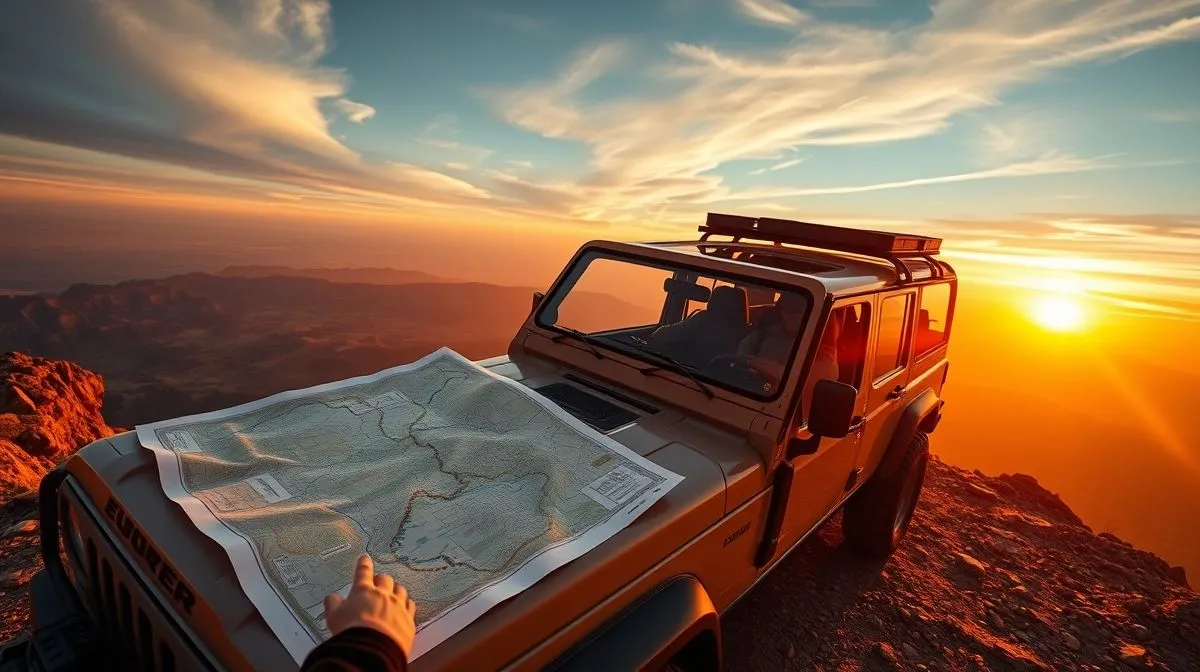
Mastering Multi-Day Off-Road Expedition Routes: A Comprehensive Planning Guide
Ever gazed at a map, tracing invisible lines through remote wilderness, and felt the magnetic pull of an epic adventure? The idea of a multi-day off-road expedition conjures images of freedom, self-reliance, and unparalleled exploration. But beneath the allure lies a critical challenge: how do you transform a dream into a meticulously planned, safe, and successful reality?
The path less traveled is often less predictable. Planning multi-day off-road expedition routes isn't just about pointing a compass and going; it involves navigating complex terrain, understanding vehicle limitations, ensuring safety in isolated areas, and managing logistics for days, sometimes weeks, away from civilization. Without a robust plan, what begins as an exciting journey can quickly devolve into a perilous ordeal.
This comprehensive guide will demystify the art and science of how to plan multi-day off-road expedition routes. We'll equip you with the knowledge and tools to confidently map out your next adventure, from initial concept to the triumphant return. By the end, you'll possess the strategic mindset required to tackle any trail, no matter how remote.
Understanding the Expedition Mindset: Beyond the Day Trip
A multi-day off-road expedition is fundamentally different from a casual day trip. It demands a higher level of preparation, self-sufficiency, and resilience. You're not just driving; you're operating a mobile base camp in potentially challenging environments.
The core difference lies in the extended exposure to variables: weather changes, unexpected vehicle issues, limited access to resources, and prolonged isolation. Embracing the expedition mindset means anticipating these challenges and proactively mitigating risks. It's about being prepared for the worst while hoping for the best.
Why a Multi-Day Approach Changes Everything
- Self-Reliance: You must carry everything you need – food, water, fuel, recovery gear, shelter – for the entire duration.
- Navigation Complexity: Routes can span hundreds of miles, requiring detailed mapping and backup navigation strategies.
- Vehicle Demands: Your vehicle will endure prolonged stress, necessitating thorough pre-trip maintenance and on-trail repair skills.
- Safety Protocols: Emergency communication, first aid, and contingency plans become paramount when help is hours or days away.
- Environmental Impact: Longer stays in remote areas amplify the need for strict Leave No Trace principles.
Phase 1: Conceptualizing Your Journey – The Big Picture
Before you even look at a map, define the essence of your expedition. What's the primary goal? Is it scenic exploration, tackling extreme terrain, reaching a specific remote landmark, or simply disconnecting? Clarity on purpose will guide every subsequent planning decision.
Consider the duration, the number of vehicles, and the experience level of your team. A solo trip requires different considerations than a convoy of multiple vehicles with varying skill sets. Be realistic about what you can achieve safely and enjoyably.
Defining Your Expedition Goals
- Destination & Region: Where do you want to go? Research the climate, terrain, and potential challenges of that area.
- Duration: How many days will you be on the trail? This dictates fuel, water, and food requirements.
- Team Composition: Solo, small group, or large convoy? Each has its own dynamics and safety considerations.
- Vehicle Capability: Match your route to your vehicle's and your driving skills. Don't plan a rock-crawling expedition with a stock SUV.
Phase 2: Deep Dive into Route Mapping and Navigation
This is the heart of how to plan multi-day off-road expedition routes. Modern tools have revolutionized mapping, but traditional methods remain crucial backups. Start by identifying your primary route, then layer in alternatives and bailout points.
Utilize a combination of digital mapping software and physical maps. Digital tools offer dynamic data, while paper maps provide reliability when electronics fail. Always carry multiple forms of navigation.
Essential Mapping & Navigation Tools
Effective navigation combines technology with traditional skills. Relying solely on one method is a recipe for trouble in remote areas.
- Digital Mapping Software: Apps like Gaia GPS, OnX Offroad, and CalTopo allow you to download offline maps, create waypoints, and track your progress. They often include satellite imagery and topographic data.
- Dedicated GPS Devices: Handheld GPS units or vehicle-mounted navigation systems (e.g., Garmin inReach, Lowrance) are robust and reliable, often with better battery life and signal acquisition than phones.
- Paper Maps: Always carry detailed topographic maps (e.g., USGS quads, Forest Service maps) of your entire route. Learn how to read them and use a compass. They are impervious to battery drain or signal loss.
- Satellite Imagery: Use tools like Google Earth during planning to scout terrain, identify potential obstacles, and assess trail conditions from above.
Crafting Your Route
Begin by plotting your main path, then consider all contingencies. Think about how the route might change due to weather or unexpected closures.
- Primary Route Selection: Based on your goals, identify the main trails and roads you intend to follow. Look for established off-road trails, forest roads, or unmaintained tracks.
- Waypoint Planning: Mark key points like potential campsites, water sources, fuel stops, challenging obstacles, and emergency rendezvous points.
- Alternate Routes & Bailouts: Always have contingency plans. What if a trail is closed, washed out, or too difficult? Identify alternative paths to your destination or safe routes out of the wilderness.
- Terrain Assessment: Research the types of terrain you'll encounter (sand, mud, rock, steep inclines/declines) and ensure your vehicle and skills are adequate. Websites like Bureau of Land Management often provide trail conditions.
- Weather Considerations: Research historical weather patterns for your chosen season. Rain can turn a mild trail into a mud bog; snow can make routes impassable.
Phase 3: Logistics and Resource Management
This phase is where the rubber meets the road, quite literally. Proper logistics ensure you have enough of everything you need and nothing you don't. Overpacking can be as detrimental as underpacking.
Consider your daily consumption rates for fuel, water, and food. Then, add a significant buffer for emergencies or unexpected delays. This buffer is your safety net in the wild.
Critical Resources to Manage
- Fuel: Calculate your vehicle's average MPG in off-road conditions and the total distance. Add a 25-50% buffer. Carry extra fuel in approved containers. Know where the last reliable fuel stop is.
- Water: This is non-negotiable. Plan for at least 1 gallon per person per day for drinking, cooking, and hygiene. Carry purification methods (filters, tablets) as backup.
- Food: Plan calorie-dense, non-perishable meals. Consider freeze-dried options for weight savings. Pack extra snacks and emergency rations.
- Recovery Gear: Winch, snatch strap, tree saver, shackles, traction boards, high-lift jack. Ensure everyone knows how to use them safely.
- Tools & Spares: A comprehensive tool kit, spare fluids, belts, hoses, tire repair kit, and a full-size spare tire are essential.
- Communication: Beyond cell service, think satellite messengers (satellite phones or devices like Garmin inReach), HAM radios, or CB radios for vehicle-to-vehicle communication.
Phase 4: Safety Protocols and Emergency Preparedness
No plan is complete without a robust safety strategy. The goal is to prevent emergencies, but if one occurs, to respond effectively and efficiently. This includes personal safety, vehicle safety, and communication plans.
Ensure everyone in your group understands the emergency protocols. Practice using essential gear before the trip. This proactive approach can save lives.
Key Safety Measures
- First Aid & Medical: A comprehensive first-aid kit is mandatory. Consider wilderness first aid training. Know your team's medical conditions and allergies.
- Emergency Communication: As mentioned, satellite devices are crucial. Have a check-in plan with someone outside your group, including your route and estimated return time.
- Vehicle Recovery Plan: Discuss how you'll handle different recovery scenarios. Who has what gear? Who has specific training?
- Contingency Plans: What if someone gets injured? What if a vehicle breaks down irreparably? What if a trail is impassable? Have pre-determined actions for various scenarios.
- Fire Safety: Carry a fire extinguisher and know local fire restrictions. Never leave a campfire unattended.
According to the Wilderness Medical Society, proper planning and a well-stocked medical kit are paramount for remote expeditions, significantly reducing risks associated with injuries or illnesses far from professional medical care.
Vehicle and Gear Preparation: Your Mobile Base Camp
Your vehicle is your lifeline on a multi-day expedition. It must be in peak condition and equipped for the demands of the journey. A breakdown in the backcountry isn't just an inconvenience; it can be a serious safety issue.
Beyond the vehicle, your personal gear dictates your comfort and survival. Invest in quality equipment that can withstand the rigors of the trail and varying weather conditions.
Pre-Trip Vehicle Checklist
- Full Service: Oil change, fluid checks, filter replacements.
- Tires: Inspect for wear, proper inflation (including spare), and consider airing down for specific terrain.
- Brakes & Suspension: Check for wear and proper function.
- Battery & Electrical: Test battery, inspect wiring, ensure all lights and accessories work.
- Drivetrain: Check differentials, transfer case, and transmission for leaks or issues.
- Recovery Points: Ensure front and rear recovery points are secure and rated for your vehicle's weight.
Essential Gear & Packing Tips
- Shelter: Roof-top tent, ground tent, or vehicle-based sleeping setup.
- Sleeping System: Sleeping bags rated for anticipated temperatures, sleeping pads.
- Cooking System: Camp stove, fuel, pots, pans, utensils.
- Lighting: Headlamps, lanterns, vehicle-mounted lights.
- Clothing: Layered system for various temperatures, rain gear, sturdy footwear.
- Navigation: Redundant systems (digital and paper maps, GPS, compass).
- Safety: First aid kit, fire extinguisher, emergency beacon/satellite messenger.
- Water & Food: Sufficient supply plus purification methods and emergency rations.
Permits, Regulations, and Environmental Stewardship
Ignorance of local regulations is not an excuse. Many remote areas require permits for vehicle travel, camping, or even fire. Researching these requirements well in advance is crucial to avoid fines or, worse, being turned back.
Equally important is adhering to the principles of Leave No Trace. As off-road enthusiasts, we have a responsibility to protect the environments we explore. Our actions directly impact access for future generations.
Navigating Regulations and Respecting the Land
- Permits & Fees: Check with the governing land agency (e.g., Forest Service, BLM, State Parks, Tribal Lands) for any required permits for camping, fire, or vehicle access.
- Designated Routes: Stick to established trails. Going off-trail can cause irreversible environmental damage and is often illegal.
- Camping Regulations: Understand dispersed camping rules, fire restrictions, and waste disposal guidelines.
- Waste Management: Pack out everything you pack in. This includes all trash, human waste (if not using designated facilities), and greywater.
- Wildlife: Observe from a distance. Do not feed animals. Secure food to prevent attracting wildlife.
- Tread Lightly!: Follow the principles of Tread Lightly! to minimize your impact on the land.
Common Pitfalls and How to Avoid Them
Even the most meticulously planned expeditions can encounter unforeseen challenges. Learning from common mistakes can help you avoid them, ensuring a smoother and safer journey. Preparation is key, but adaptability is equally vital.
Avoiding Expedition Blunders
- Underestimating Terrain: Photos and maps don't always convey the true difficulty. Always err on the side of caution.
- Ignoring Weather Forecasts: Sudden storms can turn a pleasant trip into a survival situation. Monitor conditions constantly.
- Overpacking: Excess weight strains your vehicle, reduces fuel economy, and makes recoveries harder. Pack smart, not just more.
- Lack of Redundancy: Relying on a single piece of equipment (e.g., one GPS device) is a critical error. Always have backups.
- Poor Communication: Both within the group and with external contacts. Establish clear communication protocols before departure.
- Neglecting Vehicle Maintenance: A pre-trip inspection is not a suggestion; it's a requirement for multi-day trips.
- Ignoring Local Advice: Locals often have invaluable insights into current trail conditions, hazards, or closures.
Frequently Asked Questions (FAQ)
What is the most important piece of gear for a multi-day off-road expedition? While many items are critical, a reliable communication device (like a satellite messenger) and redundant navigation tools are arguably the most important. They allow you to call for help or find your way even when things go wrong.
How much water should I carry for a multi-day off-road trip? A minimum of 1 gallon (approximately 4 liters) per person per day for drinking and basic hygiene is recommended. Always carry purification methods as a backup, and factor in cooking needs.
Is it safer to travel solo or in a group on multi-day off-road routes? Traveling with at least one other vehicle is generally safer. It provides immediate assistance for recovery, mechanical issues, and medical emergencies. Solo travel requires an even higher degree of self-sufficiency and planning.
How do I find suitable off-road trails for multi-day trips? Start with online forums and communities like Expedition Portal, dedicated off-road mapping apps, and official land management websites (e.g., Forest Service, BLM). Look for trip reports and trail ratings.
What is the 'Leave No Trace' principle in off-roading? It's a set of seven principles designed to minimize human impact on the outdoors. Key aspects for off-roading include staying on designated trails, packing out all trash, minimizing campfire impacts, and respecting wildlife and other visitors.
Recommended Reading
- Unmasking the Unseen: What Are Hidden Costs at Five-Star Luxury Resorts?
- Best Cruise for Toddlers with Food Allergies: Safe Sailing Guide
- Unlock the Secrets: Your Ultimate Luxury Yacht Cruise Tipping Etiquette Guide
- Unlock Your Adventure: How to Plan an Accessible Adaptive Sports Vacation
- The Essential Guide: How to Stay Safe and Healthy at a Music Festival
Conclusion
Successfully planning multi-day off-road expedition routes is a nuanced blend of meticulous preparation, strategic thinking, and a deep respect for the wilderness. From the initial spark of an idea to the detailed mapping, logistical calculations, and robust safety protocols, every step contributes to a safe and unforgettable adventure. Embracing the expedition mindset means being self-reliant, adaptable, and a responsible steward of the natural world.
The wilderness offers unparalleled experiences, but it demands respect and thorough preparation. By applying the principles outlined in this guide, you're not just planning a route; you're crafting an experience, building confidence, and ensuring that your journey into the wild is as rewarding as it is safe. So, take the knowledge, embrace the challenge, and confidently embark on your next great off-road expedition. The trails are calling!



Your email address will not be published. Required fields are marked *