

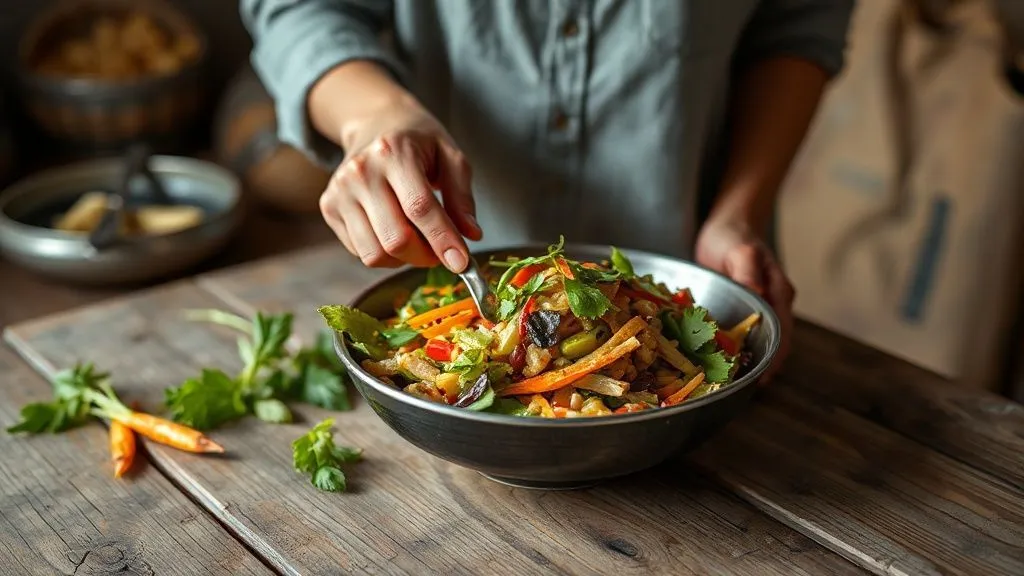
How to prepare nutritious meals on a daily $5 budget abroad?
For over two decades navigating the globe, from the bustling souks of Marrakech to the serene rice paddies of Southeast Asia, I've observed a common dilemma among budget travelers: the struggle to eat nutritiously without breaking the bank. I've personally faced those moments of choosing between a cheap, unhealthy street snack and a pricey, healthier restaurant meal, often compromising my well-being for my wallet.
The pain point is real. Many believe that healthy eating abroad is an exclusive luxury, forcing them into a cycle of processed foods, sugary drinks, and nutrient-deficient meals. This often leads to energy crashes, digestive issues, and a general feeling of malaise that can significantly detract from the travel experience. The notion that a daily food budget of $5 means sacrificing health is a widespread misconception, but one born from a lack of strategic planning and local insight.
But what if I told you it's entirely possible to prepare nutritious meals on a daily $5 budget abroad? This guide isn't just a collection of tips; it's a comprehensive framework, built on years of firsthand experience and countless conversations with savvy globe-trotters. You'll discover actionable strategies, real-world examples, and expert insights that will empower you to eat well, feel great, and truly immerse yourself in your journey, all while sticking to your financial goals. Let's transform your approach to travel food.
The Mindset Shift: From Tourist Traps to Local Treasures
My first and most crucial piece of advice for anyone looking to prepare nutritious meals on a daily $5 budget abroad is to fundamentally shift your mindset about where and how you acquire your food. The typical tourist path—eating at restaurants near major attractions or relying on convenience stores—is a surefire way to blow your budget and often compromise your health. Instead, think like a local.
Understanding Local Food Economies
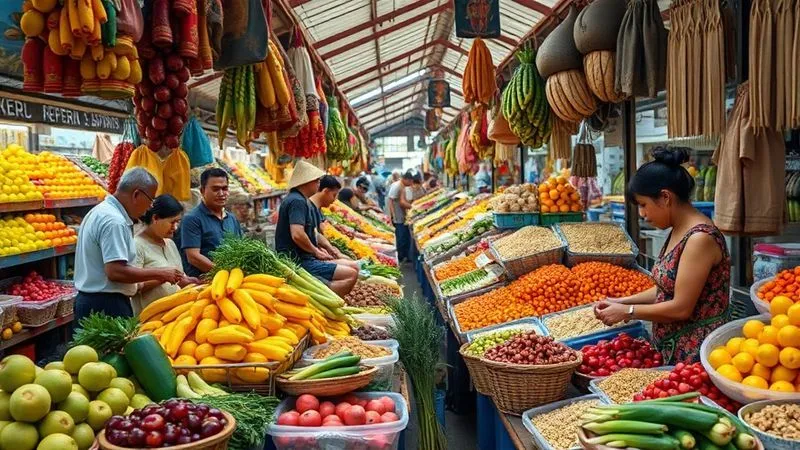
Every country, every city, has its own unique food economy. In many parts of the world, especially in developing nations, fresh produce, grains, and legumes are incredibly affordable when purchased directly from the source. This means bypassing Western-style supermarkets, which often cater to higher-income brackets and imported goods, and heading straight for local markets.
I've seen travelers spend $10 on a mediocre pasta dish in a touristy area, when just a few blocks away, they could have bought enough fresh vegetables, rice, and eggs at a local market to make several meals for the same price. It's about understanding that value isn't just about the lowest price, but the highest nutritional return for your investment.
"The true taste of a destination, and its most affordable nourishment, often lies beyond the polished facades of tourist-centric establishments, hidden within the vibrant chaos of a local market."
Strategic Shopping: Maximizing Value at Local Markets
Once you've embraced the local mindset, strategic shopping becomes your most powerful tool to prepare nutritious meals on a daily $5 budget abroad. This isn't just about buying cheap; it's about buying smart.
The Art of Bargaining (Where Appropriate)
In many cultures, especially in open-air markets, bargaining is not only accepted but expected. It's a skill that takes practice, but even a small discount can make a big difference when you're working with a tight budget. Always approach it with a smile and respect, and know when to walk away if the price isn't right. However, be mindful of cultural norms; in some places, particularly for small purchases, bargaining might be considered rude.
Prioritizing Staple Grains and Legumes
The foundation of any budget-friendly, nutritious meal plan should be staple grains and legumes. Think rice, pasta, lentils, beans, oats, and couscous. These are incredibly cost-effective, packed with essential nutrients, and versatile enough to be incorporated into a myriad of dishes. A kilo of rice can often last for days and costs less than a single fast-food meal.
Seasonal & Local Produce is Key
Always opt for fruits and vegetables that are in season and grown locally. They are not only cheaper but also fresher and more flavorful. Ask vendors what's “in season” or simply observe what's most abundant and cheapest. According to a study published by the Harvard T.H. Chan School of Public Health, diets rich in seasonal fruits and vegetables are associated with better health outcomes and are more sustainable. Learn more about healthy eating principles here.
- Observe First: Before buying, walk through the entire market to get a sense of prices and variety.
- Go Local: Prioritize vendors selling local, unpackaged goods over imported or branded items.
- Buy in Bulk (Sensibly): If you have storage and will use it, larger quantities of staples like rice or lentils are often cheaper per unit.
- Shop Later in the Day: Sometimes, vendors are willing to offer discounts on perishable items towards closing time.
- Bring Your Own Bag: Reduce plastic waste and avoid small charges for bags.
| Item | Local Market Price | Supermarket Price |
|---|---|---|
| Rice (1kg) | $1.00 - $1.50 | $2.50 - $4.00 |
| Lentils (500g) | $0.80 - $1.20 | $2.00 - $3.50 |
| Seasonal Veg (1kg mix) | $1.50 - $2.00 | $3.00 - $5.00 |
| Eggs (6-pack) | $1.00 - $1.80 | $2.50 - $4.00 |
Essential Kitchen Gear for the Budget Traveler
To truly prepare nutritious meals on a daily $5 budget abroad, you need to be equipped, even if minimally. I'm not talking about lugging a full kitchen set, but a few key items can transform your eating experience and save you hundreds.
The Backpackers' Mini-Kitchen Kit
My go-to kit, which has served me faithfully across continents, consists of just a few essentials:
- A good quality, small utility knife: Essential for chopping fruits, vegetables, and opening packages.
- A small, lightweight cutting board: Often I use a flexible plastic one that doubles as a plate.
- A "spork" or reusable cutlery set: Reduces waste and is always handy.
- A reusable container (Tupperware or silicone): Perfect for packing leftovers, making a packed lunch, or even carrying ingredients from the market.
- A small spice kit: A tiny container with salt, pepper, and maybe one or two versatile spices (like curry powder or chili flakes) can elevate any simple meal.
These items fit easily into any backpack and are invaluable for maximizing your budget and culinary creativity.
Hostel Kitchen Etiquette & Utilization
Hostels with shared kitchens are goldmines for budget travelers. They provide the space and basic equipment you need. However, using them effectively requires respect and organization.
"A shared hostel kitchen is a community hub, not a personal chef service. Clean up after yourself, label your food, and embrace the opportunity to share stories, and maybe even ingredients, with fellow travelers."
Always clean your dishes immediately, label your food clearly (with your name, room number, and check-out date), and be mindful of others using the space. I've often found that fellow travelers are happy to share ingredients like oil, salt, or that last bit of pasta, fostering a wonderful sense of camaraderie.
Mastering Basic Cooking Techniques for Travel Meals
You don't need to be a gourmet chef to prepare nutritious meals on a daily $5 budget abroad. Simple techniques, combined with fresh ingredients, are all you need. Focus on versatility and minimal equipment.
No-Cook & Minimal-Cook Meals
These are your best friends when kitchen access is limited, or you're short on time. Think:
- Hearty Salads: Mix local greens, tomatoes, cucumbers, onions, and add protein like canned tuna/sardines, hard-boiled eggs, or cooked lentils (which you can often buy pre-cooked or cook a batch once). Dress with olive oil and vinegar/lemon.
- Sandwiches/Wraps: Whole grain bread or tortillas, filled with cheese, veggies, and maybe some cold cuts or a homemade bean spread.
- Overnight Oats: Oats, water/milk (powdered milk works), fruit, and nuts – prepared the night before for a quick, nutritious breakfast.
- Yogurt & Fruit Bowls: Simple, refreshing, and often readily available.
One-Pot Wonders: Versatility & Simplicity
When you do have access to a stove, master the art of the one-pot meal. These minimize cleanup and maximize flavor.
- Pasta Dishes: A simple pasta with tomato sauce, garlic, and whatever vegetables are cheap and in season (zucchini, eggplant, spinach). Add some canned chickpeas for protein.
- Stir-fries: Rice or noodles with a mix of local vegetables and a protein source like eggs, tofu, or a small amount of chicken. A simple sauce of soy sauce (if available) and local spices.
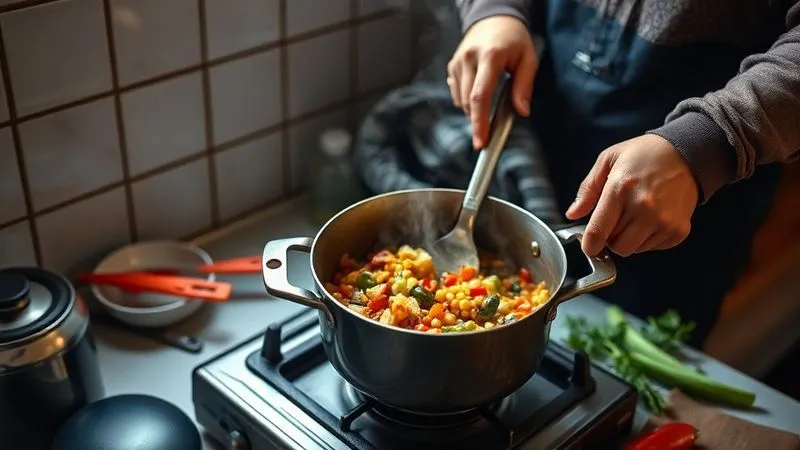
- Lentil or Bean Stews: Incredibly forgiving, nutritious, and filling. Sauté onions and garlic, add lentils/beans, diced tomatoes, vegetable broth (or water with a bouillon cube), and any root vegetables.
Case Study: Maria's Mediterranean Marvels on $5/Day
Let me share a fictional, yet highly realistic, case study of Maria, a budget traveler who successfully managed to prepare nutritious meals on a daily $5 budget abroad during her month-long trip through Greece and Italy.
Maria's Challenge and Strategy
Maria, an avid hiker, knew she needed sustained energy and good nutrition, but her daily food budget was strict: $5 USD. Her strategy was simple: embrace local markets, cook in hostel kitchens, and prioritize plant-based, whole foods. She carried a small reusable shopping bag, a spork, and a small container.
In Greece, she frequented local laiki agores (farmer's markets), buying huge bags of seasonal tomatoes, cucumbers, olives, and fresh bread for about €3 ($3.50). She'd pair this with a small block of feta cheese (€1.50) and a can of chickpeas (€0.50) for a hearty Greek salad. For dinner, she'd buy a kilo of pasta (€1.00) and some zucchini and garlic (€1.00), making a simple but delicious pasta dish in her hostel's kitchen. Her breakfast was usually oats (bought in bulk) with a local apple.
The Results: Healthy, Delicious & Budget-Friendly
By implementing this strategy, Maria consistently ate well within her $5 budget, often spending less than $4.50 a day. She felt energized for her hikes, avoided the “traveler's tummy” issues common with eating out constantly, and truly experienced the local culinary culture. Her simple meals, often enjoyed with fellow travelers, became highlights of her trip, proving that healthy and budget-friendly are not mutually exclusive.
Recipe Ideas: Nutritious & Delicious for Under $5
Here are a few staple recipes that I've personally relied on to prepare nutritious meals on a daily $5 budget abroad. These are adaptable based on local availability and your preferences.
Breakfast: Power-Packed Starts
- Overnight Oats with Local Fruit: Mix 1/2 cup oats with water or powdered milk, a pinch of salt. Add a handful of local berries or a chopped banana. Costs: $1-$2.
- Scrambled Eggs with Veggies: 2-3 eggs, scrambled with diced onion, tomato, or bell pepper (whatever is cheap locally). Costs: $1.50-$2.50.
Lunch: On-the-Go Fuel
- Budget Traveler's Lentil Salad:
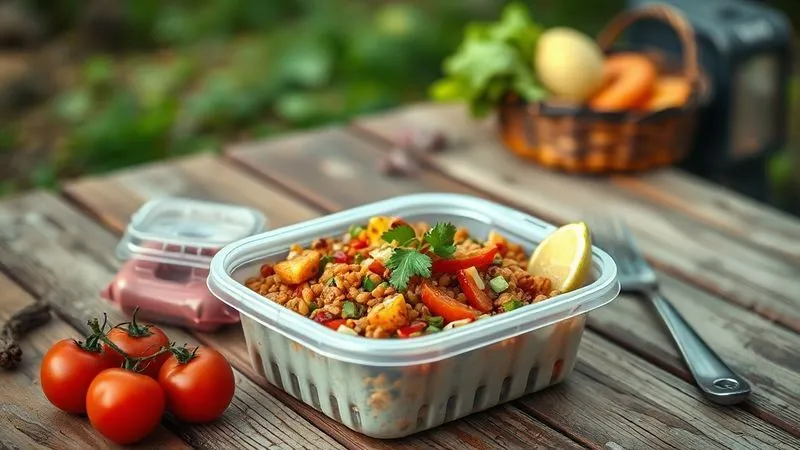
- Ingredients: 1/2 cup dry lentils (cooked), 1 small cucumber, 1 tomato, 1/4 onion, fresh parsley (if available), olive oil, lemon juice, salt, pepper.
- Instructions: Cook lentils until tender (or use canned). Dice cucumber, tomato, and onion. Combine all ingredients in your reusable container. Dress with olive oil, lemon juice, salt, and pepper. Mix well.
- Cost Estimate: $2.00-$3.50 (depending on cost of lentils and veggies).
- Why it works: High in protein and fiber, keeps you full, requires minimal cooking (or none if using canned lentils), and is easily transportable.
Dinner: Satisfying & Simple
- Pasta with Seasonal Veggies: Cook a serving of pasta. Sauté garlic and any cheap, seasonal vegetables (zucchini, spinach, eggplant, bell peppers) in a little oil. Toss with pasta, salt, pepper, and a sprinkle of dried herbs if you have them. Costs: $2.50-$4.00.
- Bean & Rice Bowl: Cook rice. Sauté onions and garlic, add a can of black beans (or pre-soaked/cooked dry beans), a diced tomato, and some local spices (cumin, chili powder). Serve over rice. Costs: $2.00-$3.50.
Leveraging Technology: Apps & Resources for Budget Food
In today's digital age, technology can be a powerful ally in your quest to prepare nutritious meals on a daily $5 budget abroad. There are numerous apps and online resources designed to help you find affordable food and reduce waste.
Local Price Comparison Apps
Before you even step into a market, some countries have apps that allow you to compare prices of goods across different supermarkets or even local vendors. A quick search for “supermarket price comparison [country name]” might yield surprising results. While not available everywhere, it’s worth checking if you’re in a more developed region.
Food Waste Apps (e.g., Too Good To Go)
Platforms like Too Good To Go allow you to buy “surprise bags” of unsold food from restaurants, bakeries, and supermarkets at a heavily discounted price at the end of the day. This is a fantastic way to get high-quality food for a fraction of the cost, often providing more than enough for a meal or two. It’s a win-win for your budget and the environment. Explore Too Good To Go here.
Online Recipe Communities for Travelers
Websites and forums dedicated to budget travel often have sections where travelers share their favorite cheap and easy recipes, adapted for various destinations. “The Broke Backpacker” or similar communities are great places to find inspiration and local ingredient tips.
Beyond the Kitchen: Maximizing Your Overall Food Budget
Eating on $5 a day isn't just about what you cook; it's also about smart habits that prevent unnecessary spending and ensure your health.
Water Filters & Reusable Bottles
Buying bottled water daily can quickly eat into your $5 budget. Invest in a good quality reusable water bottle with a built-in filter. This allows you to safely drink tap water in many places, saving you money and reducing plastic waste. According to a report by the World Health Organization, access to safe drinking water is a fundamental human right, and being prepared as a traveler can circumvent many health and cost issues. Read more on global drinking water guidelines.
Snack Smart: Avoid Impulse Buys
Those small, convenient snacks at tourist sites or gas stations add up. Carry your own trail mix, a piece of fruit, or some crackers. A small bag of nuts and dried fruit bought from a local market can provide days of healthy snacking for the price of one convenience store chocolate bar.
Sharing Meals with Fellow Travelers
This is one of my favorite hacks. When you meet other budget travelers, suggest pooling resources and cooking a meal together. Buying ingredients for four people is often more cost-effective than for one, and it's a fantastic way to bond and share culinary experiences. I've had some of my most memorable meals this way, learning new recipes and making lasting friendships.

Frequently Asked Questions (FAQ)
Is it safe to buy street food if I'm on a strict budget? While street food can be incredibly cheap and delicious, safety varies greatly by region. Look for stalls with long lines (indicating popularity and fresh turnover), where food is cooked fresh in front of you, and where vendors maintain good hygiene. Trust your gut; if it doesn't look right, walk away.
What if I don't have access to a kitchen or cooking facilities? No kitchen, no problem! Focus on no-cook options: hearty salads with canned protein (tuna, chickpeas), fruit and nut mixes, whole-grain bread with spreads (nut butter, hummus), and overnight oats prepared with cold water. Many markets also sell pre-cooked items like rotisserie chicken or boiled eggs cheaply.
How do I manage dietary restrictions (e.g., vegetarian, gluten-free) on a $5 budget abroad? Embrace plant-based staples! Grains, legumes, fruits, and vegetables are naturally vegetarian and often gluten-free. Always learn a few key phrases in the local language to explain your restrictions when buying ingredients or asking about dishes. For gluten-free, stick to rice, corn, potatoes, and naturally GF grains.
What are the best countries for budget food travel? Southeast Asia (Thailand, Vietnam, Laos), South America (Bolivia, Peru), and parts of Eastern Europe (Poland, Hungary) are renowned for incredibly affordable and delicious food. These regions often have strong street food cultures and abundant, cheap local produce.
How can I ensure food safety when cooking and storing food in shared spaces? Always wash your hands thoroughly before and after handling food. Use clean utensils and surfaces. Store perishable items in the fridge promptly, clearly labeled, and consume them within a day or two. Cook meats and eggs thoroughly. When in doubt, err on the side of caution. The CDC offers excellent resources on food safety while traveling. Check CDC guidelines for traveler's health here.
Key Takeaways and Final Thoughts
Successfully preparing nutritious meals on a daily $5 budget abroad is not just a dream; it's an achievable reality that can profoundly enhance your travel experience. It requires a blend of strategic planning, local immersion, and a willingness to embrace simple, resourceful cooking.
- Shift Your Mindset: Embrace local markets and avoid tourist traps.
- Shop Smart: Prioritize staples, seasonal produce, and don't be afraid to bargain respectfully.
- Equip Yourself Minimally: A basic mini-kitchen kit is a game-changer.
- Master Simple Techniques: Focus on no-cook, minimal-cook, and one-pot meals.
- Leverage Technology: Use apps and online communities to find deals and recipes.
- Practice Smart Habits: Filter water, pack snacks, and share meals.
By adopting these strategies, you'll not only save money but also gain a deeper connection to the local culture, fuel your adventures with wholesome food, and return home with incredible stories – and perhaps even a few new recipes. Your journey is an opportunity to learn, grow, and thrive, and that includes how you nourish your body. Go forth, explore, and eat well!
Recommended Reading
- Cut Ski Resort Energy by 20%: Expert Strategies & Real-World Wins
- Unlock Ancient Worlds: How to Truly Immerse in History at Cultural Sites?
- 5 Pro Strategies: Unexpected Dietary Restrictions on Culinary Tours?
- Solo Business Travel: 7 Ways to Conquer Burnout Abroad
- 7 Critical Steps: Ethically Vetting Eco-Volunteer Projects for Corporate CSR





Your email address will not be published. Required fields are marked *