

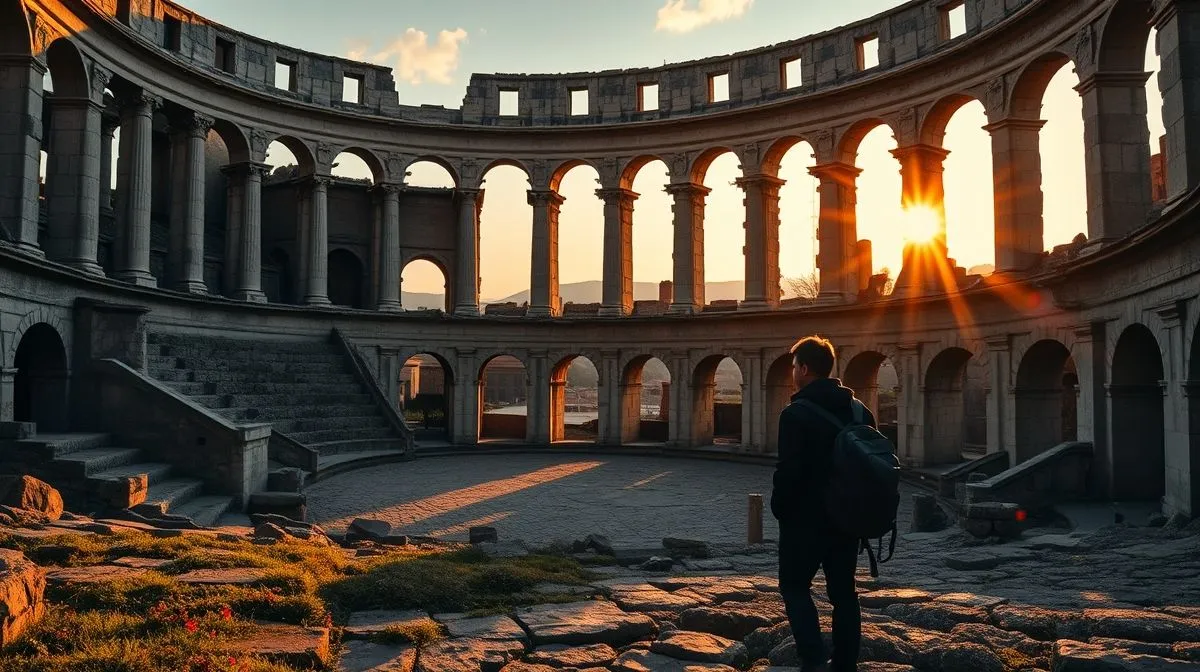
How to Immerse in History at Ancient Cultural Sites?
Have you ever stood amidst the awe-inspiring ruins of a grand ancient city, perhaps the Forum in Rome or the majestic temples of Angkor Wat, and felt a profound disconnect? You see the stones, you read the plaques, but the vibrant life, the whispers of centuries past, seem just beyond your grasp. It's a common experience for many travelers, a lingering sense that despite being physically present, the true essence of history remains elusive.
The challenge isn't in the sites themselves, but often in our approach. We visit as mere spectators, snapping photos, checking off a list, rather than engaging with the layers of time that define these incredible places. The problem is that a superficial glance can never truly convey the struggles, triumphs, daily routines, and spiritual beliefs of the people who walked these paths millennia ago. Without a conscious effort to peel back these layers, we miss the profound, transformative experience that ancient cultural sites truly offer.
This comprehensive guide will equip you with the strategies and mindset shifts needed to move beyond mere sightseeing. You will learn practical techniques on how to immerse in history at ancient cultural sites, transforming your visits into deeply personal, educational, and unforgettable journeys. By the end of this reading, you'll be ready to not just see history, but to truly feel it, hear its echoes, and understand its enduring legacy.
The Mindset Shift: From Tourist to Time Traveler
True historical immersion begins long before you set foot on an ancient site. It requires a fundamental shift in perspective, moving from a passive observer to an active participant in a temporal dialogue. This isn't just about gaining knowledge; it's about cultivating a deep sense of empathy and imagination.
Embracing Curiosity and Openness
Approach each site with a beginner's mind, full of questions and devoid of preconceived notions. Ask yourself: Who lived here? What did their daily lives entail? What were their joys, their fears, their aspirations? This open-ended curiosity transforms a visit into an inquiry, a personal quest for understanding. Be open to surprising details, unexpected connections, and even challenging your own modern perspectives.
The Power of Imagination
Your imagination is your most potent tool for time travel. As you stand before crumbling walls, envision them intact, bustling with life. Hear the clatter of chariots, the murmur of market vendors, the chants of priests. Picture the faces, the costumes, the emotions. This mental reconstruction is vital for bringing the past to life and fostering a genuine connection with the site's original purpose and inhabitants.
- Cultivate a reflective posture: Take moments to simply sit, observe, and absorb the atmosphere without rushing.
- Engage your senses: Pay attention to the light, the sounds (or lack thereof), the textures of the stone, and even the scent of the earth.
- Seek out the human element: Look for signs of individual lives, like ancient graffiti, worn steps, or a child's toy found in an excavation.
Strategic Preparation: Your Gateway to the Past
Effective pre-visit preparation is the bedrock of a truly immersive experience. It's about laying a robust foundation of knowledge that allows you to contextualize what you see and hear, transforming mere stones into storytellers.
Deep Dive into Historical Context
Before you even pack your bags, dedicate time to researching the specific historical period, civilization, and events associated with the site. Understand the political landscape, the societal structure, the key figures, and the cultural achievements. This background knowledge acts as a mental map, allowing you to navigate the complexities of the past with greater clarity.
- Read books, documentaries, and academic articles. A good starting point can be a reputable source like Encyclopaedia Britannica for broad historical overviews.
- Familiarize yourself with the site's timeline: when was it built, who lived there, what significant events occurred, and why was it abandoned or preserved?
- Look for primary sources if available: translations of ancient texts, letters, or even artistic depictions of daily life.
Understanding Daily Life and Culture
Beyond grand narratives, delve into the minutiae of everyday existence. What did people eat? What were their homes like? How did they dress? What were their beliefs about life and death? Understanding these details makes the inhabitants of ancient sites feel more relatable and less like abstract historical figures. This human connection is crucial for fostering empathy and making history resonate on a personal level.
Practicalities: Timing, Guides, and Resources
Strategic planning also involves practical considerations. Research the best times to visit to avoid peak crowds, which can significantly detract from immersion. Consider hiring a knowledgeable local guide who can offer insights beyond what guidebooks provide, sharing local anecdotes and perspectives. Look for on-site museums, visitor centers, or digital resources (audio guides, AR apps) that can enhance your understanding without replacing your direct engagement.
On-Site Engagement: Techniques for Active Immersion
Once you are physically present at an ancient cultural site, the real work of immersion begins. This phase is about actively engaging your senses, intellect, and emotions with your surroundings. It's about moving beyond passive observation to active participation in the historical narrative.
The Art of Slow Observation
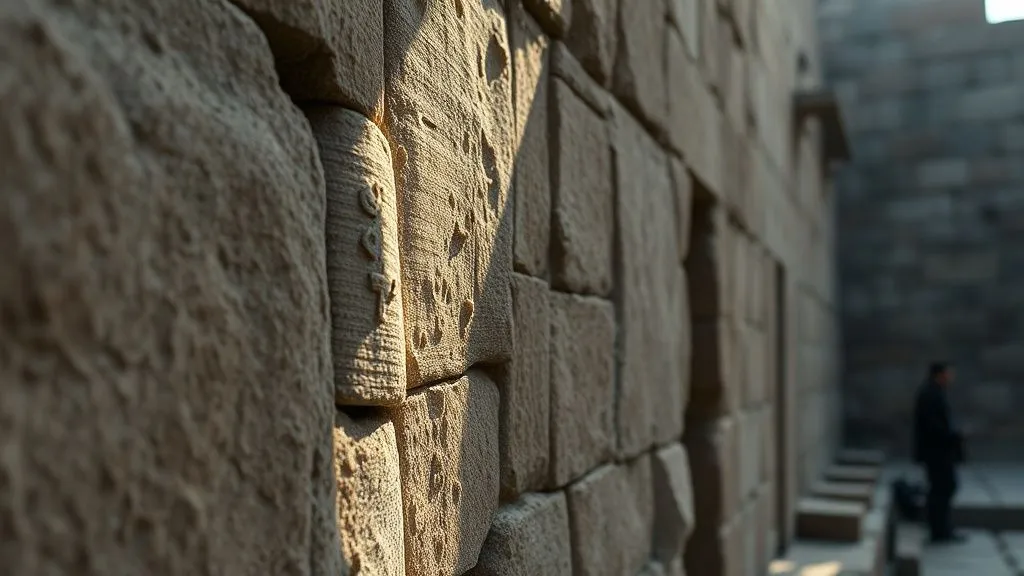
Resist the urge to rush. Allow yourself ample time at each section of the site. Take a few minutes to simply stand, breathe, and absorb the atmosphere. Notice the details: the way the light falls on a column, the worn grooves in a stone path, the remnants of ancient frescoes. These small observations often spark the most profound imaginative leaps and connections.
Leveraging Expert Guidance
While independent exploration is valuable, a good local guide can unlock layers of understanding you might otherwise miss. They can point out subtle details, share local legends, and explain complex historical contexts in an engaging way. Choose guides who are passionate and knowledgeable, not just those who recite facts. Engage them with questions, and allow their expertise to deepen your appreciation.
Sensory Engagement and Imagination
Engage all your senses. Imagine the sounds that once filled the space: the chatter of crowds, the clang of tools, the music, the silence of contemplation. Feel the texture of the ancient stones beneath your fingertips. Close your eyes and try to visualize the past: what colors were prominent? What smells would have lingered in the air? This sensory engagement helps bridge the gap between the present and the past.
Seeking Out Untold Stories
Look beyond the grand monuments. Seek out the less obvious details: a small carving, a humble dwelling, or a forgotten alleyway. These often hold the stories of ordinary people, offering a more intimate and relatable glimpse into ancient life. Consider carrying a small notebook to jot down observations, questions, and reflections as you move through the site.
- Walk the paths: Imagine yourself as an ancient inhabitant walking the same routes.
- Find a quiet spot: Sit in a secluded area and simply listen to the silence or the sounds of nature, imagining what it would have been like centuries ago.
- Sketch or journal: Documenting your observations and feelings can deepen your connection and memory.
Connecting with the Echoes: From Stones to Stories
True immersion transcends the physical act of visiting; it delves into the emotional and intellectual connection with the human experience of the past. This is where the stones begin to speak, and history truly comes alive.
Visualizing the Past in the Present
As you explore, constantly superimpose the past onto the present. If you're in an ancient market, imagine the stalls, the goods, the haggling. If you're in a temple, envision the rituals, the devotees, the priests. This continuous mental layering helps to animate the ruins and populate them with the lives they once contained. According to historical researchers at the University of Cambridge, this act of empathetic visualization is crucial for building a personal connection with historical narratives.
The Landscape as a Historical Record
Don't just focus on the man-made structures. The surrounding landscape often holds its own historical narrative. How did the geography influence the settlement's location, its defense, or its economy? Understanding the natural environment in which the site existed provides crucial context and often explains many architectural or strategic decisions.
Respecting the Sacred and the Significant
Remember that these are not just tourist attractions; they are often sacred spaces, burial grounds, or places of profound historical significance. Approach them with respect and reverence. Understand local customs and rules, and ensure your actions contribute to the preservation of these invaluable heritage sites. Organizations like the UNESCO World Heritage Centre provide guidelines for responsible tourism and preservation.
Common Obstacles and How to Overcome Them
Even with the best intentions, certain challenges can hinder your immersive experience. Recognizing and preparing for these can help you maintain focus and deepen your connection to the past.
Navigating Crowds and Distractions
Popular ancient sites can be incredibly crowded, which often shatters the illusion of time travel. Try to visit during off-peak hours (early morning or late afternoon). Seek out quieter corners of the site, even if they are less monumental. Focus on small details that can be appreciated regardless of the crowd around you. Noise-canceling headphones can also help create a personal bubble of contemplation.
Managing Information Overload
Many sites offer a wealth of information, from plaques to audio guides. It's easy to feel overwhelmed. Prioritize. Focus on key narratives or aspects that genuinely interest you. Don't try to absorb everything at once. Allow yourself to skim some information and dive deep into others. Remember, the goal is immersion, not rote memorization.
Sustaining Focus and Engagement
Long visits can lead to fatigue, known as 'museum fatigue' or 'ruin fatigue.' Break up your visit with rest periods. Bring snacks and water. Change your mode of engagement: perhaps switch from reading to simply observing, or from walking to sitting. Varying your activities can help maintain your energy and focus throughout the day.
- Wear comfortable shoes: You'll be doing a lot of walking and standing.
- Stay hydrated: Especially in warm climates, dehydration can quickly lead to fatigue.
- Pace yourself: Don't try to see everything in one go. Allow for breaks and reflection.
Post-Visit Integration: Making History Last
The journey of immersion doesn't end when you leave the site. The post-visit phase is crucial for consolidating your experiences, deepening your understanding, and ensuring the lessons of the past continue to resonate.
Reflection and Documentation
Immediately after your visit, or within a day or two, take time to reflect on your experience. Journal about your feelings, insights, and discoveries. What surprised you? What moved you? What new questions arose? Review your photos, not just as souvenirs, but as prompts for memory and further contemplation. This process helps to solidify the learning and personal connection.
Continued Learning and Dialogue
Your visit should be a catalyst for ongoing learning. Follow up on questions that emerged during your exploration. Read more about the specific historical period or civilization. Watch documentaries, listen to podcasts, or even take an online course. Engage in discussions with others who share your interest. This continued engagement reinforces your understanding and keeps the historical narrative alive.
Sharing Your Journey
Share your experiences with friends, family, or on a blog. Explaining what you learned and felt to others can help clarify your own thoughts and reinforce your memories. It also allows you to inspire others to approach ancient sites with a similar depth of engagement, spreading the power of historical immersion.
Frequently Asked Questions (FAQ)
How can I make ancient sites engaging for children? Focus on storytelling, simple questions, and hands-on activities. Encourage them to imagine daily life, play games like 'ancient scavenger hunt,' or draw what they see. Keep visits shorter and incorporate breaks.
What's the role of technology in historical immersion? Technology like augmented reality (AR) apps can overlay reconstructions onto ruins, and audio guides can provide narratives. However, use them judiciously as tools to enhance, not replace, direct observation and personal reflection. Balance screen time with 'unplugged' moments.
Are there specific types of sites best for deep immersion? While any site can be immersive, those with well-preserved structures, clear layouts, and fewer crowds often facilitate deeper connection. Sites with extensive museums or visitor centers that offer context are also highly beneficial. Consider archaeological parks over single monuments.
How do I choose the right guide for an immersive experience? Look for guides with strong historical backgrounds, excellent storytelling abilities, and a passion for the subject. Read reviews, ask for recommendations, and if possible, engage them in a brief conversation beforehand to gauge their approach and knowledge. A good guide facilitates discovery, rather than just reciting facts.
Recommended Reading
- Unlock the Ultimate Escape: How to Plan a Glamping Wilderness Retreat Adventure
- Villa Concierge: Which Services Are Actually Worth Paying For?
- Unlock Your Dream Cruise: How Much to Budget for a First-Time Voyage?
- Unveiling the Truth: Is Public Transport Truly Cheaper for Budget Travel?
- Master Off-Grid Trekking: Your Ultimate Guide to Safe Navigation
Conclusion
To truly immerse yourself in history at ancient cultural sites is to embark on a journey far beyond the visual. It is an act of deliberate engagement, blending meticulous preparation with an open, imaginative mind. By shifting your mindset from passive tourist to active time traveler, by strategically preparing, and by consciously engaging your senses and intellect on-site, you unlock a profound connection with the past. The echoes of ancient civilizations are not just in the stones, but in the stories they tell, the lives they represent, and the lessons they offer. Embrace these strategies, and your next visit to an ancient site will transform from a mere sightseeing trip into an unforgettable dialogue with history, leaving you with a richer understanding of humanity's enduring legacy.


Your email address will not be published. Required fields are marked *