

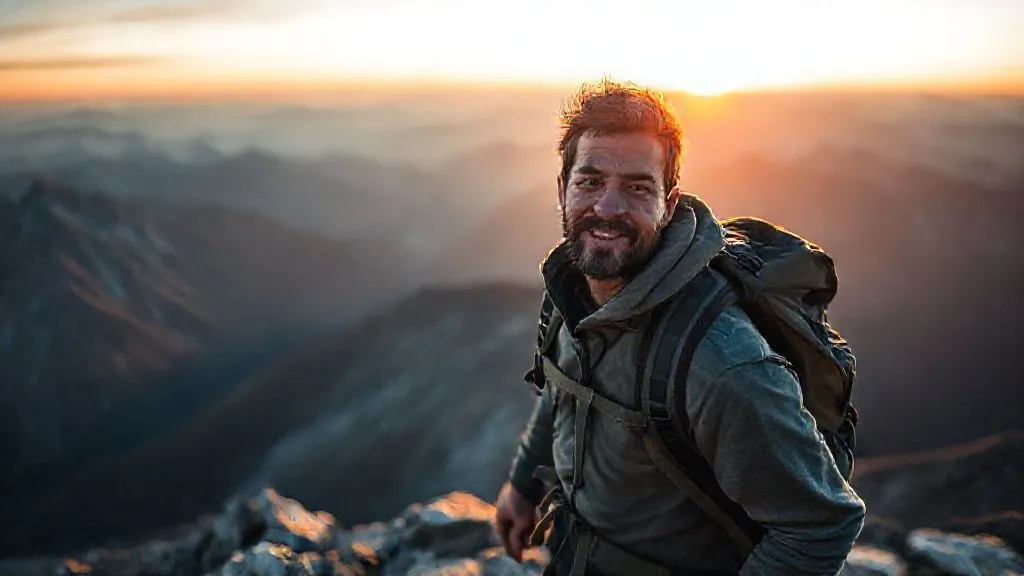
How to Prevent Burnout on a Demanding Solo Adventure Trip?
For over 15 years in the solo travel space, I've witnessed countless adventurers embark on incredible journeys, only to find themselves grappling with an unexpected adversary: burnout. The allure of the open road, the untouched trail, or the remote peak is powerful, promising freedom and self-discovery.
However, the demanding nature of solo adventure—the constant decision-making, the physical exertion, the emotional solitude, and the relentless forward momentum—can quickly deplete even the most seasoned traveler. This isn't just about feeling tired; it's a deep-seated exhaustion that saps joy, erodes motivation, and can turn a dream trip into a grueling ordeal.
In this definitive guide, I will share the strategies, frameworks, and expert insights I've gathered from years of observation and personal experience. You'll learn not just how to recognize the signs, but precisely how to prevent burnout on a demanding solo adventure trip, ensuring your journey remains a source of exhilaration and growth, not depletion.
Understanding the Unique Burnout Triggers in Solo Adventure
Before we can prevent burnout, we must first understand its unique manifestations in the solo adventure context. Unlike group travel, where responsibilities are often shared, the solo adventurer bears the full weight of planning, navigation, safety, and emotional processing. This constant state of 'on-call' vigilance is a primary trigger.
The Allure vs. The Reality
The romanticized image of solo adventure often overlooks the hidden pressures. There's an internal push to maximize every moment, to prove one's resilience, and to overcome every obstacle independently. This internal pressure, combined with external demands, creates a fertile ground for burnout.
It's a subtle shift from invigorating challenge to overwhelming burden, where the very freedom you sought becomes a source of stress. The reality is that even the most inspiring landscapes can lose their luster when you're running on empty.
Recognizing the Early Warning Signs
Burnout doesn't strike overnight; it's a gradual erosion. Early signs are often dismissed as simple fatigue, but they are crucial indicators. Look for persistent low energy, difficulty enjoying activities you typically love, increased irritability, changes in sleep patterns (insomnia or excessive sleep), and a general sense of apathy towards your surroundings or goals.
"The greatest adventure is not in conquering mountains, but in mastering the internal landscape of self-awareness. Recognizing the whisper of fatigue before it becomes a roar of burnout is paramount for any solo traveler." - Expert Insight
Other signs include:
- Loss of motivation for daily activities or planning.
- Increased cynicism or negative outlook.
- Physical symptoms like headaches, stomach issues, or frequent colds.
- Social withdrawal, even from brief interactions with locals or fellow travelers.
- Feeling overwhelmed by minor decisions.
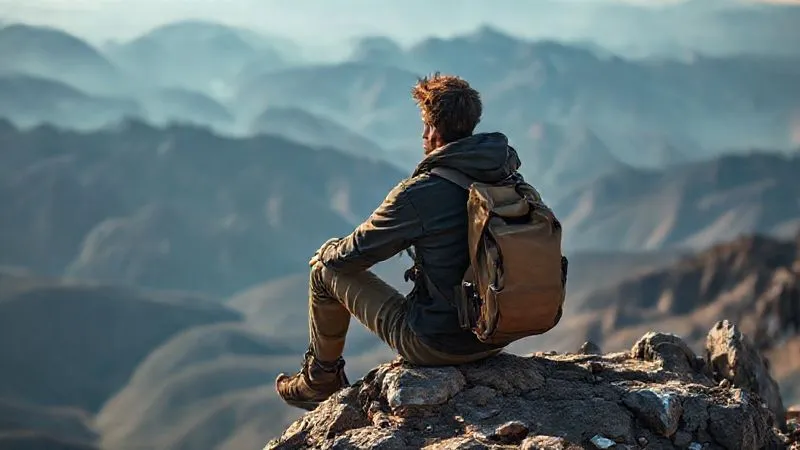
Strategic Pre-Trip Planning: Building a Resilient Foundation
The battle against burnout begins long before you set foot on your adventure. Meticulous, yet flexible, pre-trip planning is your most potent weapon. This isn't just about booking flights; it's about engineering resilience into your journey's very fabric.
The Art of Under-Scheduling
One of the biggest mistakes solo adventurers make is over-scheduling. They pack every day with activities, fearing they'll miss out. I've seen this mistake countless times. Instead, embrace the 'less is more' philosophy.
Build in buffer days, rest days, and 'no-plan' days. These aren't wasted days; they are essential recovery periods that allow for spontaneous exploration, deep rest, or simply the luxury of doing nothing without guilt. This approach offers the flexibility needed to adapt to unforeseen circumstances or simply to honor your body's needs.
Physical and Mental Conditioning
A demanding solo adventure is an athletic endeavor, regardless of whether you're trekking Everest or cycling through Southeast Asia. Your body and mind need to be prepared. Implement a consistent fitness regimen months before departure, focusing on endurance, strength, and flexibility relevant to your trip's demands. Just as importantly, cultivate mental resilience through practices like meditation, journaling, or even simply setting small, achievable goals in your daily life to build confidence.
According to a study published by the National Institutes of Health, physical activity significantly reduces symptoms of stress and anxiety, which are precursors to burnout.
- Assess Trip Demands: Realistically evaluate the physical and mental challenges of your chosen adventure.
- Tailor a Fitness Plan: Focus on exercises that mimic your adventure's activities (e.g., hiking with a weighted pack for trekking).
- Build Mental Stamina: Practice mindfulness, problem-solving scenarios, and positive self-talk.
- Prioritize Sleep: Establish a consistent sleep schedule weeks before departure to optimize your circadian rhythm.
- Nutritional Preparation: Research and plan for nutritious, energy-sustaining food options, especially in remote areas.
| Pre-Trip Planning Category | Action Item | Target Duration |
|---|---|---|
| Physical Conditioning | Daily 1-hour cardio (hiking/cycling) | 3 months |
| Mental Preparation | 15-min daily meditation/journaling | 2 months |
| Logistics | Research rest day activities | 1 month |
| Nutrition | Plan emergency snack supply | 2 weeks |
Mastering Pacing and Adaptive Itinerary Management
Once on the trip, your ability to pace yourself and adapt your itinerary is crucial. This is where the rubber meets the road in preventing burnout on a demanding solo adventure trip. It requires a delicate balance between pushing your limits and respecting your boundaries.
The 'Slow Travel' Philosophy for Adventurers
While often associated with cultural immersion, the 'slow travel' philosophy is equally vital for adventure. It means not rushing from one peak to the next, but allowing time to truly experience each environment. It means having the courage to say 'no' to an extra activity if you're feeling depleted. I often advise clients to think of their energy as a finite resource, like battery life on a phone. You wouldn't run it to zero every day.
Listening to Your Body and Mind
This is perhaps the most critical skill for a solo adventurer. Your body will send signals long before it breaks down. Learn to interpret them. A persistent ache, unusual irritability, or a sudden lack of enthusiasm are not signs of weakness, but vital messages. Ignoring these signals is a direct path to burnout.
Be prepared to adjust your plans. If a planned 10-mile hike feels too ambitious, opt for 5 miles. If a bustling city is overwhelming, seek out a quiet park or café. Flexibility is not a failure; it's a strategy for long-term sustainability on the road.
Case Study: How Sarah, a Solo Trekker, Adapted Her Kilimanjaro Attempt
Sarah, an experienced solo trekker, had meticulously planned her Kilimanjaro ascent, aiming for a challenging 6-day route. By day 3, despite her physical fitness, she felt an unusual mental fog and persistent headache – classic early signs of altitude sickness and potential overexertion. Instead of pushing through, fueled by a desire to stick to her itinerary, she listened to her body. She communicated with her guide and opted for an extra acclimatization day, extending her trip by a day. This seemingly small decision allowed her body to recover, her mind to clear, and ultimately, she summitted successfully and joyfully, avoiding a potential descent due to burnout or severe altitude sickness.
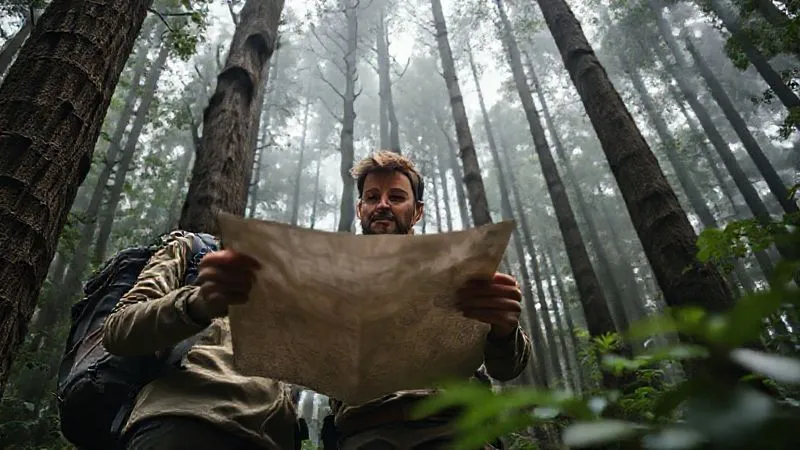
The Power of Deliberate Rest and Recovery Protocols
Rest is not the absence of activity; it is a vital, active component of performance and well-being. On a demanding solo adventure, deliberate rest and recovery protocols are non-negotiable for preventing burnout.
Active vs. Passive Recovery
Recovery isn't just about sleeping. Active recovery, such as gentle stretching, a leisurely walk, or a swim, can aid muscle repair and reduce stiffness. Passive recovery involves complete rest, napping, or simply relaxing. A balanced approach incorporates both. Think of your recovery days as essential training days for your body and mind to rebuild.
Prioritizing Sleep and Nutrition
These are the cornerstones of sustained energy. Solo travelers often compromise on sleep, either due to early starts, late finishes, or unfamiliar environments. Make sleep a priority. Invest in good earplugs and an eye mask. Aim for 7-9 hours of quality sleep whenever possible. Nutrition is equally critical. Fuel your body with whole, unprocessed foods. Hydrate constantly. A well-nourished body is a resilient body.
As Dr. Matthew Walker, a renowned sleep scientist, often emphasizes, "The shorter you sleep, the shorter your life." This holds true for the quality of your adventure as well.
- Scheduled Downtime: Allocate specific hours each day or week for complete rest, free from planning or physical exertion.
- Mindful Eating: Pay attention to what you eat and how it makes you feel. Prioritize fresh produce, lean proteins, and complex carbohydrates.
- Hydration Habits: Carry a water bottle and sip throughout the day, especially in hot or high-altitude environments.
- Stretching and Mobility: Incorporate daily stretching routines to prevent muscle soreness and improve flexibility.
- Digital Detox: Designate periods where you completely disconnect from screens to allow your mind to truly rest.
Cultivating Mental Fortitude and Emotional Regulation
The mental and emotional demands of solo travel are often underestimated. Loneliness, fear, frustration, and the constant need to make decisions can be incredibly draining. Cultivating mental fortitude and emotional regulation is key to preventing burnout on a demanding solo adventure trip.
Mindfulness and Presence in Nature
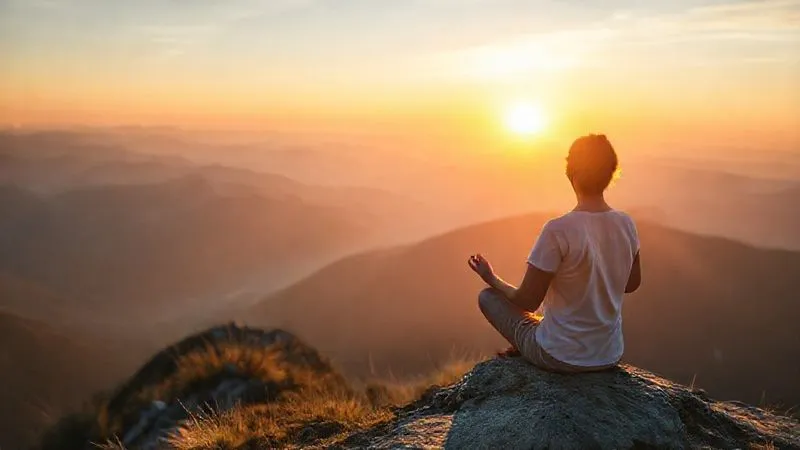
One of the greatest gifts of solo adventure is the opportunity for deep connection with nature and oneself. Practice mindfulness. Instead of constantly planning the next step, take moments to simply be present. Feel the sun on your skin, listen to the wind, observe the intricate details of your surroundings. This practice grounds you, reduces anxiety, and enhances appreciation, counteracting the mental fatigue of constant 'doing'.
Managing Loneliness and Overwhelm
Loneliness is a real and often unexpected challenge for solo travelers. It's important to acknowledge these feelings without letting them consume you. Have strategies in place: a pre-selected playlist of uplifting music, a comforting book, or a plan to connect briefly with loved ones back home. When overwhelmed, break down the problem into smaller, manageable steps. Remind yourself of your capabilities and past successes.
"True resilience isn't about never falling, but about how quickly and gracefully you rise. On a solo adventure, this means accepting moments of vulnerability and finding strength in self-compassion." - Expert Insight
For further insights into building resilience, articles from Psychology Today offer valuable perspectives on coping mechanisms and mental strength.
Leveraging Technology Wisely: Connection Without Overload
Technology can be a double-edged sword for the solo adventurer. It offers safety and connection but can also be a source of distraction and comparison, contributing to mental fatigue. The key is to leverage it wisely.
Essential Safety Tools
Your phone, GPS device, and satellite communicator are vital safety tools. Learn how to use them effectively and ensure they are charged. Research local emergency numbers and have a digital copy of important documents. These tools provide peace of mind, reducing a significant source of stress.
Digital Detox Periods
While connection is important, constant scrolling or checking social media can be draining. Schedule regular digital detox periods. Designate certain hours each day, or even entire days, where you put your phone away. This allows you to be fully present, reduces FOMO (Fear Of Missing Out), and prevents the mental clutter that comes with constant digital input.
- Offline Maps: Download maps for navigation to save battery and ensure access without signal.
- Power Bank: Carry a high-capacity power bank to keep devices charged.
- Emergency Contacts: Program ICE (In Case of Emergency) contacts into your phone and share your itinerary.
- Limited Social Media: Consider setting time limits for social media apps or only checking them at designated times.
- Journaling Apps: Use technology for reflective practices, like journaling, rather than purely consumptive ones.
The Importance of a Support Network, Even When Alone
Even on a solo adventure, you are not entirely alone. A robust support network, both at home and potentially on the road, is an invaluable resource for preventing burnout. It provides a safety net and emotional ballast.
Pre-trip Check-ins
Establish a clear communication plan with trusted friends or family before you leave. Agree on check-in frequencies and methods. Knowing someone is aware of your general whereabouts and expects to hear from you provides a layer of security and accountability, which can alleviate some of the mental burden of being entirely self-reliant.
Emergency Protocols
Have a clear emergency protocol. What happens if you get injured? Who do you contact? What are the local emergency services? Share this information with your support network. This proactive planning reduces anxiety and ensures that if the unexpected happens, you have a plan in place.
| Contact Type | Name | Phone | Check-in Frequency |
|---|---|---|---|
| Primary Emergency | Sarah (Sister) | +1-XXX-XXX-XXXX | Every 3 days |
| Secondary Emergency | Mark (Friend) | +1-YYY-YYY-YYYY | Weekly |
| Local Embassy/Consulate | [Country Name] Embassy | [Local Number] | N/A |
| Travel Insurance | Global Assist | +1-ZZZ-ZZZ-ZZZZ | N/A |
Post-Adventure Integration: Sustaining the Benefits, Preventing Relapse
The journey doesn't end when you return home. The period of re-entry and integration is crucial for processing your experiences and preventing a post-adventure burnout relapse. Many solo travelers experience a form of reverse culture shock or struggle to re-adjust to daily life, which can be just as draining as the trip itself.
Reflecting and Learning
Take time to reflect on your adventure. What did you learn about yourself? What challenges did you overcome? What brought you the most joy? Journaling, talking to friends, or even creating a photo album can help solidify your experiences and extract valuable lessons. This reflection helps you integrate the growth from your trip into your daily life, rather than seeing it as a separate, isolated event.
Gradual Re-entry and Future Planning
Avoid diving straight back into a packed schedule. Allow for a gradual re-entry into your routine. This decompression period is essential. Share your stories, but also give yourself space. Use the insights gained from your solo adventure, particularly those related to preventing burnout on a demanding solo adventure trip, to inform your future travel plans and even your daily life choices. Consider what sustainable pace means for you, not just on the road, but at home too.
As National Geographic often emphasizes, sustainable practices aren't just for the environment, but for the traveler too. This includes sustaining your own well-being.
Frequently Asked Questions (FAQ)
How do I distinguish between normal fatigue and burnout on a solo trip? Normal fatigue is typically resolved with a good night's sleep or a day of rest. Burnout, however, is a deeper, more pervasive exhaustion that doesn't disappear with simple rest. It often comes with emotional symptoms like cynicism, loss of interest, increased irritability, and a feeling of being overwhelmed by tasks that were once enjoyable. If these feelings persist despite efforts to rest, it's likely burnout.
Is it okay to change my meticulously planned itinerary if I feel burnt out? Absolutely, and it's often essential. Your itinerary is a guide, not a sacred contract. Prioritizing your well-being over a rigid plan is a sign of strength and self-awareness, not failure. Changing plans to incorporate more rest, slower travel, or even a temporary retreat can save your trip and prevent a complete breakdown. Be flexible and listen to your body and mind.
What if I feel lonely or isolated on my trip, contributing to burnout? Loneliness is a common, often unexpected, aspect of solo travel. Acknowledge it without judgment. Strategies include: reaching out to your pre-established support network (brief calls or messages), engaging with locals or other travelers in common areas (cafés, hostels), carrying a comforting item (a book, journal), or even planning short periods in more social environments. Remember, it's okay to seek connection.
How much 'downtime' is enough to prevent burnout on a demanding solo adventure trip? There's no one-size-fits-all answer, as it depends on the intensity of your adventure and your personal resilience. A good rule of thumb is to integrate at least one full rest day for every 3-4 days of intense activity. On a daily basis, ensure you have several hours of unstructured time, free from travel or specific goals. The goal is to feel refreshed, not just less tired.
Can diet and hydration really impact burnout on an adventure? Yes, profoundly. Your body is your vehicle, and proper fuel is non-negotiable. Dehydration can mimic fatigue, headaches, and irritability. A diet lacking in essential nutrients can lead to low energy, poor mood regulation, and a weakened immune system, making you more susceptible to both physical and mental burnout. Prioritize water, fresh fruits, vegetables, and lean proteins, even if it requires extra effort to source them.
Key Takeaways and Final Thoughts
- Proactive Planning is Paramount: Engineer resilience into your trip with under-scheduling and physical/mental conditioning.
- Master Pacing and Flexibility: Listen to your body and mind, and don't hesitate to adapt your itinerary.
- Prioritize Deliberate Rest: Integrate active and passive recovery, prioritizing sleep and quality nutrition.
- Cultivate Mental Fortitude: Embrace mindfulness and develop strategies for managing loneliness and overwhelm.
- Leverage Your Support Network: Maintain connections and establish clear emergency protocols.
- Integrate Experiences Post-Trip: Allow for reflection and gradual re-entry to sustain benefits and prevent relapse.
Embarking on a demanding solo adventure is a profound act of self-discovery and courage. It challenges you in ways few other experiences can. By implementing these expert strategies, you're not just preventing burnout; you're elevating your journey, transforming it from a mere physical challenge into a sustainable, deeply enriching odyssey. Trust your instincts, honor your limits, and remember that the greatest strength lies in knowing when to push and when to pause. Go forth, explore, and thrive.
Recommended Reading
- 7 Proven Steps: Recommend Under-the-Radar Coastal Towns, Guarantee Client Joy
- The Ultimate Guide: How to Avoid Museum Fatigue on Your Cultural Trip
- 5 Ways Solo Travel Crushes Imposter Syndrome in Senior Leadership
- 7 Smart Moves: Mitigate Outdoor Dance Festival Weather Risks Effectively
- 7 Steps: Ensuring Ethical Impact in Overseas Animal Volunteer Programs


Your email address will not be published. Required fields are marked *