

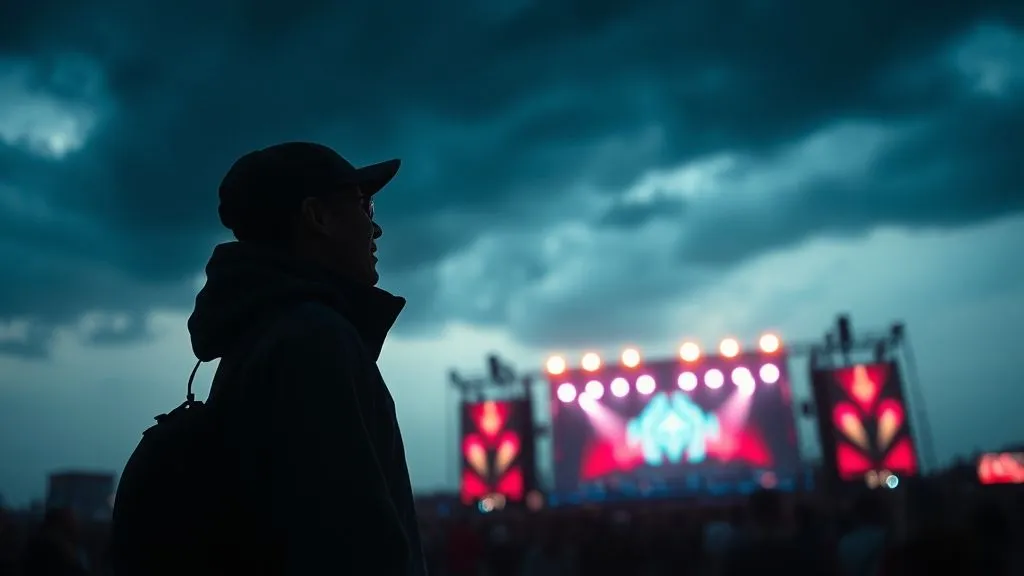
How to Mitigate Outdoor Dance Festival Weather Risks?
For over two decades in the festival travel industry, I've witnessed firsthand the incredible highs and the sudden, often devastating, lows that Mother Nature can dish out. From scorching desert heatwaves to torrential downpours that turn fields into mud pits, and even unexpected cold snaps, I've seen countless festival-goers caught unprepared. It’s a common misconception that the biggest risk at a festival is overcrowding or losing your friends; often, it's the weather, an unpredictable force that can swiftly transform a dream weekend into a nightmare.
The pain point is palpable: you've invested time, money, and excitement into an outdoor dance festival, only for adverse weather to threaten your experience, your health, or even your safety. The joy of dancing under open skies can quickly evaporate when a storm rolls in, gear gets soaked, or temperatures plummet. Many assume a basic poncho is enough, but true weather mitigation requires a multi-faceted, proactive approach that considers every potential scenario.
This comprehensive guide isn't just a list of tips; it's a battle plan forged from years of experience navigating the elements at some of the world's most iconic outdoor events. I'll walk you through actionable frameworks, share real-world insights, and provide a definitive roadmap on how to mitigate outdoor dance festival weather risks effectively. By the end, you'll be equipped with the knowledge to not just survive, but thrive, no matter what the skies decide to throw your way.
Understanding the Unpredictable: Your First Line of Defense
The first step in any robust risk mitigation strategy is understanding the threat. For outdoor dance festivals, this means deep-diving into weather patterns well before you even pack your bags. Relying solely on a last-minute forecast is a rookie mistake I’ve seen repeated too many times; true preparedness begins with research.
Start by researching the typical climate for the festival's location during that specific time of year. What are the historical averages for temperature, rainfall, and humidity? Are there specific regional weather phenomena, like monsoon seasons, sudden desert temperature drops, or coastal winds, that you need to be aware of? This foundational knowledge sets the stage for your packing and planning.
Next, leverage technology. I always recommend using multiple reliable weather apps and services. Don't just check one; cross-reference a few. Look for apps that offer hyper-local forecasts and real-time radar, which can be invaluable for tracking sudden changes. NOAA's weather services are a gold standard for accuracy and provide critical alerts. Check NOAA for the latest forecasts and severe weather advisories.
Expert Insight: "The most dangerous weather is the weather you don't expect. Proactive monitoring isn't about paranoia; it's about empowerment. Knowing what's coming allows you to react strategically, not just instinctively."
Finally, understand the festival's specific weather policies. Does the event have designated shelter zones? What are their protocols for severe weather evacuation? Knowing these details beforehand can save precious time and reduce panic if an emergency arises. This information is usually available on the festival's official website or FAQ section.
Mastering Your Festival Wardrobe: The Layering Imperative
Your clothing is your primary defense against the elements, and in my experience, layering is the undisputed champion for outdoor dance festivals. The goal is versatility: the ability to add or remove layers to adapt to rapidly changing conditions, from scorching sun to chilly nights, or sudden rain showers.
The Core Layers:
- Base Layer: Start with moisture-wicking fabrics like merino wool or synthetic blends. These draw sweat away from your skin, keeping you dry and preventing chafing in heat, and providing insulation in cold. Avoid cotton for base layers, as it absorbs moisture and dries slowly, making you feel clammy and cold.
- Mid-Layer: This provides insulation. Think a fleece jacket, a lightweight puffy vest, or a wool sweater. This layer should be easy to put on and take off, and compressible for packing.
- Outer Layer: Your shield against wind and rain. A waterproof and windproof jacket is non-negotiable. Look for options with taped seams and a durable water repellent (DWR) finish. A packable rain jacket that can fold into its own pocket is ideal.
Don't forget your lower half. Quick-drying shorts or convertible pants are excellent for warm weather. For colder conditions, consider waterproof pants or lightweight thermals under your main attire. Footwear is equally critical: waterproof, comfortable boots or shoes with good traction are essential, especially if mud is a possibility. Bring extra socks!
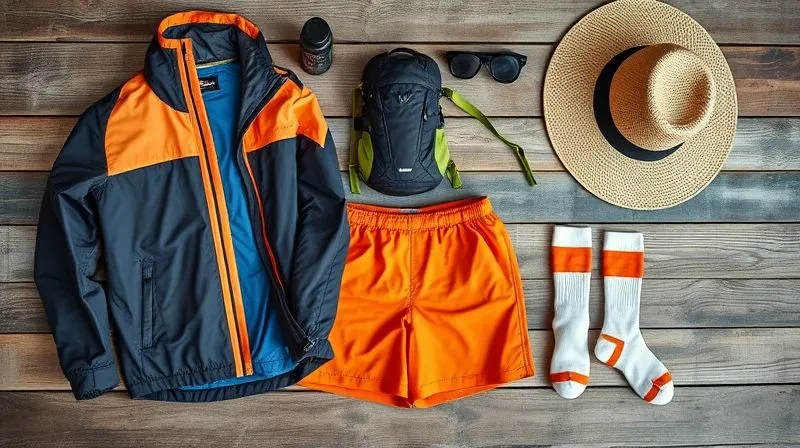
Essential Accessories:
- Headwear: A wide-brimmed hat for sun protection, and a warm beanie for cold nights.
- Eyewear: UV-protective sunglasses are a must.
- Gloves: Lightweight, waterproof gloves can be a lifesaver in unexpected cold or rain.
- Backpack Rain Cover: Protect your daypack contents from sudden downpours.
According to outdoor gear experts, investing in quality technical fabrics pays dividends in comfort and safety. As REI's expert advice often emphasizes, "Your gear should work with you, not against you." Prioritize durability and functionality over pure aesthetics when it comes to weather preparedness.
Hydration, Nutrition, and Shelter: Battling the Elements On-Site
Once you're at the festival, your focus shifts to active management of your physical well-being against the prevailing weather. This goes beyond just packing; it's about your moment-to-moment choices.
Staying Hydrated and Nourished:
Whether it's blazing sun or unexpected cold, proper hydration is paramount. I've seen too many people succumb to heatstroke or hypothermia simply because they neglected their fluid intake. Carry a reusable water bottle or a hydration pack and refill it constantly at free water stations. Electrolyte tablets or powders are excellent for replenishing vital salts lost through sweat, especially when dancing vigorously. Avoid excessive alcohol and sugary drinks, as they can contribute to dehydration.
Don't underestimate the power of good nutrition. Eating regular, balanced meals provides the energy your body needs to regulate its temperature and fight off fatigue. Pack healthy snacks like nuts, fruit, and energy bars to keep your energy levels consistent.
On-Site Shelter and Rest:
Seek shade during peak sun hours. Many festivals offer shaded relaxation zones or art installations that provide respite. If you're camping, ensure your tent is set up correctly and securely. A good quality tent with a rainfly is critical for rain protection. Consider bringing a small, portable pop-up shade tent for your campsite if allowed, providing a personal oasis from the sun or light rain.
Case Study: How 'VibeGuard' Enhanced Festival-Goer Safety
VibeGuard, a mid-sized desert festival, faced consistent challenges with heat-related illnesses. By implementing a three-pronged approach – increasing free water stations by 50%, establishing mandatory 15-minute shaded 'cool-down' breaks for performers, and launching a 'Hydration Hero' volunteer program to actively remind attendees to drink water – they saw a 40% reduction in heatstroke incidents over two years. This demonstrated that proactive on-site measures, combined with education, significantly mitigate risks.
Remember, rest is also a form of shelter. Get adequate sleep to keep your immune system strong and your body resilient against environmental stressors. Pushing yourself too hard in extreme weather can have serious health consequences. Learn more about staying safe in extreme heat from the American Red Cross.
Emergency Protocols: When the Weather Turns Hostile
Even with the best preparation, severe weather can strike. Knowing how to react calmly and effectively is crucial. This is where your pre-festival research into the event's emergency plans pays off.
Understanding Festival Alerts:
- Stay Informed: Pay attention to festival announcements. Many events use PA systems, jumbotrons, social media, and dedicated apps to disseminate real-time weather alerts and instructions.
- Identify Safe Zones: Locate designated shelter areas (e.g., sturdy buildings, large tents) on the festival map as soon as you arrive.
- Follow Staff Instructions: Festival staff and security are trained for emergencies. Their instructions are for your safety.
Specific Weather Threats:
- Lightning: If thunder roars, go indoors. Seek sturdy shelter immediately. Avoid isolated tall objects, open fields, and bodies of water. If no shelter is available, crouch low to the ground.
- Heavy Rain/Flooding: Move to higher ground if areas are prone to flooding. Protect electronics. If camping, ensure your tent is on elevated ground and properly secured.
- High Winds: Secure your campsite. Tents, canopies, and loose items can become dangerous projectiles. Seek sturdy shelter if winds become severe.
- Extreme Heat: Stay hydrated, seek shade, use cooling towels, and recognize symptoms of heatstroke (dizziness, confusion, rapid pulse).
- Extreme Cold: Dress in layers, stay dry, keep moving, and be aware of hypothermia symptoms (shivering, confusion, slurred speech).
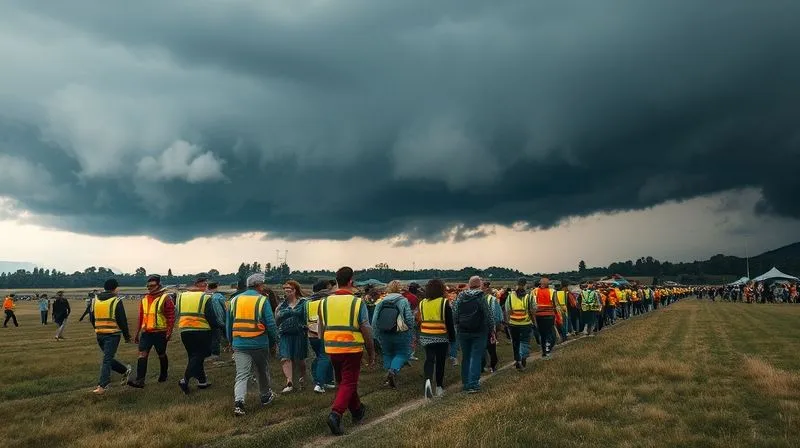
Always have a designated meeting point with your friends in case you get separated during an evacuation or emergency. Cell service can be unreliable, so a physical meeting spot is vital.
Protecting Your Gear: Tech and Valuables in Harsh Conditions
Your personal belongings, especially electronics, are vulnerable to the elements. I've witnessed countless phones, cameras, and even entire backpacks ruined by unexpected downpours or dust storms. Proactive protection is far easier and cheaper than replacement.
Waterproofing is Key:
- Dry Bags: Invest in several sizes of waterproof dry bags. These are invaluable for keeping clothes, sleeping bags, and electronics absolutely dry.
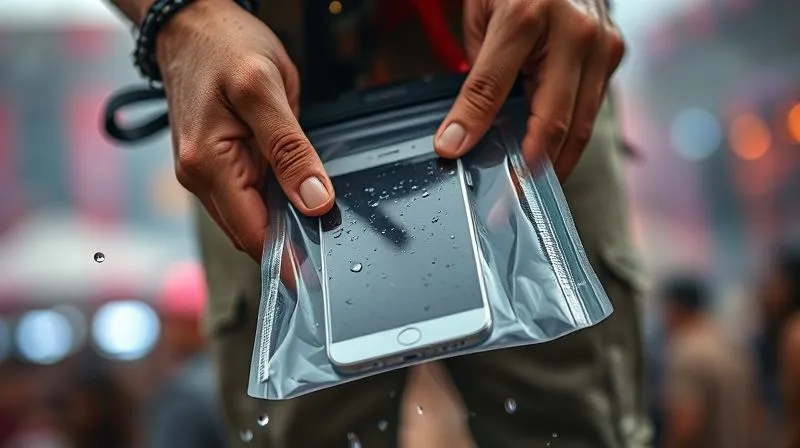
- Waterproof Phone Pouch: Essential for keeping your phone safe while still accessible for photos or communication.
- Ziploc Bags: A budget-friendly alternative for smaller items, though not as robust as dry bags. Double-bagging is a good practice.
Dust and Sand Protection:
Desert festivals, in particular, pose a significant threat from dust and sand. Fine particles can get into camera lenses, phone ports, and even backpack zippers, causing damage. Use dust covers for cameras, keep electronics in sealed bags, and consider a bandana or face mask to protect your lungs and gear from airborne particles.
Power Management:
Portable power banks are crucial, but they too need protection. Keep them in a dry bag. Solar chargers can be useful for multi-day events, but their effectiveness depends on sunlight. Ensure all charging cables are also protected from moisture and dust.
When it comes to gear, it’s not just about keeping things dry; it's about making sure they remain functional. A dead phone in an emergency is as useless as a wet one. Prioritize the protection of items that are critical for communication, navigation, or comfort.
Post-Weather Recovery: Bouncing Back Stronger
The weather event might be over, but the challenges don't necessarily end there. Effective post-weather recovery is vital for maintaining comfort, health, and a positive festival experience. Many people overlook this phase, assuming once the rain stops or the heat breaks, everything is fine. That's a mistake.
Drying Out and Reorganizing:
If your clothes or gear got wet, the priority is to dry them as quickly and thoroughly as possible. Damp items can lead to chafing, skin infections, and even hypothermia if temperatures drop again. Hang clothes in the sun or in a well-ventilated area. If your tent got wet, air it out completely to prevent mildew, which can ruin fabric and cause respiratory issues.
Reorganize your backpack. Separate dry items from anything that's still damp. Repack essentials so they are easily accessible. A clean, organized setup helps restore a sense of calm and control after a chaotic weather event.
Health Check and Self-Care:
After enduring extreme weather, perform a quick self-assessment. Are you feeling unusually tired? Do you have any new aches, pains, or skin irritations? Re-evaluate your hydration and nutrition intake. This is especially important for multi-day festivals where cumulative fatigue can exacerbate post-weather effects.
Consider taking a break from the action. Find a quiet spot to rest, rehydrate, and recharge. Your body has been under stress, and a little self-care can prevent minor issues from escalating into major problems. This might mean missing a set, but your well-being is always the priority.
| Recovery Action | Benefit | Priority |
|---|---|---|
| Dry Gear & Clothes | Prevents mildew, chafing, and hypothermia. | High |
| Rehydrate & Refuel | Restores energy, aids body temperature regulation. | High |
| Rest & Recharge | Reduces fatigue, boosts immune system, prevents burnout. | Medium |
| Check for Injuries/Ailments | Early detection of skin issues, exhaustion, or illness. | High |
| Clean Up Campsite | Maintains hygiene, prevents pests, improves morale. | Medium |
The Mental Game: Staying Positive Amidst the Chaos
Mitigating physical risks is one thing, but maintaining a positive mental state when the weather turns sour is an entirely different, yet equally crucial, challenge. I've observed that those who manage to keep their spirits high often navigate difficult situations with greater resilience and ultimately have a better overall experience.
Embrace Imperfection:
Outdoor festivals are inherently unpredictable. Mud, rain, heat – these are all part of the adventure. Adopting a mindset of acceptance, rather than fighting against the reality, is incredibly liberating. As marketing guru Seth Godin often says about adaptation, "The market always wins. The only way to win is to work with it." This applies to weather, too.
Instead of lamenting a sudden downpour, view it as an opportunity for unique memories – dancing in the rain, or bonding with friends under a shared tarp. A positive outlook transforms a challenge into a story.
Expert Insight: "Your attitude is the one piece of gear that never gets wet, never breaks, and always fits. Cultivate it carefully, especially when the skies open up."
Focus on Solutions, Not Problems:
When faced with a weather-related issue, shift your mental energy from complaining to problem-solving. Got wet? How can you get dry? Feeling cold? What layers can you add? This proactive mindset empowers you and helps you feel more in control, even when external circumstances are beyond your influence. Remember why you came: for the music, the community, the experience. Don't let a temporary weather setback overshadow that.
Connecting with your friends and fellow festival-goers can also be a huge morale booster. Shared adversity often fosters stronger bonds. A collective laugh about the mud, or helping a stranger secure their tent, can turn a difficult moment into a positive memory. Your mental resilience is a powerful tool in how to mitigate outdoor dance festival weather risks.
Leveraging Technology: Apps and Gadgets for Weather Awareness
In today's connected world, technology offers powerful tools to enhance your weather preparedness and response at outdoor dance festivals. While it shouldn't replace common sense, strategic use of apps and gadgets can significantly boost your safety and comfort.
Smart Weather Apps:
Beyond basic weather forecasts, look for apps that offer advanced features:
- Real-time Radar: Apps like AccuWeather or MyRadar provide live radar maps, showing precipitation and storm movement in your immediate vicinity. This allows you to track incoming rain and make informed decisions about seeking shelter.
- Lightning Detection: Some apps offer lightning proximity alerts, which can be critical for safety during thunderstorms.
- Hyper-local Forecasts: These apps use precise location data to give you incredibly specific weather predictions for your exact festival grounds.
- Alerts and Notifications: Configure apps to send push notifications for severe weather warnings, giving you crucial lead time to react.
Communication Gadgets:
Cellular networks can become overloaded at large festivals. Consider alternative communication methods:
- Walkie-Talkies: For group coordination, especially if camping together, walkie-talkies offer reliable communication independent of cell service.
- Satellite Messengers: For extremely remote festivals, devices like the Garmin inReach Mini offer satellite-based two-way messaging and SOS capabilities, vital for emergencies where cell service is non-existent.
Other Useful Gadgets:
- Portable Weather Stations: Compact devices that can measure temperature, humidity, and even wind speed at your campsite, helping you make immediate comfort adjustments.
- Headlamps/Lanterns: Essential for navigating in the dark, especially if heavy rain or wind has affected lighting infrastructure.
Remember to keep all these devices charged and protected from the elements. A dead gadget is useless. Integrating these technological aids into your overall strategy significantly strengthens your ability to how to mitigate outdoor dance festival weather risks.
Case Study: The Resilience of 'Groove Horizon'
How Groove Horizon Maintained Safety During a Flash Flood
In 2018, the Groove Horizon festival, situated in a valley prone to sudden downpours, faced its ultimate test: an unexpected flash flood warning issued just hours before gates opened on its main day. Instead of panicking, the festival organizers, drawing on a robust risk management plan, executed a series of swift, decisive actions that saved the event and ensured attendee safety.
Their strategy focused on three key pillars I've always advocated: Proactive Communication, Prepared Infrastructure, and Empowered Staff.
First, Proactive Communication was paramount. Leveraging their custom festival app and social media, they issued immediate, clear warnings about the potential flood risk, advising early arrival attendees to secure tents on higher ground and to pack essential dry bags. They also broadcasted real-time weather updates from a dedicated meteorologist, building trust and reducing panic.
Second, their Prepared Infrastructure proved invaluable. Months prior, they had invested in elevated walkways for high-traffic zones, and critical stage equipment was housed on raised platforms. Designated, clearly marked emergency shelters (sturdy, pre-fabricated structures) were already in place. Crucially, they had established clear drainage channels around key areas, which, while not preventing all mud, significantly reduced water accumulation in critical zones.
Finally, Empowered Staff made all the difference. Every staff member, from security to vendors, had undergone mandatory emergency weather protocol training. When the heavy rains began, they calmly directed attendees to higher ground and shelters, provided dry blankets, and distributed free ponchos. Their calm demeanor prevented widespread panic and facilitated an orderly response.
The result? While the festival experienced significant rain and temporary flooding in certain areas, there were zero major injuries related to the weather. The swift, coordinated response, built on a foundation of foresight and preparation, allowed Groove Horizon to mitigate the severe risks and even bounce back, with music resuming once the immediate threat passed. This case study underscores the power of a holistic approach to how to mitigate outdoor dance festival weather risks.
Frequently Asked Questions (FAQ)
What's the single most important item to pack for unpredictable festival weather? Without a doubt, a high-quality, lightweight, and packable waterproof jacket is your absolute essential. It defends against rain and wind, and can be layered for warmth. It's the cornerstone of how to mitigate outdoor dance festival weather risks.
How do I protect my phone if I don't have a waterproof pouch? A simple resealable plastic bag (like a Ziploc) can offer temporary protection against light rain or splashes. For more robust protection, double-bagging and keeping it deep within a backpack can help, but it's always best to invest in a dedicated waterproof phone pouch.
What should I do if a lightning storm hits and there's no sturdy shelter nearby? If you can't get to a sturdy building or vehicle, avoid open fields, isolated tall objects, and bodies of water. Crouch low to the ground on the balls of your feet, minimizing contact with the earth. Stay away from metal objects. This is a last resort, always prioritize seeking proper shelter.
Is it better to wear sandals or closed-toe shoes in hot, potentially rainy weather? While sandals might seem appealing for heat, closed-toe, waterproof shoes with good traction are almost always superior for festivals. They protect your feet from mud, debris, and potential injuries, and keep them dry in rain. Bring breathable socks to manage heat.
How can I prevent my tent from flooding during heavy rain? Choose a campsite on slightly higher ground, away from natural depressions or runoff paths. Ensure your tent's rainfly is properly pitched and staked out, creating a taut barrier. Consider bringing a tarp to place under your tent (ensure it doesn't extend beyond the tent's footprint to avoid collecting water) and even a small, flat tarp inside your tent for an extra layer of protection.
Key Takeaways and Final Thoughts
- Proactive Research is Paramount: Understand historical weather patterns and leverage multiple reliable forecasts.
- Layering is Your Wardrobe Strategy: Invest in moisture-wicking base layers, insulating mid-layers, and a robust waterproof outer shell.
- Hydration and Nutrition are Non-Negotiable: Prioritize water intake and balanced meals to maintain physical resilience.
- Know the Emergency Plan: Familiarize yourself with festival protocols and identify safe zones beforehand.
- Protect Your Gear Religiously: Utilize dry bags and waterproof pouches for electronics and valuables.
- Embrace the Unpredictable: A positive mindset can transform challenges into memorable experiences.
- Leverage Technology Smartly: Use weather apps and communication gadgets to stay informed and connected.
Navigating the unpredictable weather at outdoor dance festivals doesn't have to be a source of anxiety. As a seasoned veteran in this space, I can confidently tell you that with the right preparation, knowledge, and mindset, you can transform potential weather woes into minor inconveniences. By adopting these expert strategies on how to mitigate outdoor dance festival weather risks, you're not just preparing for a festival; you're investing in a safer, more enjoyable, and truly unforgettable experience. Go forth, dance freely, and let nothing dampen your spirit – especially not the weather!
Leitura Recomendada
- 7 Steps to Prevent Greenwashing in Sustainable Travel Marketing
- Surf & Zoom: 7 Global Spots Offering Reliable Remote Work Connectivity
- 7 Steps: Guaranteeing Authenticity for Overseas Luxury Watch Buys
- Unlock the Secrets: What to Wear for Formal Dining at Luxury Resorts
- Unveiling the Truth: Are Safari Tents Truly Good for Cold-Weather Glamping?





Your email address will not be published. Required fields are marked *