


How to Prevent Logistical Chaos on Multi-Stop Family Adventures?
The Inevitable Truth of Family Travel
For over two decades in the family travel industry, I've witnessed countless families embark on what they envision as a dream multi-stop adventure, only for it to unravel into a tangled mess of missed connections, frantic searches for lost items, and meltdowns – both adult and child. It's a scenario I understand deeply, having navigated my own share of complex family journeys across continents. The allure of exploring multiple destinations with your loved ones is undeniable, but the underlying logistical complexities can quickly turn excitement into exasperation.
The problem isn't a lack of desire for a smooth trip; it's often the sheer volume of variables involved: coordinating flights, trains, and rental cars; managing diverse personalities and energy levels; ensuring everyone's needs are met across different cultures and environments; and doing all of this while trying to actually enjoy the experience. Without a robust framework, these variables conspire, creating what I affectionately call "The Logistical Vortex" – a swirling chaos that devours schedules, budgets, and precious family memories.
But here’s the good news: logistical chaos on multi-stop family adventures is not an inevitability. In this definitive guide, I will share the battle-tested strategies, frameworks, and expert insights I've developed and refined over my career. You'll learn how to transform potential pitfalls into seamless transitions, ensuring your family's grand adventure remains just that – an adventure, not an ordeal. We'll delve into actionable steps, real-world examples, and tools that will empower you to plan, execute, and truly savor every moment of your multi-destination journey.
The Foundation: A Master Itinerary & Centralized Information Hub
Building Your Family Travel Command Center
In my experience, the single most critical element for preventing logistical chaos is a meticulously crafted master itinerary and a centralized, accessible information hub. Think of it as your family's mission control for the entire trip. This isn't just a list of bookings; it's a dynamic document that anticipates needs, outlines contingencies, and keeps everyone on the same page. Without this bedrock, you're essentially sailing without a compass, hoping for the best.
The benefits of such a command center are profound. It reduces decision fatigue on the go, minimizes the risk of forgotten details, empowers older children to take ownership, and provides peace of mind knowing that all critical information is at your fingertips. From my perspective, this initial investment of time pays dividends throughout the entire journey, preventing countless moments of stress and frantic searching.
- Choose Your Platform: I highly recommend digital tools like Google Docs, Notion, or a dedicated travel planning app (e.g., TripIt, Wanderlog). These allow for real-time updates and sharing.
- Compile All Bookings: Include confirmation numbers, contact details, check-in/out times for flights, accommodations, rental cars, and pre-booked activities.
- Daily Breakdown: For each day, list the primary destination, planned activities (with timings and booking info), meal considerations, and travel between locations. Be realistic about what you can achieve with children.
- Essential Contacts & Documents: Store copies of passports, visas, insurance policies, emergency contacts (local and home), and medical information. Secure cloud storage is key.
- Contingency Plans: Include alternative activities for bad weather, backup transportation options, and local emergency numbers. This foresight is invaluable.
- Share & Review: Share the full itinerary with all adult travelers and walk through it together. For older children, highlight their responsibilities and exciting upcoming events.

Strategic Planning: Beyond Just Booking Flights
Optimizing Travel Days and Transit Times
One common mistake I've observed is underestimating the true time commitment and energy drain of travel days. It's not just the flight or train ride itself; it's the entire process: packing up, checking out, getting to the station/airport, security, boarding, disembarking, finding transport at the other end, checking into the new accommodation, and finally, settling in. With children, every step takes longer, and patience wears thinner.
"When planning multi-stop adventures, always add a 25% buffer to your estimated travel times, especially with kids. What looks like a quick hop on a map can easily become a half-day ordeal when you factor in bathroom breaks, snack stops, and unexpected delays."
I always advise clients to build in generous buffer times between connections and activities. A 2-hour layover might seem sufficient for adults, but with a stroller, carry-on bags, and a toddler needing a diaper change, it can become a race against the clock. Consider overnight trains or early morning flights for longer distances, often capitalizing on children's natural sleep patterns. Furthermore, try to group destinations geographically to minimize zig-zagging across a region, which wastes valuable time and energy.
Accommodation Choices: Location, Amenities, and Flow
The right accommodation can be a game-changer for multi-stop family trips. It's not just about a bed to sleep in; it's about creating a temporary home base that supports your family's needs and rhythm. In my experience, skimping on accommodation quality or suitability often leads to more stress and cost down the line.
- Location, Location, Location: Prioritize proximity to public transport, main attractions, and amenities like grocery stores or parks. Reducing daily commuting time is crucial.
- Space & Layout: Look for apartments, family suites, or connecting rooms. Separate sleeping areas for kids and adults can be invaluable for everyone's rest and sanity.
- Kitchenette/Laundry: Access to a small kitchen for preparing simple meals and laundry facilities can save significant money and provide a sense of normalcy, especially on longer trips.
- Kid-Friendly Amenities: Play areas, pools, or even just a safe garden can provide much-needed downtime and entertainment for children while parents relax.
- Reviews Specific to Families: Always read reviews from other families. They often highlight issues or perks that single travelers might overlook.
| Accommodation Type | Pros for Families | Cons for Families | Best For |
|---|---|---|---|
| Hotel Room (Standard) | Daily cleaning, on-site services, easy booking | Limited space, no kitchen, often pricier for multiple rooms | Short stays (1-2 nights), city centers where eating out is easy |
| Apartment/Vacation Rental | More space, kitchen facilities, laundry, often better value for longer stays | Less service, potential for unexpected issues, check-in can be complex | Longer stays (3+ nights), families needing space and self-catering options |
| Connecting Hotel Rooms | Privacy for adults, close proximity for children, hotel services | Can be expensive, availability not guaranteed, still no full kitchen | Families wanting privacy and service, can be good for teens |
| All-Inclusive Resort (Family-focused) | Meals/activities included, kid's clubs, often dedicated family amenities, predictable costs | Less immersive local experience, can feel isolated, limited flexibility | Families seeking relaxation and convenience, not ideal for true multi-stop exploration between cities |
The Art of Packing Smart: Every Item Has a Purpose
Implementing the Modular Packing System
Packing for a multi-stop family adventure is not just about fitting everything into a suitcase; it's about strategic organization that facilitates easy access, quick transitions, and adaptability to different climates and activities. I've found that the "modular packing" system is a lifesaver, especially when you're moving between locations every few days. This system is designed to prevent the dreaded "digging through everything" scenario that invariably leads to chaos.
- Packing Cubes are Your Best Friend: Categorize clothes by person, outfit, or destination within separate packing cubes. This keeps everything organized and makes it easy to pull out what you need without disturbing other items.
- Outfit Planning: For each family member, lay out complete outfits for each day, including underwear and socks. Consider capsule wardrobes with interchangeable pieces to reduce bulk.
- Essentials Bag: Keep a small bag with 1-2 days of essential clothing, toiletries, and medications separate and easily accessible in your carry-on, in case checked luggage is delayed.
- Shared Items: Consolidate shared toiletries, first-aid, and chargers into one designated bag to avoid duplicates and save space.
- "Unpack as You Go" Mentality: When you arrive at a new accommodation, quickly unpack only what you need for that stop. Repack as you leave, ensuring nothing is left behind.
Essential Carry-Ons for Kids & Parents
The carry-on bag is your lifeline during transit. It needs to contain everything necessary to keep everyone comfortable, entertained, and prepared for minor emergencies. For parents, this means critical documents and immediate needs. For kids, it's about comfort and engagement.
For Parents:- Passports, IDs, and printed/digital copies of all critical bookings.
- Wallet, credit cards, local currency.
- Medications (prescription and common OTC for headaches, allergies).
- Small toiletry kit (toothbrush, toothpaste, contact solution).
- Portable power bank and charging cables.
- A light change of clothes for yourself and each child (in case of spills or delays).
- Snacks and refillable water bottles.
- Entertainment: Book, e-reader, headphones.
- Favorite small toy or comfort item.
- Activity books, crayons, or a tablet with pre-downloaded games/movies.
- A few familiar snacks.
- Small blanket or neck pillow.
- Headphones.
- A light jacket or sweater.
Navigating the Unknown: Tech Tools & Local Insights
Essential Apps for Family Travel
In today's connected world, your smartphone can be your most powerful ally in preventing logistical chaos. I've seen families transform stressful situations into manageable ones simply by leveraging the right digital tools. Before you even leave, ensure these are downloaded and familiar to you.
- Navigation Apps: Google Maps or Apple Maps are essential, but also consider offline map apps like Maps.me for areas with spotty reception.
- Translation Apps: Google Translate or iTranslate Voice can bridge language barriers, making interactions smoother and safer.
- Currency Converters: XE Currency or similar apps provide real-time exchange rates, helping you manage your budget and avoid overpaying.
- Communication Apps: WhatsApp or similar for free international messaging, especially useful for coordinating with family members or local contacts.
- Accommodation/Flight Apps: Keep your booking apps (e.g., Booking.com, airline apps) handy for quick access to details and check-ins.
- Entertainment: Download movies, audiobooks, or games for kids (and adults!) to keep everyone occupied during transit or downtime.
Tapping into Local Expertise (Before and During)
While technology is invaluable, nothing truly replaces the insights of a local. I always advise families to seek out local knowledge, as it can unlock hidden gems and help avoid tourist traps or cultural faux pas that can lead to unexpected delays or discomfort. This proactive approach ensures a more authentic and smoother experience.
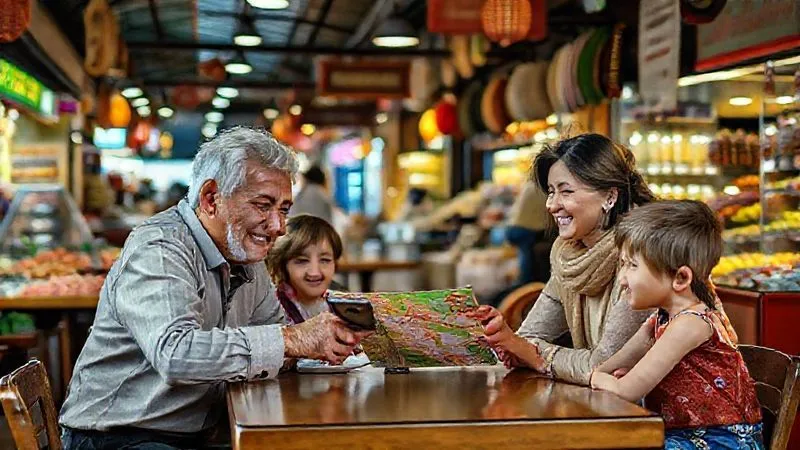
Before you go, join relevant Facebook groups or online forums for your destinations. Ask specific questions about family-friendly activities, best local transport, and safety tips. Once you arrive, don't hesitate to ask hotel staff, local shopkeepers, or even fellow parents you meet for recommendations. They often have the most up-to-date information on things like public transport strikes, local festivals, or the best child-friendly restaurants that aren't in the guidebooks. This human connection adds a layer of richness and reliability to your planning that no algorithm can replicate.
Financial Foresight: Budgeting for the Unexpected
Creating a Realistic Multi-Stop Budget
Financial stress is a notorious chaos creator on any trip, but it's amplified on multi-stop family adventures where costs can quickly accumulate across different currencies and services. My approach to budgeting is always to be realistic, then add a buffer. Underestimating expenses is a common pitfall that can lead to difficult choices on the road, or worse, cutting experiences short.
- Categorize Expenses: Break down your budget into main categories: flights, accommodation, transportation (local), food, activities/sightseeing, shopping/souvenirs, and a crucial "miscellaneous/emergency" fund.
- Research Local Costs: Prices for food, transport, and activities vary wildly between destinations. Use online resources like Numbeo or travel blogs to get a realistic sense of daily costs in each location.
- Pre-Pay Where Possible: Booking and paying for major expenses (flights, hotels, tours) in advance locks in prices and reduces the amount of cash you need to carry.
- Allocate Daily Spending: Set a realistic daily budget for food, local transport, and small activities. Track your spending using an app or a simple spreadsheet to stay on track.
- Factor in Hidden Costs: Don't forget ATM fees, foreign transaction fees on credit cards, baggage fees, visa costs, and tips. These small amounts can add up quickly.
Emergency Funds & Travel Insurance: Non-Negotiables
I cannot stress enough the importance of having both an emergency fund and comprehensive travel insurance. These aren't just good ideas; they are non-negotiable safeguards against logistical and financial chaos. I've seen too many families face significant medical bills, lost luggage, or trip cancellations without adequate protection, turning a minor setback into a major disaster.
Your emergency fund should be easily accessible but separate from your daily spending money – perhaps in a different bank account or a specific travel credit card. It's for those "what if" scenarios: a sudden need for a taxi due to a missed train, an unexpected medical consultation, or replacing a lost item. Aim for at least 10-15% of your total trip budget as an emergency buffer.
Travel insurance is your safety net for larger, unforeseen events. It should cover medical emergencies, trip cancellation/interruption, lost or delayed luggage, and emergency evacuation. Always read the policy details carefully to understand what is and isn't covered. For families, look for policies that specifically cater to children and pre-existing conditions if applicable. A reputable provider can offer invaluable peace of mind. For more insights on choosing the right policy, I often recommend resources like Travel Insurance Review to help compare options.
Managing Expectations & Maintaining Harmony
Involving the Kids in the Planning Process
One of the most effective strategies I've learned for preventing meltdowns and fostering cooperation on multi-stop trips is to involve children in the planning process. When kids feel a sense of ownership and excitement about the journey, they are far more likely to be resilient and engaged, even when things don't go perfectly. This isn't about letting them dictate the entire itinerary, but rather giving them age-appropriate choices and responsibilities.
- Destination Excitement: Show them pictures or videos of upcoming destinations. Let them choose one activity per location (e.g., "Do you want to visit the castle or the science museum in Paris?").
- Packing Responsibility: For older children, let them pack their own small carry-on with their chosen entertainment and comfort items.
- Navigation Helpers: Give them a physical map or let them follow along on a digital map. Ask them to point out your next stop or help identify landmarks.
- Snack Patrol: Empower them to help choose and pack snacks for travel days.
- Cultural Immersion: Encourage them to learn a few basic phrases in the local language or research a fun fact about the culture.
The Power of Flexibility and "Planned Downtime"
No matter how meticulously you plan, multi-stop family adventures will inevitably throw curveballs. Flights get delayed, kids get tired, or a sudden downpour changes your plans. The ability to pivot and adapt is a superpower in family travel. I've seen perfectly planned itineraries crumble under the weight of rigidity, leading to frustration and conflict.
"A perfect family adventure isn't one where everything goes exactly to plan, but one where you gracefully navigate the unexpected, turning potential mishaps into memorable anecdotes. Embrace flexibility as your most valuable travel companion."
Equally important is building "planned downtime" into your itinerary. Resist the urge to pack every minute with activities. Children (and adults!) need time to decompress, play, or simply relax. A leisurely morning at the accommodation, an afternoon at a local park, or a quiet evening with a movie can recharge everyone's batteries, making them more resilient for the next day's adventures. This balance is crucial for maintaining harmony and preventing burnout on longer, multi-destination journeys.
Case Study: The Miller Family's European Odyssey Reimagined
The Initial Chaos
The Miller family—parents Sarah and David, and their children Maya (12) and Leo (8)—embarked on a three-week, five-city European adventure. Their initial plan was ambitious: flights, trains, and booked hotels, but little else. Within the first week, chaos ensued. A train delay in Germany meant missing a connecting flight to Italy. Lost luggage in Rome led to frantic shopping. Leo had a meltdown in a crowded museum, and Maya became withdrawn due to the constant rush. Sarah and David were exhausted, arguing, and questioning why they'd even bothered.
Implementing the "Chaos Prevention Framework"
Desperate, Sarah reached out to me. We immediately implemented a modified version of my "Chaos Prevention Framework." First, we created a digital "Family Command Center" in Google Docs, inputting all remaining bookings, local transport options, and emergency contacts. We then adjusted their itinerary, reducing the number of daily activities, and building in half-day "free play" slots in parks or at their accommodations. They downloaded offline maps and translation apps. We discussed expectations with Maya and Leo, letting them choose one activity in each remaining city and giving them small responsibilities like tracking snacks or finding specific landmarks.
The Outcome & Lessons Learned
The transformation was remarkable. While they still encountered minor hiccups—a longer-than-expected bus ride, a restaurant closed for renovations—these no longer derailed their entire day. With the master itinerary, they quickly found alternative transport. With planned downtime, Leo had space to recharge. Maya felt more involved and less overwhelmed. Sarah and David rediscovered the joy of travel, realizing that flexibility and preparation were far more valuable than a rigid, overstuffed schedule. They learned that a successful multi-stop adventure isn't about flawless execution, but about robust preparation and the resilience to adapt. This experience fundamentally changed how they approached family travel, proving that even a trip spiraling into chaos can be brought back to a joyful course with the right strategies. For more insights on real family travel experiences, you might find articles on Lonely Planet's Family Travel section incredibly useful.
Communication is Key: Before, During, and After
Pre-Trip Briefings and Role Assignments
Effective communication begins long before you leave home. I've found that pre-trip briefings are essential for aligning expectations and distributing responsibilities, reducing friction once the journey begins. Gather everyone, especially older children, and discuss the itinerary, potential challenges, and what each person can do to contribute to a smooth trip. This fosters a sense of teamwork and collective ownership.
Assigning age-appropriate roles can be incredibly empowering. One child might be the "Snack Master," responsible for ensuring the carry-on has provisions. Another could be the "Navigator's Assistant," helping read maps or follow directions. Parents can divide tasks like managing bookings, handling finances, or being the primary contact for local queries. This clear division of labor prevents any single person from feeling overwhelmed and ensures that critical tasks are covered. It’s about building a cohesive travel unit.
On-the-Go Check-ins and Conflict Resolution
During the adventure, regular, informal check-ins are vital. A quick "How's everyone feeling?" or "What's the best part of today so far?" can gauge energy levels and identify potential issues before they escalate. Encourage open communication where everyone feels safe to express their needs or frustrations. When conflicts arise—and they will—approach them with empathy and a problem-solving mindset rather than blame.
Take a break, find a quiet spot, and listen actively. Often, a child's tantrum is a sign of hunger, fatigue, or overstimulation. Address the underlying need first. For adult disagreements, remember you're a team. Focus on finding a mutually agreeable solution rather than "winning" an argument. A strong family unit, built on open communication, is the most powerful tool against logistical and emotional chaos on the road. Understanding family dynamics in travel can be further explored through resources like Harvard Business Review articles on team dynamics, which offer applicable insights even for family units.
Safety First: Protocols for Peace of Mind
Emergency Contacts & Important Documents
Ensuring your family's safety is paramount, and proactive preparation here is a cornerstone of preventing chaos. Before you depart, establish clear safety protocols. Compile a list of all essential emergency contacts: local police, ambulance, your country's embassy/consulate, and the numbers for your travel insurance provider. Distribute this list to all adult travelers and ensure older children know who to call in an emergency.
Beyond contact numbers, critical documents must be organized and accessible. I always recommend having multiple copies:
- Physical copies (in a waterproof pouch).
- Digital copies (stored securely in the cloud and on multiple devices).
- A small, laminated card for each family member with emergency contacts and any crucial medical information (allergies, blood type).
These documents include passports, visas, travel insurance policies, flight/hotel confirmations, and medical prescriptions. This redundancy ensures that even if one set is lost or inaccessible, you have backups.
"Buddy System" and Meeting Points
Especially in crowded places or when exploring new cities, a "buddy system" can be incredibly effective for keeping track of everyone. Pair children with an adult or older sibling, establishing that they are responsible for staying together. For younger children, consider using child locator devices or wristbands with your contact information.
Before entering any busy attraction, market, or public space, always designate a clear, easily identifiable meeting point. "If we get separated, meet at the base of the clock tower" or "We'll meet by the big fountain." Ensure everyone understands and can identify this spot. This simple step eliminates frantic searching and panic if someone wanders off. I've seen this small protocol prevent countless moments of high stress and confusion, reinforcing a sense of security for everyone. It's a proactive measure that gives both parents and children peace of mind, allowing for more relaxed exploration.

Frequently Asked Questions (FAQ)
Q: How do I manage diverse interests and energy levels across different age groups on a multi-stop trip?
A: This is a classic challenge! My approach is a blend of compromise and strategic splitting. First, involve everyone in choosing some activities, ensuring each family member has at least one "must-do." Second, build in "flexibility zones" or planned downtime. When interests diverge, don't be afraid to split up for a few hours. One parent might take the history buffs to a museum while the other takes the active kids to a park or playground. Rejoin for meals or shared experiences. Prioritize quality over quantity, and remember that everyone needs personal space and choices to avoid burnout.Q: What's the best way to handle unexpected delays or cancellations with kids in tow?
A: Preparation is key here. Firstly, always have your "Family Travel Command Center" (digital itinerary with alternatives) accessible. Secondly, maintain a well-stocked carry-on with snacks, water, and entertainment for delays. When a delay happens, communicate calmly and honestly with your children about the situation, without showing panic. Focus on what you can control: find a comfortable spot, pull out the entertainment, and make it an unexpected adventure (e.g., "Let's use this time to play a game!"). Have your emergency fund ready for unexpected taxi rides or last-minute accommodation. Remember, your attitude sets the tone.Q: How much luggage is too much for a multi-stop family adventure?
A: In my experience, less is always more for multi-stop trips. Aim for one carry-on sized bag per person, plus one checked bag for shared items (toiletries, bulkier clothes) if absolutely necessary. The modular packing system is vital here. Consider laundry services at accommodations or packing quick-drying clothes. Every extra bag adds logistical friction—more to carry, more to track, more potential for loss. Think strategically about what you truly need versus what you might need. The freedom of lighter travel far outweighs the comfort of having every possible item.Q: Is it better to book everything in advance or leave some flexibility for multi-stop trips?
A: For multi-stop family adventures, I strongly advocate for booking major elements (international flights, primary accommodations, and high-demand tours) well in advance. This secures better prices and ensures availability. However, it's crucial to build in flexibility for daily activities and some local transport. Don't overschedule every single hour. Leave room for spontaneous discoveries, unexpected weather changes, or simply a day of relaxation. A good balance is having your "spine" of the trip (major transport and stays) fixed, with plenty of "ribs" (daily plans) that can bend and adapt.Q: How do I keep track of important documents and money safely across multiple destinations?
A: Security and redundancy are paramount. For documents: use a travel wallet for passports/tickets, keep digital copies on a secure cloud service (e.g., Dropbox, Google Drive) and email them to yourself. Consider a separate, smaller wallet for daily cash and one credit card, leaving the main stash (extra cash, other cards) in a hotel safe or hidden in your luggage. Divide money between family members if possible, and avoid carrying all your cash in one place. Use anti-theft bags or money belts for added security in crowded areas. Always be discreet when handling money or documents in public.Key Takeaways and Final Thoughts
Mastering multi-stop family adventures isn't about eliminating every possible challenge; it's about equipping yourself with the strategies and mindset to navigate them gracefully. As an industry veteran, I've seen firsthand that the most successful family journeys are those undertaken by prepared, adaptable, and communicative travelers. By embracing these principles, you transform potential chaos into cherished memories.
- Build a Robust Command Center: Your master itinerary and centralized information hub are your trip's backbone.
- Plan Strategically, Not Just Book: Optimize travel days, choose accommodations wisely, and factor in buffers.
- Pack with Purpose: The modular system and essential carry-ons prevent frustration.
- Leverage Tech and Locals: Apps streamline logistics, while local insights enrich your experience.
- Budget for the Unexpected: An emergency fund and travel insurance are non-negotiable safeguards.
- Manage Expectations & Communicate: Involve your family, build in downtime, and foster open dialogue.
- Prioritize Safety: Clear protocols and redundancies for documents and meeting points provide peace of mind.
Remember, the goal of a family adventure is to connect, explore, and create lasting memories together. With the right planning and a flexible spirit, you can confidently embark on multi-stop journeys that are not just logistically sound, but truly enriching for every member of your family. Embrace the journey, and happy travels!
Recommended Reading
- Unlock the Ultimate Escape: How to Plan a Glamping Wilderness Retreat Adventure
- Wild Camping Checklist for Beginners UK: Your Essential Guide
- The Ultimate Guide: How to Avoid Museum Fatigue on Your Cultural Trip
- 7 Essential Metrics: How to Measure Environmental Impact of Volunteer Trips?
- Market Lesser-Known Historical Cities: 5 Steps for Cultural Trip Success





Your email address will not be published. Required fields are marked *