

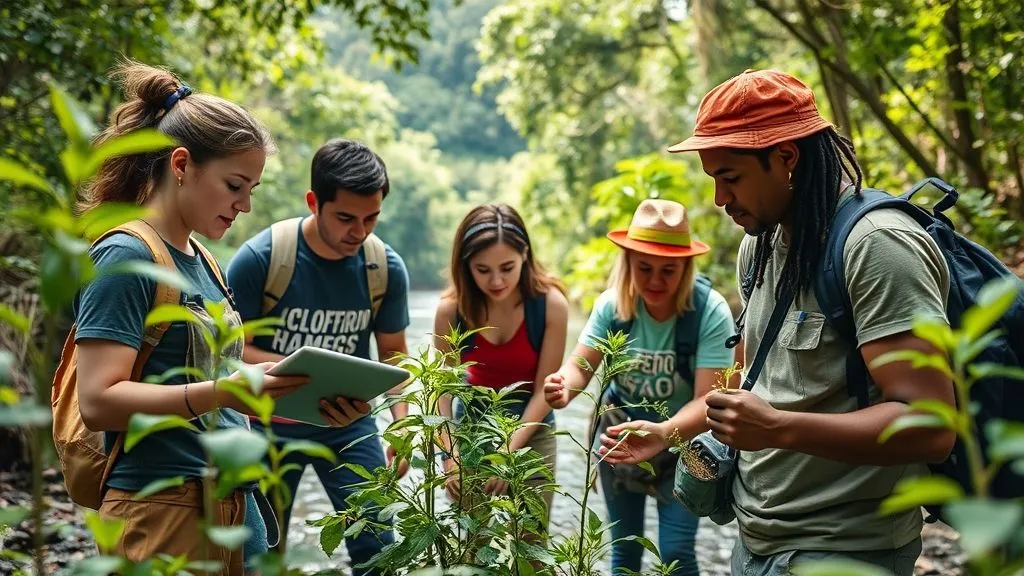
How to Measure Environmental Impact of Short-Term Volunteer Trips?
For over two decades in the dynamic world of volunteer travel, I've witnessed a profound evolution. What began as a heartfelt desire to 'do good' has matured into a complex landscape demanding accountability and measurable outcomes. I've seen countless well-intentioned short-term volunteer projects fall short, not because of a lack of effort, but due to a critical oversight: the failure to accurately assess and articulate their true environmental impact.
The problem is pervasive. Many organizations and individual volunteers struggle with quantifying their contributions, leading to vague claims, potential 'greenwashing,' and ultimately, missed opportunities for genuine improvement. How do you truly know if your two-week effort planting trees in a rainforest or cleaning a beach has made a lasting, positive difference, or if its carbon footprint negated much of the good?
This article isn't just about identifying metrics; it's about providing you with a robust framework, actionable steps, and expert insights to move beyond good intentions. We'll explore the essential tools, methodologies, and critical thinking required to genuinely measure, understand, and enhance the environmental legacy of short-term volunteer trips, ensuring every effort counts.
The Illusion of Impact: Why Measurement Matters More Than Ever
In the realm of environmental conservation, good intentions, while admirable, are no longer sufficient. The public, donors, and even volunteers themselves are increasingly savvy, questioning the tangible outcomes of short-term projects. The illusion of impact arises when activities are performed without a clear understanding of their ecological baseline, potential negative externalities, or long-term benefits.
I've observed that without rigorous measurement, projects risk being perceived as superficial or, worse, inadvertently causing harm. For instance, planting non-native species, disturbing fragile ecosystems, or generating significant waste through travel and logistics can undermine the core conservation goals. This is why a strategic, data-driven approach is paramount.
"True environmental stewardship isn't just about doing; it's about knowing if what you're doing truly matters and adapting when it doesn't. Measurement is the compass that guides us toward genuine impact, not just activity."
By embracing robust measurement, we move from anecdotal evidence to verifiable results, fostering transparency and building trust within the conservation community and with local stakeholders. It’s about ensuring that every resource—time, money, and human effort—is optimally directed towards creating lasting, positive change.
Establishing Your Baseline: The Critical First Step
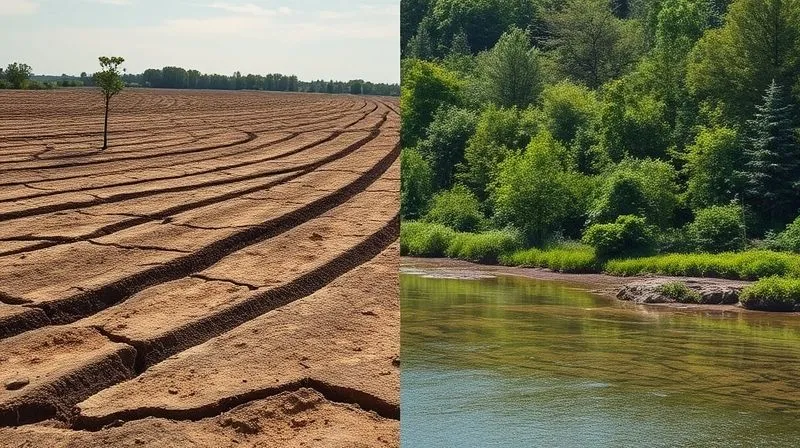
Before any volunteer activity begins, understanding the 'before' picture is non-negotiable. Without a clear environmental baseline, it's impossible to quantitatively assess the 'after' and determine if your efforts have truly made a difference. In my experience, skipping this step is one of the most common pitfalls, leading to ambiguous results and an inability to demonstrate real impact.
A baseline study provides a snapshot of the environmental conditions, community perceptions, and existing challenges at your project site. It's your reference point for measuring change over time, even for short-term interventions. Think of it as the 'control group' in a scientific experiment – without it, you can't attribute observed changes directly to your volunteer activities.
Key Baseline Data Points to Consider:
- Biodiversity Index: Species richness, abundance of indicator species (e.g., birds, insects, specific plant types) in a defined area.
- Habitat Quality: Vegetation cover, soil health (pH, nutrient levels), water quality (turbidity, dissolved oxygen), presence of invasive species.
- Waste Volume & Composition: Quantity and types of waste generated by the local community or within the project area.
- Resource Consumption: Local water and energy usage patterns.
- Community Perception: Attitudes towards conservation, existing environmental practices, and needs through surveys or interviews.
Steps to Establish an Effective Baseline:
- Define Your Scope: Clearly delineate the geographic area and specific environmental aspects your project aims to influence.
- Identify Key Indicators: Select 3-5 measurable indicators directly relevant to your project's goals (e.g., if planting trees, focus on tree survival rate, canopy cover, soil erosion).
- Collect Pre-Intervention Data: Before volunteers arrive, use standardized methods to gather data for your chosen indicators. This might involve transect walks for species counting, soil sampling, or visual assessments.
- Document Thoroughly: Record all data, methods used, dates, and locations. Photographs with GPS tags are invaluable.
- Engage Local Expertise: Collaborate with local scientists, conservationists, or community members who have historical knowledge of the area.
Core Environmental Impact Metrics for Volunteer Projects
Once your baseline is established, you need specific, measurable metrics to track progress. Focusing on a few highly relevant indicators, rather than trying to measure everything, is key for short-term projects. Here are five critical categories:
1. Ecological Footprint & Carbon Sequestration
Volunteer travel, especially international, inevitably carries a carbon footprint. Measuring this involves assessing emissions from flights, local transportation, accommodation, and food. Conversely, if your project involves activities like tree planting, you can quantify carbon sequestration.
- Carbon Emissions (tCO2e): Calculate emissions from volunteer travel (flights, ground transport), accommodation energy use, and waste generation. Tools like ICAO's Carbon Emissions Calculator (icao.int) can assist with flight calculations.
- Local Resource Consumption: Track water usage per volunteer per day, energy consumption (kWh) at project sites, and waste generated.
- Carbon Sequestration (tCO2e): Estimate the amount of carbon absorbed by planted trees or restored ecosystems over a defined period (e.g., first 5-10 years). This requires knowing the species, growth rates, and density.
| Activity Type | Metric | Data Source |
|---|---|---|
| International Flight (Round Trip) | tCO2e per volunteer | Airline data, ICAO calculator |
| Local Transportation | tCO2e per volunteer-km | Fuel consumption, distance traveled |
| Accommodation Energy Use | kWh per volunteer-day | Utility bills, estimated usage |
| Waste Generated | kg per volunteer-day | Waste audits |
| Tree Planting (Sequestration) | tCO2e per tree over 'X' years | Species-specific growth models |
2. Biodiversity & Habitat Restoration Indicators
These metrics directly assess the health and recovery of ecosystems. For short-term projects, focus on indicators that show immediate change or set the stage for long-term recovery.
- Species Richness/Abundance: Count the number of different species (e.g., birds, plants, invertebrates) or the population size of specific indicator species within defined transects or quadrats before and after intervention.
- Canopy Cover/Vegetation Density: Measure the percentage of ground covered by vegetation or tree canopy, especially relevant for reforestation or habitat restoration projects.
- Water Quality Parameters: For marine or freshwater projects, measure parameters like pH, dissolved oxygen, turbidity, and presence of pollutants.
- Invasive Species Removal: Quantify the area cleared of invasive species or the biomass removed.
3. Waste Management & Pollution Reduction
Many volunteer trips focus on clean-up efforts or establishing better waste practices. Quantifying these efforts is straightforward but crucial.
- Waste Diverted from Landfill (kg): Measure the total weight of waste collected and sorted for recycling or proper disposal, as opposed to being dumped.
- Plastic Reduction (units/kg): Count or weigh plastic items removed from beaches, rivers, or communities.
- Pollutant Removal: For specific pollution clean-up, quantify the volume or weight of hazardous materials removed.
4. Resource Consumption & Efficiency
Beyond carbon, managing local resources responsibly is a direct environmental impact.
- Water Savings (liters): Implement and measure water-saving initiatives (e.g., low-flow showers, rainwater harvesting) and track consumption before and after.
- Energy Reduction (kWh): Introduce energy-efficient practices or technologies (e.g., solar lighting, efficient cooking stoves) and monitor energy use.
- Sustainable Sourcing: Track the percentage of project supplies (food, materials) sourced locally and sustainably.
5. Community Engagement & Capacity Building (Indirect Impact)
While not direct environmental metrics, the engagement and empowerment of local communities are critical for the long-term sustainability of conservation efforts. A disengaged community will not maintain a restored ecosystem once volunteers leave.
- Local Training Hours: Document hours of training provided to local community members on conservation techniques, sustainable practices, or data collection.
- Participation Rates: Track the number of local community members actively participating in project activities or decision-making processes.
- Awareness & Knowledge Gain: Conduct pre- and post-surveys to assess changes in local environmental knowledge and attitudes.
- Policy Influence: Document any local policies or community-led initiatives that emerge or are strengthened as a result of the volunteer project.
The Power of Data Collection: Tools and Methodologies
Effective measurement hinges on systematic and accurate data collection. In my experience, even short-term projects can gather valuable data with the right tools and a clear methodology. The key is to simplify and empower volunteers to become citizen scientists.
Simple Tools for On-Site Data Gathering:
- Standardized Checklists & Forms: Provide volunteers with clear, easy-to-use forms for recording observations (e.g., species sightings, waste categories, planted sapling survival).
- Photo Documentation with GPS: Encourage volunteers to take geotagged photos of project sites before, during, and after activities. Apps like 'What3Words' or native phone GPS can be invaluable.
- Transect Lines & Quadrats: Simple scientific methods for sampling biodiversity or vegetation cover in a standardized way.
- Community Surveys & Interviews: Use structured questionnaires to gather qualitative and quantitative data on local perceptions and needs.
Leveraging Technology for Precision:
Modern technology offers powerful ways to enhance data collection and analysis, even for short-term projects. Investing in these tools can significantly boost the credibility and depth of your impact assessment.
- Mobile Data Collection Apps: Platforms like KoBoToolbox, SurveyMonkey, or even custom-built apps can streamline data entry, reduce errors, and allow for real-time data synchronization.
- Geographic Information Systems (GIS): For larger projects, GIS mapping can visualize environmental changes, track reforestation efforts, or identify pollution hotspots. Volunteers can collect GPS coordinates to feed into these systems.
- Remote Sensing & Satellite Imagery: While often requiring specialized expertise, satellite data can provide macro-level insights into changes in land cover, deforestation rates, or water body health over time, complementing ground-level volunteer data.
"Garbage in, garbage out. The integrity of your impact assessment is directly proportional to the quality and consistency of your data collection. Equip your volunteers with clear instructions and user-friendly tools, and emphasize the 'why' behind every data point."
Analyzing and Interpreting Your Environmental Data
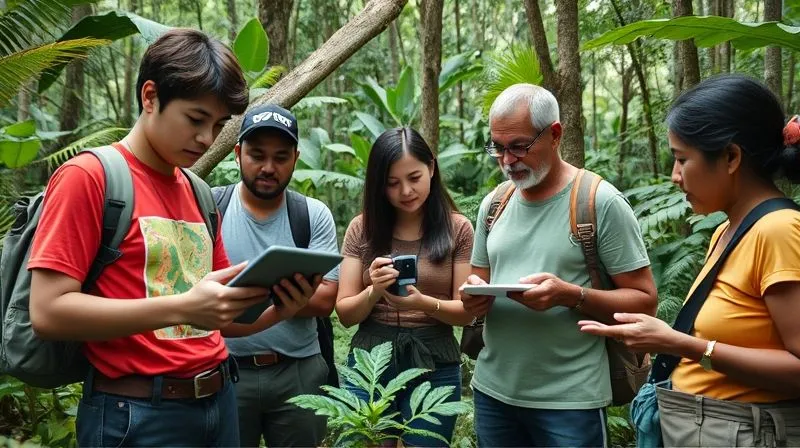
Collecting data is only half the battle; the real value lies in analyzing and interpreting it to draw meaningful conclusions. For short-term volunteer trips, this process needs to be efficient yet insightful, focusing on key trends and correlations.
Start by organizing your collected data into a clean, structured format, often a spreadsheet. Then, use basic statistical analysis to identify patterns. For example, compare 'before' and 'after' metrics for tree survival rates, waste volumes, or species counts. Look for correlations between volunteer activities and observed changes. Did a specific planting technique yield better survival rates? Did awareness campaigns lead to reduced litter?
Case Study: Project Terra's Mangrove Restoration
Project Terra, a non-profit focusing on coastal habitat restoration, faced the challenge of measuring the impact of its two-week volunteer trips to a degraded mangrove ecosystem in Southeast Asia. Initially, they only counted planted saplings. Recognizing this limitation, they implemented a new measurement framework based on my advice.
They established a baseline by mapping existing mangrove cover using drone imagery and conducting species counts (fish, crabs) in control plots. Volunteers were then trained to record sapling survival rates, measure growth, and monitor water quality (salinity, pH) in designated restoration zones. They also conducted simple surveys with local fishermen about their perception of fish stock changes.
After three years and multiple volunteer cohorts, Project Terra could report a 25% increase in mangrove canopy cover in restoration zones, a 15% return of specific fish species, and a measurable improvement in local water quality. Crucially, 80% of surveyed fishermen reported seeing more juvenile fish, directly linking restoration efforts to their livelihoods. This data allowed them to secure further funding and demonstrate tangible ecosystem services provided by mangroves, a concept well-documented in scientific literature. For a deeper dive into mangrove ecosystem services, refer to studies published in journals like Ecosystem Services.
Steps for Effective Data Analysis:
- Data Cleaning & Organization: Review all collected data for accuracy and consistency. Input it into a spreadsheet or database.
- Calculate Key Indicators: Compute the 'after' values for your chosen metrics (e.g., average tree height, total waste collected).
- Compare to Baseline: Calculate the percentage change or absolute difference between your baseline and post-intervention data.
- Visualize Data: Use charts and graphs (bar charts for comparisons, line graphs for trends) to make your findings accessible and compelling.
- Identify Trends & Anomalies: Look for significant improvements, unexpected declines, or areas where more investigation is needed.
- Contextualize Findings: Relate your quantitative data to qualitative observations or community feedback to build a holistic picture.
Communicating Impact: Transparency and Accountability
Measuring impact is only valuable if the findings are communicated effectively and ethically. In an era of heightened scrutiny, transparency and accountability are paramount. Your impact report isn't just a summary; it's a testament to your commitment to genuine conservation.
I've seen organizations inadvertently undermine their credibility by making vague or exaggerated claims. The goal is not to present a perfect picture, but an honest one. This includes acknowledging limitations, challenges, and areas where further work is needed. This approach builds far more trust than an overly optimistic, unsubstantiated narrative.
Avoiding Greenwashing: Best Practices for Reporting:
- Be Specific and Quantifiable: Instead of "we helped the environment," say "we planted 500 native trees, resulting in an estimated 5 tCO2e sequestration over 5 years."
- Verify Your Claims: Back up every statement with data, photos, or testimonials.
- Admit Limitations: Be open about what you couldn't measure, the short-term nature of some impacts, or unforeseen challenges.
- Use Clear Language: Avoid jargon. Make your report accessible to a broad audience, including non-experts.
- Share Both Successes and Lessons Learned: A balanced report demonstrates a commitment to continuous improvement.
- Engage Stakeholders: Share your findings with local communities, partners, and volunteers. Their feedback is crucial.
Consider publishing your impact reports on your website, social media, and in newsletters. This not only showcases your work but also educates and inspires others. For guidance on ethical communication in sustainability, resources from organizations like the Global Reporting Initiative (GRI) offer valuable frameworks.
Overcoming Challenges in Short-Term Impact Measurement
Measuring environmental impact, especially for short-term volunteer trips, comes with inherent challenges. However, acknowledging these and planning strategies to mitigate them is a hallmark of an experienced and responsible program. I've guided many organizations through these hurdles, and I can tell you, they are surmountable with thoughtful preparation.
Limited Timeframes:
Challenge: Short trips (1-4 weeks) often don't allow for observation of long-term ecological changes. It's difficult to see a forest grow in a fortnight.
Solution: Focus on immediate outputs and early outcomes. Instead of measuring mature tree growth, measure sapling survival rates after 3 months (via local partners), area cleared of invasives, or volume of waste collected. Use proxy indicators that suggest future positive change. For instance, improved soil health after composting suggests better conditions for plant growth.
Resource Constraints (Financial & Human):
Challenge: Small organizations or grassroots projects may lack the budget for advanced scientific equipment or dedicated monitoring staff.
Solution: Prioritize 2-3 key, easily measurable metrics. Train volunteers effectively to collect data using simple, low-cost tools (e.g., tape measures, basic water test kits, observation sheets). Leverage local community knowledge and existing partnerships. Collaborating with local universities or schools can provide valuable scientific support.
Standardization Issues:
Challenge: Different projects or organizations might use varying methodologies, making comparisons difficult.
Solution: Adopt widely recognized, albeit adaptable, standards where possible. For instance, for carbon footprint, use IPCC guidelines. For biodiversity, simple methodologies like transect walks and quadrat sampling are broadly understood. Develop internal standardized protocols for data collection that all volunteers follow, ensuring consistency across trips.
Data Quality and Consistency:
Challenge: Volunteers, often without scientific backgrounds, may collect inconsistent or inaccurate data.
Solution: Provide thorough, hands-on training for all volunteers on data collection protocols. Use visual aids and practice sessions. Implement quality control checks, such as having team leaders review a sample of data entries daily. Encourage double-checking and peer review among volunteers.
Integrating Impact Measurement into Volunteer Program Design
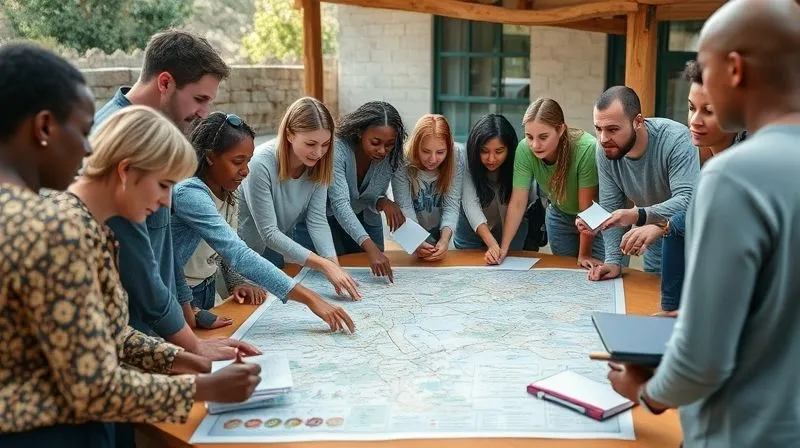
The most effective way to measure environmental impact isn't to bolt it on as an afterthought; it's to weave it into the very fabric of your volunteer program's design. From the initial planning stages to post-trip reflection, measurement should be an integral component, guiding decisions and demonstrating value.
In my work, I emphasize that impact measurement should inform, not just report. It helps refine project goals, identify areas for improvement, and ensure that volunteer efforts are always aligned with genuine conservation needs. This proactive approach transforms measurement from a chore into a powerful strategic tool.
Key Integration Points:
- Pre-Trip Planning: Define clear, measurable environmental objectives. Identify specific metrics and data collection methods. Develop detailed training modules for volunteers.
- On-Site Implementation: Embed data collection tasks into daily volunteer schedules. Assign clear roles for data quality control. Regularly review progress against objectives with volunteers and local partners.
- Post-Trip Reporting & Evaluation: Analyze all collected data immediately after the trip. Generate comprehensive impact reports. Use findings to refine future project designs, volunteer training, and community engagement strategies.
- Continuous Learning Loop: Establish a feedback mechanism where lessons learned from impact measurement directly inform the next iteration of the volunteer program. This iterative process is crucial for long-term effectiveness.
By making impact measurement a core part of the program lifecycle, organizations ensure that every volunteer trip contributes meaningfully to environmental conservation, aligning with broader sustainable development goals. The United Nations Sustainable Development Goals (sdgs.un.org/goals) provide an excellent framework for considering the holistic impact of your projects.
Frequently Asked Questions (FAQ)
Question: How can short-term trips truly make a 'lasting' environmental impact if volunteers are only there for a few weeks? Short-term trips often focus on immediate outputs that contribute to longer-term goals. For instance, clearing invasive species, planting saplings, or collecting baseline data are crucial foundational steps. The 'lasting' impact often comes from empowering local communities, training them in sustainable practices, and establishing monitoring systems that continue after volunteers depart. Volunteers act as catalysts and provide essential labor, but local ownership is key for long-term sustainability.
Question: Is it realistic to expect volunteers to collect scientific data accurately without extensive training? Yes, it is realistic, provided the data collection methods are simplified, standardized, and accompanied by thorough, hands-on training. Focus on specific, observable metrics that don't require complex scientific interpretation. For example, counting specific species, measuring tree height, or documenting waste types are tasks easily mastered. Quality control checks by team leaders are also essential to ensure accuracy.
Question: How do we account for the carbon footprint of international flights when trying to achieve a positive environmental impact? Acknowledging the carbon footprint of travel is crucial for transparency. Organizations should calculate and report these emissions. Strategies to mitigate this include encouraging longer volunteer stays to maximize impact per flight, promoting carbon offsetting (from reputable programs), and integrating carbon sequestration projects (like tree planting) directly into the volunteer program to help balance the emissions. The goal is to ensure the positive impact significantly outweighs the negative.
Question: What if our project doesn't show a significant positive environmental change in the short term? Does that mean it's a failure? Not at all. Environmental change often takes time. A lack of significant positive change in the short term provides valuable learning. It could mean your baseline was inaccurate, your methods need refinement, or the project needs more time. The very act of measuring, identifying challenges, and learning from them is a success in itself. Transparency about limited short-term impact, coupled with a plan for adaptation, builds credibility.
Question: How can we involve local communities in the impact measurement process? Involving local communities is vital for both accuracy and empowerment. They possess invaluable traditional ecological knowledge. Engage them in defining relevant indicators, participating in data collection (e.g., local knowledge of species, water quality), and interpreting findings. This not only enhances data quality but also builds local capacity and ownership of conservation outcomes.
Key Takeaways and Final Thoughts
Measuring the environmental impact of short-term volunteer trips is no longer an optional extra; it's a fundamental responsibility for anyone committed to genuine conservation. As a veteran in this field, I've seen firsthand that good intentions, while noble, must be paired with rigorous, data-driven accountability.
- Establish a Robust Baseline: You can't measure progress without knowing your starting point.
- Focus on Actionable Metrics: Prioritize 3-5 key indicators relevant to your project goals, from carbon footprint to biodiversity.
- Empower Volunteers as Citizen Scientists: Provide clear training and simple tools for data collection.
- Analyze and Interpret Critically: Move beyond raw data to derive meaningful insights and lessons.
- Communicate with Transparency: Build trust by openly sharing both successes and challenges.
- Integrate Measurement into Design: Make impact assessment an intrinsic part of your program's lifecycle.
The journey towards truly impactful volunteer travel is continuous. By embracing these principles, you're not just organizing trips; you're cultivating a legacy of informed, responsible, and genuinely effective environmental stewardship. Let's move forward, not just doing good, but proving it, one measurable step at a time.
Recommended Reading
- The Ultimate Guide: Unlocking Adventurous Family Travel with Toddlers
- 7 Proven Strategies: How to Stop Overtourism Harming National Park Ecosystems
- Justifying Caving ROI: 7 Executive Team Building Metrics That Matter
- 7 Smart Ways: How to Retrofit Hotels for Universal Design Without Huge Costs
- 5 Ways Inner Peace Travel Shields Leaders from Decision Fatigue




Your email address will not be published. Required fields are marked *