

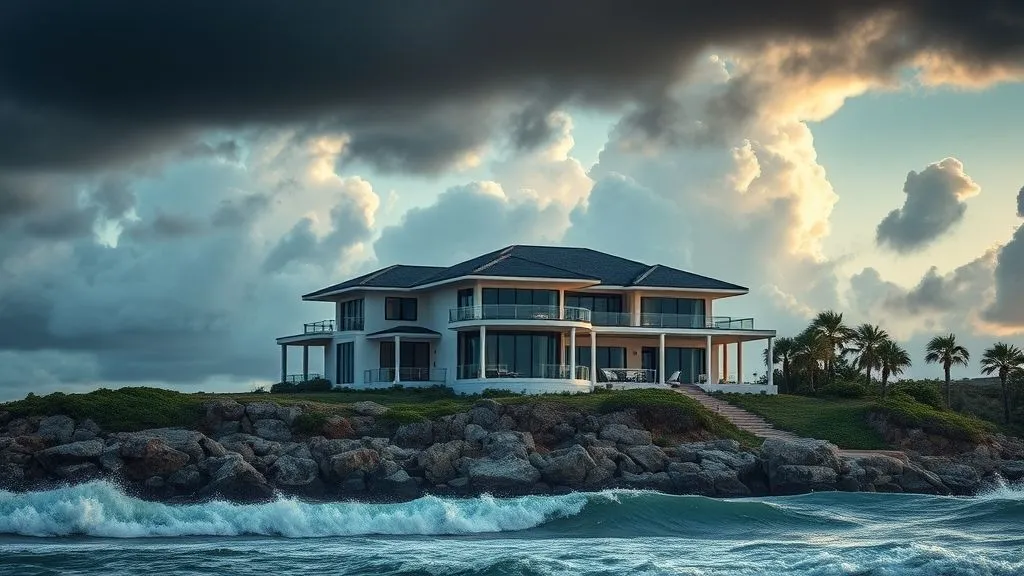
How to Protect Beachfront Villa Investment from Climate Risks?
For over two decades in the luxury beach travel and property sector, I've witnessed firsthand the allure and the inherent vulnerabilities of beachfront investments. I've seen dreams built on pristine sands, only to be threatened by the relentless march of changing climates. It's a stark reality that what was once considered a secure, idyllic paradise can now face unprecedented challenges from rising sea levels, intensifying storms, and relentless coastal erosion.
The pain point for many discerning investors is palpable: how do you reconcile the undeniable appeal of a beachfront villa with the growing, tangible threats posed by climate change? The fear of losing a significant asset, or seeing its value diminish due to environmental factors, is a legitimate concern that demands a proactive and informed response. Ignoring these risks is no longer an option; it's a direct threat to your financial well-being and peace of mind.
In this definitive guide, I will share the actionable frameworks, expert insights, and proven strategies I've gathered over years of experience. You’ll learn not just about the problems, but about the robust solutions available to safeguard your beachfront villa investment. From cutting-edge engineering to shrewd financial planning and sustainable environmental practices, we'll explore how to protect beachfront villa investment from climate risks, ensuring your coastal haven remains a valuable legacy for generations to come.
Understanding the Evolving Climate Threat to Coastal Properties
Before we delve into solutions, it's crucial to grasp the specific threats facing beachfront properties. These aren't abstract scientific theories; they are observable, measurable phenomena impacting coastlines globally. As an expert in this field, I've seen the accelerated pace of these changes firsthand, transforming once-stable shorelines into dynamic, unpredictable zones.
The Unmistakable Signs: Sea Level Rise and Erosion
Globally, sea levels are rising, and the pace is accelerating. This isn't just about water creeping higher; it's about increased inundation, higher storm surges, and amplified coastal erosion. Over time, a higher mean sea level means that even minor storms can cause significant flooding and damage, eroding the very land your villa stands upon.
Coastal erosion, exacerbated by rising seas, is a silent but relentless destroyer. It can undermine foundations, wash away protective dunes, and ultimately reclaim land. The beautiful beach that drew you to your investment can, ironically, become its greatest vulnerability if not properly managed.
Intensifying Extreme Weather Events
Beyond gradual sea level rise, we're experiencing more frequent and intense extreme weather events. Hurricanes, typhoons, cyclones, and powerful coastal storms are becoming stronger, carrying higher wind speeds and unleashing unprecedented rainfall. These events bring devastating storm surges – walls of water pushed inland by hurricane-force winds – that can overwhelm even robust defenses, causing catastrophic structural damage and widespread flooding.
Proactive Site-Specific Risk Assessment: Your First Line of Defense
My first piece of advice to any beachfront investor is always this: knowledge is your most powerful asset. A generic understanding of climate risk isn't enough; you need a precise, site-specific assessment of your property's vulnerabilities. This is where truly valuable, data-driven decisions begin.
This comprehensive evaluation involves several critical steps to understand the unique challenges your property faces and to inform your protection strategy:
- Geotechnical Surveys: These studies analyze the soil composition, stability, and subsurface conditions of your specific plot. Understanding the ground beneath your villa is paramount, as shifting sands or unstable substrates can exacerbate erosion and compromise structural integrity, especially during storm events.
- Hydrological Assessments: Specialists will evaluate local water patterns, including tidal ranges, storm surge history, flood zones, and potential for freshwater inundation. This helps predict how water will behave around your property under various climate scenarios, identifying critical flood pathways.
- Historical Data Analysis & Future Projections: Reviewing decades of historical weather data, erosion rates, and sea level changes for your specific location provides invaluable context. This is then combined with scientific climate models to project future risks, helping you anticipate potential impacts over the lifespan of your investment. According to a report by the IPCC, regional sea level rise projections can vary significantly, underscoring the need for localized analysis.
- Coastal Engineering Review: Engage a specialized coastal engineer to review your property's current defenses (if any) and identify specific vulnerabilities. They can recommend bespoke solutions tailored to your property's unique exposure and the local environmental dynamics.
Structural Fortification: Building for Resilience
Once you understand your risks, the next step is often physical intervention. Building for resilience means designing and constructing your villa to withstand the forces of nature, rather than simply hoping for the best. This is a crucial aspect of how to protect beachfront villa investment from climate risks.
Elevated Foundations & Pilings
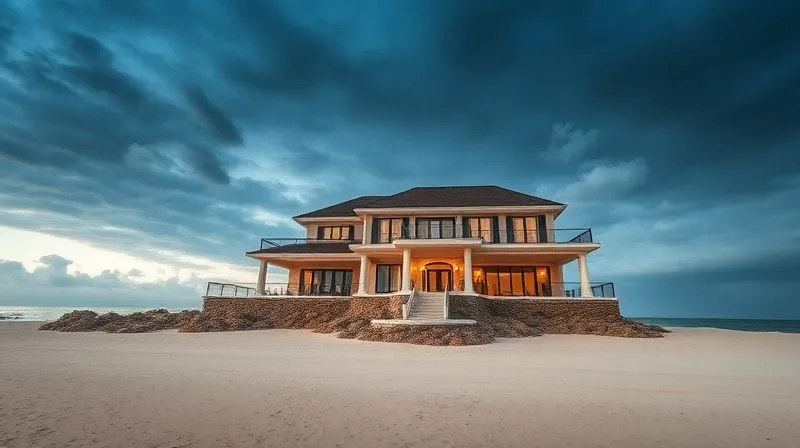
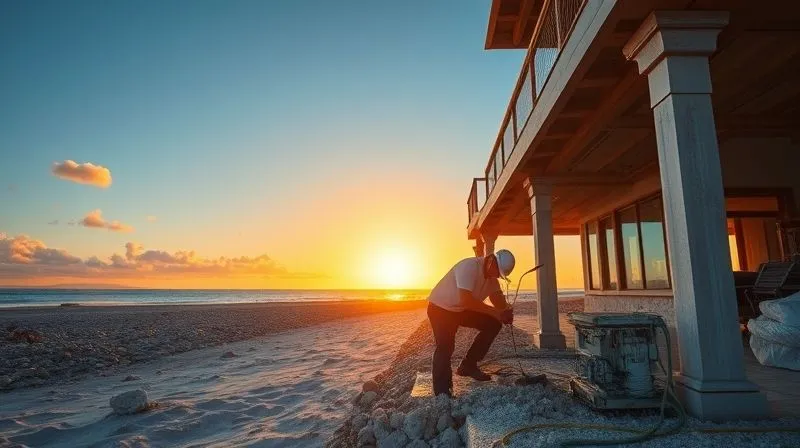
One of the most effective strategies against flood and storm surge is elevation. Building your villa on elevated foundations or deep pilings lifts it above predicted flood levels, allowing storm surges to pass underneath rather than impacting the main structure. This also protects vital utilities and living spaces from water damage. Local building codes often dictate minimum elevation requirements, but experienced coastal engineers will often recommend exceeding these for long-term security.
Seawalls, Revetments, and Dune Restoration
These are the front-line defenses against wave action and erosion. While controversial due to their potential environmental impacts, engineered solutions like seawalls and rock revetments can offer direct protection to the land immediately in front of your property. However, natural buffers are increasingly preferred:
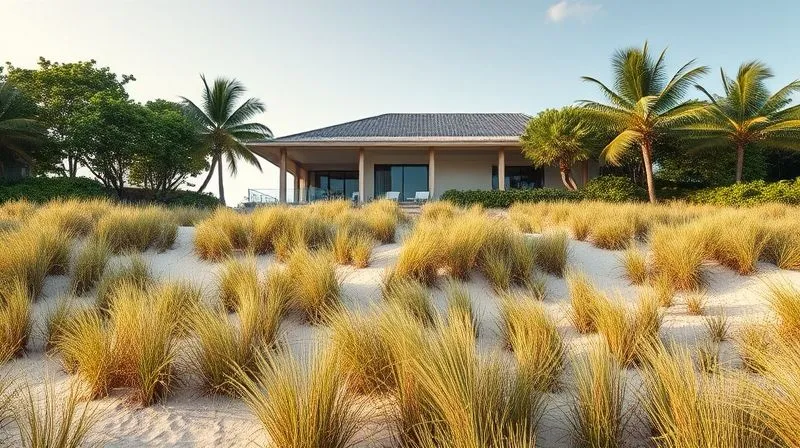
- Dune Restoration: Re-establishing or enhancing natural dune systems with native, salt-tolerant vegetation acts as a living buffer. Dunes absorb wave energy, trap sand, and provide a flexible, self-repairing defense against erosion and storm surge.
- Mangrove Forests (where applicable): In tropical and subtropical regions, planting or preserving mangrove forests along the shoreline can create incredibly effective natural breakwaters, significantly reducing wave energy and trapping sediment to build land.
| Protection Method | Benefit | Consideration |
|---|---|---|
| Elevated Foundations | Reduces flood risk, allows storm surge passage, protects utilities | High initial cost, aesthetic impact, requires specialized engineering |
| Dune Restoration | Natural buffer against erosion and storm surge, ecological benefits, aesthetic appeal | Time for establishment, ongoing maintenance, requires sufficient space, can be breached by extreme events |
| Revetments/Seawalls | Direct protection against wave action and erosion | Very high cost, potential for 'scouring' on adjacent properties, environmental impact, can be undermined |
Robust Building Materials and Techniques
Beyond the foundation, the entire structure needs to be resilient. This includes using reinforced concrete, impact-resistant windows and doors (often rated for hurricane-force winds), and robust, properly anchored roof systems. Modern building techniques incorporate flexible connections that allow structures to sway rather than break under extreme wind loads, and materials that resist saltwater corrosion and moisture damage.
Case Study: The 'Sentinel' Villa Project in Florida
I once consulted on a luxury villa project in a highly vulnerable Florida Keys location. The owner was deeply concerned about intensifying hurricane seasons. By integrating advanced concrete pilings driven deep into the bedrock, impact-resistant glazing throughout, and a meticulously engineered dune system reinforced with native vegetation, the 'Sentinel' villa was designed for extreme resilience. During a subsequent Category 3 hurricane, while neighboring properties suffered extensive structural damage, the 'Sentinel' weathered the storm with minimal, superficial damage. This proactive approach, though a significantly higher initial investment, saved millions in repair costs, prevented prolonged operational downtime, and preserved the property's market value, demonstrating the profound benefit of foresight.
Smart Landscaping and Natural Buffers: Working with Nature
Protecting your investment isn't solely about concrete and steel. Often, the most elegant and sustainable solutions involve working in harmony with nature. Thoughtful landscaping and the strategic use of natural buffers can significantly enhance your property's resilience while also preserving its aesthetic appeal.
As a seasoned expert, I've observed that properties integrating these natural solutions often fare better in moderate events and recover more quickly. They also contribute to the local ecosystem, adding long-term value beyond mere protection.
- Native Vegetation for Soil Stabilization: Planting native, salt-tolerant grasses, shrubs, and trees helps to bind soil, reducing erosion from wind and water. Their deep root systems create a natural mesh that holds the earth in place, especially on slopes or near the shoreline.
- Strategic Grading and Drainage: Proper land grading can direct stormwater away from your villa's foundation, preventing pooling and saturation that can lead to structural issues. Installing permeable paving or rain gardens can also help manage water runoff, reducing localized flooding and recharging groundwater.
- Living Shorelines: Where appropriate, 'living shorelines' – using natural materials like oyster reefs, marsh grasses, or submerged aquatic vegetation – can dissipate wave energy, stabilize shorelines, and create vital habitats. These are often more adaptable and sustainable than hard structures.
Comprehensive Insurance & Financial Planning: Mitigating Economic Blows
Even with the most robust physical defenses, some level of climate risk remains. This is where shrewd financial planning and comprehensive insurance become indispensable tools to protect beachfront villa investment from climate risks. Physical resilience protects the structure, but financial resilience protects your equity.
Understanding Your Policy: Flood, Wind, and Erosion Coverage
Many property owners mistakenly believe their standard homeowner's policy covers all natural disasters. This is rarely the case, especially for coastal properties. You need to meticulously review and often supplement your coverage:
- Flood Insurance: Standard policies almost never cover flood damage. You will likely need a separate flood insurance policy, often through government programs like the National Flood Insurance Program (NFIP) in the U.S., or private insurers. Understand your flood zone classification, as it directly impacts premiums and coverage levels.
- Windstorm and Hurricane Insurance: In high-risk coastal areas, wind damage is often excluded or has a very high deductible in standard policies. Separate windstorm policies or endorsements are crucial. Be aware of named storm deductibles, which can be a percentage of your property's value, not a fixed amount.
- Erosion Coverage: This is the trickiest. Most policies explicitly exclude damage caused by gradual erosion or subsidence. Some specialized policies or riders might offer limited coverage, but it's rare. This highlights why physical erosion control is paramount.
Climate-Resilient Investment Strategies
Beyond insurance, consider your broader financial strategy. Diversifying your investment portfolio to reduce over-reliance on a single, climate-vulnerable asset is prudent. Establishing an emergency fund specifically for unexpected repairs or maintenance related to climate events is also wise. Furthermore, research government grants or incentives for climate-resilient property upgrades, which can offset some of the costs. As Forbes often highlights, understanding the nuances of coastal home insurance is critical for protecting your investment.
Legal & Regulatory Navigation: Staying Compliant and Protected
The legal and regulatory landscape for coastal properties is constantly evolving in response to climate change. As an investor, staying abreast of these changes is not just about compliance; it's about proactively protecting your asset's value and avoiding costly legal entanglements.
I've seen countless cases where investors overlooked local regulations, only to face fines, construction delays, or even forced modifications. Understanding this intricate web is a key component of how to protect beachfront villa investment from climate risks.
- Understanding Local Zoning and Building Codes: These codes dictate everything from setback requirements (how far your structure must be from the high tide line) to minimum elevation levels and permissible construction materials. These are frequently updated in coastal areas to reflect new climate data and risks. Always consult with local planning departments and obtain all necessary permits before any construction or modification.
- Easements and Setback Regulations: Coastal zones often have strict regulations regarding public access easements, conservation setbacks, and limitations on hard coastal armoring. Ignoring these can lead to legal disputes with local authorities or even public access advocates.
- Participation in Coastal Management Plans: Many coastal regions have integrated coastal zone management plans. Engaging with these plans, understanding their goals, and even participating in local community discussions can provide insights into future regulatory changes and potential collective resilience projects that could benefit your property. Resources like the NOAA's Coastal Zone Management Program offer valuable frameworks.
- Property Rights in Dynamic Environments: The legal concept of property boundaries can become complex in areas of rapid erosion or accretion. Understanding your rights and responsibilities in such dynamic environments is crucial. Consult with legal experts specializing in coastal property law.
Monitoring, Maintenance, and Adaptation: The Ongoing Commitment
Protecting a beachfront villa from climate risks is not a one-time project; it's an ongoing commitment. The environment is dynamic, and your protection strategies must be equally adaptable. My experience has taught me that vigilance and proactive maintenance are as critical as the initial investment in resilience.
- Regular Inspections and Assessments: Implement a schedule for routine inspections of your property's structural integrity, coastal defenses, drainage systems, and landscaping. After significant weather events, immediate professional assessment is non-negotiable. Look for subtle signs of erosion, foundation shifts, or damage to protective barriers.
- Monitoring Environmental Changes: Stay informed about local environmental data. Track changes in sea level, erosion rates, and storm frequency in your specific area. Local government agencies, university coastal research centers, and even citizen science projects often provide valuable, localized data. The more informed you are, the better you can anticipate and react.
- Adapting to New Data and Technologies: The field of climate resilience is constantly evolving. New materials, engineering techniques, and monitoring technologies are emerging regularly. Be open to adapting your strategies as new data becomes available or as innovative solutions prove effective. For example, advancements in permeable concrete or smart sensors for structural monitoring can offer significant advantages.
- Long-Term Maintenance of Natural Buffers: If you've invested in dune restoration or native vegetation, ongoing maintenance is essential. This includes replanting, weeding, and protecting these areas from foot traffic or invasive species. These living systems require care to remain effective.
As oceanographer Sylvia Earle once said, "No water, no life. No blue, no green." This sentiment extends to our coastal investments. By respecting and working with the environment, we not only protect our assets but also contribute to the health of the very ecosystems that make these locations so desirable.
Frequently Asked Questions (FAQ)
Is it still advisable to invest in beachfront property given climate risks? Absolutely, but with a significant caveat: it requires a highly informed, proactive, and well-capitalized approach to risk mitigation. My view is that smart, resilient beachfront investments will hold their value and desirability, potentially even increasing in value as less resilient properties become unsustainable. It's about strategic investment, not avoidance.
What's the most cost-effective initial step for protecting an existing villa? The most cost-effective initial step is a comprehensive site-specific risk assessment by qualified coastal engineers and hydrologists. Without truly understanding your unique vulnerabilities, any investment in physical protection could be misdirected or insufficient. It's foundational knowledge that saves money in the long run.
How often should I reassess my property's climate risk profile? I recommend a formal reassessment every 3-5 years, or immediately after any significant storm event, major coastal development in your area, or if new climate projections are released for your region. The environment is dynamic; your understanding of it must be too.
Can I get insurance for erosion damage? Generally, standard insurance policies, even flood policies, explicitly exclude damage caused by gradual erosion, land subsidence, or earth movement. Some specialized private policies might offer limited coverage, but it's rare and often very expensive. This underscores why physical erosion control measures are paramount and should be considered a non-negotiable investment. You may find some limited coverage for sudden, catastrophic erosion directly caused by a named storm, but this varies widely by policy and region. Always consult with an insurance broker specializing in coastal properties, and check resources like FEMA's National Flood Insurance Program for details on what is and isn't covered.
What role do local government policies play in my protection strategy? A critical one. Local zoning, building codes, and coastal management plans directly impact what you can build, where you can build it, and what protective measures are permissible. These policies are often designed to protect both private property and public resources. Staying compliant and understanding potential future regulatory changes is essential for long-term protection and avoiding legal issues or devaluation due to non-compliance.
Recommended Reading
- Unlock Your Wanderlust: The Ultimate Guide to Cheaper Long-Term Travel
- Unlock the Ultimate Escape: How to Plan a Glamping Wilderness Retreat Adventure
- How to Balance Cultural Authenticity & Festival Commercial Viability?
- 7 Steps: Justify Your Cultural Sabbatical to Your Employer for Growth
- Unlock Cheap Train Travel: How to Journey Without a Rail Pass!
Main Points and Final Considerations
Protecting a beachfront villa investment from climate risks is undeniably complex, but it is far from impossible. My years in this industry have taught me that foresight, diligence, and a willingness to invest proactively are the hallmarks of successful coastal property ownership. By embracing these principles, you can transform perceived threats into managed risks, securing your invaluable asset for the future.
- Understand Your Specific Risks: Begin with detailed, site-specific assessments.
- Build for Resilience: Invest in robust, climate-adapted structural engineering.
- Work with Nature: Integrate smart landscaping and natural buffers.
- Secure Your Finances: Obtain comprehensive insurance and plan financially.
- Stay Informed & Compliant: Navigate legal and regulatory landscapes proactively.
- Maintain Vigilance: Protection is an ongoing commitment of monitoring and adaptation.
The beauty and allure of beachfront living remain undiminished, but the approach to owning such properties must evolve. By adopting these expert-backed strategies, you're not just safeguarding a building; you're preserving a lifestyle, a legacy, and a wise investment against the changing tides. Your beachfront villa can, and should, be a testament to intelligent, sustainable luxury.



Your email address will not be published. Required fields are marked *