

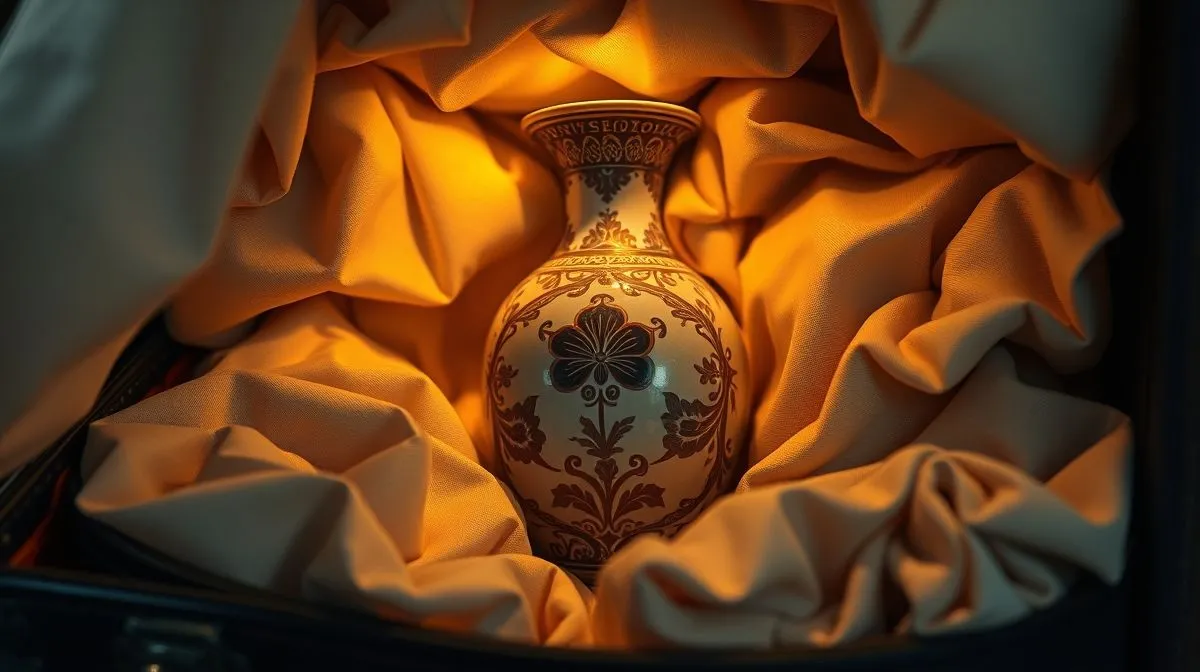
How to Protect Delicate Local Crafts While Traveling: A Comprehensive Guide
Imagine returning home from an unforgettable journey, your heart full of memories, only to discover that the beautiful, handcrafted souvenir you painstakingly selected has been shattered. A common nightmare for many travelers, isn't it? That exquisite piece of local artistry, a tangible link to a culture you explored, reduced to fragments. It’s a moment of profound disappointment, not just for the monetary loss, but for the loss of a cherished memory.
The challenge of transporting fragile, unique items across borders and through busy airports is a significant concern for anyone who values authentic cultural keepsakes. From intricate pottery to delicate glasswork, vibrant textiles, or intricate wooden carvings, these items are often handcrafted with traditional methods, making them irreplaceable and highly susceptible to damage during transit. The question then arises: how to protect delicate local crafts while traveling effectively?
This definitive guide will equip you with the knowledge and practical strategies needed to safeguard your precious acquisitions. You'll learn everything from pre-travel planning and expert packing techniques to smart transit strategies, insurance considerations, and even post-travel care. By the end of this reading, you will be empowered to bring your cultural treasures home intact, ensuring they remain cherished mementos for years to come.
Understanding the Fragility of Cultural Treasures
The Emotional and Monetary Value
Local crafts are more than just objects; they are embodiments of a culture's history, traditions, and artistic spirit. Each piece tells a story, often crafted by artisans using techniques passed down through generations. When you purchase such an item, you're not just buying a souvenir; you're investing in a piece of someone's heritage and skill. This imbues them with immense emotional value.
- Sentimental Attachment: They serve as tangible reminders of your travel experiences, the places you visited, and the people you met.
- Artistic Uniqueness: Many are one-of-a-kind, hand-made creations that cannot be easily replicated.
- Economic Support: Your purchase often directly supports local communities and traditional craftsmanship, contributing to their preservation.
- Potential Appreciation: Some crafts, particularly those by renowned artisans or from specific cultural periods, can appreciate in monetary value over time.
Common Threats During Transit
Despite their value, these delicate items face numerous perils during travel. Understanding these threats is the first step towards mitigating them. From the moment a craft leaves the artisan's hands until it reaches your home, it's exposed to various forms of stress.
- Impact and Compression: Luggage is often handled roughly, thrown, stacked, and subjected to significant pressure, leading to crushing or shattering.
- Vibration: Constant vibrations during flights, train rides, or car journeys can cause subtle damage, leading to cracks or loosening of components.
- Temperature and Humidity Fluctuations: Extreme changes can cause materials like wood to warp, paint to crack, or textiles to develop mold or mildew.
- Water Damage: Leaks from toiletries or exposure to rain can ruin porous materials or delicate finishes.
- Theft or Loss: While less common for items within luggage, it remains a risk, especially if items are shipped separately.
Pre-Travel Preparation: The Foundation of Protection
Researching Your Craft
Before you even begin packing, understanding the specific vulnerabilities of your craft is paramount. Different materials require different protection strategies. A ceramic vase, for instance, needs different care than a delicate silk scarf or a intricately carved wooden mask.
- Material Composition: Is it glass, pottery, wood, textile, metal, or a composite? Each material reacts differently to stress, temperature, and moisture.
- Construction: Is it solid or hollow? Are there delicate protrusions, intricate details, or fragile joints?
- Finish: Is it glazed, painted, varnished, or unfinished? Some finishes can be easily scratched or smudged.
- Artisan's Advice: When purchasing, always ask the artisan about the best way to transport and care for their creation. They are the ultimate experts.
Sourcing the Right Packing Materials
The success of protecting your crafts hinges significantly on the quality and type of packing materials you use. Do not rely solely on what the vendor offers; often, it's insufficient for international travel. Plan to acquire these materials yourself before or during your trip.
- Bubble Wrap: Essential for cushioning and shock absorption. Opt for large-bubble wrap for larger, more fragile items.
- Foam Sheets/Peanuts: Ideal for filling voids and providing all-around cushioning.
- Acid-Free Tissue Paper: For wrapping delicate surfaces, preventing scratches, and wicking away moisture.
- Strong Packing Tape: To secure wrapping and boxes. Avoid masking tape or scotch tape.
- Sturdy Boxes: Double-walled corrugated boxes are best for maximum protection. Ensure they are slightly larger than the item to allow for ample padding.
- Ziploc Bags: For textiles or items susceptible to moisture, providing an extra layer of protection against spills.
Documenting Your Purchases
Before any item is packed, take clear photographs from multiple angles. This documentation is crucial for insurance claims, customs declarations, or if an item is lost or damaged. Include photos of the item's condition before packing.
- Purchase Receipts: Keep all receipts, clearly noting the item's description and value.
- Artisan's Information: If possible, get a business card or contact information from the artisan.
- Customs Forms: Be aware of any customs declarations required for items over a certain value. Check the import regulations of your home country.
Mastering the Art of Packing Delicate Crafts
The Layered Approach: Inner Protection
Effective packing involves creating multiple layers of protection, starting from the item's surface outwards. This method is crucial to absorb impacts and prevent movement within the package. This is a critical step for how to protect delicate local crafts while traveling.
- First Layer (Skin): Wrap the item entirely in acid-free tissue paper or soft cloth. For items with intricate protrusions, use extra wadding of tissue to fill gaps and protect points.
- Second Layer (Cushion): Generously wrap the tissue-covered item in several layers of bubble wrap. Secure with tape, ensuring no part of the item is exposed. For hollow items like vases, fill the interior with crumpled tissue paper or bubble wrap to prevent internal collapse.
- Third Layer (Stabilization): For extremely fragile pieces, consider a custom-fit foam casing or create a 'box within a box' system. This involves placing the bubble-wrapped item in a smaller, sturdy box, then padding that box within a larger shipping box.
Outer Shell Security: Luggage Choices
The type of luggage you choose plays a significant role in the overall protection of your crafts. Hard-sided luggage is almost always preferable to soft-sided bags when transporting fragile items.
- Hard-Sided Suitcases: Offer superior protection against compression and impact. Look for cases with durable latches and strong shells.
- Dedicated Carry-On Bags: For the most valuable and delicate items, a carry-on bag that fits under the seat or in the overhead bin is the safest option.
- Packing within Luggage: Distribute the weight evenly. Place heavier, less fragile items around the perimeter of the suitcase to create a buffer zone. Nest your carefully packed craft in the center, surrounded by soft clothing or towels for additional padding.
Special Considerations for Different Materials
Tailoring your packing strategy to the specific material is essential for effective protection.
- Ceramics and Pottery: Fill hollows (vases, cups) with crumpled paper. Wrap each piece individually in multiple layers of bubble wrap. Place in a sturdy box, then surround with more padding (clothes, foam peanuts) within your suitcase.
- Glassware: Extremely fragile. Follow ceramic guidelines but consider double-boxing and using foam inserts for maximum shock absorption. For glasses, roll them tightly in socks or soft clothing before bubble wrapping.
- Textiles and Embroidery: Roll rather than fold to prevent creases and stress on fibers. Place in a sealed plastic bag (Ziploc) to protect against moisture and odors. For delicate embroidery, place acid-free tissue paper between layers.
- Wood Carvings: Protect any protruding parts with extra bubble wrap. For larger pieces, consider a custom-made wooden crate if shipping. Ensure the wood is acclimated to your home environment slowly upon arrival to prevent cracking due to humidity changes.
- Jewelry and Small Metalwork: Place in small, padded boxes or pouches. Store inside a larger, secure container within your carry-on luggage. Separate pieces to prevent scratching.
Navigating Transit: Handling and Carrying Strategies
Carry-On vs. Checked Luggage: The Ultimate Debate
When it comes to transporting delicate crafts, the choice between carry-on and checked luggage is critical. For anything truly irreplaceable or highly valuable, the carry-on option is overwhelmingly superior.
- Carry-On Advantage: You maintain direct control over your item. It's less likely to be subjected to rough handling, extreme temperatures, or loss. You can carefully place it in the overhead bin or under your seat. Always check airline carry-on size and weight restrictions, and be prepared to gate-check if necessary.
- Checked Luggage Risks: While sometimes unavoidable for larger items, checked bags undergo significant stress. They are tossed, stacked, and experience pressure changes. If you must check a delicate item, ensure it's exceptionally well-packed in a hard-sided suitcase, clearly marked as fragile.
Personal Handling Techniques
Even if an item is in your carry-on, how you handle it matters. Avoid placing your bag on the floor where it might be kicked or stepped on. When stowing in overhead bins, ensure it's not crushed by other passengers' luggage. Use your body to shield your bag in crowded spaces.
When going through security, carefully place your bag on the conveyor belt. Inform security personnel if you have exceptionally fragile items that require gentle handling, though their primary focus will be security screening. For insights on what items are allowed, refer to the TSA's 'What Can I Bring?' guide.
Airport Security and Customs
Be prepared for your items to be inspected. While you can request gentle handling, security personnel have the right to open and inspect any package. Pack items in a way that allows for easy, safe inspection without compromising their protection. Clearly label fragile items if they are in checked baggage.
For international travel, be aware of customs regulations regarding the import of cultural artifacts or items made from certain materials (e.g., protected wood, animal products). Declare all purchases as required. Failure to do so can result in confiscation or fines. Consult your home country's customs website, such as U.S. Customs and Border Protection, for specific guidelines before you travel.
Considering Shipping and Insurance Options
When to Ship Instead of Carry
For very large, extremely fragile, or high-value items, shipping might be a safer and more practical option than carrying them with you. This is especially true for items that exceed airline baggage size or weight limits, or those that simply cannot withstand the rigors of commercial air travel as personal luggage.
- Oversized Items: Sculptures, large paintings, or furniture pieces are best shipped.
- Extreme Fragility: Items made of delicate glass, very thin ceramics, or complex structures benefit from professional packing and shipping.
- High Value: For items that are financially significant, specialized art shippers offer superior protection and insurance.
Choosing a Reputable Shipper
If you decide to ship, select a reputable and experienced shipping company. Look for those specializing in art, antiques, or fragile goods. Avoid generic parcel services for highly delicate or valuable items unless they offer specialized packing and handling services.
- Specialized Services: Inquire about custom crating, climate-controlled shipping, and white-glove delivery options.
- Tracking and Communication: Ensure they provide robust tracking systems and clear communication channels.
- Reviews and Reputation: Check online reviews and ask for recommendations from local art galleries or fellow travelers.
The Importance of Travel Insurance and Craft-Specific Coverage
Despite all precautions, accidents can happen. Comprehensive travel insurance is a crucial safeguard. Standard travel insurance policies often have limits on coverage for valuable items, so it's essential to understand your policy's specifics.
According to a guide from TravelInsurance.org, understanding policy limits for valuable items is crucial. Many policies cap coverage for individual items at a few hundred dollars, which might be insufficient for a valuable craft. Consider purchasing supplemental insurance or a specific rider for high-value items. Some art insurance companies offer policies specifically designed for the transit of artworks.
Post-Travel Care: Unpacking and Displaying
Gentle Unpacking Procedures
The journey isn't over until your craft is safely out of its packaging. Unpack your items carefully and methodically. Choose a clean, flat, and stable surface to unpack. Have all necessary tools (scissors, box cutter) ready.
- Slow and Steady: Do not rush. Gently remove outer layers of padding first.
- Examine as You Go: Inspect the item for any signs of damage as you remove each layer of protection.
- Save Packing Materials: If the item might be moved again, save the custom packing materials.
Acclimatization and Display
Once unpacked, allow the craft to acclimatize to your home environment. This is particularly important for items made of wood, natural fibers, or those with delicate finishes, as sudden changes in temperature and humidity can cause damage.
- Gradual Acclimatization: For a few days, keep the item in a stable environment, away from direct sunlight, extreme temperatures, or drafts.
- Optimal Display: Choose a display location that is stable, secure, and away from high-traffic areas where it might be accidentally knocked. Consider display cases for very delicate or valuable items.
Long-Term Preservation Tips
Protecting your crafts is an ongoing commitment. Long-term preservation ensures their beauty and integrity endure for generations.
- Environmental Control: Maintain stable temperature and humidity levels in the display area.
- Light Protection: Avoid direct sunlight or strong artificial light, which can fade colors or damage materials over time.
- Regular Cleaning: Dust gently with a soft brush or cloth. Avoid harsh chemicals.
- Professional Conservation: For significant damage or signs of deterioration, consult a professional conservator.
Common Mistakes to Avoid When Transporting Crafts
Even with the best intentions, certain pitfalls can lead to damaged souvenirs. Being aware of these common mistakes can significantly improve your success rate in safeguarding your crafts.
Underestimating Fragility
One of the most frequent errors is assuming an item is sturdier than it actually is. What might feel solid can have hidden weaknesses or be vulnerable to specific types of stress. Always err on the side of caution and treat every local craft as if it's extremely delicate, especially when you are learning how to protect delicate local crafts while traveling.
Relying Solely on Airline Handling
While airlines have protocols, the sheer volume of baggage means individual items rarely receive bespoke care. Expect bags to be stacked, dropped, and compressed. Never assume a "fragile" sticker on checked luggage guarantees special treatment.
Ignoring Customs Regulations
Failing to research and adhere to import/export laws can lead to confiscation of your cherished items. This is particularly relevant for items made from materials like certain woods, animal products, or those considered cultural heritage by the originating country.
Insufficient Padding and Incorrect Materials
Using newspaper instead of bubble wrap, or a soft bag instead of a hard case, are common mistakes. Inadequate cushioning or using materials that don't provide sufficient shock absorption will leave your craft vulnerable to damage.
Last-Minute Packing
Rushing the packing process almost guarantees oversights. Allocate ample time for careful, methodical packing, ensuring every layer of protection is applied correctly and securely.
Frequently Asked Questions (FAQ)
Can I bring my delicate craft as a carry-on item? Yes, for maximum safety, it's highly recommended to bring delicate crafts as carry-on luggage, provided they fit within airline size and weight restrictions. This allows you to personally monitor and protect your item throughout the journey.
What's the best way to pack a ceramic vase for international travel? For a ceramic vase, fill its interior with crumpled acid-free tissue paper or bubble wrap. Then, wrap the entire vase in multiple layers of bubble wrap, securing with tape. Place this well-padded vase inside a sturdy box, and then cushion that box within your hard-sided suitcase using clothing or foam peanuts.
Should I declare my craft purchases at customs? Yes, you should always declare all purchases as required by your home country's customs regulations. This is especially important for items over a certain value or those made from materials that might be restricted. Failure to declare can lead to fines or confiscation.
Is travel insurance enough to cover my valuable crafts? Standard travel insurance policies often have limited coverage for valuable items. For high-value crafts, it's advisable to purchase supplemental insurance or a specific rider that provides adequate coverage for transit, or consider dedicated art insurance. Always read your policy's fine print regarding valuable items.
How do I protect textiles from moisture and creasing while traveling? To protect textiles, roll them instead of folding to minimize creases. Place them inside sealed plastic bags (like Ziploc bags) to shield against moisture, spills, and odors. For delicate embroidered pieces, place acid-free tissue paper between layers before rolling.
Recommended Reading
- Solo Female Foodie? Best Street Food Cities Await Your Taste Buds!
- Space Tourism for All? The Future of Affordable Space Travel
- Unlock Accessible Adventures: Your Ultimate Guide to Disability-Friendly Travel
- Unlock Europe: The Ultimate Guide to Interrail Travel Days Explained
- Europe on a Shoestring: Family Travel Tips That Won't Break the Bank
Conclusion
Bringing home a piece of local craft is a deeply personal and meaningful way to extend your travel experience. It’s a tangible connection to the places you’ve explored and the rich cultures you’ve encountered. By understanding the inherent fragility of these treasures and diligently applying the strategies outlined in this guide, you can confidently navigate the challenges of travel. From meticulous pre-trip planning and expert packing techniques to smart transit choices and comprehensive insurance, every step contributes to safeguarding your cultural mementos. Remember, the effort invested in protecting your delicate local crafts while traveling is a small price to pay for the joy of having them safely adorn your home, forever telling their unique story and reminding you of your incredible adventures.





Your email address will not be published. Required fields are marked *