

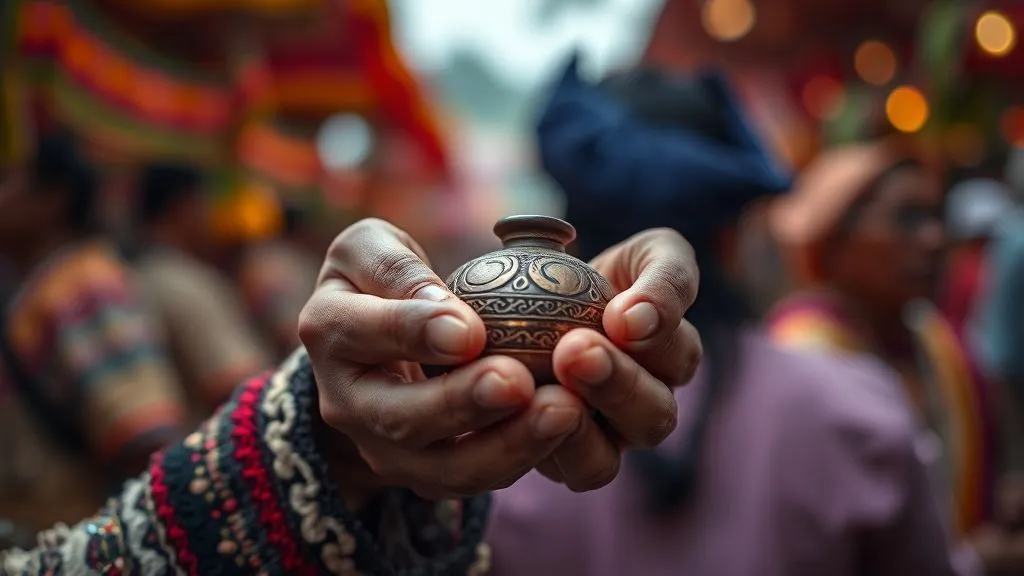
How to Protect Indigenous Cultural Heritage from Tourism Appropriation?
For over two decades in the cultural travel sector, I've witnessed firsthand the profound beauty and transformative power of genuine cultural exchange. Yet, I've also seen the insidious shadow of cultural appropriation creep into tourism, often unintentionally, sometimes with devastating consequences for indigenous communities and their invaluable heritage. It's a delicate balance, this desire to explore and understand, against the imperative to respect and preserve.
The problem is multifaceted: well-meaning tourists, profit-driven operators, and a lack of clear guidelines can inadvertently lead to the commodification, misrepresentation, and even loss of sacred traditions, knowledge, and artistic expressions. This isn't just about taking a photo or buying a souvenir; it's about the erosion of identity, the disrespect of ancestral practices, and the economic exploitation of vulnerable communities.
But there is a path forward. In this definitive guide, I will share actionable frameworks, real-world insights, and expert strategies developed from years of working with indigenous groups and ethical tourism initiatives. You'll learn how to navigate this complex landscape, not just avoiding harm, but actively contributing to the protection and flourishing of indigenous cultural heritage. We'll explore community empowerment, policy development, responsible tourist education, and innovative preservation methods.
Understanding the Nuances: What is Cultural Appropriation in Tourism?
Before we can protect, we must first understand. Cultural appropriation, in the context of tourism, isn't always overt theft; it's often a subtle, systemic issue where elements of an indigenous culture are taken, used, or displayed by outsiders, often without understanding, respect, or permission, and frequently for commercial gain. It strips the original meaning, devalues the creators, and can perpetuate harmful stereotypes.
Beyond Surface-Level Engagement
True cultural exchange involves reciprocity, respect, and deep understanding. Appropriation, however, often remains at the surface, reducing complex cultural practices to exotic spectacles or marketable commodities. It fails to acknowledge the spiritual, historical, and social significance of traditions, focusing instead on their aesthetic appeal or perceived market value. This superficiality misses the entire point of meaningful interaction.
The Commodification Trap
The commodification of culture is a significant concern. When sacred rituals become 'performances' for tourists, or traditional crafts are mass-produced by non-indigenous entities, the authenticity and integrity of the heritage are compromised. Indigenous artists and knowledge holders often receive minimal benefit, while intermediaries profit. This economic imbalance further exacerbates the issue, turning heritage into a product rather than a living, evolving practice.
"Cultural appropriation fundamentally undermines the intrinsic value of indigenous heritage by divorcing it from its origins and exploiting it for external benefit. It's a transaction, not an exchange."
Empowering Indigenous Communities: The Core of Protection
In my experience, the most effective way to protect indigenous cultural heritage from tourism appropriation is to place the power, control, and benefits directly into the hands of the communities themselves. This isn't just an ethical choice; it's a pragmatic one, as communities are the true custodians of their heritage.
Prioritizing Free, Prior, and Informed Consent (FPIC)
A cornerstone of ethical engagement is Free, Prior, and Informed Consent (FPIC). This means that any tourism initiative involving indigenous lands, resources, or cultural practices must only proceed with the full, transparent, and uncoerced consent of the affected community. This consent must be sought prior to any activities, be based on full information about the project's implications, and be freely given, with the right to withdraw at any time. This principle is enshrined in the UN Declaration on the Rights of Indigenous Peoples (UNDRIP) and is non-negotiable.
Actionable Steps for FPIC:
- Initiate Dialogue Early: Engage with community leaders and members at the very conceptual stage of any project.
- Provide Comprehensive Information: Ensure all details, potential impacts (positive and negative), and financial arrangements are clearly communicated in a culturally appropriate language and format.
- Allow Ample Time for Deliberation: Respect community decision-making processes, which may be consensus-based and require significant time.
- Document Consent: Formalize agreements in a way that is mutually understood and legally binding, if applicable.
- Establish Grievance Mechanisms: Ensure a clear process exists for communities to raise concerns or withdraw consent.
Building Capacity and Ownership
Beyond consent, true empowerment involves building the capacity of indigenous communities to manage their own tourism ventures. This includes training in business management, marketing, guide services, and hospitality, alongside supporting the development of culturally appropriate infrastructure. When communities own and operate their tourism, they control the narrative, the economic benefits, and the way their culture is presented.
Developing Ethical Tourism Frameworks and Policies
Systemic change requires robust frameworks and policies that guide all stakeholders – from tour operators to governments – towards ethical practices. These policies should be developed in consultation with indigenous communities and prioritize their rights and well-being.
Co-creation of Tourism Products
Instead of designing tourism experiences for indigenous communities, the focus must shift to co-creation with them. This means indigenous voices are central to the development of itineraries, the presentation of cultural activities, and the storytelling. This ensures authenticity, respect, and relevance, preventing misrepresentation and superficiality.
Fair Benefit Sharing Mechanisms
Ethical tourism must ensure that a significant and equitable portion of the economic benefits generated flows directly to indigenous communities. This can be achieved through various mechanisms:
- Direct employment of community members.
- Community-owned enterprises (e.g., lodges, craft shops, guiding services).
- Revenue sharing agreements for entry fees or tour packages.
- Investment in community development projects (e.g., schools, healthcare, infrastructure) decided by the community.

Educating Tourists: Fostering Respect and Responsible Engagement
Tourists are not just consumers; they are participants in a cultural exchange. Educating them is paramount to minimizing appropriation and fostering genuine respect. Many instances of appropriation stem from ignorance, not malice.
As an industry specialist, I've seen how effective pre-trip education can transform a tourist's mindset from 'visitor' to 'guest'. It's about setting expectations and providing tools for respectful interaction.
The Power of Pre-Trip Education
Tour operators, travel agencies, and even online platforms have a responsibility to provide comprehensive pre-trip information. This should cover local customs, etiquette, appropriate dress, photography guidelines, and the significance of cultural sites or practices. It should also explain the concept of cultural appropriation and how to avoid it.
On-Site Cultural Sensitivity Training
Upon arrival, a brief orientation or cultural sensitivity session, ideally led by a community member, can reinforce these messages. This is an opportunity to share personal stories and local perspectives, making the guidelines more resonant and impactful. Encouraging active listening and respectful questioning fosters deeper understanding.
Leveraging Technology for Preservation and Storytelling
Technology, when used thoughtfully and under indigenous control, can be a powerful ally in the protection and promotion of cultural heritage. It offers new avenues for documentation, education, and economic empowerment, bypassing traditional gatekeepers.
Digital Archiving and Documentation
Digital tools can help communities document their oral histories, traditional knowledge, languages, and artistic expressions. This creates a permanent, accessible record that can be controlled and owned by the community, safeguarding it for future generations and preventing external misrepresentation. Projects like the International Work Group for Indigenous Affairs (IWGIA) often highlight the importance of such initiatives.
Virtual Reality and Augmented Reality for Authentic Narratives
VR and AR offer immersive ways to share cultural narratives directly from the source. Imagine a virtual tour of a sacred site narrated by an elder, or an AR app that brings traditional stories to life within their original landscape. These technologies can provide rich, authentic experiences that educate without requiring physical presence, thus protecting sensitive sites from over-tourism, while still generating interest and potential revenue.
Case Study: A Model for Sustainable Indigenous Tourism
The 'Ancestral Paths' Initiative in the Amazon
Let me share a fictional, yet highly realistic, example from my mental 'archive' of best practices. The 'Ancestral Paths' initiative, developed by the fictional "Yanapi" community in the Peruvian Amazon, faced significant pressure from external tour operators. Their unique knowledge of medicinal plants and their vibrant weaving traditions were being exploited, with profits rarely reaching the community.
By implementing a strategy focused on community ownership and FPIC, they transformed their situation. They partnered with a non-profit specializing in indigenous rights to secure legal advice and initial funding. They established their own cooperative, training members as guides, lodge managers, and craft artisans. All tours now require explicit community consent, and 80% of all revenue stays within the community, funding health clinics and education.
The Yanapi community now controls the narrative, sharing their culture on their own terms. They've developed a unique "Ethical Visitor Pledge" that tourists must sign, outlining respectful behavior and a commitment to cultural appreciation over appropriation. This pledge, combined with their community-led tours, has not only protected their heritage but also created sustainable livelihoods.
| Aspect | Before 'Ancestral Paths' | After 'Ancestral Paths' |
|---|---|---|
| Cultural Control | External operators dictated narratives | Community-led storytelling, full consent |
| Economic Benefit | Minimal profit to community, high leakage | 80% revenue retained, direct community investment |
| Heritage Protection | Risk of commodification, misrepresentation | Sacred sites protected, traditional knowledge respected |
| Tourist Engagement | Passive consumption, potential for appropriation | Active participation, ethical visitor pledge, deeper learning |
Strengthening Legal and Intellectual Property Rights
Legal protections are a critical, though often complex, line of defense against cultural appropriation. Indigenous communities have a right to control their traditional knowledge and cultural expressions, just as any artist or inventor has intellectual property rights.
Protecting Traditional Knowledge and Expressions
Traditional knowledge (TK) encompasses the innovations and practices of indigenous peoples developed over millennia. This includes medicinal plant uses, agricultural techniques, spiritual beliefs, and artistic designs. Traditional Cultural Expressions (TCEs) include music, dance, stories, symbols, and designs. Unfortunately, these are often unprotected by conventional intellectual property laws, making them vulnerable to exploitation.
Advocacy for sui generis (unique) legal systems that specifically protect TK and TCEs is crucial. Some nations are developing their own laws, but international recognition and frameworks are still evolving. Organizations like the World Intellectual Property Organization (WIPO) are actively working on this global challenge.
Advocacy for Stronger International Regulations
While UNDRIP provides a strong ethical framework, it is not legally binding on all nations. Continuous advocacy for stronger international conventions and national laws that recognize and protect indigenous intellectual property is essential. This includes holding corporations and individuals accountable for appropriation and ensuring mechanisms for restitution.
"Legal frameworks, while imperfect, provide a vital shield. They empower communities to challenge exploitation and assert their inherent rights to their own cultural legacy."
Building Partnerships: Collaboration for Lasting Impact
Protecting indigenous cultural heritage from tourism appropriation is not a task any single entity can accomplish alone. It requires a concerted, collaborative effort across various sectors.
Government, NGO, and Industry Alliances
Governments have a role in creating supportive policy environments, enforcing laws, and providing resources. Non-governmental organizations (NGOs) often act as crucial intermediaries, providing legal aid, capacity building, and advocacy. The tourism industry itself – from major tour operators to small guesthouses – must commit to ethical practices, invest in training, and partner directly with indigenous communities. These alliances can create a powerful front against appropriation and for sustainable development.
Global Networks for Indigenous Rights
Connecting indigenous communities and their allies globally strengthens their collective voice and capacity. Platforms that facilitate knowledge sharing, advocacy campaigns, and peer support are invaluable. These networks amplify concerns, share best practices, and mobilize international pressure when appropriation occurs. They help ensure that the fight to protect indigenous cultural heritage from tourism appropriation is a global one.
Frequently Asked Questions (FAQ)
What's the difference between cultural appreciation and appropriation? Cultural appreciation involves respectfully engaging with another culture, seeking to understand its context, giving credit to its creators, and supporting the community from which it originates. Appropriation, conversely, involves taking elements from a culture (often a minority or marginalized one) without permission, understanding, or respect, often for personal gain or entertainment, stripping it of its original meaning and context. It often occurs when power dynamics are unequal.
How can tourists ensure they are supporting ethical indigenous tourism? Look for tourism initiatives that are explicitly community-owned or community-led. Research tour operators to ensure they have clear ethical policies regarding indigenous engagement, fair wages, and cultural respect. Ask questions about where your money goes. Prioritize experiences where you learn directly from community members and where consent is clearly a part of the process. Avoid experiences that feel like a 'human zoo' or commodify sacred practices.
What role do governments play in protecting indigenous heritage? Governments play a crucial role by enacting and enforcing laws that recognize indigenous rights, including land rights and intellectual property rights over traditional knowledge and cultural expressions. They can also fund community-led tourism initiatives, establish ethical tourism guidelines, regulate tour operators, and educate the public on responsible travel. International cooperation on these matters is also vital.
Can indigenous communities benefit economically from tourism without risking appropriation? Absolutely. When tourism is developed and managed by indigenous communities themselves, it can be a powerful tool for economic empowerment and cultural revitalization. This ensures that benefits are retained locally, cultural integrity is maintained, and narratives are controlled by those whose heritage it is. The key is community ownership, FPIC, and a focus on authentic, respectful engagement rather than commodification.
What are some signs of exploitative indigenous tourism? Red flags include experiences that feel voyeuristic or like a performance for outsiders, lack of direct interaction with community members (or interactions that feel scripted), tour operators who don't clearly state their ethical policies or benefit-sharing mechanisms, pressure to buy goods that seem mass-produced or inauthentic, or tours that visit sacred sites without explicit, informed consent from the community. If it feels uncomfortable or 'too good to be true,' it likely is.
Key Takeaways and Final Thoughts
- Empowerment is Paramount: True protection stems from indigenous communities having full control and ownership over their heritage and tourism initiatives.
- FPIC is Non-Negotiable: Always ensure Free, Prior, and Informed Consent before any engagement involving indigenous culture or land.
- Educate and Engage: Both tourists and operators must be educated on ethical practices and the nuances of cultural appropriation.
- Leverage Policy & Law: Advocate for and implement strong legal frameworks that protect indigenous intellectual property and cultural rights.
- Collaborate for Impact: Sustainable solutions require partnerships between communities, governments, NGOs, and the tourism industry.
The journey to protect indigenous cultural heritage from tourism appropriation is ongoing, requiring vigilance, empathy, and a commitment to justice. As someone who has dedicated their career to fostering meaningful cultural connections, I believe that by embracing these principles, we can transform tourism from a potential threat into a powerful force for preservation, respect, and mutual understanding. Let's collectively strive for a future where every journey enriches both the traveler and the host, leaving behind a legacy of genuine appreciation, not appropriation.
Recommended Reading
- 7 Steps to Safeguard Your Wellness Journey Abroad: Avoid Alt-Med Scams
- Unlock the Secrets: How to Plan a Safe Solo Long-Distance Hiking Trip
- Ultimate Guide: How to Ensure Child Safety on International Family Tours
- Reclaim Your Calm: Ultimate Travel Strategies for Coping with Burnout and Finding Peace
- Navigate Recovery: Essential Guide to Accessible Post-Treatment Travel Care





Your email address will not be published. Required fields are marked *