

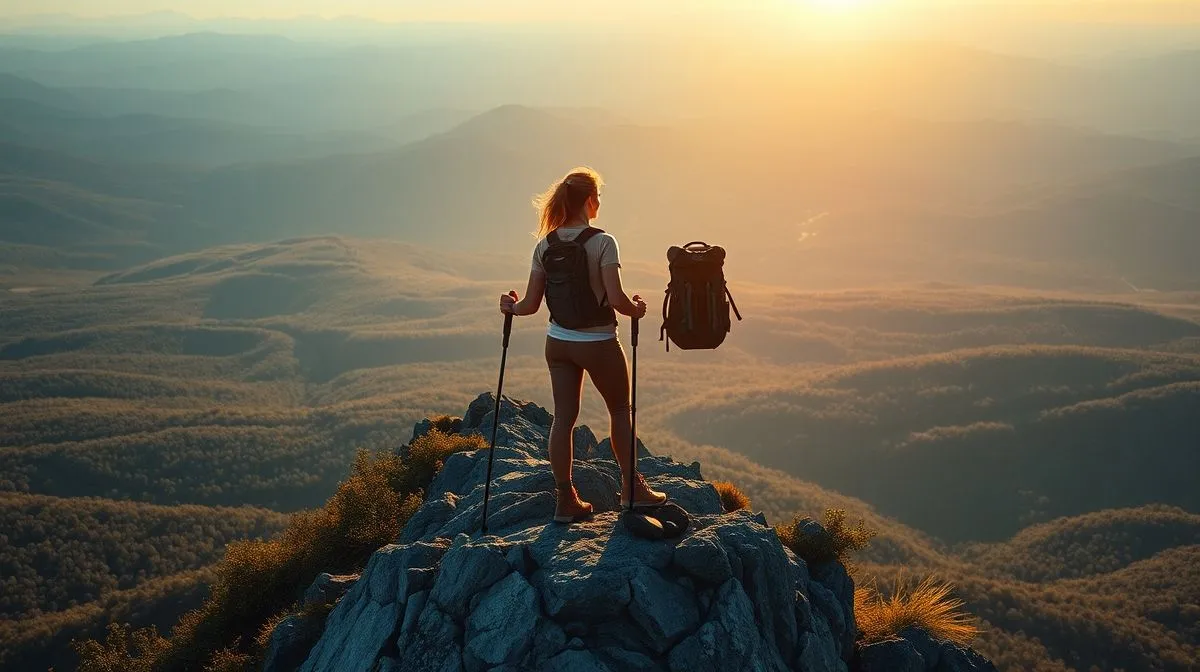
How to Plan a Safe Solo Long-Distance Hiking Trip: The Ultimate Guide
Have you ever stood at the trailhead, looking into the vast expanse of a long-distance trail, and felt that thrilling pull of independence, yet a flicker of apprehension about going it alone? The idea of embracing the wilderness, miles from civilization, with only your pack and your thoughts, is profoundly appealing to many.
The allure of solo long-distance hiking is undeniable – the solitude, the self-reliance, the profound connection with nature. But for many, the idea of venturing into the wilderness alone, miles from civilization, raises significant safety concerns. Questions about navigation, emergency preparedness, wildlife, and even loneliness often deter aspiring solo adventurers.
This comprehensive guide will demystify the process, showing you exactly how to plan a safe solo long-distance hiking trip, transforming potential anxieties into confident preparation and an unforgettable adventure. By the end of this reading, you'll be equipped with the knowledge to embark on your solo journey with peace of mind and profound capability.
The Allure and Challenges of Solo Long-Distance Hiking
Solo hiking offers a unique brand of freedom and self-discovery. Without the need to compromise on pace, breaks, or even conversation, you become entirely attuned to your own rhythm and the environment around you. It's an unparalleled opportunity for introspection and personal growth.
Why Go Solo? Unpacking the Benefits
- Uninterrupted Self-Reflection: The solitude allows for deep introspection, fostering mental clarity and self-awareness.
- Complete Autonomy: You set your own pace, choose your own campsites, and dictate every aspect of your journey.
- Enhanced Connection with Nature: Without external distractions, your senses become heightened, leading to a more profound appreciation of the natural world.
- Boosted Self-Reliance: Overcoming challenges alone builds immense confidence and problem-solving skills.
- Personal Challenge: Pushing your personal limits in a demanding environment can be incredibly rewarding.
Common Concerns for Solo Hikers (and How to Address Them)
While the benefits are numerous, solo hiking comes with inherent risks that must be acknowledged and mitigated. These often include:
- Safety: Accidents, falls, encounters with wildlife, and human threats.
- Navigation: Getting lost, especially in remote or unmarked territories.
- Emergencies: Medical issues, extreme weather, or equipment failure without immediate assistance.
- Loneliness: The psychological toll of extended periods of solitude.
- Resupply and Logistics: Managing food, water, and gear in isolated areas.
Addressing these concerns head-on through meticulous planning is the cornerstone of a safe solo trip.
Phase 1: Meticulous Route Planning and Research for a Safe Solo Long-Distance Hiking Trip
The foundation of any successful solo long-distance hike lies in comprehensive planning. This phase is about gathering information, understanding your chosen trail, and preparing for its unique challenges.
Choosing the Right Trail for Your Solo Adventure
Select a trail that aligns with your experience level, time constraints, and personal goals. Consider factors such as:
- Difficulty: Are you ready for steep climbs, river crossings, or technical terrain?
- Remoteness: How far are you from civilization and emergency services?
- Water Sources: Are reliable water sources plentiful, or will you need to carry more?
- Resupply Points: How often can you restock food and supplies?
- Popularity: A more popular trail might offer more opportunities for help if needed, but less solitude.
Understanding Trail Conditions, Seasons, and Permits
Research the typical weather patterns for your chosen season. Are there specific hazards like monsoon seasons, wildfires, or heavy snow? Check for trail closures, permit requirements, and any specific regulations for backcountry camping or food storage. Websites like the National Park Service or specific trail organizations (e.g., Appalachian Trail Conservancy) are invaluable resources.
Leave No Trace Principles: Your Ethical Compass
Adhering to Leave No Trace principles is crucial for responsible solo hiking. This means planning ahead and preparing, traveling and camping on durable surfaces, disposing of waste properly, leaving what you find, minimizing campfire impacts, respecting wildlife, and being considerate of other visitors. Learn more at the Leave No Trace Center for Outdoor Ethics.
Phase 2: Essential Gear and Equipment for Solo Safety
Your gear is your lifeline in the backcountry. Every item in your pack should serve a purpose, contributing to your safety, comfort, and ability to handle unexpected situations.
The Ten Essentials (and Beyond for Solo Hikers)
The traditional Ten Essentials are critical, but for solo long-distance hiking, you'll often need to expand on them:
- Navigation: Map, compass, GPS device (with extra batteries), and a solid understanding of how to use them.
- Sun Protection: Sunscreen, hat, sunglasses, and sun-protective clothing.
- Insulation: Extra layers (jacket, hat, gloves) even in warm weather, as conditions can change rapidly.
- Illumination: Headlamp or flashlight with extra batteries.
- First-Aid Supplies: A comprehensive kit tailored to your trip length, including personal medications.
- Fire Starter: Waterproof matches, lighter, fire starter.
- Repair Kit and Tools: Duct tape, knife, multi-tool, needle and thread, gear repair items.
- Nutrition: Extra food, beyond your planned daily intake, for emergencies.
- Hydration: Water bottles/reservoir, water filter/purifier, and knowledge of water sources.
- Shelter: Tent, tarp, or bivy sack, even for day trips if an unexpected overnight is possible.
Communication and Emergency Devices: Your Lifeline to the Outside World
For solo hikers, reliable communication is paramount. Consider carrying:
- Satellite Messenger/PLB (Personal Locator Beacon): Devices like a Garmin inReach or Zoleo allow you to send texts, track your location, and most importantly, send an SOS signal. A PLB is a one-way emergency signal device.
- Fully Charged Cell Phone: While often out of service, it's useful for photos, notes, and emergencies where there is signal. Carry a power bank.
- Whistle: For signaling in emergencies (three short blasts is a common distress signal).
Choosing the Right Backpack and Footwear
Your backpack should fit well, be comfortable when fully loaded, and be durable enough to withstand the rigors of the trail. Footwear is equally critical: choose sturdy, comfortable hiking boots or trail runners that are well broken-in to prevent blisters and injuries.
Phase 3: Physical and Mental Preparation is Key
Your body and mind are your most important tools on a solo long-distance hike. Neglecting either can lead to serious issues on the trail.
Building Physical Endurance and Strength
Start your physical training months in advance. Focus on:
- Cardiovascular Fitness: Running, cycling, swimming, or brisk walking to build stamina.
- Strength Training: Focus on legs, core, and back, as you'll be carrying a pack.
- Hiking with a Pack: Gradually increase the weight in your pack and the distance of your training hikes. Simulate trail conditions as much as possible.
- Stretching and Mobility: To prevent injuries and maintain flexibility.
Developing Mental Fortitude and Resilience
The mental challenges of solo hiking can be as demanding as the physical ones. Practice:
- Problem-Solving: Think through hypothetical trail scenarios and how you'd react.
- Solitude Management: Spend time alone in nature, even on shorter trips, to get comfortable with your own company.
- Positive Self-Talk: Develop strategies to maintain a positive mindset when faced with adversity.
- Grit and Perseverance: Understand that there will be tough days, and cultivate the mental strength to push through them.
First Aid and Wilderness Survival Skills
Enroll in a wilderness first aid (WFA) or wilderness first responder (WFR) course. Knowledge of basic first aid, wound care, treating hypothermia/heatstroke, and identifying common trail ailments is indispensable. The National Outdoor Leadership School (NOLS) offers excellent programs. Additionally, practice basic survival skills like:
- Navigation: Using map and compass without a GPS.
- Shelter Building: Creating improvised shelters.
- Water Purification: Understanding various methods beyond your primary filter.
- Signaling for Help: Knowing effective ways to attract attention.
Phase 4: Risk Mitigation and Emergency Protocols
Even with thorough preparation, emergencies can happen. Having a plan for various scenarios significantly increases your safety.
Creating a Detailed Itinerary and Share Plan
Before you leave, create a detailed itinerary including your planned route, campsites, resupply points, and estimated dates for each. Share this plan with at least two trusted contacts who know when to expect updates from you and when to trigger an alarm if they don't hear from you. Specify what actions they should take.
Understanding Wildlife Encounters and Safety
Research the wildlife in the areas you'll be hiking. Know how to:
- Store Food: Use bear canisters or hang food to prevent attracting animals.
- React to Encounters: Know the appropriate response for bears (black vs. grizzly), cougars, snakes, and other potentially dangerous animals. Carry bear spray if appropriate for the region.
- Make Noise: To avoid surprising wildlife.
Dealing with Weather Extremes and Natural Hazards
Weather can change rapidly in the backcountry. Be prepared for:
- Thunderstorms: Seek shelter below treeline, avoid exposed ridges.
- Heatstroke/Dehydration: Stay hydrated, hike during cooler parts of the day, recognize symptoms.
- Hypothermia: Understand its causes and symptoms, carry appropriate layers, and know how to warm up.
- Flash Floods/River Crossings: Know how to assess water levels and safe crossing techniques.
Always check the weather forecast from reliable sources like NOAA before and during your trip.
Emergency Water and Food Strategies
Always carry more water and food than you anticipate needing. Know how to purify water from natural sources and ration food if necessary. Consider bringing a small fishing kit or foraging guide if you have the skills, but these should never be your primary food source.
Phase 5: Nutrition, Hydration, and Hygiene on the Trail
Sustaining your body and maintaining health are crucial for long-distance solo hiking. Proper nutrition, hydration, and hygiene prevent illness and maintain energy levels.
Calorie-Dense and Nutritious Food Choices
Your body will burn a significant amount of calories daily. Pack foods that are:
- Lightweight and Compact: To minimize pack weight.
- Calorie-Dense: Nuts, dried fruit, jerky, energy bars, dehydrated meals.
- Nutritious: Providing a balance of carbohydrates, proteins, and fats.
- Easy to Prepare: Requiring minimal cooking or no cooking at all.
Plan your resupply points carefully to ensure you have consistent access to fresh provisions.
Water Sourcing and Purification Methods
Water is heavier than food, so efficient water management is key. Research water sources along your trail. Carry reliable purification methods:
- Filters: Sawyer Squeeze, Katadyn BeFree, etc.
- Purifiers: SteriPEN UV light, chemical tablets (iodine or chlorine dioxide).
- Boiling: A reliable method, but requires fuel.
Always purify water from natural sources to prevent waterborne illnesses.
Maintaining Personal Hygiene in the Backcountry
Good hygiene prevents infections and discomfort. Pack:
- Hand Sanitizer: Essential before eating and after using the restroom.
- Biodegradable Soap: For washing hands and body away from water sources.
- Toothbrush and Toothpaste: Small, travel-sized.
- Trowel and Toilet Paper: For properly burying human waste at least 200 feet from water sources, trails, and campsites.
- Wipes: Unscented, biodegradable wipes for quick clean-ups.
Phase 6: Navigating the Solo Experience: Mindset and Connection
Beyond the practicalities, the mental and emotional journey of solo long-distance hiking is profound. Understanding this aspect enhances the overall experience.
Embracing Solitude and Self-Reliance
The trail will test you, and you'll often be your only source of motivation and comfort. Embrace the solitude as an opportunity for self-discovery. Learn to enjoy your own company, listen to your thoughts, and appreciate the quiet moments. This is where true self-reliance blossoms.
Connecting with the Trail Community (When Desired)
While solo, you're rarely truly alone on popular long-distance trails. You'll encounter other hikers, some solo, some in groups. Be open to brief chats at water sources, shared meals at campsites, or even hiking together for a day. These connections can provide a welcome social break and a sense of camaraderie, without compromising your solo journey's core.
Post-Hike Reflection and Integration
The journey doesn't end when you step off the trail. Take time to reflect on your experiences. How have you changed? What did you learn about yourself? Integrate these lessons into your daily life. The resilience, problem-solving skills, and deep appreciation for nature gained on a solo long-distance hike are invaluable assets.
Frequently Asked Questions (FAQ)
Is solo long-distance hiking truly safe for women? Yes, with proper planning and awareness, solo long-distance hiking can be safe for women. It's crucial to research trail-specific safety, practice situational awareness, carry communication devices, and share your itinerary. Many women successfully complete solo thru-hikes each year, demonstrating its feasibility and rewarding nature.
What's the most critical piece of gear for solo hikers? While all the Ten Essentials are vital, a satellite messenger or Personal Locator Beacon (PLB) is arguably the most critical for solo hikers. It provides a means of communication and emergency signaling when out of cell service, which is a common scenario in remote backcountry areas.
How do I manage loneliness on a long solo hike? Loneliness is a common feeling, but it's often fleeting. Embrace the solitude as an opportunity for introspection. Engage with other hikers when you encounter them, listen to podcasts or audiobooks, write in a journal, or simply focus on the beauty around you. Remember, the solo aspect is a choice, and the rewards often outweigh temporary feelings of loneliness.
Should I carry a firearm for protection on a solo hike? The decision to carry a firearm is highly personal and depends on local laws, personal comfort, and training. Most experienced hikers prioritize non-lethal defense (like bear spray for animals, or simply avoiding dangerous situations) and effective communication devices. Firearms can add significant weight and legal complexities, and their effectiveness in a high-stress wilderness encounter is debatable without extensive training.
How much water should I carry daily? The amount of water you need varies greatly based on temperature, exertion level, and available water sources. A general rule of thumb is 0.5 to 1 liter per hour of hiking. Always carry enough to get you to the next reliable water source, plus a liter or two extra for emergencies. Researching water source reliability on your specific trail is paramount.
Recommended Reading
- Unveiling the Truth: Are Glamping Eco Pods Truly Green?
- Unlock Accessible Adventures: Your Ultimate Guide to Disability-Friendly Travel
- The Ultimate Guide: What to Pack for Baby's First International Trip
- Unmasking the Unseen: What Are Hidden Costs at Five-Star Luxury Resorts?
- Unlock the Magic: Discover Kid-Friendly Destinations That Offer Educational Fun
Conclusion
Embarking on a solo long-distance hiking trip is an extraordinary endeavor, a true test of spirit, resilience, and preparedness. It's a journey that promises not just incredible landscapes and physical challenge, but profound personal growth and an unparalleled connection with the natural world. With meticulous planning, the right gear, and a well-honed mindset, the perceived risks of solo adventure transform into manageable challenges.
By understanding how to plan a safe solo long-distance hiking trip, you equip yourself not just for the trail, but for life's broader challenges. You learn to trust your instincts, rely on your skills, and appreciate the quiet strength within. So, pack your bags, prepare your heart, and step confidently into the wild – the mountains are calling, and you are ready for the adventure of a lifetime.

Your email address will not be published. Required fields are marked *