


How to Rapidly Re-Plan an Epic Road Trip Due to Sudden Border Closures?
For over two decades navigating the ever-changing landscape of road travel, I've witnessed firsthand the sheer joy and meticulous planning that goes into crafting an epic road trip. But I've also seen the gut-wrenching moment when all that effort seems to crumble under the weight of unforeseen circumstances, like a sudden border closure.
The crushing disappointment of a carefully curated itinerary being rendered obsolete overnight is a pain point many seasoned travelers can relate to. Whether it's political instability, a natural disaster, or a global health crisis, international borders can slam shut without warning, leaving you stranded, frustrated, and scrambling for answers.
This isn't just about changing a route; it's about salvaging an experience, protecting your investment, and maintaining your adventurous spirit. In this definitive guide, I'll share my battle-tested framework on how to rapidly re-plan an epic road trip due to sudden border closures, offering actionable steps, real-world insights, and strategies to turn potential disaster into an unexpected adventure.
The Immediate Aftermath: Assess & Breathe
The first few hours after learning about a border closure are critical. Panic is a natural reaction, but it's also your biggest enemy. My experience has taught me that a calm, methodical approach is your most powerful tool.
First 24 Hours: Damage Control & Information Gathering
Your initial focus should be on confirming the information and understanding the scope of the closure. Don't rely on social media rumors; go straight to official sources.
- Verify the Closure: Immediately check official government travel advisories for both your home country and the affected regions. Look for statements from customs and border protection agencies. Reliable sources like the U.S. Department of State Travel Advisories or your own nation's equivalent are indispensable.
- Assess Your Location & Safety: Determine if you are currently in a safe area, or if the closure impacts your immediate ability to move. Your personal safety is paramount above all else.
- Contact Travel Partners: If you're traveling with others, establish a clear communication channel. Share verified information and discuss immediate next steps.
- Initial Financial Scan: Briefly review your upcoming bookings – accommodation, ferries, specific tours – that might be directly impacted by the closure. Don't cancel anything yet, just identify what's at risk.
"In moments of crisis, clarity of thought is more valuable than speed of action. Take a deep breath, gather the facts, and then proceed with purpose." - Experienced Industry Specialist
This initial phase is about gaining control over the situation, not solving everything at once. It's about laying a solid foundation for the complex re-planning ahead.

Leveraging Technology for Rapid Route Adjustment
Once you've confirmed the closure and taken a breath, it's time to dive into the practicalities of re-routing. Modern technology is your greatest ally in this process, offering dynamic solutions that simply weren't available a decade ago.
Dynamic Mapping Tools & Real-time Updates
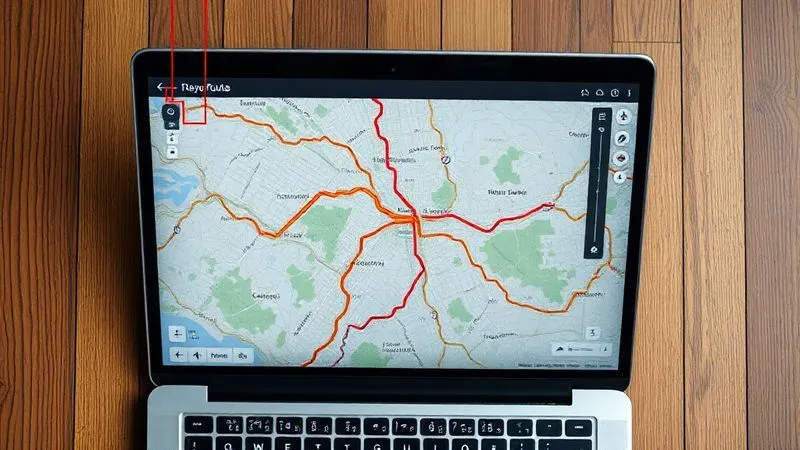
Forget the paper maps for a moment; digital mapping services provide unparalleled real-time data crucial for re-planning.
- Utilize Advanced Navigation Apps: Open Google Maps, Waze, or HERE WeGo. These apps often have real-time traffic, road closure, and even border status updates contributed by users and official sources. Input your new desired destination or even just your current location to explore alternative routes.
- Explore Border Crossing Specific Apps/Websites: Many regions have dedicated apps or government websites that provide specific, up-to-the-minute information on border wait times, open/closed status, and entry requirements. A quick search for "[Country Name] border crossing status" can yield valuable resources.
- Consult Community Forums & Social Media (Cautiously): While I cautioned against rumors earlier, established online travel communities (e.g., specific Reddit subreddits for road trips, Facebook groups for overland travel) can offer ground-level insights and recent experiences that official channels might not yet reflect. Always cross-reference any information.
- Set Up Alerts: If possible, subscribe to official government alerts or news feeds for the affected region. Knowing if and when a border might reopen, or if new restrictions are put in place, is vital for dynamic planning.
According to a study published by Deloitte on the Future of Mobility, real-time data integration is increasingly critical for navigation and logistics, highlighting the power these tools wield in travel disruptions.
Financial & Logistical Recalibration: Money & Accommodation
The financial impact of a sudden border closure can be significant. Addressing cancellations, refunds, and re-booking accommodations is often the most stressful part of the re-planning process. This is where your preparedness, or lack thereof, truly shows.
Navigating Cancellations & Refunds
Don't assume everything is lost. Many providers have flexible policies, especially in extenuating circumstances.
- Contact Providers Directly: Reach out to hotels, car rental companies, and tour operators. Explain the situation clearly. Many are more understanding than you might expect, offering credits, re-bookings, or partial refunds.
- Leverage Travel Insurance: This is precisely why you invest in comprehensive travel insurance. Review your policy's terms regarding trip interruption, cancellation due to unforeseen events, and border closures. Document everything: emails, phone calls, confirmation numbers.
- Credit Card Protections: Some premium credit cards offer travel protection benefits. Check your cardholder agreement for trip cancellation or interruption insurance that might apply.
- Dispute Charges (Last Resort): If all else fails and you're denied a refund for services you can no longer use due to an external, unavoidable event, you may be able to dispute the charge with your bank or credit card company.
Finding Alternative Stays & Transport
With your original plans derailed, you'll need to secure new lodging and potentially alternative transport.
| Category | Original Plan | Re-Plan Strategy |
|---|---|---|
| Accommodation | Pre-booked hotels in [Closed Country] | Search for flexible bookings (free cancellation) via Booking.com, Airbnb in nearby open regions. |
| Vehicle | Rental car for border crossing | Confirm rental car return policy; consider a new rental if crossing into a different country requires a different vehicle or special permits. |
| Flights/Ferries | Connecting flights/ferries impacted by closure | Contact airlines/ferry operators for re-booking or vouchers; explore alternative land routes if possible. |
Prioritize flexibility. Look for accommodations with free cancellation policies, as your new route might still evolve. This gives you peace of mind and reduces further financial risk.
Crafting a New Narrative: Embracing the Pivot
The essence of an epic road trip isn't just the destination; it's the journey and the stories you collect along the way. A border closure, while disruptive, can force you to discover a new, equally incredible narrative for your adventure.
Case Study: The 'Appalachian Pivot'
I recall a couple, avid nature photographers, who had meticulously planned a month-long road trip through the Canadian Rockies, aiming to cross into Alaska. Just days before their departure, an unexpected border closure between Canada and the US (due to a regional health mandate) threw their plans into disarray. They were devastated.
Instead of canceling, they decided to embrace the pivot. They rapidly re-planned, shifting their focus entirely to the Appalachian Mountains in the Eastern US. They spent their month traversing scenic byways, exploring charming small towns, and capturing breathtaking landscapes that were entirely different from their original vision. They discovered hidden waterfalls, unique local cuisines, and forged connections with communities they would have otherwise never encountered.
This experience, which they initially viewed as a disaster, became one of their most cherished and unique road trip memories. It was a testament to their flexibility and willingness to let go of the original script.
"Flexibility isn't just a travel trait; it's a life skill. An unexpected detour can often lead to a more profound and memorable journey than the one you originally envisioned." - Expert Road Tripper
Look at your current location and the surrounding accessible regions. Is there an unexplored national park? A historical route you've always meant to visit? This is your chance to discover a new epic.
Legal & Bureaucratic Hurdles: Visas & Permits
When you're rapidly re-planning an international road trip, new legal and bureaucratic requirements can emerge unexpectedly. Ignoring these can lead to serious complications, including denied entry or legal issues.
Understanding New Entry Requirements
Shifting your route to an alternative country means you must instantly become an expert on its entry regulations.
- Visa Requirements: Does your nationality require a visa for the new country or countries you plan to enter? Check official embassy or consulate websites. Some countries offer e-visas that can be processed quickly, while others require in-person applications.
- Health Declarations & Vaccinations: In an era of global health concerns, many countries require specific vaccination proofs, health declarations, or even pre-arrival testing. These can change frequently, so always check the latest official government travel sites.
- Vehicle Permits & Insurance: If you're driving your own vehicle, does it require special permits (e.g., International Driving Permit) or specific insurance coverage for the new countries? Some nations require proof of third-party liability insurance at the border.
- Customs Regulations: Be aware of what you can and cannot bring across new borders, especially regarding food, alcohol, and certain goods.
I highly recommend bookmarking official government travel advisory pages for any potential new destinations. For example, the UK Foreign, Commonwealth & Development Office provides comprehensive advice for British nationals traveling abroad, and similar resources exist for most countries.
Communication & Contingency: Keeping Everyone Informed
A successful re-plan isn't just about logistics; it's also about managing expectations and ensuring everyone involved is on the same page. This includes your travel companions and family back home.
Notifying Travel Companions & Family
Transparency is key. Regularly update anyone traveling with you about changes, new plans, and any challenges you encounter. This fosters a sense of shared responsibility and reduces anxiety.
- Designate a Communication Lead: If you're in a group, one person can be responsible for disseminating information to avoid confusion.
- Share New Itinerary: Even a rough outline of your re-planned route and key stops can reassure family members who might be worried about your safety.
- Emergency Contact Plan: Re-establish or review your emergency contact plan. Ensure everyone knows who to call and what information to provide in case of an unforeseen event.
Building a Plan B (and C)
One of the most valuable lessons I've learned from years on the road is the importance of contingency planning. Even after re-planning, always have a backup plan for your backup plan.
- Identify Alternative Routes: As you finalize your re-planned route, identify one or two alternative routes that you could quickly pivot to if another unexpected closure or issue arises.
- Flexible Bookings: Continue to prioritize flexible bookings for accommodation and activities. This minimizes financial loss if you need to change plans again.
- Emergency Fund: Always maintain an accessible emergency fund. Unexpected re-planning often incurs additional costs, from re-booking fees to unplanned overnight stays.
As Forbes contributor often emphasizes in business strategy, contingency planning isn't about expecting failure, but about being prepared for any eventuality, a principle equally vital for epic road trips.

Local Immersion: Discovering Unplanned Gems
The beauty of a re-planned road trip, especially one born out of necessity, is the opportunity it presents for genuine, unplanned discovery. Many of my most cherished travel memories came from detours I never intended to take.
The Unexpected Detour Advantage
When your original path is blocked, you're forced to look at the map differently. This can lead you to places that are off the typical tourist radar, offering more authentic and enriching experiences.
- Embrace Local Culture: Dive into the culture of your new destination. Attend local festivals, try regional cuisine, and engage with the community. These are the interactions that truly define a journey.
- Seek Out Hidden Natural Wonders: Use local tourism boards, park rangers, or even friendly locals to discover lesser-known hiking trails, scenic viewpoints, or unique natural phenomena.
- Support Local Businesses: Spend your money at independent shops, family-run restaurants, and local guesthouses. Your unplanned visit can make a real difference to these communities.
| Original Route Highlight | New Route Highlight |
|---|---|
| Canadian Rockies glaciers | Appalachian Mountain fall foliage, Blue Ridge Parkway |
| Alaskan wildlife viewing | Great Smoky Mountains black bear sightings, unique bird species |
| Remote wilderness camping | Charming small-town inns, local craft breweries |
| Arctic Circle experience | Historic pioneer trails, Civil War battlefields |
Remember, the goal of an epic road trip is to create unforgettable memories. Sometimes, the most memorable ones are those that were never in the original itinerary.
Frequently Asked Questions (FAQ)
Q: What if my travel insurance doesn't cover border closures? A: Many standard travel insurance policies have specific exclusions. If yours doesn't cover government-mandated border closures, you might be out of luck for direct reimbursement. However, still contact your providers (airlines, hotels) as they may offer waivers or credits due to the 'force majeure' nature of the event. Check if your credit card offers any secondary travel protection. In the future, consider 'Cancel For Any Reason' (CFAR) insurance, though it's more expensive.
Q: How quickly can I get new accommodation if I'm suddenly stranded? A: In most developed regions, you can find immediate accommodation using apps like Booking.com, Airbnb, or even by calling hotel chains directly. For very remote areas, look for local guesthouses or campsites. It's always wise to have offline maps and a list of potential safe havens for emergencies.
Q: Is it better to cancel or re-plan entirely when facing a border closure? A: This depends on your flexibility, budget, and the duration of your trip. If you have significant time and financial buffer, re-planning can salvage the adventure. If your trip was short, highly specific, or your finances are tight, canceling and rebooking for a later date might be more practical. Always weigh the emotional cost of cancellation against the logistical and financial strain of a rapid re-plan.
Q: What are the best resources for real-time border updates? A: Official government travel advisories (e.g., U.S. State Department, UK FCDO, Canadian Global Affairs) are paramount. Supplement these with country-specific customs and immigration websites, reputable news sources, and real-time mapping apps (Google Maps, Waze) which often incorporate user-reported or official road closures. Avoid relying solely on social media.
Q: How do I manage the stress and disappointment of a sudden disruption? A: It's okay to feel frustrated and disappointed. Acknowledge these feelings. Then, shift your focus to what you *can* control. Break down the re-planning into small, manageable steps. Practice mindfulness, take short breaks, and remind yourself that challenges are part of any great adventure. Discuss your feelings with your travel companions or family. Remember, resilience is built in these moments.
Key Takeaways and Final Thoughts
Encountering a sudden border closure while on an epic road trip is undoubtedly a significant challenge. However, as an experienced industry specialist, I can confidently tell you that it doesn't have to be the end of your adventure. With the right mindset, tools, and a structured approach, you can successfully navigate this disruption and even enhance your travel experience.
- Stay Calm and Verify: Your first reaction should be to gather accurate information from official sources, not to panic.
- Leverage Technology: Use dynamic mapping and communication tools to rapidly re-plan your route and stay informed.
- Manage Finances Proactively: Understand your insurance, credit card protections, and communicate with providers for refunds or credits.
- Embrace the Pivot: Be open to new destinations and experiences. Sometimes, the unplanned journey is the most rewarding.
- Prioritize Communication and Contingency: Keep everyone informed and always have a Plan B (or C) for unexpected changes.
Remember, the spirit of an epic road trip lies in its unpredictability and your ability to adapt. While a sudden border closure can be a disheartening hurdle, it's also an opportunity to demonstrate your resilience, discover new paths, and forge even more compelling stories. So, take a deep breath, adjust your compass, and let the road lead you to your next great adventure!
Recommended Reading
- 7 Proven Ways to Sidestep Critical Delays on Independent Cruise Tours
- 5 Steps to Unearth Untapped Foodie Regions for Bespoke Tours
- 7 Proven Strategies: Justifying Film Festival Sponsorship ROI to Management
- Heli-Ski Cancellations: 5 Ways Operators Handle Last-Minute Weather
- Unlock the Secrets: How to Protect Marine Life While Traveling to Beaches




Your email address will not be published. Required fields are marked *