


How to rebuild public trust after a space tourism incident?
For over two decades in the nascent, thrilling world of space tourism, I've witnessed the incredible highs of human ingenuity and the profound lows when things inevitably go wrong. My experience, from early conceptualization to operational realities, has taught me a fundamental truth: trust is the most fragile and valuable currency in any high-stakes industry, especially when venturing beyond Earth's atmosphere.
Space is an unforgiving frontier, and while incidents are rare, their impact on public confidence can be catastrophic, threatening to ground an entire industry before it even truly takes flight. The challenge isn't just to recover operations, but to mend the psychological contract with the public, with potential customers, and with the very regulators who hold the keys to our future.
This isn't merely about damage control; it's about a strategic, empathetic, and unwavering commitment to safety and transparency. In this guide, I will share the actionable frameworks, real-world insights, and expert strategies essential to not just recover, but to strengthen public trust, even after the most challenging space tourism incident.
1. Immediate Crisis Response: Transparency and Empathy
The first few hours and days following a space tourism incident are absolutely critical. In my experience, the immediate response sets the tone for the entire recovery process, and any misstep can amplify the crisis exponentially. Silence, speculation, or a perceived lack of empathy will erode trust faster than any technical failure.
Your initial actions must be swift, transparent, and imbued with genuine concern for those affected. This is not the time for corporate platitudes; it's a moment for authentic human connection, even in the face of profound uncertainty.
- Acknowledge and Express Sorrow: Immediately issue a clear, concise statement acknowledging the incident and expressing sincere condolences to anyone affected. Focus on the human element first.
- Commit to Facts, Not Speculation: State clearly that an investigation is underway and that you will share verified information as soon as it's available. Avoid making any premature judgments about the cause.
- Designate a Single, Empathetic Spokesperson: One voice, ideally a senior leader who projects authority and empathy, should communicate all official updates. This prevents conflicting messages.
- Establish Clear Information Channels: Set up a dedicated website section, a crisis hotline, or specific social media channels where the public and media can get official updates.
“In a crisis, the first 24 hours are critical. Silence is not an option; transparency is your greatest asset.”
— Melissa Agnes, Crisis Communication Expert
Remember, the goal here is not just to inform, but to project competence, control, and compassion. People need to feel that you are taking the situation seriously and that you care. Anything less is a failure in the initial phase of how to rebuild public trust after a space tourism incident.

2. The Unflinching Investigation: Root Cause Analysis and Accountability
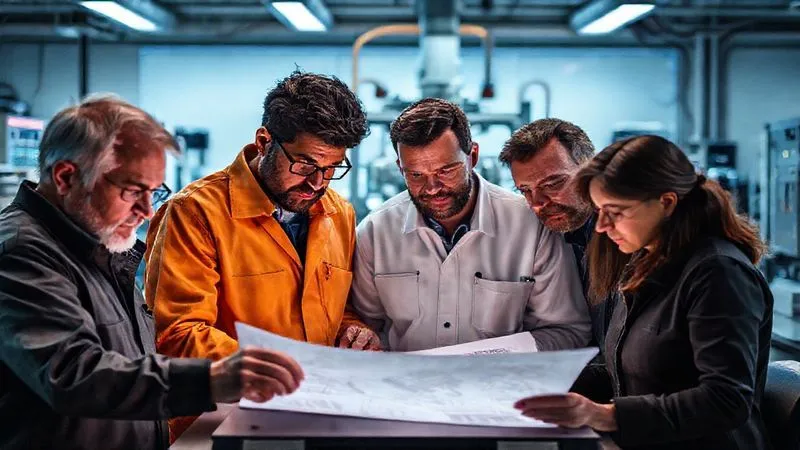
Once the immediate response is underway, the next critical step is to launch a thorough, impartial, and transparent investigation into the incident. This is where your commitment to safety and accountability truly shines, or falters. Public trust hinges on the belief that you are not just looking for a scapegoat, but for the fundamental truth.
An independent investigation is paramount. While your internal teams will be crucial for data and technical expertise, bringing in external, unbiased experts—from regulatory bodies, academic institutions, or specialized consultancies—lends immense credibility to the process and its findings.
Case Study: Phoenix Ascent's Path to Redemption
Phoenix Ascent, a fictional but realistic space tourism company, faced a severe setback when a suborbital test flight experienced an anomaly during re-entry, resulting in a non-fatal but highly visible emergency landing. The public reaction was immediate and harsh. Phoenix Ascent's leadership, guided by the principles I advocate, took decisive action.
They immediately grounded all operations and, critically, commissioned an independent investigation board comprising retired astronauts, aerospace safety engineers, and a former NTSB investigator. The company granted the board full access to all data, personnel, and facilities, with a mandate for complete transparency. Within weeks, preliminary findings were released, indicating a previously undetected software glitch in a specific guidance system.
Crucially, Phoenix Ascent accepted full responsibility for the design flaw, even before the final report. They outlined immediate steps to rectify the issue, detailed how their internal safety checks had missed it, and committed to overhauling their entire software validation process. This unflinching honesty, combined with concrete actions, was a painful but necessary step in beginning to rebuild public trust after their space tourism incident.
| Phase | Duration | Key Actions |
|---|---|---|
| Initial Response | 0-72 Hours | Public statement, victim support, secure site. |
| Independent Investigation | 2-6 Months | Root cause analysis, data collection, expert interviews. |
| Findings & Recommendations | 7-8 Months | Public report, corrective action plan. |
| Implementation & Validation | 9-18 Months | System redesign, enhanced training, third-party audits. |
| Return to Flight Readiness | 18+ Months | Regulatory approval, public demonstrations. |
The investigation isn't just about finding what went wrong; it's about demonstrating your unwavering commitment to learning from mistakes and preventing their recurrence. This meticulous, unbiased approach is the bedrock upon which any successful trust rebuilding effort must be founded.
3. Re-engineering Safety Protocols: Beyond Compliance
Once the root causes are identified, the next imperative is to implement corrective actions that not only address the specific failure but also elevate your overall safety standards beyond mere regulatory compliance. This is your opportunity to demonstrate leadership in safety, not just adherence.
In the space tourism industry, our standards must be higher than conventional aviation because the risks are unique and the public perception of those risks is amplified. Simply fixing the identified flaw isn't enough; you must proactively seek to prevent future, unforeseen issues.
- Implement All Recommendations: Thoroughly adopt every recommendation from the independent investigation, no matter how challenging or costly. Document and publicly share your implementation progress.
- Introduce Advanced Safety Measures: Explore and integrate cutting-edge technologies. This could include AI-driven predictive maintenance, advanced sensor arrays for real-time diagnostics, or enhanced redundant systems far exceeding current industry norms.
- Enhance Training and Simulations: Revamp crew and ground control training programs to incorporate lessons learned, focusing on emergency procedures, human factors, and critical decision-making under stress. Utilize highly realistic simulations.
- Establish a Culture of Continuous Improvement: Safety is not a static state. Implement regular, independent third-party safety audits, peer reviews, and an internal 'safety innovation' program to constantly seek better ways of operating.
This phase is about proving, through tangible action, that safety is your absolute top priority, not just a talking point. It's about investing heavily in the infrastructure, technology, and human capital necessary to ensure the highest possible level of reliability. As the Federal Aviation Administration (FAA) emphasizes for commercial space operations, a robust safety culture and continuous improvement are key to long-term success and public acceptance. For more on this, consult the FAA's Commercial Space Transportation Safety policies.
4. Communicating Progress: Consistent, Clear, and Credible Messaging
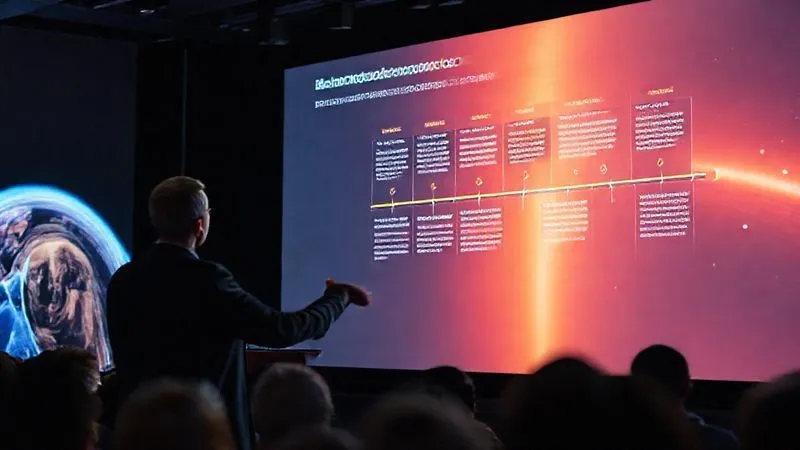
Rebuilding trust isn't a one-time announcement; it's a sustained campaign of transparent communication. After an incident, the public will be scrutinizing your every move. It's not enough to implement new safety measures; you must effectively communicate what you've done, why it matters, and how it directly addresses their concerns.
In my experience, many companies make the mistake of going silent after the initial crisis, only to re-emerge when they're ready to 'return to normal.' This creates a vacuum that skepticism and misinformation will quickly fill. Consistent, proactive communication is essential for maintaining credibility and showing genuine commitment.
- Create a Dedicated 'Safety & Progress' Hub: Establish a prominent section on your website where all investigation reports, corrective actions, new safety protocols, and progress updates are easily accessible. Use visuals like infographics and videos.
- Regular, Scheduled Updates: Commit to a schedule for releasing updates, even if they're brief. This could be monthly newsletters, quarterly reports, or regular video messages from your leadership. Consistency builds anticipation and demonstrates transparency.
- Translate Technical Jargon: Ensure your communications are understandable to a lay audience. Avoid overly technical language; explain complex safety measures in clear, relatable terms.
- Highlight the 'Why': Don't just list what you've done; explain *why* these changes make your operations safer and more reliable. Connect the actions directly to preventing a recurrence of the incident.
- Engage with Media Proactively: Don't wait for reporters to call you. Offer interviews, site visits (where appropriate), and exclusive access to demonstrate your commitment to openness.
This phase is about telling your story, with facts and evidence, to control the narrative. It’s about being a reliable source of information, which is a cornerstone for how to rebuild public trust after a a space tourism incident.
5. Engaging the Public: Education and Open Dialogue
Beyond simply informing, actively engaging the public is crucial. An incident often breeds fear and misunderstanding. Your role as an industry leader is to educate, demystify, and foster a dialogue that addresses concerns directly, rather than dismissing them.
I've found that people are often more receptive to information when they feel heard and respected. This means creating platforms for genuine interaction, not just one-way communication.
- Host Public Town Halls and Q&A Sessions: Organize virtual or in-person events where company executives, engineers, and safety officers can answer questions directly from the public. These sessions build rapport and address specific anxieties.
- Educational Content Campaigns: Develop content (videos, articles, social media series) that explains the complexities of spaceflight, the safety measures in place, and the inherent risks versus rewards. Focus on factual, engaging content.
- Showcase Your People: Introduce the dedicated engineers, safety teams, and mission control specialists who are working tirelessly behind the scenes. Humanizing your operations can build empathy and trust.
- Collaborate with Science Communicators: Partner with trusted independent science communicators, educators, and influencers who can help translate your message and lend external credibility.
“The greatest obstacle [to space exploration] is not the cost, but the public's perception of risk versus reward.”
— Dr. Neil deGrasse Tyson
By actively engaging, you transform a potentially hostile audience into an informed community. This open dialogue demonstrates that you are confident in your safety measures and respectful of public concern. For an excellent example of public engagement in science, consider the initiatives by institutions like NASA's public outreach programs.
6. Pilot Programs and Third-Party Validation: Proving Reliability
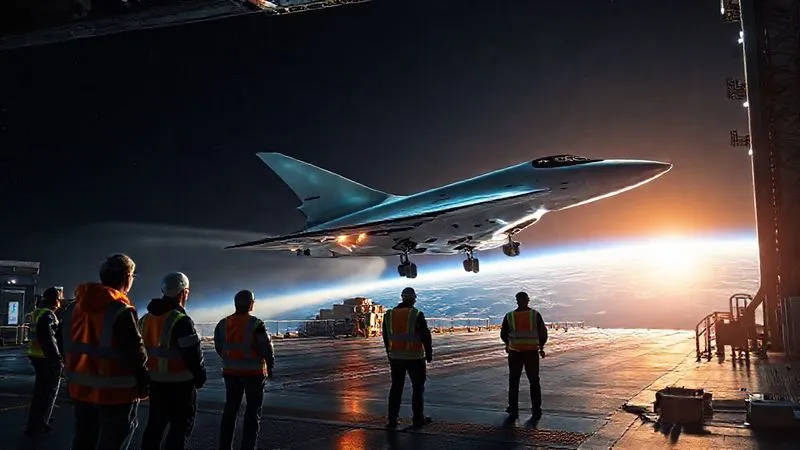
Once you've implemented new safety measures and communicated your progress, the next step is to tangibly prove that your systems are safe and reliable. The public needs to see, not just hear, that you're ready. This often involves a cautious reintroduction of operations, starting with pilot programs and robust third-party validation.
I've always advocated for a phased approach, recognizing that trust is rebuilt incrementally. Hurrying this stage risks another setback, which could be fatal to your reputation.
- Internal Test Flights: Conduct numerous uncrewed and crewed test flights with internal personnel (engineers, test pilots) who understand the risks and are part of the safety culture. Share the data and results publicly.
- Third-Party Safety Audits and Certification: Invite leading independent aerospace safety organizations to conduct exhaustive audits of your updated systems and operational procedures. Seek their certification or endorsement.
- Non-Revenue Passenger Flights: Consider offering flights to trusted partners, employees' families, or even select media representatives on a non-revenue basis. Their positive testimonials, based on firsthand experience, can be incredibly powerful.
- Share Real-Time Telemetry and Data (where appropriate): During these validation flights, providing limited, real-time data feeds or post-flight analyses can further demonstrate transparency and system performance.
| Metric Category | Pre-Incident Value | Post-Incident Target | Achieved Value (Pilot) |
|---|---|---|---|
| System Reliability | 98.5% uptime | 99.9% uptime | 99.8% uptime |
| Anomaly Detection Rate | 75% (internal) | 95% (internal & external) | 96% (internal & external) |
| Safety Protocol Adherence | 92% (audit score) | 98% (audit score) | 97% (audit score) |
| Public Confidence Score | 7/10 | 8.5/10 | 7.8/10 (initial survey) |
This phased approach allows you to gather irrefutable evidence of your enhanced safety, gain external validation, and gradually reintroduce the concept of space tourism to a cautious public. It's a tangible demonstration of your commitment to safety and a critical step in how to rebuild public trust after a space tourism incident.
7. Building a Culture of Safety: From Leadership Down
Ultimately, rebuilding and sustaining public trust after an incident isn't just about processes and technology; it's about embedding safety deep into the very DNA of your organization. A true culture of safety means that every employee, from the CEO to the newest intern, prioritizes safety above all else, and feels empowered to speak up when something is amiss.
I've seen firsthand how a strong safety culture can prevent incidents and how a weak one can exacerbate them. This isn't a program; it's a way of life for your company.
- Leadership Commitment: Safety must be championed from the very top. Leaders must visibly and consistently prioritize safety in all decisions, resource allocations, and communications.
- Non-Punitive Reporting Systems: Implement mechanisms that encourage employees to report errors, near misses, and safety concerns without fear of retribution. This fosters learning and proactive problem-solving.
- Continuous Safety Training and Education: Beyond initial training, provide ongoing education that reinforces safety principles, shares lessons learned, and keeps employees updated on best practices.
- Empowerment and Accountability: Give employees the authority to halt operations if they identify a safety risk. Simultaneously, hold everyone accountable for adhering to safety protocols.
- Integrate Safety into Performance Reviews: Make safety performance a key component of employee evaluations and reward systems.
This holistic approach ensures that safety is not an afterthought but an intrinsic value that guides every decision and action. It’s the ultimate long-term strategy for any company in the space tourism sector to build and maintain trust. Research from institutions like the EUROCONTROL Skybrary on Safety Culture provides excellent insights into the importance of this organizational mindset.
8. Long-Term Vision: Sustaining Trust in a New Frontier
Rebuilding public trust after a space tourism incident is a marathon, not a sprint. It requires consistent effort, unwavering commitment, and a long-term vision that extends far beyond the immediate crisis. The space tourism industry is still in its infancy, and every company has a responsibility to contribute to its overall credibility and public acceptance.
You must commit to a future where safety leadership is a competitive advantage, and transparency is a non-negotiable operating principle. This means continually innovating, learning, and adapting, always with the public's confidence at the forefront of your strategy.
“Trust, once broken, is like a mirror. You can fix it, but the crack will always be there. It requires constant polishing and careful handling.”
Maintain your dedicated safety and progress channels, continue engaging with the public, and never become complacent. The future of space tourism depends on our collective ability to demonstrate that we are responsible stewards of this new frontier. Your commitment to this long-term vision is the ultimate answer to how to rebuild public trust after a space tourism incident, ensuring a sustainable and exciting future for all.
Frequently Asked Questions (FAQ)
How long does it typically take to rebuild public trust after a significant space tourism incident? In my experience, rebuilding trust is a multi-year process, not a matter of months. While immediate actions can begin to stabilize the situation within weeks, genuine restoration of public confidence often takes 2-5 years, sometimes longer, depending on the severity of the incident, the transparency of the company's response, and consistent demonstration of enhanced safety. It requires sustained effort and a flawless operational record post-incident.
What role do regulatory bodies like the FAA play in the trust-rebuilding process? Regulatory bodies are absolutely crucial. They provide independent oversight, validate investigation findings, approve corrective actions, and grant the ultimate authority for return-to-flight. Their endorsement is a powerful signal to the public that a company's operations meet stringent safety standards. Full cooperation with regulators is non-negotiable for rebuilding trust.
How can companies address the psychological impact and fear among potential future customers? Addressing psychological impact requires empathy and evidence. This involves transparently sharing safety enhancements, showcasing successful test flights, providing testimonials from non-revenue passengers, and engaging with experts on risk perception. Offering flexible booking options or rebooking incentives for affected customers can also demonstrate good faith and commitment to their experience.
Is insurance coverage affected after a space tourism incident, and how does that impact public trust? Yes, insurance coverage is significantly affected. Premiums will likely increase substantially, and policy terms may become much stricter. Companies may also face challenges securing adequate coverage. While this is primarily a financial concern, the ability to secure comprehensive insurance can indirectly signal to the public (and investors) that independent underwriters perceive the company's risk profile as manageable, which can subtly aid in trust rebuilding.
What if a competitor tries to leverage the incident to gain market share or discredit the company? While unfortunate, this can happen. The best strategy is to remain entirely focused on your own recovery, safety enhancements, and transparent communication. Do not engage in retaliatory rhetoric or public disputes with competitors. Let your actions speak for themselves. A mature, responsible response to a crisis will ultimately earn more respect and trust than any attempt to deflect or counter-attack.
Key Takeaways and Final Thoughts
Rebuilding public trust after a space tourism incident is arguably the most challenging, yet vital, undertaking for any company in this pioneering industry. It demands a holistic, unwavering commitment to safety, transparency, and empathy. The journey is long and arduous, but the future of human spaceflight depends on our collective ability to navigate these challenges with integrity.
- Act Swiftly and Transparently: Your immediate response defines the narrative.
- Embrace Unflinching Accountability: Independent investigations and honest acceptance of responsibility are non-negotiable.
- Elevate Safety Beyond Compliance: Invest in cutting-edge measures and continuous improvement.
- Communicate Consistently and Credibly: Control the narrative with facts and clear updates.
- Engage and Educate the Public: Foster dialogue and address concerns directly.
- Prove, Don't Just Promise: Utilize pilot programs and third-party validation.
- Cultivate a Deep Safety Culture: Make safety an intrinsic value from top to bottom.
- Maintain a Long-Term Vision: Trust is a continuous commitment, not a one-time fix.
As we push the boundaries of human experience into space, we must also set the highest standards for safety and public confidence. The path to rebuilding trust is arduous, but for those who commit to it with genuine resolve, the rewards – a thriving, trusted space tourism industry – are truly boundless. I believe in the resilience of this industry and its pioneers to learn, adapt, and ultimately, soar higher than ever before.
Recommended Reading
- Conquer Your Fears: Solo Dining Tips for Shy Travelers Revealed
- 7 Clever Hacks: Budget Meals for Long-Term Travel with No Kitchen
- Remote Work & Couchsurfing: 7 Ways to Guarantee Quiet Focus
- Caregivers & Accessible Travel: 7 Steps to Stress-Free Journeys?
- 5 Solo Travel Strategies: Reclaim Your Edge & Conquer Executive Burnout


Your email address will not be published. Required fields are marked *