

How to Prevent Cultural Appropriation in Indigenous Tradition Tours?
For over 15 years, navigating the intricate world of cultural travel, I've witnessed firsthand the profound beauty and immense privilege of engaging with indigenous traditions. Yet, I've also seen the heartbreaking unintended consequences when that engagement crosses the line from appreciation to appropriation, causing real harm and eroding trust built over generations.
The problem is often rooted in a lack of awareness, a consumerist mindset, or a failure to truly understand the historical and spiritual significance of indigenous practices. Travelers, eager for an 'authentic' experience, can inadvertently contribute to the commodification of sacred traditions, often without adequate benefit returning to the rightful knowledge keepers.
This article isn't just about avoiding mistakes; it's about fostering genuine, respectful, and mutually beneficial interactions. I'll share actionable frameworks, expert insights, and real-world considerations to empower you, whether you're a traveler, a tour operator, or a community leader, on how to prevent cultural appropriation in indigenous tradition tours effectively and ethically.
Understanding the Nuance: Appropriation vs. Appreciation
Before we delve into preventive measures, it's crucial to grasp the fundamental distinction between cultural appreciation and cultural appropriation. This isn't just semantics; it's the bedrock of ethical engagement.
Cultural appreciation involves engaging with another culture with respect, understanding, and a genuine desire to learn. It often means recognizing the source, honoring the context, and ensuring that any benefit derived flows back to the originators. It's about participation by invitation, not by right.
Cultural appropriation, on the other hand, is the adoption or use of elements of a minority culture by members of the dominant culture, often without understanding, acknowledgment, or respect for the original culture, and often for personal gain or novelty. It's taking something sacred or significant out of its context and stripping it of its meaning, frequently by those who have historically oppressed or marginalized the very culture they are now borrowing from.
“The core difference lies in power dynamics, consent, and compensation. Appreciation seeks to uplift and learn; appropriation often takes and diminishes.”
I've seen countless examples where a beautiful indigenous design, steeped in generations of meaning, ends up on a mass-produced souvenir, with zero acknowledgment or benefit to the community that created it. This is appropriation, pure and simple, and it's what we must actively work to prevent.
Prioritizing Indigenous Voices and Ownership
The most powerful antidote to cultural appropriation is ensuring that indigenous voices are at the forefront of any cultural tourism initiative. This isn't just good practice; it's a matter of fundamental rights and respect.
The Power of Co-Creation and Community-Led Tourism
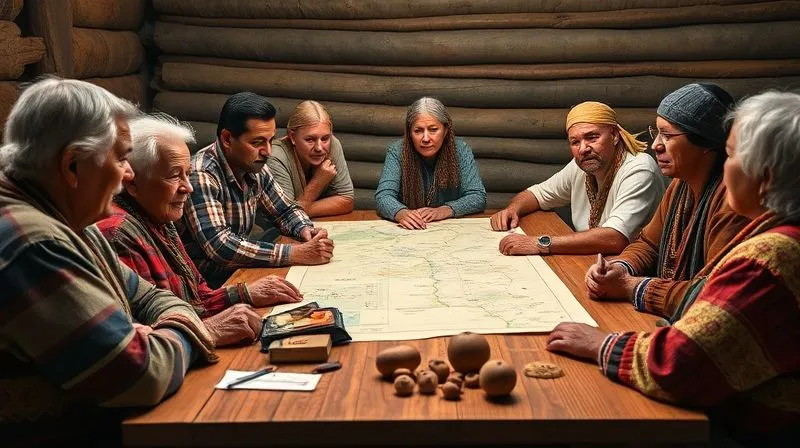
True ethical tourism in indigenous contexts must be community-led and community-owned. This means that indigenous peoples themselves define what aspects of their culture they are willing to share, how they are shared, and under what terms. It's about empowering them to be the architects of their own cultural narratives and economic futures.
- Decision-Making Power: Indigenous communities must have the ultimate say in the design, management, and marketing of tours.
- Authenticity and Integrity: When communities lead, the experiences offered are inherently more authentic and respect the integrity of traditions.
- Economic Empowerment: Direct ownership ensures that economic benefits stay within the community, fostering sustainable development.
- Cultural Preservation: It allows communities to preserve and transmit their culture on their own terms, preventing commodification.
In my experience, partnerships built on genuine trust and shared vision lead to the most profound and impactful cultural exchanges. It's about moving from 'tourism to' indigenous communities to 'tourism with' indigenous communities.
Rigorous Vetting of Tour Operators and Guides
As a traveler, your choice of tour operator is your first and most critical line of defense against cultural appropriation. Not all operators claiming to offer 'authentic' experiences are truly ethical.
- Research Deeply: Look beyond glossy brochures. Investigate the operator's mission, values, and track record. Do they explicitly state their commitment to indigenous rights and cultural preservation?
- Seek Indigenous Ownership/Partnership: Prioritize operators that are indigenous-owned or have transparent, long-term partnerships with indigenous communities. Look for evidence of shared governance or revenue sharing.
- Verify Community Consent: Ethical operators can articulate how they obtained consent from the communities they work with. They should be able to explain the consultation process.
- Ask About Guide Training: Are guides local and indigenous? Are they trained in cultural sensitivity, history, and language by the community itself? This ensures accurate information and appropriate interaction.
- Read Reviews Critically: Look for feedback that mentions respect for culture, community benefits, and the authenticity of the experience from an ethical standpoint, not just 'fun.'
Case Study: The 'Sacred Valley' Tour Transformation
I recall a time when a popular tour company, 'Andean Pathways,' faced criticism for offering tours through Peru's Sacred Valley that, while visually stunning, often treated indigenous communities as mere backdrops. Their guides, while knowledgeable about history, lacked deeper cultural sensitivity and failed to ensure equitable compensation for local artisans.
By implementing a new framework, 'Andean Pathways' partnered with a local Quechua cooperative. They transitioned to hiring only indigenous guides from the communities themselves, who received comprehensive training in storytelling, cultural protocols, and sustainable tourism practices. The company also established a transparent revenue-sharing model, with 60% of tour profits directly benefiting community-led development projects. This shift not only significantly reduced instances of cultural appropriation but also boosted community pride and economic resilience, leading to a 40% increase in positive traveler feedback highlighting the 'authentic and respectful' nature of their tours. This demonstrates how a commitment to ethical practices can transform both impact and reputation.
| Characteristic | Practices | Impact |
|---|---|---|
| Ethical Operator | Community-owned/co-managed, fair wages, cultural training for guides, transparent benefit sharing, explicit consent, promotes local language/customs | Empowerment, cultural preservation, sustainable development, authentic experience |
| Potentially Appropriative Operator | External ownership, low wages/exploitation, superficial cultural explanations, opaque financials, implied consent, commodifies culture for profit | Disempowerment, cultural erosion, economic leakage, inauthentic experience |
For further insights into responsible travel, I often recommend consulting resources like the Center for Responsible Travel (CREST), which offers valuable guidelines and case studies on ethical tourism.
Educating Travelers: Pre-Trip and On-Site Protocols
Even with the most ethical operator, the individual traveler bears a significant responsibility. Education is paramount, and it begins long before you step foot in an indigenous community.
Comprehensive Pre-Trip Preparation
Tour operators, and individual travelers, should commit to thorough pre-trip education. This isn't just a formality; it's a vital part of preparing for a respectful interaction.
- Cultural Briefings: Provide travelers with detailed information on local customs, etiquette, dress codes, and communication styles.
- Historical Context: Educate on the history of the indigenous community, including any colonial impacts or ongoing struggles. Understanding this context frames interactions with greater empathy.
- Language Basics: Encourage learning a few basic phrases in the local indigenous language. It's a sign of respect that goes a long way.
- Photography Guidelines: Clearly outline rules regarding photography – when it's appropriate, when it's not, and always emphasize asking for explicit permission.
On-site, guides must reinforce these lessons and serve as cultural interpreters, facilitating understanding and ensuring adherence to protocols. They are the bridge between visitors and hosts.
Cultural sensitivity guidelines should be actively discussed and practiced. This includes understanding the sacredness of certain sites, the importance of not interrupting ceremonies, and the nuances of gift-giving (if appropriate and culturally sanctioned).
As the UN World Tourism Organization (UNWTO) consistently emphasizes, responsible tourism hinges on respect for socio-cultural authenticity, preserving living cultural heritage, and traditional values.
Ensuring Fair Compensation and Equitable Benefit Sharing
One of the most insidious forms of appropriation is economic exploitation. Ethical tourism demands that indigenous communities receive fair and equitable compensation for their services, knowledge, and resources.
Beyond the Transaction: Long-Term Partnerships
Fair compensation extends beyond simply paying for a tour or a craft. It involves creating sustainable economic models that benefit the entire community, not just a few individuals.
- Direct Payments: Ensure that fees for guides, performers, artisans, and homestay providers go directly to them, without excessive cuts from intermediaries.
- Community Funds: A portion of tour proceeds should be allocated to community-managed funds for education, healthcare, infrastructure, or cultural preservation projects.
- Fair Trade Principles: For crafts and goods, adhere to fair trade principles, ensuring producers receive a living wage and work in safe conditions.
- Capacity Building: Support initiatives that build local capacity in tourism management, marketing, and entrepreneurship, fostering self-sufficiency.
In my consultations, I always stress that economic justice is a cornerstone of ethical cultural tourism. It's about recognizing the intrinsic value of indigenous knowledge and labor.
“Ethical tourism is not just about 'not taking'; it's about actively 'giving back' and ensuring the economic empowerment of indigenous hosts.”
Respecting Sacred Spaces, Rituals, and Intellectual Property
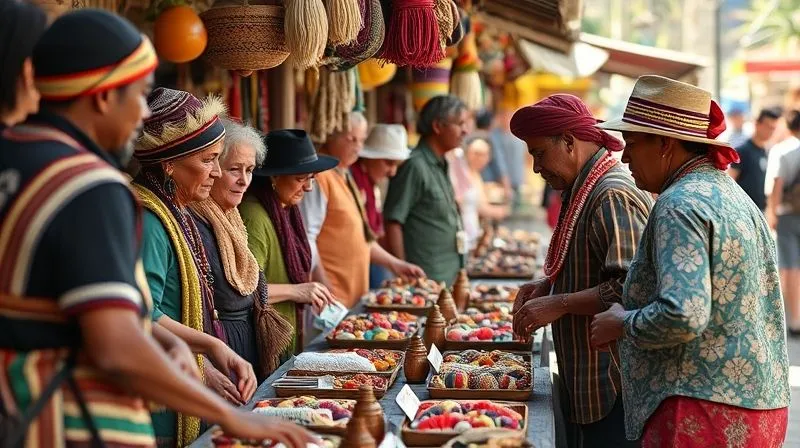
Indigenous cultures are rich with sacred sites, ceremonies, and traditional knowledge that are not for public consumption or commercial exploitation. Respecting these boundaries is non-negotiable.
Guidelines for Respectful Engagement
Understanding and adhering to these boundaries is a critical aspect of preventing appropriation:
- No Trespassing: Respect signs or verbal instructions regarding restricted or sacred areas. These spaces hold deep spiritual significance and are not tourist attractions.
- Ceremonial Participation: Never assume you are invited to participate in ceremonies. If an invitation is extended, follow all instructions diligently and with utmost reverence. Avoid treating it as entertainment.
- Photography Rules: Always ask for explicit permission before taking photos of people, sacred sites, or specific objects. Be prepared for a 'no' and respect it without question. Never post images online without consent.
- Intellectual Property: Traditional songs, stories, designs, and knowledge are intellectual property. Do not record, reproduce, or commercialize these without explicit, formal agreement and fair compensation.
- Appropriate Dress and Demeanor: Dress modestly and behave respectfully, especially in villages or ceremonial contexts. Your presence is a privilege, not a right.
The concept of intellectual property rights for indigenous communities is gaining global recognition. Organizations like the World Intellectual Property Organization (WIPO) are actively working to establish frameworks for protecting traditional knowledge and cultural expressions.
Continuous Learning, Feedback, and Adaptation
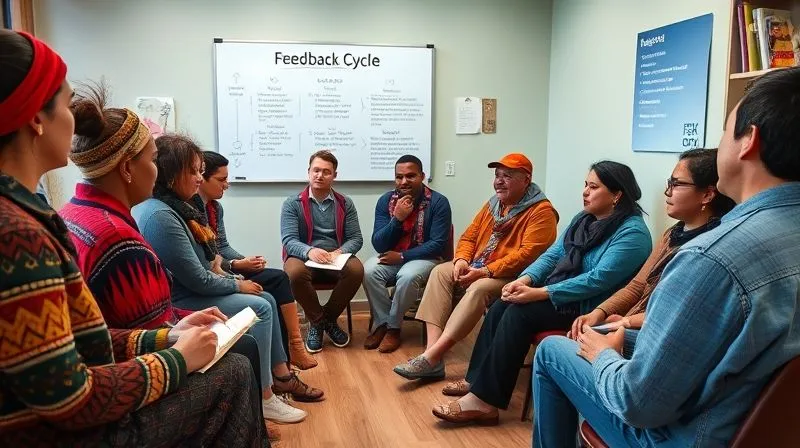
The journey toward truly ethical cultural tourism is ongoing. It requires a commitment to continuous learning, open feedback, and a willingness to adapt practices.
Implementing a Feedback Loop
For tour operators and communities, establishing robust feedback mechanisms is vital:
- Traveler Surveys: Beyond satisfaction, include questions about cultural sensitivity, understanding of protocols, and perceived impact on the community.
- Community Meetings: Regular meetings with indigenous partners to discuss the tours, address concerns, and explore new opportunities.
- Guide Debriefs: Guides are on the front lines; their observations and experiences are invaluable for identifying areas for improvement.
- External Audits: Consider periodic audits by independent ethical tourism organizations to ensure adherence to best practices.
For travelers, this means remaining open to learning, even after your trip. Reflect on your experiences, share what you've learned respectfully, and advocate for ethical practices in your own networks. The landscape of ethical travel is constantly evolving, and our adaptive strategies must evolve with it.
| Phase | Action | Tools |
|---|---|---|
| Listen & Observe | Gather feedback from community, travelers, guides; identify challenges | Surveys, community meetings, guide debriefs |
| Analyze & Reflect | Evaluate feedback, identify patterns and root causes of issues | Data analysis, internal discussions |
| Adapt & Implement | Modify tour protocols, training, benefit-sharing models; develop new initiatives | Policy updates, training sessions, project funding |
| Monitor & Evaluate | Track changes, assess impact, look for unintended consequences | Performance metrics, follow-up meetings, impact assessments |
Frequently Asked Questions (FAQ)
Question? How can a traveler distinguish between an ethical tour and an appropriative one when booking online?
Detailed answer: When booking online, look for explicit statements about community ownership, consent, and benefit-sharing on the tour operator's website. Ethical operators often highlight their partnerships with indigenous communities, provide detailed cultural guidelines, and may even feature testimonials from community members. Be wary of operators that heavily market 'authentic' or 'unspoiled' experiences without explaining how those experiences benefit the community, or those that focus purely on exoticism. Check reviews on independent platforms, specifically looking for comments on cultural sensitivity and local engagement. If information is scarce or vague, it's often a red flag.
Question? Is it ever okay to participate in indigenous ceremonies or rituals as a tourist?
Detailed answer: Participation in indigenous ceremonies or rituals is a deeply sensitive issue. Generally, it is only acceptable if you are explicitly invited by the community leaders or elders, and if the ceremony is genuinely open to outsiders. Never assume you have the right to participate. If invited, approach the experience with profound respect, humility, and a willingness to follow all instructions. Avoid any actions that could be perceived as disrespectful, such as taking photos without permission, talking during sacred moments, or treating it as entertainment. Remember, these are not performances for tourists; they are sacred practices. If you are unsure, it is always best to respectfully decline or observe from a distance if permitted.
Question? What if I accidentally commit cultural appropriation during my travels? How should I react?
Detailed answer: If you realize you've accidentally committed cultural appropriation, the most important step is to acknowledge it, apologize sincerely, and learn from the mistake. Do not become defensive or try to justify your actions. If you've caused offense to an individual or community, offer a direct and humble apology. If it's a broader issue (e.g., wearing an inappropriate item), remove yourself from the situation and reflect on why it was wrong. Use it as a learning opportunity to deepen your understanding of cultural sensitivity and commitment to ethical travel. Share your learning with others respectfully, helping to educate your peers.
Question? How does photography fit into ethical indigenous tourism, especially with social media?
Detailed answer: Photography in indigenous communities requires extreme sensitivity. Always ask for explicit permission before taking photos of individuals, children, sacred sites, or private property. Be prepared for a 'no' and respect it without question. Understand that some cultures believe photography can 'steal' their spirit or is simply inappropriate for sacred contexts. If permission is granted, avoid posting images on social media without further explicit consent, especially if individuals are identifiable. Never use photos for commercial purposes without a formal agreement and fair compensation. The guiding principle is always respect for privacy, dignity, and cultural protocols, prioritizing the well-being of the community over a 'perfect' photo.
Question? What are the long-term impacts of cultural appropriation on indigenous communities?
Detailed answer: The long-term impacts of cultural appropriation can be devastating for indigenous communities. It can lead to the erosion of cultural identity, as sacred practices are commodified and stripped of their original meaning. Economically, it often results in exploitation, where external entities profit from indigenous knowledge and creations while the originators receive little to no benefit. Spiritually, it can cause deep offense and trauma by disrespecting ancestral traditions and sacred sites. Furthermore, it perpetuates harmful stereotypes and reduces complex cultures to superficial curiosities, hindering genuine understanding and perpetuating colonial power dynamics. Ultimately, it undermines the self-determination and cultural sovereignty of indigenous peoples.
Key Takeaways and Final Thoughts
- Prioritize Indigenous Voices: Always ensure that indigenous communities lead and benefit from tourism initiatives.
- Vet Operators Carefully: Your choice of tour operator is crucial; seek out those committed to ethical practices and transparent partnerships.
- Educate Yourself Thoroughly: Understand cultural nuances, historical context, and specific protocols before and during your trip.
- Ensure Economic Justice: Demand fair compensation and equitable benefit-sharing that genuinely empowers communities.
- Respect Boundaries: Recognize and honor sacred spaces, rituals, and intellectual property; consent is paramount.
- Commit to Continuous Learning: Ethical travel is an ongoing journey of reflection, feedback, and adaptation.
The privilege of experiencing indigenous traditions is immense, and with that privilege comes a profound responsibility. By actively committing to these principles, we move beyond being mere tourists to becoming respectful guests, allies, and advocates. We contribute not to appropriation, but to genuine cultural exchange, preservation, and the empowerment of indigenous peoples worldwide. Let us travel not just to see, but to understand, to respect, and to truly connect, leaving a positive and lasting legacy.
Recommended Reading
- Unlock Safe Fun: What Water Sports Are Perfect for Kids on Beach Holidays?
- Unlock Europe: The Ultimate Guide to Interrail Travel Days Explained
- Closing Deals: 5 Strategic Steps for Luxury Gourmet Dining Success
- Unveiling the True Cost: What's Included in Your Commercial Spaceflight Ticket?
- 5 Steps: Design Durable, Highly Stylish Festival Fashion That Lasts





Your email address will not be published. Required fields are marked *